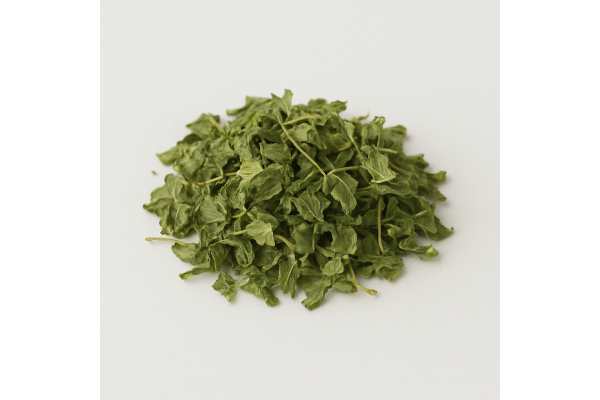
Kasuri methi, or dried fenugreek leaves, is one of those ingredients that quietly transforms a dish. A small pinch can turn a simple dal, curry, or paneer into something deeply aromatic, with a mellow bitterness and a hint of sweetness. Beyond flavor, kasuri methi comes from a plant long used in traditional medicine, particularly for digestion, blood sugar balance, and women’s health. Modern nutrition data show that fenugreek leaves are concentrated in fiber, minerals, and protective plant compounds, especially when dried.
This guide looks closely at kasuri methi from both a culinary and health perspective. You will learn what is known about its nutrient content, how it may support metabolic and digestive health, and where the evidence is still emerging. You will also find clear information on who should be cautious, how to choose good-quality products, and practical ways to cook with kasuri methi while preserving both flavor and nutritional value.
Essential Insights
- Kasuri methi is a low-calorie, high-flavor herb that adds fiber, minerals, and phytochemicals in very small amounts.
- Regular culinary use may gently support blood sugar control, cholesterol management, and antioxidant intake when combined with an overall healthy diet.
- A practical serving is about 0.5–2 grams (roughly 1–2 teaspoons crumbled) per dish, used several times per week according to tolerance.
- People with legume allergies, hormone-sensitive conditions, pregnancy, or complex medication regimens should use fenugreek products cautiously and seek medical advice.
Table of Contents
- Kasuri Methi in Depth
- Kasuri Methi Nutrients and Compounds
- Evidence Based Kasuri Methi Benefits
- Side Effects, Allergies and Interactions
- Choosing, Quality, Sustainability and Storage
- Cooking Kasuri Methi and Nutrients
- Portion Guidance, Comparisons and FAQs
Kasuri Methi in Depth
Kasuri methi is simply dried fenugreek leaves, usually from carefully selected cultivars that retain a strong aroma after drying. In many Indian kitchens, it is a finishing herb rather than a base spice: a pinch rubbed between the palms and stirred into a hot dish near the end of cooking can give a curry or dal a distinctive, restaurant-style depth. Compared with many other dried herbs, its aroma is more nutty and slightly maple-like, layered over a gentle, pleasing bitterness.
Fenugreek itself is a legume. The plant’s seeds, fresh leaves, and dried leaves are all used in different ways. Seeds are more intensely bitter and fibrous, so they are often used in small amounts or sprouted, while fresh leaves behave like other leafy greens. Kasuri methi sits between these forms: it has more delicate texture than the seeds but a stronger, more concentrated flavor than fresh leaves.
Culturally, fenugreek has been associated with digestive comfort, support for menstrual and postpartum health, and general vitality in several traditional systems. Today, people are often introduced to kasuri methi through popular dishes such as butter chicken, dal makhani, methi malai paneer, or fragrant parathas. Once you recognize its aroma, you start to notice it in many gravies and dry vegetable preparations.
In modern cooking, kasuri methi is increasingly used beyond South Asian cuisine. It can round out tomato-based sauces, herb rubs for roasted vegetables, or even savory baked goods. In all these roles, it is best thought of as a bridge between leafy herbs and warm spices: used sparingly, it adds complexity without overwhelming the dish or dramatically increasing heat.
Kasuri Methi Nutrients and Compounds
Drying fenugreek leaves removes most of their water and concentrates their nutrients. Per 100 grams of dried leaves, analyses typically show high levels of fiber, plant protein, and a range of minerals. In practice you use far less than that, but even small quantities can contribute meaningfully when kasuri methi is a regular part of your cooking.
Key macronutrient features of dried fenugreek leaves include:
- A moderate protein content for a leafy herb, reflecting fenugreek’s legume family origins.
- A high proportion of dietary fiber, with both soluble and insoluble components.
- Very low fat and sugar content, making kasuri methi essentially a flavor-rich, energy-light ingredient.
Micronutrients likely to be present in useful amounts (on a per-weight basis) include iron, calcium, magnesium, potassium, and a selection of B vitamins. Beta-carotene in the leaves can be converted to vitamin A in the body, supporting vision and immune function. Because serving sizes are small, kasuri methi will not meet your requirements on its own, but it can support broader intake of these nutrients when layered onto meals.
The more distinctive aspects of kasuri methi come from its phytochemicals. Dried fenugreek leaves contain:
- Steroidal saponins, which may influence cholesterol metabolism and bile acid handling.
- Alkaloids such as trigonelline, linked in research to glucose metabolism and potential neuroprotective roles.
- Flavonoids and phenolic acids that provide antioxidant potential and may modulate inflammatory pathways.
- Aromatic compounds that contribute to the herb’s unique scent and may have mild physiological effects, particularly in the digestive tract.
The fiber matrix itself is important. Soluble fibers in fenugreek form viscous gels in the gut, slowing stomach emptying and carbohydrate absorption. Insoluble fibers add bulk and support regular bowel movements. In combination, these properties underpin many of the traditional and researched uses of fenugreek for digestion and blood sugar balance.
Overall, kasuri methi works as a concentrated micro-dose of nutrient and phytochemical density. A teaspoon stirred into a lentil curry or vegetable stew may not transform your daily nutritional totals by itself, but spread across weeks and combined with other plant foods, it adds another small, consistent thread to a diet that favors whole, minimally processed ingredients.
Evidence Based Kasuri Methi Benefits
When we talk about “evidence based” benefits for kasuri methi, we need to distinguish between research on fenugreek seeds, research on leaves, and traditional observations. Seeds have been studied more intensively, but the leaves share many of the same active families, so it is reasonable to expect overlapping, though milder, effects at typical culinary doses.
One major area of interest is blood sugar control. Trials using fenugreek preparations have shown improvements in fasting and post-meal glucose, as well as better markers of long-term glycemic control, especially in people with impaired glucose tolerance or type 2 diabetes. These effects appear to come from a combination of slower carbohydrate absorption, enhanced insulin efficiency, and changes in digestive hormones. Because kasuri methi is rich in soluble fiber and related compounds, it likely contributes gently to the same mechanisms when used regularly in meals that also emphasize whole grains, legumes, and non-starchy vegetables.
Another well-studied domain is blood lipids. Fenugreek interventions have produced reductions in total cholesterol, LDL cholesterol, and triglycerides in some trials. Mechanisms proposed include increased binding of bile acids in the gut, changes in liver lipid metabolism, and antioxidant protection of lipoproteins. Again, kasuri methi alone will not replace cholesterol-lowering medications, but as part of a heart-conscious pattern—lower in refined carbohydrates and high in fiber—this herb fits the overall picture.
Digestive support is a third key theme. Traditional uses describe fenugreek leaves as soothing for indigestion, mild constipation, and bloating. The combination of fiber, aromatic compounds, and bitter elements encourages digestive secretions and supports more regular bowel movements. In people with sluggish digestion, integrating small amounts of kasuri methi into fiber-rich meals can feel noticeably comfortable, although those with highly sensitive guts may need to increase slowly.
Finally, the antioxidant and anti-inflammatory potential of fenugreek leaves suggests a more general benefit: regular intake may help reduce cumulative oxidative stress and low-grade inflammation. This does not translate to a guarantee against any specific disease, but a broad pattern of herbs and spices with such properties is consistently associated with better long-term health markers.
The most realistic way to view kasuri methi is as a supportive ally. It cannot, by itself, treat diabetes, high cholesterol, or digestive disorders. It can, however, contribute extra fiber and bioactive compounds to meals that already follow evidence-based principles, and in doing so, gently reinforce those foundations.
Side Effects, Allergies and Interactions
Kasuri methi is usually safe when used as a culinary herb, but fenugreek as a whole does have some important cautions, especially at higher intakes and in supplement form. Understanding these helps you decide what is appropriate for your situation.
The most common issues are digestive. Because fenugreek is rich in fiber and saponins, some people experience gas, bloating, or loose stools if they suddenly increase their intake. When kasuri methi is used in teaspoon quantities in a shared dish, these effects are usually mild. For those with irritable bowel syndrome or sensitive digestion, it is prudent to introduce small amounts and see how the body responds.
Allergy is a more serious concern. Fenugreek is a legume, and cross-reactivity has been reported in people with existing allergies to other legumes such as peanut or chickpea. Reactions can range from mild itching and hives to severe, generalized allergic responses. Anyone with a known legume allergy, especially to peanut, should be cautious and seek professional advice before regularly using fenugreek products, including kasuri methi. If you have ever experienced swelling, wheezing, or other significant symptoms after eating “methi” dishes, it is safest to avoid them until you have been assessed.
There are also life-stage and condition-specific considerations. During pregnancy, high-dose fenugreek supplements and concentrated preparations are generally discouraged due to concerns about potential hormone modulation and uterine effects. Culinary-level use in occasional dishes is considered less problematic, but frequent or heavy use should still be discussed with a prenatal care provider. In breastfeeding, fenugreek is often used to support milk supply, yet studies show mixed results and a meaningful rate of side effects, especially gastrointestinal discomfort and changes in body odor. Those considering fenugreek specifically for this purpose should do so under guidance.
Drug interactions are another key area. Fenugreek can lower blood sugar, which means it may amplify the effect of diabetes medications and increase the risk of low blood glucose if not monitored. It may also modestly affect clotting, so people on anticoagulant or antiplatelet medication need to be particularly careful with supplements and very high intakes. There are reports suggesting potential interactions with certain antidepressants and chemotherapy agents as well.
In practical terms, using kasuri methi as a flavoring herb in normal amounts is unlikely to cause problems for most healthy adults. However, if you have chronic health conditions, take regular prescription medications, are pregnant or breastfeeding, or have any history of allergies to legumes, you should discuss regular fenugreek use—whether as food or supplement—with your healthcare team.
Choosing, Quality, Sustainability and Storage
Kasuri methi is a single-ingredient product, but quality can vary widely. Choosing carefully ensures better flavor and reduces the risk of contamination.
When you open a pack of good kasuri methi, the aroma should be obvious: warm, herbal, slightly nutty, and reminiscent of fresh methi but more concentrated. The leaves should be mostly intact flakes rather than powdery dust, with a green to olive color rather than dull brown or gray. If the smell is weak or musty, or if you see visible mold or foreign matter, it is best not to use that batch.
Purity matters because drying concentrates not just flavors but also any contaminants. Reputable brands typically clean the leaves to remove dust, screen for stones or debris, and dry them in controlled conditions to limit mold growth. Some producers also test for pesticide residues and heavy metals. Reading labels for clear ingredient lists, choosing companies that emphasize quality control, and avoiding extremely cheap, unbranded products can all help reduce your exposure to unwanted substances.
From a sustainability perspective, fenugreek has some advantages. It is fairly hardy, can be grown in a range of climates, and as a legume, it contributes to soil nitrogen. Many farmers cultivate it in rotation with other crops. As a consumer, you can encourage more sustainable practices by supporting producers who pay fair prices to growers, limit unnecessary pesticides, and use responsible packaging. Buying only as much kasuri methi as you will realistically use within a year also reduces waste.
Storage at home is straightforward but important. Keep kasuri methi in an airtight container in a cool, dark cupboard, away from direct sunlight and heat sources like stovetops or ovens. Humidity is the enemy: steam entering the container can lead to clumping, off odors, and eventual spoilage. If you buy a large bag, consider decanting a small amount into a working jar and sealing the rest tightly for longer-term storage.
With good storage, kasuri methi can maintain its aroma for around 6–12 months. After that, it may still be safe to eat but will gradually lose its punch, and you may find yourself using more to achieve the same effect. A quick freshness test is to crush a pinch between your fingers: if the fragrance is faint, it may be time to replace your stock.
Cooking Kasuri Methi and Nutrients
The way you use kasuri methi in the kitchen has a big impact on both taste and nutritional value. Fortunately, traditional techniques tend to be quite nutrient-friendly, especially when the herb is added late in cooking.
Most recipes call for kasuri methi in one of two ways. The first is to crumble it directly into a nearly finished curry, stew, or sauce and allow it to simmer for a few minutes. This approach keeps heat exposure relatively short, helping preserve more of the delicate aroma compounds and heat-sensitive vitamins. The second is to lightly toast it in a dry pan or briefly warm it in fat, such as ghee or oil, before adding it to the dish. This can deepen the flavor and help dissolve fat-soluble components, but it needs to be done gently to avoid burning.
Pairing kasuri methi with some dietary fat is useful from a nutrition standpoint. Many of the herb’s beneficial plant compounds, including carotenoids and certain flavonoids, are better absorbed when eaten with fat. Dishes like creamy lentil curries, yogurt-based sauces, or vegetable stews cooked with a modest amount of oil naturally create this environment.
Balancing bitterness is another key technique. If you are new to kasuri methi, start with small amounts—perhaps a quarter to half a teaspoon in a pot that feeds several people—and increase gradually as you learn your preference. Combining kasuri methi with sweet or savory base flavors, such as caramelized onions, tomatoes, or dairy, helps create a rounder taste. Crushing the leaves finely before adding them disperses the flavor more evenly and prevents concentrated pockets of bitterness.
Beyond classic uses, kasuri methi adapts well in modern cooking. It can be mixed into dough for flatbreads, sprinkled over roasted potatoes or vegetables, added to lentil soups, or stirred into savory muffin or cracker batters. In each case, the same principles apply: small amounts, late addition relative to overall cooking time, and pairing with some fat for optimal absorption of nutrients.
Used thoughtfully in this way, kasuri methi becomes more than a finishing touch. It turns into a quiet but steady contributor of aroma, complexity, and plant-based nutritional richness across your weekly meals.
Portion Guidance, Comparisons and FAQs
Because kasuri methi is so potent, portion guidance revolves more around flavor and tolerance than around calories. For most healthy adults, a reasonable range is around 0.5–2 grams per dish, which translates to about 1–2 teaspoons of crumbled leaves shared among several servings. This level provides noticeable flavor and a modest nutritional boost without overwhelming the palate or digestive system.
Compared with fresh fenugreek leaves, kasuri methi is more concentrated in taste and nutrients by weight but lacks the water and volume that make fresh greens a substantial part of a meal. Fresh leaves are ideal as a cooked vegetable, while kasuri methi functions more like an herb. Fenugreek seeds, on the other hand, are harder, more bitter, and even richer in certain fibers and saponins. They are often used in spice blends or soaked and ground for specific recipes rather than sprinkled directly.
In practice, it can be helpful to think of fenugreek forms this way:
- Fresh leaves for bulk and vegetable content.
- Kasuri methi for aroma, finishing flavor, and micro-doses of nutrients.
- Seeds for more targeted uses and, where appropriate, supervised therapeutic applications.
Common questions include whether kasuri methi can be used daily, whether it supports weight management, and whether it can replace medication. For most people without contraindications, daily culinary use in small amounts is acceptable, particularly when part of varied, plant-forward meals. The herb may assist with satiety and digestion thanks to its fiber and bitter components, which can help some people feel satisfied with fewer refined carbohydrates or fats. However, these effects are modest and cannot substitute for broader lifestyle measures.
Kasuri methi cannot replace diabetes or cholesterol medication. Its role is supportive: it can help make healthy dishes more enjoyable and nutrient-dense, which in turn makes it easier to sustain a pattern of eating that aligns with clinical advice. Any decision to change medication should always be made with a healthcare professional and not based solely on herbal intake.
For children and older adults, small amounts used in family dishes are usually acceptable if there is no history of legume allergy and the digestive system tolerates the herb well. As with any new ingredient, it is wise to start low, observe, and adjust.
In summary, kasuri methi is at its best when it quietly supports an overall pattern of balanced eating: enough to be tasted and appreciated, regularly enough to matter, but never so much that it dominates the plate or introduces unnecessary risk.
References
- Antidiabetic potential of fenugreek (Trigonella foenum-graecum): A magic herb for diabetes mellitus 2024 (Systematic Review)
- Nutritional value, phytochemical composition, and antioxidant potential of Iranian fenugreeks for food applications 2024 (Research Article)
- Fenugreek – Purported Benefits, Side Effects and More 2023 (Clinical Monograph)
- Effect of fenugreek on hyperlipidemia and hyperglycemia: A meta-analysis of clinical trials 2019 (Systematic Review)
Disclaimer
This article is intended for general information only and does not provide medical advice, diagnosis, or treatment. Kasuri methi and other fenugreek products can interact with medications and may not be suitable for everyone, particularly people with diabetes, clotting disorders, hormone-sensitive conditions, pregnancy or breastfeeding, or a history of legume allergy. Always speak with a qualified healthcare professional before making significant changes to your diet, using fenugreek supplements, or altering prescribed treatment based on information you read online.
If you found this article useful, you are kindly invited to share it on Facebook, X (formerly Twitter), or any platform you prefer. Your support through thoughtful sharing helps more readers access balanced nutrition guidance and encourages the continued creation of high-quality content.