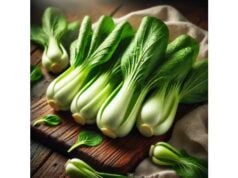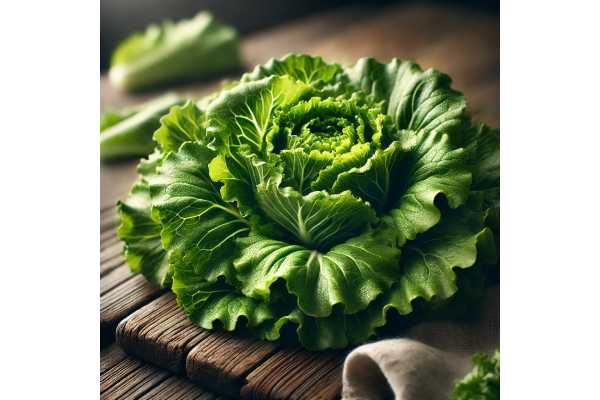
Escarole is one of those leafy greens many shoppers recognize by sight but are not quite sure how to use. Belonging to the chicory family, it looks a little like a broad, frilly lettuce, with pale, tender inner leaves and darker, slightly bitter outer leaves. That mild bitterness makes escarole especially useful in hearty soups, sautés, and braises, where it holds its structure better than delicate lettuces.
Nutritionally, escarole delivers very few calories but a meaningful amount of fiber, vitamin A, folate, vitamin K, and several minerals. It also contains the prebiotic fiber inulin and a variety of plant polyphenols that support gut and metabolic health. Whether you enjoy it raw in salads, wilted with garlic and olive oil, or simmered in traditional dishes like Italian wedding soup, escarole is a versatile way to increase your intake of leafy vegetables and diversify the flavors on your plate.
Nutrition Snapshot
- One cup raw escarole (about 50 g) provides very few calories but useful fiber, vitamin A, and vitamin K.
- Escarole contains inulin and other fibers that support digestive health and a more diverse gut microbiota.
- A typical serving is 1–2 cups raw (50–100 g) or ½ cup cooked, eaten several times per week as part of a varied diet.
- People with allergies to chicory or other daisy-family plants, or those taking vitamin K–sensitive blood thinners, should speak with a healthcare professional before eating large amounts.
- Individuals with irritable bowel syndrome who are sensitive to inulin or other fermentable fibers may need to introduce escarole slowly and monitor symptoms.
Table of Contents
- Escarole Basics and Culinary Roles
- Escarole Nutrition Profile per 100 Grams
- Evidence Based Benefits of Escarole
- Escarole Risks, Allergies and Cautions
- Selecting, Storing and Sustainable Escarole
- Cooking Escarole and Protecting Nutrients
- Escarole Portions, Comparisons and FAQs
Escarole Basics and Culinary Roles
Escarole (Cichorium endivia var. latifolia) is a broad-leaved type of endive in the chicory family. At first glance it resembles a loose head of lettuce, but a closer look reveals thicker ribs and a gradient of color: pale, almost yellow leaves at the center and deeper green leaves toward the outside. This gradient matters for flavor. Inner leaves are mild and tender, well suited to salads, while outer leaves are more robust and pleasantly bitter, ideal for cooking.
Botanically, escarole is related to Belgian endive, curly endive (frisée), and the chicory root used for coffee substitutes. Compared with these relatives, escarole is less intensely bitter and more versatile for everyday home cooking. Its leaves stand up to heat and liquid better than lettuces do, so escarole works in dishes that would quickly wilt or dissolve softer greens.
Culinarily, you can think of escarole as a bridge between salad greens and cooking greens:
- Raw uses: Inner leaves add texture and gentle bitterness to mixed salads. Pairing them with creamy components (beans, avocado, cheese), sweet fruit, or slightly acidic dressings balances the flavor.
- Quick-cooked uses: Escarole wilts quickly in a hot pan. Sautéed with olive oil, garlic, and chili, it makes a simple side dish or topping for grilled fish, chicken, or plant-based proteins.
- Brothy dishes: Escarole is classic in Italian-style soups and stews, where it softens but does not disappear. It complements beans, small pasta shapes, meatballs, and lentils.
- Stuffings and bakes: Lightly braised escarole can be folded into grain pilafs, frittatas, lasagna, or savory tarts.
From a nutrition perspective, escarole is a low-energy, high-volume food. A generous bowl adds bulk to a meal without many calories, which can support appetite management. At the same time, its fiber, vitamins, and minerals contribute meaningfully to daily nutrient goals when eaten regularly.
Because escarole remains somewhat underused in many kitchens, it can also be a simple way to increase the diversity of plant foods in your diet. Greater diversity of vegetables is associated with better overall diet quality and a wider range of phytochemicals, which benefits long-term health.
Escarole Nutrition Profile per 100 Grams
Raw escarole is predominantly water but carries a concentrated package of micronutrients and fiber in very few calories. The figures below use approximate values per 100 g of raw escarole and standard adult Daily Values (DV) for a 2,000 kcal diet. Actual values can vary slightly by variety and growing conditions, but the overall pattern is consistent.
Macros and Electrolytes (per 100 g raw)
| Nutrient | Amount per 100 g | %DV* |
|---|---|---|
| Energy | 17 kcal | 1% |
| Water | 94 g | – |
| Protein | 1.3 g | 3% |
| Total carbohydrate | 3.4 g | 1% |
| Dietary fiber | 3.1 g | 11% |
| Total sugars (naturally occurring) | ~0.7 g | – |
| Total fat | 0.2 g | <1% |
| Sodium | ~24 mg | 1% |
| Potassium | ~320 mg | 7% |
*%DV values are approximations based on common reference intakes for adults.
Escarole’s carbohydrate content is modest, and much of it is fiber, including inulin, a prebiotic fiber that ferments in the colon and supports beneficial gut bacteria. The low fat content makes escarole naturally lean, though pairing it with healthy fats (like olive oil or nuts) can improve absorption of fat-soluble nutrients.
Vitamins (per 100 g raw, approximate)
| Vitamin | Amount per 100 g | %DV |
|---|---|---|
| Vitamin A (as µg RAE) | ~110 µg | 12% |
| Vitamin C | 6–7 mg | 7% |
| Vitamin K | ~240 µg | 200%+ |
| Folate (Vitamin B9) | ~140 µg | 35% |
| Thiamin (Vitamin B1) | 0.08 mg | 7% |
| Riboflavin (Vitamin B2) | 0.08 mg | 6% |
| Niacin (Vitamin B3) | 0.4 mg | 3% |
Escarole is particularly noteworthy for vitamin K, a nutrient important for normal blood clotting and bone health, and for folate, which supports DNA synthesis and is especially important during pregnancy. The carotenoid forms of vitamin A in escarole also contribute to eye health and immune function.
Minerals (per 100 g raw, approximate)
| Mineral | Amount per 100 g | %DV |
|---|---|---|
| Calcium | 52 mg | 4% |
| Phosphorus | 28 mg | 2% |
| Magnesium | 15 mg | 4% |
| Iron | 0.8 mg | 4% |
| Zinc | 0.8 mg | 7% |
These mineral amounts are modest but helpful when escarole is part of a broader pattern of leafy vegetables. Calcium and magnesium contribute to bone and muscle function, while iron supports red blood cell production.
Bioactive Compounds and Anti-nutrients
Escarole contains a range of phenolic compounds, including derivatives of chicoric acid, caftaric acid, chlorogenic acid, and flavonoids such as kaempferol and quercetin. These molecules have antioxidant and enzyme-modulating properties in experimental models and may contribute to the observed health benefits of chicory-family vegetables.
As with many leafy greens, escarole also contains natural nitrates and small amounts of oxalates. In typical food amounts, these are not a concern for most healthy individuals, but they are relevant for people with specific medical conditions (discussed in the safety section).
Escarole is usually sold fresh and unfortified. Bagged, washed escarole mixes may contain traces of processing aids from the wash water, but major added nutrients or preservatives are uncommon. Always check the ingredient list if you are buying prepared salads.
Evidence Based Benefits of Escarole
Because escarole is a leafy green from the chicory family, its health effects resemble those seen with other chicory species and green leafy vegetables more broadly. Much of the research focuses on components—such as inulin, fiber, and phenolic compounds—or on related chicory species, but the findings help explain why escarole is a meaningful addition to a balanced diet.
1. Gut health and prebiotic effects
Escarole provides inulin and other fermentable fibers that resist digestion in the small intestine and reach the colon, where gut bacteria ferment them into short-chain fatty acids such as acetate, propionate, and butyrate. These short-chain fatty acids help:
- Nourish colon cells.
- Support gut barrier integrity.
- Modulate immune function.
- Influence appetite and glucose metabolism.
Clinical and experimental work with inulin-rich foods and supplements has shown improvements in stool regularity, favorable shifts in gut microbiota composition, and modest benefits for metabolic markers in some individuals. Escarole will not deliver the same dose as a concentrated supplement, but frequent servings contribute to overall prebiotic intake.
2. Metabolic and cardiometabolic support
Escarole is extremely low in energy yet high in volume and fiber. This combination can help people feel satisfied on fewer calories when replacing more energy-dense side dishes. Fiber slows gastric emptying and can reduce the speed and height of post-meal rises in blood glucose, which supports glycemic control over time.
Higher intake of leafy green vegetables in general is associated with lower risk of cardiovascular disease and type 2 diabetes in observational studies. Proposed mechanisms include improvements in overall diet quality, higher intakes of folate, magnesium, and potassium, and greater exposure to antioxidant and anti-inflammatory phytochemicals.
Escarole’s potassium content, combined with minimal sodium, fits well in blood-pressure-friendly eating patterns when used in place of high-sodium or refined sides.
3. Antioxidant and anti-inflammatory properties
The phenolic profile of escarole includes chicoric acid, flavonoids, and other compounds that show antioxidant and enzyme-modulating effects in laboratory and animal models. In related chicory species, extracts have demonstrated reductions in oxidative damage, modulation of enzymes involved in carbohydrate metabolism, and anti-inflammatory activity through effects on cellular signaling pathways.
While whole-vegetable servings are less concentrated than extracts, regularly eating escarole contributes these compounds alongside a complex mix of other protective nutrients.
4. Bone and connective tissue support
Escarole supplies vitamin K, which is needed for activation of proteins that regulate blood clotting and bone mineralization. Diets containing adequate vitamin K are linked with better bone markers in population research, especially when combined with sufficient calcium and vitamin D. Folate, also present in escarole, participates in methylation reactions relevant to tissue repair and cardiovascular health.
5. Dietary diversity and microbiome resilience
Beyond individual nutrients, escarole adds botanical and fiber diversity to the diet. A more diverse plant intake is associated with greater gut microbiome diversity, which in turn is linked with more resilient metabolic and immune function. Rotating escarole with other leafy greens, brassicas, and colorful vegetables can widen the spectrum of fibers and phytochemicals your microbiome encounters.
Escarole is not a cure or treatment for any disease, but it can be a helpful part of a dietary pattern that supports long-term cardiometabolic and digestive health.
Escarole Risks, Allergies and Cautions
For most people, escarole is a safe, low-risk food. However, a few groups should use caution or speak with a clinician before significantly changing their intake.
1. Allergy and cross-reactivity
Escarole belongs to the Asteraceae (daisy) family. Some individuals with allergies to related plants—such as ragweed, chamomile, or other chicory species—may experience cross-reactive symptoms when eating escarole. Reactions can range from mild oral itching to more significant allergy symptoms, including hives, swelling, or breathing difficulties.
If you have a known allergy to chicory, endive, or other Asteraceae foods, or if you have experienced unexplained reactions to mixed salad greens, discuss escarole with an allergist before including it regularly.
2. Digestive sensitivity to inulin and fermentable fibers
Inulin and related fibers are helpful for many people but can provoke gas, bloating, or discomfort in those with irritable bowel syndrome or sensitivities to fermentable carbohydrates. In research using inulin supplements, some individuals report increased gastrointestinal symptoms at higher doses.
Escarole contains less inulin per serving than supplements, but if you notice gastrointestinal symptoms after eating it, you can:
- Start with small portions (¼–½ cup cooked).
- Combine escarole with lower-FODMAP vegetables.
- Spread intake through the week rather than eating large servings at once.
If symptoms persist, discussing your overall fiber strategy with a healthcare professional or dietitian can be helpful.
3. Vitamin K and blood-thinning medications
Because escarole is rich in vitamin K, sudden increases or decreases in intake can interfere with the action of vitamin K–antagonist anticoagulants. The key is consistency, not complete avoidance:
- If you take a vitamin K–sensitive blood thinner, consult your healthcare provider before making large changes in your consumption of escarole or other leafy greens.
- Aim for a stable, predictable weekly pattern of intake so your medication can be dosed appropriately.
4. Nitrates, oxalates, and special conditions
Like many leafy vegetables, escarole contains naturally occurring nitrates. In typical culinary quantities, nitrates from vegetables are considered safe and may even support vascular health, but individuals with rare conditions affecting nitrate handling should follow their specialist’s advice.
Escarole’s oxalate content is generally lower than that of spinach or beet greens, but people with a history of calcium-oxalate kidney stones who have been advised to moderate oxalate intake should discuss appropriate portions with a dietitian.
5. Microbial contamination and residues
Because escarole grows close to the soil and has many folds and layers, it can trap soil particles and microorganisms. To reduce risk of foodborne illness:
- Rinse leaves thoroughly under running water, separating layers.
- Dry with a salad spinner or clean towel.
- Store promptly in the refrigerator.
Commercially grown escarole may contain pesticide residues, though monitoring programs typically report levels below regulatory limits when products are used according to guidelines. Washing and trimming outer leaves further reduce residues.
If any unusual or persistent symptoms occur after eating escarole, seek medical advice rather than self-diagnosing.
Selecting, Storing and Sustainable Escarole
Choosing good-quality escarole and handling it gently at home preserves both flavor and nutrient value.
Selecting fresh escarole
In the produce section, look for:
- Heads that feel firm and heavy for their size.
- Outer leaves that are crisp, not limp, with minimal browning or yellowing.
- A fresh, slightly earthy smell rather than sour or musty odors.
- A clean cut stem end without dark, slimy, or excessively dried areas.
Inner leaves should be pale green to creamy yellow and free of dark spots. Avoid heads with extensive sliminess, soggy leaves, or strong off-odors, as these suggest advanced spoilage.
Storing for quality and safety
Escarole behaves much like lettuce in storage but is somewhat more robust if handled well. Research on escarole and endive postharvest handling shows that rapid cooling and high humidity significantly extend shelf life by limiting wilting, browning, and discoloration.
At home:
- Refrigerate escarole as soon as possible after purchase.
- Store unwashed heads loosely wrapped in a breathable bag or clean towel in the crisper drawer.
- If prewashing, dry leaves well and place them in a container lined with paper towel to absorb moisture.
Whole heads typically keep 4–7 days at refrigerator temperatures when not overcrowded or crushed. Prewashed and cut leaves have a shorter life, often 2–4 days, because damaged tissue is more prone to browning and microbial growth.
Discard leaves that become slimy, smell sour, or show extensive darkening, even if other parts of the head appear acceptable.
Sustainability considerations
From a sustainability standpoint, escarole is a cool-season crop that can be grown in rotation with other vegetables. Practices that reduce its environmental footprint include:
- Local and seasonal purchasing, which shortens transport distances.
- Support for growers using integrated pest management to minimize pesticide use.
- Reducing waste by planning meals so that escarole is used before spoilage.
Because escarole has a relatively short field-to-plate chain compared with heavily processed foods, it can be a reasonably low-impact choice when grown with responsible methods. Organic escarole may appeal to those wanting to limit synthetic pesticide exposure, though both organic and conventional products can fit into a sustainable, health-conscious diet.
Using the whole head—outer leaves for cooking and inner leaves for salads—reduces waste and maximizes value from each purchase.
Cooking Escarole and Protecting Nutrients
Escarole is unusually flexible in the kitchen, but different techniques can either protect or diminish certain nutrients. Understanding how heat, water, and time work together helps you prepare it in ways that preserve both flavor and nutrition.
Preparation basics
- Remove any damaged outer leaves.
- Trim the stem end, keeping enough core for the head to hold together if you plan to cut it into wedges.
- Separate or slice leaves as desired, then wash thoroughly in cool running water, paying attention to the base where soil collects.
- Spin or pat dry to prevent diluted dressings and soggy textures.
For salads, use mostly inner, tender leaves; for cooking, include more of the darker, stronger-flavored outer leaves.
Raw uses (maximizing heat-sensitive nutrients)
Eating escarole raw retains nearly all of its vitamin C, folate, and many phytonutrients that are sensitive to heat. To make raw escarole more appealing:
- Slice leaves thinly and mix with milder greens.
- Pair with sweet elements like citrus, apple, pear, or dried fruit.
- Use dressings with some fat (olive oil, tahini, yogurt) to enhance absorption of carotenoids and vitamin K.
- Add crunchy toppers such as nuts, seeds, or toasted whole-grain breadcrumbs.
Quick cooking with minimal nutrient loss
Many vitamins are water-soluble or heat-sensitive, so gentler cooking methods help. Good options include:
- Sautéing: Cook escarole in a hot pan with olive oil and aromatics for just a few minutes until wilted. Use a lid briefly to speed wilting, then remove it so excess moisture can evaporate.
- Steaming or braising briefly: Steam or braise in a small amount of flavorful liquid (broth, wine, or water with aromatics) for 3–5 minutes, just until tender.
- Adding at the end of cooking: Stir chopped escarole into hot soups or stews during the last few minutes so it softens without prolonged boiling.
These approaches limit the time vitamin C and folate are exposed to heat and water. Because any leached minerals and water-soluble vitamins remain in the cooking liquid, serving escarole with its pan juices or in broth helps you capture more of what is lost.
Balancing flavor and nutrition
Escarole’s mild bitterness mellows with heat, salt, and acid. Practical techniques include:
- Blanching briefly in boiling water, then shocking in cold water and finishing in a sauté pan.
- Combining escarole with sweeter vegetables (carrots, onions, squash) or beans for balance.
- Finishing cooked escarole with lemon juice or vinegar to brighten flavor without heavy sauces.
Grilling or roasting wedges of escarole can add appealing smoky notes, though high dry heat for extended periods may reduce some heat-sensitive nutrients more than quick sautéing.
Alternating raw and lightly cooked preparations throughout the week is a simple way to enjoy escarole’s flavor while benefiting from its full nutrient spectrum.
Escarole Portions, Comparisons and FAQs
Typical serving sizes
For most adults, practical serving sizes for escarole are:
- Raw: 1–2 cups loosely packed chopped leaves (about 50–100 g) as part of a salad or mixed dish.
- Cooked: About ½ cup cooked escarole (roughly 80–100 g before cooking), since it wilts considerably.
As part of a varied vegetable intake, including escarole two to four times per week is a reasonable pattern for many people. Those aiming for higher vegetable consumption can include it more often, provided they tolerate its fiber and vitamin K content and have no contraindications.
How does escarole compare with other greens?
- Versus iceberg lettuce: Escarole is generally richer in fiber, vitamin A, vitamin K, folate, and minerals while still being low in calories.
- Versus romaine or leaf lettuce: Nutrient density is broadly similar, but escarole tends to provide more inulin-type fiber and a slightly different mix of phenolics.
- Versus kale or spinach: Kale and spinach are typically higher in certain nutrients like vitamin C (for some kale varieties), iron (spinach), or lutein, but they also may contain higher oxalates (especially spinach). Escarole offers a milder alternative that still contributes important vitamins and minerals.
- Versus endive and radicchio: These relatives are often more bitter. Escarole’s gentler flavor can be easier to integrate into everyday meals, especially for those new to chicory-family vegetables.
Frequently asked questions
Is escarole suitable for people with diabetes?
Escarole is low in digestible carbohydrate and calories while supplying fiber, so it can fit well into meal plans designed to manage blood glucose, especially when used in place of refined starches or energy-dense sides. As always, it should be considered within the context of the entire meal and overall diet.
Is escarole low FODMAP?
Escarole contains inulin, a fermentable fiber considered a FODMAP. However, the amount in typical food servings is lower than doses used in many supplement studies. Some individuals with irritable bowel syndrome tolerate small portions, especially when combined with other low-FODMAP foods, while others do not. A dietitian trained in FODMAP approaches can help personalize portions.
Can you eat escarole raw every day?
Most people can safely include raw escarole frequently, provided they have no relevant allergies and are not on vitamin K–sensitive medications. It is still wise to vary your greens to broaden nutrient and phytochemical exposure.
Is escarole safe during pregnancy?
In normal food amounts, escarole is generally considered safe during pregnancy and can contribute useful folate and other nutrients. As with all fresh produce, careful washing is important to reduce foodborne illness risk.
Can escarole be frozen?
Freezing raw escarole is not ideal for salads, as the texture softens significantly. However, you can blanch it briefly, cool it quickly, squeeze out excess water, and freeze in portions for future use in soups and sautés. Some nutrient loss occurs, but frozen escarole can still be a convenient and nutritious ingredient.
By treating escarole as one of several core leafy greens in your rotation, you can enjoy its distinctive flavor and nutrient contributions without relying on it exclusively.
References
- Cichorium endivia 2010 (Monograph).
- Escarole and Endive: Nutritious Leafy Vegetables with High Potential for Floridians 2023 (Extension Publication).
- Health Effects and Mechanisms of Inulin Action in Human Metabolism 2024 (Systematic Review).
- Nutritional Quality and Effect on Disease Prevention of Vegetables 2018 (Review).
Disclaimer
The information in this article is intended for general educational purposes and does not replace individualized medical, nutritional, or other professional advice. Nutrient values are approximate and can vary with variety, growing conditions, handling, and preparation methods. Always consult a qualified healthcare professional before making significant changes to your diet, particularly if you have existing medical conditions, take prescription medications (including blood thinners), are pregnant or breastfeeding, or have known food allergies or intolerances.
If you found this article helpful, you are warmly invited to share it with others on Facebook, X (formerly Twitter), or any platform you prefer. Your support in sharing our content helps our team continue to create clear, evidence-informed nutrition resources for a wider audience.