Cabbage is one of the most versatile and underrated vegetables in everyday cooking. This compact leafy head from the cruciferous family is inexpensive, widely available, and easy to store, yet it delivers impressive amounts of vitamin C, vitamin K, folate, and fiber in very few calories. From fresh coleslaw and stuffed rolls to stir-fries, soups, and long-lasting ferments like sauerkraut and kimchi, cabbage adapts to many cuisines and cooking styles.
Beyond the kitchen, cabbage is gaining attention for its potential roles in heart health, digestion, immune support, and metabolic balance, thanks to compounds such as glucosinolates and polyphenols. At the same time, some people worry about gas, thyroid effects, or interactions with blood-thinning medicines. This guide walks you through the practical details: what is in cabbage, how it may help your health, how to choose and store it, how to cook it without losing nutrients, and how much to eat safely and comfortably.
Cabbage At a Glance
- One cup (about 75–90 g) raw cabbage provides very few calories but notable vitamin C, vitamin K, and fiber.
- Regular cabbage intake is linked with better cardiovascular and digestive health when part of a balanced diet.
- A typical serving is 1 cup raw or ½ cup cooked cabbage, enjoyed several times per week within daily vegetable goals.
- People with thyroid disease, those sensitive to FODMAPs, or anyone on blood thinners may need to moderate large intakes of raw cabbage.
- Proper handling, cooking, and storage reduce safety concerns and help keep flavor and nutrients intact.
Table of Contents
- Cabbage varieties, forms and uses
- Cabbage nutrition facts and key nutrients
- Health benefits of cabbage explained
- Cabbage safety, allergies and interactions
- Choosing cabbage quality, storage and sustainability
- Cooking cabbage and preserving nutrients
- Cabbage portions, comparisons and FAQs
Cabbage varieties, forms and uses
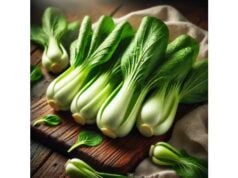
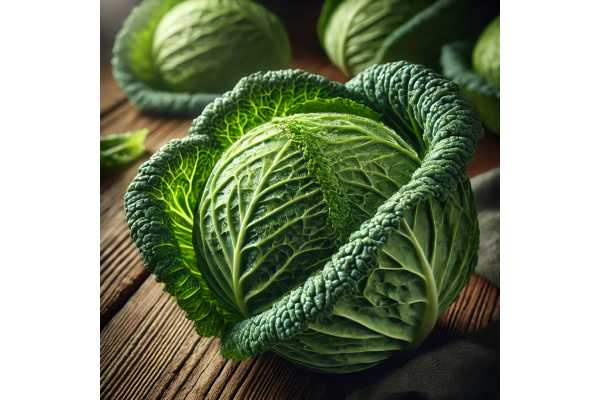
Cabbage belongs to the species Brassica oleracea and comes in several common types: green, red (or purple), Savoy, Napa (Chinese cabbage), and smaller “pointed” or cone-shaped heads. Green and red cabbage are dense and tightly packed, with a mild to peppery flavor. Savoy has crinkled, tender leaves and a more delicate taste, while Napa is lighter and juicy, often used in East Asian dishes and ferments.
These varieties are interchangeable in many recipes, but each brings small differences in texture and nutrition. Red cabbage, for example, is richer in anthocyanin pigments, while Napa tends to have a slightly higher water content and softer crunch. Fresh cabbage is sold whole, halved, pre-shredded, or fermented as sauerkraut and kimchi. You may also find it frozen or in mixed vegetable blends.
Culinary uses are broad:
- Raw: salads, coleslaw, finely shredded toppings for tacos, grain bowls, and sandwiches.
- Cooked quickly: stir-fries, sautéed sides, skillet “fried” cabbage with onions or spices.
- Slow-cooked: soups, stews, braises, stuffed cabbage rolls.
- Fermented: sauerkraut, kimchi, curtido, and other regional pickle-style dishes.
Because cabbage holds its structure better than many leafy greens, it works well in meal prep. Shredded cabbage can last a few days in the fridge for fast salads and stir-fries. Fermented cabbage products can last weeks to months when stored properly, offering both flavor and a source of live microbes.
From a practical standpoint, cabbage is also budget-friendly and widely available year-round. This makes it a useful “base vegetable” for stretching meals, adding bulk and fiber without many calories or significant cost. It pairs particularly well with legumes, potatoes, pork, smoked meats, and robust spices such as caraway, cumin, chili, and garlic.
Cabbage nutrition facts and key nutrients
Nutrition values below refer to raw green cabbage, per 100 g. Cooking, variety, and processing (such as fermentation) change these numbers slightly, but the overall pattern remains similar.
Macros and electrolytes (per 100 g raw)
| Nutrient | Amount per 100 g | %DV* |
|---|---|---|
| Energy | 25 kcal | 1% |
| Carbohydrate | 5.8 g | 2% |
| Dietary fiber | 2.5 g | 9% |
| Total sugars | 3.2 g | — |
| Protein | 1.3 g | 3% |
| Total fat | 0.1 g | 0% |
| Saturated fat | 0.0 g | 0% |
| Sodium | 18 mg | 1% |
| Potassium | 170 mg | 5% |
| Water | 92.2 g | — |
Cabbage is a low-energy, low-fat vegetable with modest carbohydrates and useful fiber. Its high water content contributes to hydration and volume, supporting fullness on relatively few calories.
Vitamins (per 100 g raw)
| Vitamin | Amount per 100 g | %DV* |
|---|---|---|
| Vitamin C (ascorbic acid) | ~37 mg | 41% |
| Vitamin K (phylloquinone) | ~76 µg | 63% |
| Folate (vitamin B9) | ~43 µg | 11% |
| Vitamin B6 (pyridoxine) | ~0.12 mg | 9% |
| Vitamin B1 (thiamin) | ~0.06 mg | 5% |
| Vitamin B2 (riboflavin) | ~0.04 mg | 3% |
| Vitamin B3 (niacin) | ~0.23 mg | 1% |
| Vitamin B5 (pantothenic acid) | ~0.21 mg | 4% |
| Vitamin A (retinol activity equivalents) | ~5 µg | 1% |
Vitamin C and vitamin K stand out. A modest serving of cabbage can cover a significant portion of daily needs for both, supporting immune function, collagen formation, blood clotting, and bone health. Folate and vitamin B6 contribute to red blood cell formation and homocysteine metabolism.
Minerals and trace elements (per 100 g raw)
| Mineral | Amount per 100 g | %DV* |
|---|---|---|
| Calcium | ~40 mg | 4% |
| Magnesium | ~12 mg | 3% |
| Phosphorus | ~26 mg | 4% |
| Potassium | ~170 mg | 5% |
| Manganese | ~0.16 mg | 7% |
| Iron | ~0.47 mg | 6% |
| Zinc | ~0.18 mg | 2% |
| Copper | ~0.02 mg | 2% |
| Selenium | ~0.3 µg | 1% |
Cabbage is not an especially dense source of any single mineral but provides small amounts of several, particularly manganese and potassium. As part of an overall pattern that includes other vegetables, pulses, nuts, and seeds, it helps support electrolyte balance and micronutrient sufficiency.
Bioactive compounds and other components
Cabbage contains:
- Glucosinolates, which can be converted into isothiocyanates when the vegetable is chopped or chewed.
- Polyphenols and flavonoids, especially in red cabbage, which add antioxidant and anti-inflammatory potential.
- Prebiotic fibers and oligosaccharides that can feed beneficial gut bacteria.
Fermented forms like sauerkraut and kimchi also contain organic acids (such as lactic acid) and live microorganisms while retaining many vitamins. However, sodium levels in fermented cabbage can be high, which matters for people managing blood pressure.
*%DV values are approximate and based on a 2,000 kcal diet. Daily needs vary by age, sex, and health status.
Health benefits of cabbage explained
Cabbage is often described as a “humble” vegetable, but its nutrient and phytochemical profile supports several important aspects of health when eaten regularly as part of a varied diet.
1. Support for cardiovascular health
Cabbage is naturally low in sodium and rich in potassium, which helps counterbalance sodium’s effects on blood pressure. Diets that emphasize vegetables, including cruciferous types such as cabbage, are associated with lower rates of hypertension and cardiovascular disease. Controlled trials with cruciferous vegetables suggest improvements in blood pressure and vascular function compared with other vegetable types when portions are generous and intake is consistent.
The fiber in cabbage, though moderate per serving, contributes to total daily fiber intake. Higher fiber intake is associated with lower LDL cholesterol, more stable blood sugar, and lower overall cardiovascular risk.
2. Antioxidant and anti-inflammatory effects
Vitamin C, polyphenols, and sulfur-containing compounds in cabbage help neutralize reactive oxygen species and support the body’s antioxidant defenses. Red cabbage, in particular, is rich in anthocyanins, the pigments that give it a purple color. These compounds have been linked with improved vascular function and reduced markers of inflammation in observational and experimental studies.
Fermented cabbage products such as sauerkraut and kimchi may enhance these effects by providing additional bioactive metabolites formed during fermentation. Some research suggests that fermented plant foods can modulate immune responses and help maintain a more balanced inflammatory profile.
3. Digestive health and gut microbiota
Cabbage contains both soluble and insoluble fiber, which contribute to stool bulk, regular bowel movements, and a healthier colonic environment. Fiber fermentation in the large intestine produces short-chain fatty acids like butyrate, which nourish colon cells and may support gut barrier integrity.
When cabbage is fermented, lactic acid bacteria and their metabolites add another layer of benefit. Regular intake of fermented foods is associated with increased diversity in the gut microbiota and changes in microbial composition that may favor metabolic, immune, and mental well-being. Sauerkraut and kimchi typically contain a mix of lactic acid bacteria strains that can survive transit through the gastrointestinal tract in meaningful numbers.
4. Metabolic and weight management support
Cabbage is low in calories but high in volume and crunch, which can help increase satiety without adding much energy. Using shredded cabbage to bulk out stir-fries, stews, or grain dishes is a practical way to reduce calorie density while maintaining portion size and satisfaction.
The combination of fiber, low glycemic impact, and micronutrients may support better blood sugar control and a healthier metabolic profile over time. Cruciferous vegetable intake has been associated with reduced risk of type 2 diabetes in long-term population studies, although cabbage alone is only one component of a broader pattern.
5. Possible cancer-protective properties
Glucosinolates in cabbage can be converted into isothiocyanates and indoles, which influence detoxification enzymes, hormone metabolism, and cell-signaling pathways involved in carcinogenesis. Higher cruciferous vegetable intake is associated with lower risk of some cancers in observational research, particularly cancers of the digestive and urinary tracts.
These findings do not mean cabbage prevents cancer by itself, but they support including cruciferous vegetables as part of a dietary pattern that emphasizes whole plant foods, limited processed meat, and appropriate body weight.
Cabbage safety, allergies and interactions
For most people, cabbage is safe and well tolerated when eaten in typical food amounts. However, there are some considerations for sensitive groups and specific medical conditions.
Digestive discomfort and FODMAPs
Cabbage contains fermentable carbohydrates (FODMAPs) that can be difficult to tolerate for individuals with irritable bowel syndrome or other functional gut disorders. Symptoms may include gas, bloating, and abdominal discomfort, especially with large servings of raw cabbage.
Practical strategies include:
- Choosing smaller portions (for example, ¼–½ cup raw at a time).
- Preferring cooked over raw cabbage, as cooking can make it easier to tolerate.
- Trialling different varieties; some people tolerate Napa or Savoy better than dense white or red heads.
Thyroid function and goitrogens
Like other cruciferous vegetables, raw cabbage contains glucosinolates that can form goitrogenic compounds, potentially interfering with thyroid hormone production when iodine intake is low. For healthy individuals with adequate iodine status, moderate consumption of raw and cooked cabbage as part of a varied diet is not considered a concern.
However, people with diagnosed hypothyroidism, those taking thyroid hormone replacement, or individuals with iodine deficiency should:
- Avoid excessive daily intake of large amounts of raw cabbage juice or very high raw portions.
- Prefer cooked cabbage, as heat inactivates much of the enzyme responsible for forming goitrogenic compounds.
- Discuss their overall diet, iodine intake, and cruciferous vegetable consumption with a healthcare professional.
Interactions with blood-thinning medication
Cabbage is relatively high in vitamin K, which plays a key role in blood clotting. People taking vitamin K–antagonist anticoagulant drugs are usually advised to keep their intake of vitamin K–rich foods, including cabbage, consistent from week to week rather than eliminating them.
Sudden large increases or decreases in cabbage intake can affect how these medicines work. Anyone on such medication should follow individual guidance from their prescribing clinician or anticoagulation clinic.
Allergy and intolerance
True allergy to cabbage is uncommon but can occur, often in people who are also sensitive to other brassicas or pollen. Symptoms may include oral itching, hives, gastrointestinal upset, or, rarely, more severe reactions. If you suspect a food allergy, seek prompt medical evaluation rather than self-diagnosing.
Fermented cabbage products
Sauerkraut and kimchi are generally safe but can be high in sodium, which matters for individuals managing high blood pressure or kidney disease. Homemade ferments should be prepared with clean equipment, sufficient salt, and proper submersion and temperature control to reduce the risk of spoilage organisms. People with compromised immunity should be especially cautious with unpasteurized fermented foods and discuss them with their healthcare team.
Choosing cabbage quality, storage and sustainability
Cabbage is naturally suited to cool climates and stores well, which reduces food waste and makes it a sustainable choice compared with many perishable vegetables.
Selecting fresh, high-quality cabbage
When choosing whole heads:
- Look for firm, dense heads relative to their size.
- Outer leaves should be crisp, not slimy or significantly wilted.
- Avoid heads with black spots, large cracks, or signs of mold at the stem.
- For red cabbage, choose vibrant, deep color; for green, a fresh light or medium green hue.
Pre-shredded cabbage and coleslaw mixes are convenient but may lose vitamin C more quickly than intact heads due to cut surfaces. If you use pre-cut products, check the date and choose those that look fresh and crisp with minimal browning.
Storage and shelf life
Whole cabbage stores well in the crisper drawer of the refrigerator:
- Keep it unwashed and loosely wrapped or in a perforated bag to allow some airflow.
- Most firm-headed varieties last 2–3 weeks; some can keep even longer if very fresh.
- Napa and other delicate varieties may last closer to 1 week.
Once cut, wrap leftover cabbage tightly and store in the fridge. Try to use cut cabbage within a few days to limit vitamin C loss and drying. Pre-shredded cabbage is best eaten within a couple of days after opening.
Cooked cabbage dishes typically keep for 3–4 days in the refrigerator in a closed container. Fermented cabbage, such as sauerkraut, may last months if kept cold and submerged in its own brine. Over time, ferments become more sour and the texture may soften, but they remain safe as long as there is no mold, off odors, or discoloration.
Sustainability aspects
Cabbage is generally considered a low-impact crop compared with many nutrient-dense foods. It has:
- High yield per unit of land.
- Moderate water and fertilizer requirements.
- Good storage properties, reducing transport losses and household waste.
You can further improve sustainability by:
- Choosing locally grown cabbage in season when possible.
- Using outer leaves and cores in soups, broths, or ferments instead of discarding them.
- Opting for minimal packaging or reusable produce bags.
Even small steps, such as turning leftover cabbage into stir-fries, soups, or quick pickles rather than throwing it away, reduce environmental impact and stretch your food budget.
Cooking cabbage and preserving nutrients
How you prepare cabbage influences both flavor and nutrition. Water-soluble vitamins such as vitamin C and folate are sensitive to heat, oxygen, and prolonged contact with water, while fat-soluble compounds and glucosinolate-derived substances are somewhat more stable.
Preparation basics
- Remove any damaged outer leaves.
- Rinse the head under cool running water.
- Slice off the stem end, cut the cabbage in halves or quarters, then remove the tough central core.
- Shred, slice, or chop according to your recipe.
Chopping cabbage and letting it sit for a few minutes before cooking allows the plant enzyme myrosinase to act on glucosinolates, forming beneficial isothiocyanates. Very high heat for extended periods can reduce these compounds.
Cooking methods and nutrient impact
- Steaming: Gentle steaming preserves more vitamin C and glucosinolates compared with boiling. Aim for 5–7 minutes until tender-crisp.
- Stir-frying or sautéing: Quick cooking in a small amount of oil at medium to high heat keeps texture and much of the flavor, while providing an opportunity to include healthy fats that improve absorption of fat-soluble compounds.
- Microwaving: With minimal water, microwaving is efficient and preserves many nutrients if cooking times are short.
- Boiling: Boiling cabbage in large volumes of water leads to more vitamin loss, as nutrients leach into the cooking liquid. If you boil cabbage, consider using the cooking water as part of soups or stews so the leached nutrients are still consumed.
- Roasting: High heat caramelizes natural sugars, creating sweet, browned edges and deeper flavor. This method may reduce some water-soluble vitamins but can make cabbage more appealing for those who dislike it steamed.
Raw and fermented preparations
Raw cabbage offers the highest vitamin C and a crisp texture suitable for salads and slaws. Combining it with a source of healthy fat, such as olive oil or seeds, may improve absorption of certain phytonutrients.
Fermented cabbage undergoes lactic acid fermentation, in which bacteria convert sugars into lactic acid and other compounds. Fermentation:
- Preserves many vitamins and can even increase some B vitamins.
- Introduces live bacteria that may support gut microbiota diversity.
- Changes flavor, aroma, and texture substantially.
To retain beneficial microbes, add sauerkraut or kimchi near the end of cooking or serve them cold or at room temperature rather than boiling them.
Flavor balancing
Cabbage can taste sulfurous or overly strong if overcooked. To improve palatability:
- Avoid long boiling; aim for tender-crisp rather than mushy texture.
- Pair with acids (vinegar, lemon juice), aromatics (garlic, onion, ginger), and herbs or spices (caraway, dill, chili, cumin).
- Include a small amount of fat for mouthfeel and flavor, such as olive oil, nuts, seeds, or a modest portion of animal fat.
Balancing taste and texture this way makes it easier to include cabbage regularly without relying on heavy sauces or salt.
Cabbage portions, comparisons and faqs
Understanding how much cabbage to eat and how it compares with other vegetables helps you incorporate it sensibly into your routine.
Typical portions and frequency
Common serving sizes are:
- 1 cup (about 75–90 g) raw shredded cabbage.
- ½ cup (about 75 g) cooked cabbage.
- 2–3 tablespoons of sauerkraut or kimchi as a condiment.
For most adults, including cabbage several times per week fits well within the general goal of at least 2½ cups of vegetables per day. People who enjoy it and tolerate it well can safely eat it more often, as long as their overall diet remains varied and balanced.
If you are new to cabbage or prone to digestive discomfort, increase portions gradually over one to two weeks to allow your gut to adapt.
Cabbage compared with other vegetables
- Versus lettuce: Cabbage is denser and richer in vitamin C, vitamin K, and fiber than most lettuce varieties, making it a more nutrient-dense base for salads and slaws.
- Versus kale or broccoli: Kale and broccoli often provide higher amounts of certain nutrients per gram (such as vitamin A or folate), but cabbage still offers a strong profile with better storage life and a milder taste that some people prefer.
- Red vs green cabbage: Red cabbage typically contains more anthocyanins and sometimes higher vitamin C; green cabbage is slightly milder in flavor and often cheaper. Mixing both gives color and nutrient variety.
- Fresh vs fermented: Fresh cabbage offers higher vitamin C when eaten soon after cutting, while fermented cabbage adds probiotics, organic acids, and complex flavors with more sodium.
Frequently asked questions
Is raw cabbage healthier than cooked?
Raw cabbage preserves more vitamin C and myrosinase activity, which can lead to more isothiocyanate formation. Cooked cabbage is easier to digest for many people and still supplies fiber, minerals, and many phytochemicals. A mix of raw and cooked preparations is often ideal.
Is cabbage suitable for low-carb or ketogenic diets?
Yes. Cabbage is relatively low in net carbohydrates and can fit into many low-carb or ketogenic eating plans when portion sizes consider overall carbohydrate limits.
Does cabbage always cause gas?
Not always. Gas production depends on your gut microbiota, portion size, preparation method, and your overall diet. Many people tolerate moderate amounts well, especially when cabbage is cooked and introduced gradually.
Is sauerkraut or kimchi “better” than fresh cabbage?
They are different rather than better or worse. Fermented cabbage provides beneficial microbes and distinct flavor, but usually more sodium. Fresh cabbage offers its own advantages, particularly higher vitamin C when eaten promptly. Including both in small to moderate amounts can be a good strategy.
Can you eat cabbage every day?
Most healthy people can eat cabbage daily in moderate amounts as part of a well-rounded diet. Individuals with thyroid disease, on certain medications, or with significant digestive issues should discuss their ideal intake pattern with a qualified health professional.
References
- Nutrition Facts for Raw Cabbage 2024 (Database)
- Do Brassica Vegetables Affect Thyroid Function?—A Comprehensive Systematic Review 2024 (Systematic Review)
- Cruciferous vegetables lower blood pressure in adults with mildly elevated blood pressure in a randomized, controlled, crossover trial: the VEgetableS for vaScular hEaLth (VESSEL) study 2024 (RCT)
- Anti-Inflammatory and Immunomodulatory Properties of Fermented Plant Foods 2021 (Systematic Review)
- Does Consumption of Fermented Foods Modify the Human Gut Microbiota? 2020 (Systematic Review)
Disclaimer
The information in this article is intended for general educational purposes and does not replace personalized advice from a physician, registered dietitian, or other qualified health professional. Nutrition and health needs vary between individuals, especially for those with medical conditions, on prescription medications, who are pregnant or breastfeeding, or who follow specialized diets. Always consult your healthcare provider before making significant changes to your eating pattern, using fermented foods if your immune system is weakened, or altering medication doses based on dietary choices.
If you found this article helpful, you are warmly encouraged to share it with friends, family, or colleagues on Facebook, X (formerly Twitter), or any platform you prefer. Thoughtful sharing supports our ability to continue creating evidence-based, practical nutrition content for readers like you.