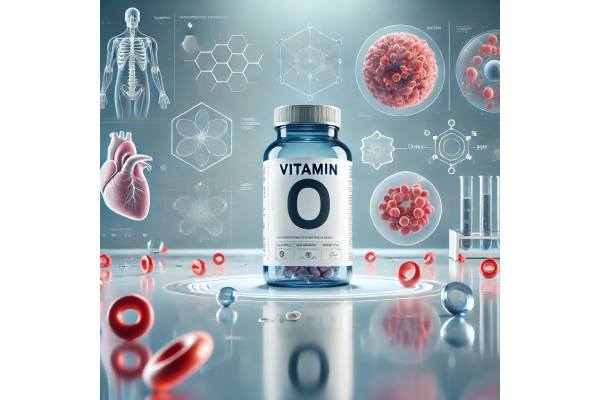
“Vitamin O” is a popular nickname, not a scientifically recognized vitamin. Most often, it refers to liquid “stabilized oxygen” drops marketed for energy, immunity, detox, endurance, and general wellness. The appeal is simple: oxygen is essential for life, so more must be better. In practice, your body already regulates oxygen tightly through breathing, circulation, and red blood cells—and that makes dramatic “oral oxygen” promises hard to deliver.
That does not mean every “Vitamin O” product is automatically harmful. It does mean you should approach it like a marketing term, not a nutrient category like vitamin C or vitamin D. This guide explains what “Vitamin O” usually is, what benefits are plausible (and which are not), how people typically use it, what dosage claims look like, and the most important safety considerations—especially for people with chronic illness or those taking prescription medications.
Essential Insights
- Oxygen is essential for cellular energy, but “Vitamin O” drops have no established, evidence-based health benefit for most people.
- Many products claim support for stamina and recovery; results are inconsistent and often do not translate into meaningful performance changes.
- No medically established dose exists; common label directions often fall around 10–30 drops (about 0.5–1.5 mL) up to 2–3 times daily, diluted.
- Avoid if you are pregnant or breastfeeding, have kidney disease, take anticoagulants, or have a condition where self-treating could delay care.
- Stop and seek medical advice if you develop chest pain, worsening shortness of breath, confusion, severe vomiting, or signs of an allergic reaction.
Table of Contents
- What is vitamin O, really?
- Does vitamin O actually work?
- How do people use vitamin O?
- How much vitamin O should you take?
- Side effects, interactions, and who should avoid it
- What the evidence and regulators say
What is vitamin O, really?
Despite the name, “Vitamin O” is not an essential vitamin your body must obtain from food. It is a branding term that has been used for different oxygen-related products over the years, most commonly:
- “Stabilized oxygen” drops sold as dietary supplements, often based on mineral salts (frequently forms of sodium chlorite or related compounds) in liquid form.
- “Oxygenated water” or beverages marketed with higher dissolved oxygen than typical water.
- Topical products (skin sprays, creams, “oxygen mists”) that use the language of oxygen to suggest freshness or healing.
A true vitamin has a clear definition: it is an organic compound required in small amounts for normal metabolism that the body cannot make in sufficient quantities. Oxygen is essential, but it is a gas your body obtains through the lungs, not a vitamin absorbed like folate or vitamin B12.
Why the idea is so persuasive
Oxygen is tied to energy in a way people can feel. When you climb stairs, your breathing rate rises, your heart beats faster, and “more oxygen” sounds like a direct route to better stamina. But the body’s oxygen delivery system is more complex than simply “adding oxygen” to the stomach:
- Red blood cells carry most oxygen using hemoglobin.
- Your lungs regulate oxygen uptake based on pressure gradients, ventilation, and blood flow.
- Healthy people already run near saturation under normal conditions, leaving little room for extra benefit.
What “stabilized oxygen” usually means
In supplement marketing, “stabilized oxygen” is often described as oxygen “held” in a liquid so it can be used by the body. In chemistry, oxygen is not stable in water at high concentrations at room temperature without special approaches, and even then it readily off-gasses. That does not prove a product is useless, but it explains why many claims are framed in vague language: “supports,” “helps,” “promotes,” and “assists,” rather than concrete, measurable outcomes.
The practical takeaway: treat “Vitamin O” as a category of oxygen-themed supplements, not as a vitamin deficiency solution or a substitute for medical oxygen therapy.
Does vitamin O actually work?
The most honest answer is that it depends on what you mean by “work” and which product you are using. “Vitamin O” claims tend to fall into two buckets:
- General wellness claims (energy, immunity, detox, mental clarity, aging support).
- Performance and recovery claims (endurance, reduced fatigue, faster recovery after workouts).
What is biologically plausible
A small increase in dissolved oxygen intake could, in theory, influence oxygen-related markers in niche situations. Some studies of oxygen-enriched water have explored whether dissolved oxygen intake changes blood oxygen metrics or metabolic outcomes. Even when statistically significant changes are reported, the real-world impact often remains modest, inconsistent, or hard to reproduce across populations.
There is also a strong expectation effect with anything framed as “oxygen” and “energy.” If someone believes a product boosts stamina, they may notice normal day-to-day fluctuations as “proof,” especially when the product is used during lifestyle upgrades (better sleep, more water intake, cleaner eating, more exercise).
Where the claims often overreach
Many marketing statements imply that oxygen can be meaningfully absorbed through the digestive tract and then delivered to tissues in a way that outperforms normal physiology. For most healthy people at sea level:
- Blood oxygen saturation is already high, and the limiting factors for performance are often cardiovascular fitness, muscle efficiency, hydration, glycogen stores, sleep, training load, and stress.
- The gut is not designed as a major oxygen absorption organ, compared with lungs and skin.
Claims such as “reverses disease,” “treats cancer,” “cures infections,” or “replaces medical oxygen” are especially concerning. They are also the types of claims that have attracted regulatory scrutiny in the past.
A practical evidence-based mindset
If you are considering “Vitamin O,” evaluate it like you would any supplement:
- What exact ingredient is it? “Oxygen” is not enough; look for the chemical form and concentration.
- What outcome do you want? Energy, recovery, or symptom relief?
- How will you measure success? For example: resting heart rate, workout performance, perceived exertion, sleep quality, or lab markers under clinician supervision.
- What is the downside? Cost, interactions, side effects, and the risk of delaying proper diagnosis.
If you want better oxygen utilization in daily life, the highest-yield levers are still boring but reliable: aerobic conditioning, strength training, sleep, iron status when indicated, smoking cessation, and treating underlying lung or heart disease.
How do people use vitamin O?
Because “Vitamin O” is not one standardized substance, “use” varies by product type. The most common patterns are oral drops and oxygenated beverages.
Oral drops in water or juice
Most “Vitamin O” drop products are taken diluted, not straight. People typically mix drops into water, juice, or herbal tea. Users often report taking it:
- In the morning for perceived energy and alertness
- Before workouts as a pre-exercise ritual
- After workouts as a recovery routine
- During travel when routines are disrupted and fatigue is common
Practical tip: If the product has a strong taste or causes stomach upset, dilution and taking it with food may help. If you find you “need” larger and larger amounts to feel anything, treat that as a sign to reassess rather than escalate.
Oxygenated water or beverages
Oxygenated drinks are used like normal water—sometimes with the promise of improved hydration and faster recovery. In real life, hydration improvements usually come from simply drinking more fluids. If oxygenated water leads you to drink more consistently throughout the day, that habit alone can improve headaches, perceived energy, and workout quality.
If you use oxygenated water, keep expectations realistic:
- It is not the same as breathing supplemental oxygen.
- It will not reliably fix breathlessness from asthma, COPD, anemia, or heart disease.
- It should not be used to self-treat low oxygen readings.
Topical use
Some products use “oxygen” language for skin care. People apply mists or creams for cosmetic reasons such as “freshness,” “glow,” or post-procedure comfort. Topical products are a different safety category from oral products: ingestion risks and medication interactions are less relevant, but skin sensitivity and ingredient reactions matter more.
What “smart use” looks like
If you decide to try a “Vitamin O” product:
- Start low and track one target outcome (fatigue score, workout pace, sleep, or digestion).
- Run a simple 2-week experiment with consistent sleep and caffeine intake so you are not confusing variables.
- Stop if you notice side effects or if you have any sign of worsening medical symptoms.
- Avoid stacking with multiple stimulants or detox-style products at the same time.
The biggest advantage of a structured approach is that it keeps you from paying for a story instead of a result.
How much vitamin O should you take?
There is no medically established, evidence-based dosage for “Vitamin O” because it is not a recognized essential nutrient and products vary widely in composition. That said, consumers still need practical guidance, so the safest approach is to separate three concepts: label directions, personal tolerance, and medical red lines.
Typical label-style ranges you will see
While directions vary by brand and concentration, common patterns include:
- Low start: 5–10 drops diluted once daily
- Common daily range: 10–30 drops (about 0.5–1.5 mL) diluted, often split into 1–3 doses
- Higher label ranges: sometimes more, especially for “advanced” formulas or short-term “protocols”
Because drops are not a precise medical unit, consider switching to milliliters (mL) for consistency. As a rough estimate, many droppers deliver about 20 drops per mL, but this can vary by dropper design and liquid viscosity. If you want consistency, use a measured dropper or a small oral syringe for dilution volume (not for undiluted concentrated products unless the label clearly allows it).
Timing and duration
If you are using it for “energy,” morning use is the most common. If it affects your stomach, taking it with food may be gentler. For “workout support,” people often take it 30–60 minutes before exercise, but there is no universal best timing supported across products.
A sensible trial window is 2–4 weeks, because many perceived “energy” changes appear quickly if they are going to appear at all. If nothing changes by then, increasing dose indefinitely is rarely a good strategy.
Quality and storage matter more than dose
For oxygen-themed liquids and beverages, storage conditions can affect what you actually consume:
- Heat and repeated opening can reduce dissolved gases over time.
- Concentrated liquids may degrade or change characteristics if stored incorrectly.
- Cross-contamination (touching droppers to mouths, reusing containers) increases spoilage risk.
When to avoid self-dosing entirely
Do not use “Vitamin O” dosing experiments as a substitute for medical evaluation if you have:
- New or worsening shortness of breath
- Chest pain, fainting, or irregular heartbeat
- Persistent fatigue with unexplained weight loss, fever, or night sweats
- Suspected anemia, sleep apnea, lung disease, or heart disease
If oxygen is genuinely the issue, the right solution is diagnosis and targeted care—not a supplement label protocol.
Side effects, interactions, and who should avoid it
Safety depends on what the product contains. “Vitamin O” labeling can obscure the actual chemical story, so your first safety step is to read the ingredient panel carefully.
Common side effects people report
With oral “oxygen” drops and similar products, side effects can include:
- Stomach upset, nausea, or cramping
- Diarrhea or changes in bowel habits
- Throat irritation if taken undiluted
- Headache or lightheadedness (sometimes from dehydration, caffeine stacking, or expectation-driven changes in activity)
With topical products, watch for:
- Skin irritation, redness, burning, or itching
- Worsening of eczema or rosacea in sensitive individuals
Potential interaction concerns
Because “Vitamin O” products vary, interaction risk is product-specific. Still, you should be extra cautious if you:
- Take anticoagulants or antiplatelet drugs (for example, warfarin)
- Use thyroid medication, blood pressure medication, or diabetes medication where small changes in routine can affect symptoms and lab values
- Use multiple supplements marketed for “detox,” “immune cleanse,” or “microbial balance,” since combined formulas can raise the chance of GI distress and unpredictable reactions
If you are on prescription medication, it is smart to bring the bottle (or a photo of the label) to a pharmacist or clinician and ask specifically about interactions and safety.
Who should avoid vitamin O products
Avoid or only use under clinician guidance if you are:
- Pregnant or breastfeeding
- A child or adolescent (unless a clinician recommends a specific product)
- Living with kidney disease, liver disease, or a complex chronic condition
- Managing a condition where symptoms may be falsely reassured by “more oxygen” marketing (asthma, COPD, heart failure, anemia, sleep apnea)
Red flags that should end use immediately
Stop using the product and seek medical help if you experience:
- Swelling of lips, tongue, or throat; hives; wheezing (possible allergic reaction)
- Severe vomiting, severe diarrhea, or signs of dehydration
- Confusion, severe dizziness, fainting, or severe headache
- Chest pain, blue lips, or worsening shortness of breath
A final caution: if a “Vitamin O” product is marketed with disease-treatment claims, that is not just an advertising style choice—it may signal poor compliance and higher risk behavior in how the product is promoted.
What the evidence and regulators say
“Vitamin O” sits in a tricky space: oxygen is essential, but the delivery method matters more than the concept. This is why scientific and regulatory discussions tend to focus on two themes—physiology and marketing claims.
Physiology: why lungs dominate oxygen delivery
Your body has a specialized organ for oxygen transfer: the lungs. Their structure and surface area are optimized for moving oxygen into blood. In contrast, the digestive tract is optimized for water, electrolytes, and nutrients—not for significantly raising blood oxygen content.
That is also why medical oxygen therapies are typically inhaled or delivered under controlled pressure in specialized settings (for example, clinically supervised hyperbaric oxygen therapy for specific indications). If someone truly has low oxygen, clinicians verify it with pulse oximetry and blood gases, then treat the cause.
What research on oxygenated water suggests
Studies on oxygen-enriched beverages have reported mixed outcomes. Some report changes in select physiological markers, while others show little to no meaningful improvement in performance measures. Even when positive findings exist, they do not automatically validate broad “Vitamin O” supplement claims, because:
- Products differ (drops vs bottled water; different oxygen levels; different stabilizing methods)
- Outcomes differ (blood oxygen metrics vs performance vs subjective energy)
- Many studies involve specific populations, short timeframes, or industry involvement
If you interpret this literature conservatively, the best conclusion is: oral oxygen-related products might influence some markers under certain conditions, but they are not a reliable shortcut to better oxygen delivery for most people.
Regulators: the line between supplement and drug claims
In the United States and many other jurisdictions, supplements cannot legally claim to diagnose, treat, cure, or prevent disease without meeting drug-level standards. “Vitamin O” marketing has drawn attention when claims crossed that line. Regulatory communications and consumer protection actions have historically emphasized that dramatic disease claims require strong evidence and appropriate oversight.
How to spot a high-risk claim profile
Be cautious when a product:
- Claims it treats serious illnesses or replaces medical care
- Uses “secret,” “suppressed,” or “miracle” language
- Avoids stating clear ingredients and concentrations
- Encourages escalating doses beyond the label
- Dismisses all criticism as “mainstream medicine doesn’t want you to know”
If you want the benefits people often seek from “Vitamin O” (energy, recovery, better breathing), the safest and most consistent path is to treat the underlying drivers: sleep, nutrition, iron status when indicated, training, stress, and medical evaluation for persistent symptoms.
References
- Vitamin O | Memorial Sloan Kettering Cancer Center 2022 (Monograph)
- R-Garden LLC – 591065 – 02/05/2020 | FDA 2020 (Regulatory)
- Effects of water stably-enriched with oxygen as a novel method of tissue oxygenation on mitochondrial function, and as adjuvant therapy for type 2 diabetes in a randomized placebo-controlled trial 2021 (RCT)
- Vitamin O: Health Benefits, Side Effects, Uses, Dose & Precautions 2025 (Monograph)
- Frequently Asked Questions about Vitamin O 2025 (Manufacturer Information)
Disclaimer
This article is for educational purposes only and does not provide medical advice, diagnosis, or treatment. “Vitamin O” is a marketing term used for different products, and ingredients and concentrations can vary widely between brands. If you are pregnant, breastfeeding, have a chronic medical condition, take prescription medications (especially anticoagulants), or have symptoms such as chest pain, worsening shortness of breath, fainting, or severe gastrointestinal distress, consult a qualified healthcare professional before using any oxygen-themed supplement or beverage. In emergencies or severe symptoms, seek urgent medical care.
If you found this guide helpful, please share it on Facebook, X (formerly Twitter), or any platform you prefer, and follow us on social media. Your support through sharing helps our team continue producing high-quality, reliable content.