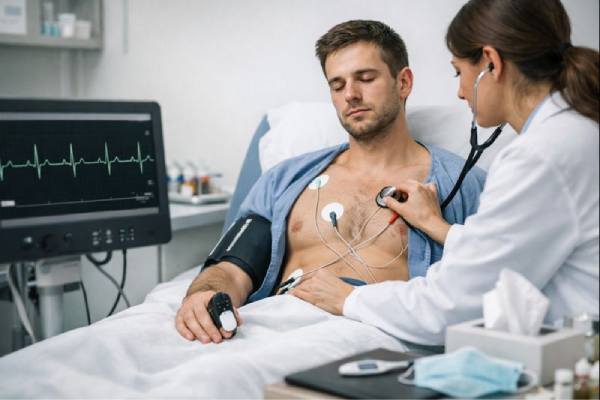
Coxsackie myocarditis is a form of myocarditis—inflammation of the heart muscle—triggered by Coxsackie viruses, most often Coxsackie B. Many people first feel it like a stubborn “flu” that suddenly turns into chest pain, shortness of breath, or an unsettling flutter in the chest. Others feel only fatigue that lingers long after the fever is gone. Because symptoms can be mild at the start and then change quickly, this condition is easy to underestimate. The stakes are real: inflammation can weaken the heart’s pumping strength or disrupt its rhythm, sometimes abruptly. Still, most patients recover well with timely care, smart activity limits, and the right follow-up. This guide explains what’s happening, how doctors confirm the diagnosis, which treatments actually help, and how to plan your recovery safely.
Table of Contents
- What it is and what it does to the heart
- How Coxsackie virus triggers myocarditis
- Risk factors and who gets sicker
- Symptoms and complications to watch for
- How doctors diagnose Coxsackie myocarditis
- Treatment, recovery, and long-term management
What it is and what it does to the heart
Myocarditis means the heart muscle becomes inflamed. In Coxsackie myocarditis, that inflammation is set off by a Coxsackie virus infection—usually the same type of virus family that can cause common childhood illnesses and “summer colds.” The heart is not the usual target, but in a small number of people, the immune response and viral effects spill into the heart muscle.
To understand symptoms, it helps to know what inflammation does to heart tissue:
- It weakens contraction. The heart muscle can become “stunned,” so it pumps less effectively. This can look like new shortness of breath, reduced exercise tolerance, or fluid retention.
- It irritates the electrical system. Inflamed tissue conducts signals unevenly, raising the chance of palpitations, skipped beats, or fast rhythms.
- It creates swelling and sensitivity. Some people feel sharp or pressure-like chest pain, which may resemble a heart attack.
- It can leave scar tissue. After the acute phase, areas of healing may become small scars that can matter for future rhythm risk in some patients.
Coxsackie myocarditis exists on a spectrum. Some cases are mild and self-limited, discovered only because a blood test shows heart muscle injury. Others are fulminant (sudden and severe), with rapid heart failure symptoms and low blood pressure that require ICU-level support. There is also a less obvious pattern where symptoms improve, but the heart remains weakened for months—sometimes progressing to a dilated cardiomyopathy (an enlarged, weaker heart).
A crucial practical point: the early phase often overlaps with a typical viral illness. When “normal flu” symptoms suddenly pair with chest pain, fainting, or unexplained breathlessness, that combination deserves urgent evaluation. Myocarditis is not rare in emergency rooms, and it is not something to “push through” with intense workouts or stimulants.
How Coxsackie virus triggers myocarditis
Coxsackie viruses are part of the enterovirus family. Many infections stay in the throat or gut and resolve without consequence. Myocarditis happens when the virus and the body’s defense response affect heart muscle cells.
Step 1: Viral entry and early injury
After exposure—often through respiratory droplets or contact with contaminated surfaces—Coxsackie virus replicates in the upper airway or gastrointestinal tract. In some people, it spreads through the bloodstream. If the virus reaches the heart, it may infect heart muscle cells and supporting cells, causing direct injury. Even small amounts of early damage can release heart proteins into the blood, which is why troponin (a marker of heart muscle injury) may rise.
Step 2: Immune response that overshoots
The immune system tries to clear the virus. This is essential, but it can become excessive:
- Immune cells release inflammatory signals that recruit more cells into the heart.
- Swelling and local “chemical stress” reduce how strongly the heart contracts.
- Electrical pathways become unstable, increasing the chance of rhythm problems.
In many cases, this immune phase causes more of the symptoms than the virus itself. That’s one reason people can feel worse several days after the fever improves.
Step 3: Healing, scarring, or persistence
Most people move into recovery: inflammation resolves and the heart regains strength over weeks to months. Some people, however, may have lingering inflammation or develop small areas of scar. This matters because scar can act like a “speed bump” for electrical signals, which can increase rhythm risk in a minority of patients—especially if the heart’s pumping function remains reduced.
Why testing for Coxsackie can be tricky
People often ask, “Can you prove Coxsackie caused it?” Sometimes yes, but not always. Blood antibody tests may show past exposure rather than current heart infection, and many adults have been exposed at some point. Nasal or stool tests can show an enterovirus infection but do not confirm the virus is in the heart. Definitive proof may require specialized testing on heart tissue, which is reserved for select cases.
The practical takeaway: treatment decisions usually focus on how severe the heart involvement is now, not just the name of the virus.
Risk factors and who gets sicker
Anyone can develop viral myocarditis, including healthy athletes and people with no heart history. Still, certain factors raise either the chance of myocarditis or the risk of a more severe course.
Who is more likely to be affected
- Children and young adults: enteroviruses circulate widely in these groups, and myocarditis is an uncommon but recognized complication.
- People exposed to outbreaks in schools, daycare, dorms, or crowded households.
- Those with high viral exposure (frequent close contact, poor hand hygiene conditions, or caring for sick children).
Who is more likely to get seriously ill
Severity depends on both the virus and the host response. Higher-risk situations include:
- Newborns and young infants, who can develop severe enteroviral disease because their immune systems are still developing.
- People with weakened immunity, such as those on certain cancer therapies, high-dose steroids, anti-rejection medications, or with advanced immune disorders.
- Pregnancy and the postpartum period, when immune balance shifts; symptoms can be missed because fatigue and breathlessness already feel “explainable.”
- Male sex and younger age are commonly seen in myocarditis populations, though women can be affected and may present differently (sometimes with more subtle fatigue or breathlessness).
- Genetic susceptibility: some people appear to have an inherited tendency toward inflammatory heart injury or rhythm vulnerability. This becomes more important when myocarditis is severe, recurrent, or linked to a family history of cardiomyopathy or sudden death.
Risk factors that worsen outcomes after the diagnosis
Even after myocarditis is recognized, certain behaviors and exposures can increase risk:
- Continuing intense exercise during the active inflammation phase
- Stimulant use (including cocaine, amphetamines, or high-dose “pre-workout” products)
- Alcohol binges while the heart is healing
- Skipping follow-up testing after symptoms improve
If you want one memorable rule: myocarditis is a condition where feeling better does not always mean the heart is fully healed. A safe plan depends on reassessment, not just symptom relief.
Symptoms and complications to watch for
Coxsackie myocarditis can mimic common illnesses at first. Many people recall a viral prodrome—sore throat, fever, body aches, nausea, or diarrhea—followed by new heart-related symptoms days later.
Common symptoms
Symptoms often fall into three clusters:
- Chest discomfort
- Pressure, tightness, burning, or sharp pain
- Pain that worsens with deep breaths can occur, especially if the outer heart lining is also inflamed
- Breathing and stamina changes
- Shortness of breath with activity or when lying flat
- Unusual fatigue that feels “out of proportion”
- Reduced ability to climb stairs or do normal workouts
- Rhythm symptoms
- Palpitations (fluttering, racing, pounding)
- Lightheadedness
- Near-fainting or fainting
Some people—especially athletes—notice performance collapse: a run that used to feel easy suddenly becomes impossible, or heart rate spikes strangely with light effort.
Complications that deserve respect
Most cases improve with supportive care, but clinicians watch for:
- Heart failure: fluid retention, ankle swelling, rapid weight gain over days, or waking at night gasping for air.
- Serious arrhythmias: sustained fast rhythms can cause fainting and, rarely, cardiac arrest.
- Clot risk: if the heart’s pumping is significantly reduced, blood flow can stagnate and clots can form.
- Longer-term weakness: a subset develops ongoing reduced heart function that needs heart-failure medications and longer follow-up.
When to seek urgent care
Seek emergency evaluation if you have:
- Chest pain lasting more than a few minutes, especially with sweating, nausea, or breathlessness
- Fainting, near-fainting, or severe dizziness
- New shortness of breath at rest, bluish lips, or confusion
- Rapid, sustained pounding heartbeat that does not settle quickly
- New swelling with rapid weight gain over 48–72 hours
These symptoms can overlap with heart attack and other emergencies. It is safer to be evaluated promptly than to guess at home.
How doctors diagnose Coxsackie myocarditis
Diagnosis is a mix of pattern recognition, tests that show heart injury or inflammation, and tests that rule out other dangerous causes—especially coronary artery blockages in appropriate age groups.
What clinicians look for first
Your story matters. Doctors pay close attention to:
- Recent viral symptoms (fever, sore throat, diarrhea)
- New chest pain, breathlessness, or palpitations
- Exercise intolerance that is sudden or extreme
- Fainting or near-fainting
- Any family history of cardiomyopathy or sudden death
They also assess vital signs and signs of fluid overload, such as leg swelling or lung crackles.
Core tests
Common early testing includes:
- ECG: may show nonspecific changes, extra beats, or more concerning rhythm abnormalities.
- Blood tests
- Troponin: indicates heart muscle injury (often elevated in myocarditis, but patterns vary).
- BNP or NT-proBNP: helps assess heart strain and heart failure risk.
- Inflammatory markers may be checked, but normal results do not exclude myocarditis.
- Echocardiogram (ultrasound): evaluates pumping strength, chamber size, and whether fluid surrounds the heart.
- Chest imaging: used when breathlessness is prominent or lung congestion is suspected.
Cardiac MRI as a key tool
Cardiac MRI can show swelling and injury patterns that support myocarditis. It also helps estimate prognosis by identifying whether there is residual inflammation or scar. MRI findings can shape follow-up timing and activity recommendations.
Ruling out coronary disease
If symptoms and ECG changes look like a heart attack, doctors may use coronary CT angiography or invasive angiography to check for blocked arteries—because myocarditis and heart attack can look similar at first.
When biopsy or advanced testing is considered
An endomyocardial biopsy (sampling a small piece of heart tissue) is not routine for every patient. It is typically reserved for higher-risk scenarios, such as:
- Rapidly worsening heart failure or shock
- Dangerous arrhythmias
- Failure to improve with standard care
- Suspicion of a specific treatable cause (for example, certain autoimmune patterns)
Viral testing for Coxsackie may be done from respiratory or stool samples, but proving Coxsackie as the cause of heart inflammation is not always possible or necessary for safe care. The priority is determining severity and guiding treatment.
Treatment, recovery, and long-term management
Treatment depends on severity. Mild cases may be managed with close monitoring and rest. Severe cases require hospital care, sometimes intensive care.
Acute treatment priorities
Clinicians focus on four essentials:
- Stabilize circulation and oxygenation
If blood pressure is low or breathing is labored, hospital teams provide oxygen, IV medications, and careful fluid management. - Treat heart failure symptoms (if present)
When the heart’s pumping is reduced, doctors often use standard heart-failure therapies to reduce strain and fluid overload. In more severe cases, temporary mechanical support may be needed while the heart recovers. - Manage arrhythmias safely
Palpitations may be benign or serious. Continuous monitoring in the hospital is common when there is fainting, significant rhythm disturbance, or reduced pumping function. Some patients need anti-arrhythmic medication or temporary pacing in specific situations. - Avoid harmful exposures during active inflammation
Alcohol binges, stimulants, and intense exercise can raise risk. Patients are usually advised to avoid competitive sports and vigorous training during the acute phase.
Do antivirals or immune treatments help?
For most viral myocarditis, care is largely supportive because specific antivirals for Coxsackie are not routinely used in standard practice. Immune-directed therapy may be considered in selected scenarios—especially when biopsy or clinical features suggest a non-viral immune process or a specific inflammatory subtype. This is a specialist decision because suppressing the immune system at the wrong time can be harmful.
Recovery timeline and activity guidance
Many people start to feel better over weeks, but recovery of heart tissue can take months. A typical approach includes:
- A period of exercise restriction, often measured in months rather than days, especially for athletes and anyone with abnormal MRI, reduced pumping function, or significant arrhythmias.
- Reassessment before return to intense activity, which may include ECG, rhythm monitoring, echocardiogram, and sometimes repeat MRI.
- A gradual return-to-activity plan, starting with light walking and slowly increasing intensity only if symptoms and tests support it.
Living well after myocarditis
Practical steps that improve safety:
- Keep a symptom log for chest pain, breathlessness, palpitations, and daily weight.
- Avoid “energy boosters” and unregulated supplements during recovery.
- Prioritize sleep and hydration; treat fever and dehydration early during future viral illnesses.
- If your heart function is reduced, take medications consistently and attend follow-up even if you feel well.
Many patients recover fully. The best outcomes come from early recognition, appropriate testing, and a recovery plan that respects the heart’s healing timeline.
References
- 2025 ESC Guidelines for the management of myocarditis and pericarditis 2025 (Guideline)
- 2024 ACC Expert Consensus Decision Pathway on Strategies and Criteria for the Diagnosis and Management of Myocarditis: A Report of the American College of Cardiology Solution Set Oversight Committee 2025 (Guideline)
- Management of acute myocarditis: a systematic review of clinical practice guidelines and recommendations 2024 (Systematic Review)
- Acute myocarditis: 2024 state of the art 2025 (Review)
- Global landscape of coxsackieviruses in human health 2024 (Review)
Disclaimer
This article is for educational purposes only and does not provide medical advice, diagnosis, or treatment. Myocarditis symptoms can overlap with medical emergencies such as heart attack and dangerous heart rhythm disorders. If you have new, severe, or persistent chest pain; fainting; severe shortness of breath; or a sustained rapid heartbeat, seek emergency care immediately. Do not start, stop, or change prescription medicines or exercise intensity without guidance from a licensed clinician who can assess your history, exam, and test results.
If this article helped you, please share it on Facebook, X (formerly Twitter), or any platform you prefer, and follow us on social media. Your support through sharing helps our team continue producing clear, practical health content.