An enlarged heart—often called cardiomegaly—means the heart looks bigger than expected for a person’s body size. That “bigger” can happen in two main ways: the heart muscle can thicken, or the heart chambers can stretch and widen. Sometimes enlargement is a short-term response to a clear stressor, such as pregnancy, severe infection, or a temporary rhythm problem. More often, it is a sign that the heart has been working under strain for months or years, commonly from high blood pressure, valve disease, or heart muscle conditions.
Because many people feel normal early on, an enlarged heart is often discovered on a chest X-ray or an echocardiogram during an evaluation for breathlessness, fatigue, or a murmur. Understanding why the heart enlarged matters, because the cause guides treatment and often determines whether the heart can return toward normal size and function.
Table of Contents
- What an enlarged heart means
- What causes the heart to enlarge
- Symptoms and complications to watch for
- How doctors diagnose an enlarged heart
- Treatments that help and what to expect
- Living well, prevention, and when to get urgent care
What an enlarged heart means
“Enlarged heart” is a description, not a single diagnosis. It tells you the heart’s size or shape has changed, but it does not tell you why—or whether the change is mild, severe, temporary, or long-standing.
The heart can enlarge in a few distinct patterns:
- Thickened muscle (hypertrophy): The heart wall becomes thicker, usually because it has been pushing against higher pressure. Long-term high blood pressure and certain valve problems commonly lead to this. A thicker wall can be strong at first, but over time it may become stiff and fill poorly.
- Stretched chambers (dilation): One or more chambers widen and the walls may thin. This can happen when the heart muscle is weakened, when valves leak heavily, or after a heart attack. A dilated chamber often pumps less effectively.
- Right-sided enlargement: The right side can enlarge from lung-related pressure problems (pulmonary hypertension), chronic lung disease, or certain congenital heart conditions.
- “Athlete’s heart” (physiologic enlargement): Some endurance athletes develop a larger, more efficient heart as a healthy adaptation. This usually comes with excellent exercise capacity and normal heart function tests. It should be distinguished from disease-related enlargement.
A chest X-ray may suggest cardiomegaly, but it can be misleading. The heart may appear large because of the imaging angle, lung volume, body habitus, or fluid around the heart. That is why clinicians confirm the finding with heart imaging—most often an echocardiogram—so they can measure chamber size, wall thickness, pumping function, and valve performance.
A useful way to think about it: enlargement is the heart’s “remodeling response.” The heart remodels to keep blood moving despite stress. Early remodeling can be compensatory. Persistent remodeling, however, raises the risk of heart failure symptoms, rhythm problems, and other complications. The goal of modern care is to identify the stressor driving remodeling, treat it early, and—when possible—reverse the enlargement over time.
What causes the heart to enlarge
Most enlarged hearts are caused by common conditions that quietly strain the heart over years. Less often, enlargement follows an acute event such as a viral myocarditis (inflammation of the heart muscle) or a toxin exposure. The practical approach is to separate causes that primarily create pressure overload, those that create volume overload, and those that directly injure the heart muscle.
Common causes
- High blood pressure: The heart must pump against higher resistance, often leading to thickened left ventricular muscle. If untreated, stiffness and eventually weakening can follow.
- Valve disease:
- Aortic stenosis (tight aortic valve) creates pressure overload and thickening.
- Mitral or aortic regurgitation (leaky valves) create volume overload and chamber dilation.
- Coronary artery disease and prior heart attack: Loss of healthy muscle can lead to dilation and reduced pumping strength.
- Cardiomyopathies (heart muscle diseases): Dilated cardiomyopathy is a frequent reason for an enlarged, weakened heart. Some cases are genetic; others relate to infection, inflammation, alcohol, toxins, or remain unexplained.
- Arrhythmias: Persistent fast rhythms (such as uncontrolled atrial fibrillation or atrial flutter) can weaken the heart over months—sometimes called tachycardia-induced cardiomyopathy—and may improve when the rhythm or rate is controlled.
- Pregnancy-related (peripartum cardiomyopathy): A rare condition that can cause heart enlargement and weakness late in pregnancy or after delivery.
Less common but important causes
- Infiltrative conditions: Disorders like amyloidosis can thicken the heart while reducing its flexibility.
- Endocrine and metabolic issues: Overactive thyroid, severe anemia, and some nutritional deficiencies can force the heart to pump harder and enlarge.
- Sleep-disordered breathing: Untreated sleep apnea can worsen blood pressure, strain the right heart, and aggravate remodeling.
- Chronic lung disease or pulmonary hypertension: These increase right-sided pressures, enlarging the right ventricle.
- Alcohol and cardiotoxic drugs: Heavy alcohol intake, some chemotherapy agents, and certain stimulants can damage heart muscle.
Risk factors that make enlargement more likely
- Long-standing high blood pressure, diabetes, high LDL cholesterol, and smoking
- Family history of cardiomyopathy or sudden cardiac death at a young age
- Prior chemotherapy or radiation to the chest
- Heavy alcohol use, cocaine/amphetamines, or anabolic steroid use
- Untreated sleep apnea and chronic kidney disease
A key insight: the same “enlarged heart” label can reflect very different conditions—some reversible, some progressive. The cause is the center of the story, and it is often treatable when found early.
Symptoms and complications to watch for
Many people with an enlarged heart have no symptoms at first. The heart may compensate well—until it cannot. When symptoms appear, they typically reflect either reduced forward blood flow, fluid backing up into the lungs or body, or an abnormal heart rhythm.
Common symptoms
- Shortness of breath: first with exertion, later possibly at rest; some people notice needing more pillows to sleep or waking up breathless.
- Fatigue and reduced exercise tolerance: tasks that used to feel easy become draining.
- Swelling in legs, ankles, or abdomen: fluid retention can develop gradually.
- Rapid weight gain over days: often from fluid buildup rather than fat gain.
- Chest discomfort or pressure: especially if coronary artery disease is present.
- Palpitations: a racing, fluttering, or irregular heartbeat.
- Dizziness or fainting: can signal rhythm problems or obstructive valve disease.
How symptoms vary by the type of enlargement
- A stiff, thickened heart may cause breathlessness and exercise intolerance even if pumping strength looks “normal” on basic testing, because the heart fills poorly.
- A dilated, weakened heart often causes both breathlessness and fatigue, plus swelling as fluid accumulates.
- Right-sided enlargement can cause prominent leg swelling, abdominal fullness, and sometimes a sense of pressure under the ribs.
Complications clinicians worry about
- Heart failure: a clinical syndrome where the heart cannot meet the body’s needs without fluid buildup or symptoms. It can be mild or severe and may improve with treatment.
- Atrial fibrillation and other arrhythmias: enlargement stretches the heart’s electrical pathways, making rhythm problems more likely.
- Blood clots and stroke: certain rhythm disorders (especially atrial fibrillation) and severely reduced pumping function can increase clot risk.
- Valve worsening: enlargement can pull valves out of alignment, increasing leakage and creating a cycle of more enlargement.
- Sudden cardiac death: uncommon overall, but risk rises in certain cardiomyopathies and in people with very reduced pumping function or dangerous rhythm patterns.
- Pulmonary hypertension: left-sided heart problems can raise lung pressures over time, straining the right heart.
Symptoms that deserve urgent evaluation
Seek emergency care immediately for:
- Severe chest pain, pressure, or tightness lasting more than a few minutes
- Fainting, near-fainting, or sudden severe dizziness
- New severe shortness of breath, especially with frothy sputum or blue lips
- Fast, irregular heartbeat with weakness, chest discomfort, or breathlessness
- One-sided weakness, facial droop, or speech difficulty (possible stroke)
A practical rule: if symptoms are new, escalating, or interfering with sleep or normal walking, treat them as time-sensitive. Early evaluation often prevents hospitalization and reduces the chance of long-term damage.
How doctors diagnose an enlarged heart
Diagnosis has two jobs: confirm that the heart is truly enlarged, and identify the underlying cause and risk level. Clinicians typically combine history, exam, tests of electrical activity, imaging, and targeted labs.
History and physical exam
A careful history often reveals key clues:
- Duration and pattern of breathlessness, swelling, chest pain, or palpitations
- High blood pressure history and typical home readings
- Alcohol intake, stimulant use, recent viral illness, pregnancy/postpartum status
- Cancer therapy exposure (chemotherapy or chest radiation)
- Family history of cardiomyopathy, heart failure, or sudden death
On exam, clinicians look for:
- Blood pressure, heart rate and rhythm, oxygen level
- Heart murmurs suggesting valve disease
- Lung crackles, leg swelling, neck vein fullness (fluid overload signs)
Core tests
- Electrocardiogram (ECG): detects rhythm problems, prior heart attack patterns, and clues to thickened heart muscle.
- Chest X-ray: may show a large cardiac silhouette and fluid in the lungs, but it cannot define the heart’s structure or function reliably on its own.
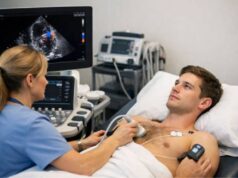
- Echocardiogram (ultrasound of the heart): the central test for most people. It measures chamber size, wall thickness, pumping strength, valve function, and estimates lung pressures. It can also suggest specific causes such as cardiomyopathy patterns or severe valve disease.
Additional testing when needed
- Blood tests: often include kidney function, electrolytes, blood count (anemia), thyroid function, liver tests, and markers of heart strain (such as natriuretic peptides) when heart failure is suspected.
- Cardiac MRI: offers detailed structure and tissue characterization. It helps distinguish scarring from inflammation and can clarify cardiomyopathy type when echo findings are uncertain.
- Stress testing or coronary imaging: used when coronary artery disease is suspected or symptoms suggest reduced blood flow to the heart.
- Ambulatory rhythm monitoring (Holter or patch monitor): evaluates frequent palpitations, fainting spells, or suspected atrial fibrillation.
- Genetic counseling/testing: considered when cardiomyopathy is suspected, especially with early onset, multiple affected relatives, or certain imaging patterns.
Common “look-alikes” and pitfalls
- A heart can appear large on X-ray because of fluid around the heart or technical factors. Echo clarifies this quickly.
- Some athletes have normal physiologic enlargement; differentiating this from early cardiomyopathy may require careful imaging, exercise history, and occasionally follow-up testing after detraining.
- A single measurement rarely settles the question. Clinicians interpret heart size alongside function, symptoms, blood pressure, and valve status.
Good diagnosis ends with a clear plan: what caused the enlargement, whether there is immediate danger, what treatments are most likely to help, and what monitoring is needed over time.
Treatments that help and what to expect
Treatment targets the driver of enlargement and reduces the heart’s workload so remodeling can stabilize or reverse. The plan differs depending on whether the heart is thickened, dilated, weak, or strained by valve or rhythm problems.
When high blood pressure is the main cause
Lowering blood pressure is one of the most effective ways to prevent progression and support regression of thickening. Clinicians typically combine:
- Lifestyle changes (salt reduction, weight loss, regular activity)
- Medication tailored to the person’s risk profile and tolerability
- Home monitoring to confirm control outside the clinic
Even modest, sustained improvements in blood pressure can reduce strain on the heart over time.
When heart pumping is reduced
If the heart’s pumping strength is reduced, clinicians usually use a combination of medicines that:
- Lower harmful hormone activation in the body
- Reduce fluid overload and congestion
- Improve symptoms and reduce hospitalization and death risk
Common medication classes include:
- A renin-angiotensin system blocker (ACE inhibitor, ARB, or ARNI)
- A beta-blocker
- A mineralocorticoid receptor antagonist
- An SGLT2 inhibitor
- Diuretics for fluid relief when swelling or breathlessness from congestion is present
Not every person needs every medication, and doses are often increased gradually over weeks to months. Many people feel better before the heart size changes. Structural improvement, when it occurs, usually takes months.
When valve disease is responsible
Significant valve narrowing or leakage may require:
- Careful surveillance with repeat echocardiograms
- Medication to control blood pressure, fluid, or rhythm symptoms
- Valve repair or replacement, sometimes using catheter-based approaches
Correcting a severe valve problem can lead to meaningful improvement in chamber size and symptoms, especially when done before permanent damage occurs.
When rhythm problems drive enlargement
For atrial fibrillation or other sustained fast rhythms, treatment may include:
- Rate control medications
- Rhythm control strategies (medications or catheter ablation)
- Stroke prevention with anticoagulation when indicated
Tachycardia-induced cardiomyopathy is an important “reversible enlargement” scenario. When the rhythm is controlled effectively, heart function and size can improve substantially.
Devices and advanced therapies
In selected patients, especially with reduced pumping strength and specific electrical patterns, clinicians may recommend:
- An implantable cardioverter-defibrillator (ICD) to prevent sudden death from dangerous rhythms
- Cardiac resynchronization therapy (CRT) to improve coordination of heart contraction
- For advanced cases: mechanical circulatory support or heart transplantation evaluation
What to expect: improvement is usually stepwise. Symptoms often improve first, then exercise capacity, then imaging measures. A clear follow-up schedule—with medication adjustments and repeat imaging—is a core part of successful treatment.
Living well, prevention, and when to get urgent care
Long-term management is where outcomes often shift the most. The goal is to reduce strain, prevent setbacks, and catch changes early—without making daily life revolve around the diagnosis.
Daily habits that protect the heart
- Medication consistency: take heart and blood pressure medicines exactly as prescribed. If side effects, cost, or confusion get in the way, address it early rather than stopping abruptly.
- Salt awareness: many people benefit from reducing sodium, especially if swelling or breathlessness from fluid retention occurs. A practical approach is limiting processed foods, restaurant meals, and “salty liquids” like broths.
- Weight monitoring: if you have heart failure symptoms, daily morning weights help detect fluid buildup early. A gain of about 1–2 kg over a few days (or 2–3 kg in a week) can be a meaningful warning sign.
- Physical activity: regular, moderate activity supports blood pressure, weight, sleep, and mood. The safest plan is individualized—especially if you have reduced pumping function or arrhythmias. Many people do well with walking, cycling, or swimming, building toward consistent weekly minutes rather than intense bursts.
- Alcohol and substances: heavy alcohol can worsen dilation and rhythm problems. Stimulants can provoke dangerous rhythms. If change feels difficult, ask for structured support.
- Sleep and breathing: evaluate loud snoring, witnessed apneas, or daytime sleepiness. Treating sleep apnea can improve blood pressure and reduce heart strain.
- Vaccinations and illness planning: respiratory infections can destabilize heart failure. Staying up to date and having an “illness plan” for medications and hydration can prevent decompensation.
Follow-up that matters
A typical follow-up plan may include:
- Blood pressure review with home readings
- Lab checks for kidney function and electrolytes after medication changes
- Repeat echocardiogram on a schedule based on severity and cause
- Rhythm monitoring if palpitations, fainting, or prior atrial fibrillation is present
If a genetic or inflammatory cardiomyopathy is suspected, clinicians may also recommend family screening or periodic imaging beyond the person initially diagnosed.
Prevention for people at risk
Even without known enlargement, the strongest preventive levers are:
- Tight blood pressure control
- Diabetes and cholesterol management
- Smoking cessation
- Maintaining a healthy weight and regular activity
- Treating valve disease and sleep apnea early
When to seek urgent care
Call emergency services for:
- Chest pain/pressure with sweating, nausea, or breathlessness
- Sudden severe shortness of breath, fainting, or new confusion
- A very fast or irregular heartbeat with weakness or chest discomfort
- Stroke symptoms (facial droop, arm weakness, speech trouble)
Contact your clinician promptly for:
- Rapid weight gain, increasing swelling, or worsening breathlessness
- New or worsening palpitations
- Medication side effects such as severe dizziness, fainting, or signs of bleeding if on blood thinners
An enlarged heart is often manageable. With the right diagnosis and steady follow-through, many people regain stamina, avoid hospitalizations, and protect their long-term heart function.
References
- 2022 AHA/ACC/HFSA Guideline for the Management of Heart Failure 2022 (Guideline)
- 2023 ESC Guidelines for the management of cardiomyopathies 2023 (Guideline)
- Diagnosis and management of dilated cardiomyopathy: a systematic review of clinical practice guidelines and recommendations 2024 (Systematic Review)
- Diagnosis and Management of Hypertensive Heart Disease: Incorporating 2023 European Society of Hypertension and 2024 European Society of Cardiology Guideline Updates 2025 (Review)
- Guidelines for the Standardization of Adult Echocardiography Reporting: Recommendations From the American Society of Echocardiography 2025 (Guideline)
Disclaimer
This article is for general education and does not replace medical advice, diagnosis, or treatment from a qualified clinician. An enlarged heart can be harmless in some situations but can also signal serious heart disease. If you have chest pain, sudden severe shortness of breath, fainting, stroke-like symptoms, or a rapid irregular heartbeat with weakness, seek emergency care immediately. Never stop or change heart medicines—especially blood pressure drugs, rhythm medications, or blood thinners—without medical guidance, because doing so can increase the risk of hospitalization, stroke, or other complications.
If you found this article helpful, please share it on Facebook, X (formerly Twitter), or any platform you prefer, and follow us on social media. Your support through sharing helps our team continue producing high-quality health content.