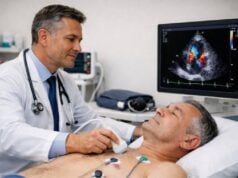
Heart palpitations are the uncomfortable awareness of your heartbeat—like a flutter, a thump, a skipped beat, or a sudden racing sensation. They can be startling, but they are not automatically dangerous. Many episodes come from everyday triggers such as stress, poor sleep, caffeine, dehydration, fever, or certain medications. In other cases, palpitations are the first noticeable sign of an arrhythmia (abnormal heart rhythm) or another medical problem that deserves prompt attention. The goal is not to “tough it out,” but to learn which patterns are likely benign, which symptoms signal higher risk, and how clinicians pinpoint the cause. This guide walks you through common causes, risk factors, warning signs, the tests that actually help, and practical steps you can take while you wait for evaluation—or after you receive a diagnosis.
Table of Contents
- What heart palpitations feel like and what they mean
- Common causes and risk factors
- Symptoms, red flags, and possible complications
- How heart palpitations are diagnosed
- Treatment options and what to expect
- Self-care, prevention, and when to seek help
What heart palpitations feel like and what they mean
People describe palpitations in surprisingly different ways, and the description often provides useful clues. Common sensations include:
- A brief “skip” followed by a stronger beat
- Fluttering in the chest or throat
- A sudden fast run of beats that starts and stops abruptly
- A pounding heartbeat even at rest
- A sense that the heart is beating “out of rhythm”
It helps to separate palpitations into three practical patterns:
- Single irregular beats (skips, thumps): These are often extra beats that most people get occasionally. They can feel dramatic because the pause before the next beat lets the heart fill a bit more, making the next beat feel stronger. Triggers include caffeine, alcohol, nicotine, stress, poor sleep, and dehydration.
- Fast, regular racing (like a motor): Often linked to stress, panic, fever, dehydration, anemia, pregnancy, thyroid overactivity, or certain medications. A key detail is whether it builds gradually (more typical of anxiety, fever, or exercise) or starts like a light switch (more suggestive of a rhythm problem).
- Fast, irregular rhythm (chaotic fluttering): This pattern can occur with certain arrhythmias and deserves careful evaluation, especially if it lasts more than a few minutes, recurs, or comes with symptoms like shortness of breath, chest discomfort, or dizziness.
A useful truth is that palpitations measure “awareness,” not severity. A person can feel intense palpitations from a harmless extra beat, while another person may barely notice a serious rhythm issue. That is why clinicians look beyond sensation and focus on context: your age, medical history, family history, medications, and whether palpitations appear with exertion, illness, or at rest.
Two self-observations are especially helpful:
- Check the pattern: Is it regular like a drumbeat or irregular like stumbling?
- Check duration and triggers: Seconds vs minutes vs hours, and whether it happens with caffeine, stress, dehydration, fever, or exercise.
If your symptoms are frequent or concerning, try to capture details in the moment. Writing down the start time, what you were doing, and how it ended can be just as valuable as a test—because the best diagnosis comes from matching the sensation to the heart rhythm recorded at the same time.
Common causes and risk factors
Palpitations have many causes, and most fall into a few broad buckets. Thinking this way prevents two common mistakes: assuming “it’s nothing” when risk is high, or assuming “it’s my heart” when the trigger is treatable and outside the heart.
Common non-dangerous triggers (very common):
- Stimulants: caffeine, nicotine, energy drinks, some pre-workout supplements
- Alcohol (especially binge drinking)
- Stress, anxiety, panic, and acute grief
- Poor sleep, shift work, or sleep deprivation
- Dehydration, overheating, or sudden heavy exertion in an untrained state
- Fever and acute infections
- Medications: decongestants, some inhalers, thyroid replacement at high dose, some antidepressants, and weight-loss stimulants
- Hormonal shifts: pregnancy, perimenopause, and postpartum changes
Medical conditions that can drive palpitations by changing body chemistry:
- Anemia (low oxygen-carrying capacity)
- Thyroid overactivity
- Low blood sugar episodes in some people with diabetes treatment
- Low potassium or magnesium (often from vomiting, diarrhea, heavy sweating, or diuretics)
- Severe pain or uncontrolled asthma/COPD flare-ups
Heart-related causes (important to rule in or out):
- Extra beats arising from the upper or lower chambers
- Supraventricular tachycardias (sudden fast rhythms that often start and stop abruptly)
- Atrial fibrillation or atrial flutter (often irregular and sometimes persistent)
- Ventricular tachycardia (less common, more concerning, especially with heart disease)
- Structural issues such as valve disease or cardiomyopathy (heart muscle disease)
Risk factors that increase the chance palpitations reflect a heart rhythm problem:
- Age over 60 (risk rises with age, especially for certain irregular rhythms)
- Prior heart attack, heart failure, valve disease, or known cardiomyopathy
- High blood pressure, diabetes, obesity, or untreated sleep apnea
- Family history of sudden unexplained death, inherited rhythm conditions, or cardiomyopathy
- Use of cocaine, amphetamines, or other stimulants
- Recent severe infection affecting the heart, or ongoing inflammatory illness
One original, practical insight: palpitations often happen at “transition moments”—lying down at night, rolling onto the left side, getting up quickly, or after a meal. These moments change vagal tone, hormones, and blood return to the heart, making extra beats more noticeable. The pattern doesn’t prove a diagnosis, but it helps guide testing. For instance, a person who only gets brief, isolated thumps at rest may need a different evaluation than someone who gets sudden regular racing for 20 minutes at a time.
The bottom line is that your risk profile matters as much as the sensation. A healthy 25-year-old with brief skipped beats after energy drinks is a different scenario than a 65-year-old with new irregular racing and shortness of breath.
Symptoms, red flags, and possible complications
Palpitations by themselves can be uncomfortable but harmless. What changes the urgency is what comes with them, how long they last, and whether you have underlying heart disease.
Symptoms that commonly occur with palpitations (not always dangerous):
- Mild shortness of breath during the episode
- A “hollow” chest feeling or brief chest tightness that passes quickly
- Anxiety (sometimes a result, sometimes a trigger)
- Fatigue after frequent episodes
- Lightheadedness that improves when you sit or lie down
Red flags that should prompt urgent medical evaluation (same day or emergency care depending on severity):
- Chest pressure or pain that lasts more than a few minutes, especially with sweating, nausea, or shortness of breath
- Fainting, near-fainting, or collapse—especially during or right after exercise
- Severe shortness of breath at rest, or new wheezing and inability to speak full sentences
- A very fast heartbeat that does not settle within 15–20 minutes at rest, especially if it feels irregular
- Palpitations with new neurologic symptoms such as one-sided weakness, facial droop, trouble speaking, or sudden vision loss
- Palpitations in someone with known heart failure, cardiomyopathy, or a prior heart attack—especially if accompanied by dizziness or low blood pressure symptoms
- Palpitations plus fever and signs of infection with significant weakness (particularly if you have a heart valve condition)
Potential complications depend on the underlying rhythm:
- Some rhythms mainly affect quality of life: sleep disruption, anxiety spirals, reduced activity, and repeated urgent visits.
- Persistent fast rhythms can sometimes weaken the heart over time in susceptible people.
- Certain irregular rhythms increase stroke risk in some patients, especially when other risk factors are present.
- Dangerous ventricular rhythms are uncommon in otherwise healthy hearts but can be life-threatening in people with significant structural heart disease.
A practical “triage” approach at home can reduce panic and improve safety:
- If you can, sit down and breathe slowly. Panic raises adrenaline and can intensify palpitations.
- Check your pulse for 30 seconds. Is it regular or irregular? Very fast or moderately fast?
- Note the duration. Episodes that stop quickly and occur with clear triggers are often lower risk than persistent, unexplained episodes.
If you use a smartwatch or phone-based heart rhythm feature, treat the reading as a clue—not as a final diagnosis. These tools can be helpful for capturing timing, heart rate, and sometimes rhythm strips, but clinicians still confirm findings with medical-grade testing and your clinical story.
Finally, do not let “normal tests in the past” override a meaningful change now. New symptoms, increasing frequency, longer duration, or new exertional episodes are all reasons to reassess. The most important safety skill is recognizing the combination of palpitations plus instability—fainting, severe breathlessness, chest pain, or neurologic symptoms—and responding quickly.
How heart palpitations are diagnosed
The core challenge in diagnosing palpitations is that the heart rhythm is often normal during the appointment. The most useful strategy is to “match the feeling to the rhythm” by capturing the heartbeat during symptoms.
Clinicians typically start with three pillars:
1) A detailed history
You will likely be asked:
- How does it start and stop—gradual or sudden?
- How long does it last (seconds, minutes, hours)?
- How often does it happen, and has it changed recently?
- Does it occur at rest, at night, after meals, or with exercise?
- Triggers: caffeine, alcohol, dehydration, stress, new medications, infections
- Symptoms during episodes: chest discomfort, shortness of breath, dizziness, fainting
- Past history: thyroid disease, anemia, sleep apnea, heart disease, pregnancy
- Family history: sudden unexplained death, inherited heart conditions
2) Physical exam
A clinician listens for murmurs, checks blood pressure, evaluates signs of fluid retention, and looks for clues of thyroid disease or anemia. In some cases, they may perform simple bedside maneuvers or check for orthostatic changes (heart rate and blood pressure when standing).
3) A 12-lead ECG
This is a snapshot of electrical activity. Even if it is normal, it can show “fingerprints” that guide next steps—such as pre-excitation patterns, conduction delays, prior silent heart injury, or baseline rhythm issues.
From there, testing becomes personalized. Common next steps include:
- Blood tests when indicated: complete blood count (anemia), thyroid function, electrolytes (especially potassium and magnesium), kidney function, and sometimes markers of inflammation or heart strain based on symptoms.
- Ambulatory heart monitoring to catch intermittent rhythms:
- Short-term monitors (often 24–48 hours) for daily symptoms
- Longer monitors (often 1–4 weeks) for weekly symptoms
- Implantable monitors in select cases when symptoms are rare but concerning (especially with unexplained fainting)
- Echocardiogram (heart ultrasound) if there is a murmur, abnormal ECG, symptoms suggesting structural disease, or significant risk factors.
- Exercise testing if palpitations occur with exertion, or if clinicians need to assess for rhythm changes during activity and recovery.
One practical point many people miss: the “best” monitor depends on how often you have symptoms. A 24-hour monitor is unlikely to help if you only have episodes once a month. Matching monitor duration to symptom frequency increases the chance of a clear answer and reduces repeated testing.
Bring data if you have it. A simple symptom diary can speed diagnosis:
- Date and time of episode
- What you were doing and what you had consumed
- Heart rate if measured
- How it ended (rest, hydration, breathing, medication)
- Associated symptoms (dizziness, chest discomfort, shortness of breath)
Diagnosis often ends in one of three outcomes: a benign rhythm pattern that needs reassurance, a treatable trigger outside the heart, or a confirmed arrhythmia that guides targeted therapy. The process may feel slow, but capturing the rhythm during symptoms is the key step that turns uncertainty into a plan.
Treatment options and what to expect
Treatment for palpitations is not one-size-fits-all. The right plan depends on the rhythm involved, how often it occurs, how much it disrupts life, and whether you have underlying heart disease.
If testing shows a benign rhythm pattern
Many people have occasional extra beats or brief runs that are not dangerous. Treatment often focuses on reducing triggers and improving comfort:
- Reduce caffeine and energy drinks, especially on an empty stomach
- Limit alcohol (and avoid binge patterns)
- Address dehydration: consistent fluid intake, especially during heat or exercise
- Prioritize sleep regularity
- Review medications and supplements with a clinician (including “natural” stimulants)
When symptoms remain disruptive, clinicians may consider medications that steady the heart’s response to adrenaline and reduce extra beats. The decision balances symptom relief against side effects like fatigue or lower blood pressure.
If an arrhythmia is confirmed
Treatment depends on the specific rhythm:
- Sudden fast regular rhythms may respond to:
- Education on safe, clinician-approved vagal techniques (maneuvers that can slow certain rhythms)
- Medications to prevent episodes or slow the heart rate during episodes
- Catheter ablation in selected patients when episodes are frequent, prolonged, medication-resistant, or strongly preferred to avoid long-term medication
- Irregular rhythms that persist or recur
Management may include: - Heart rate control medications
- Rhythm-control strategies in selected patients
- Addressing contributing drivers such as high blood pressure, obesity, alcohol use, and sleep apnea
- Stroke-risk assessment and preventive therapy when appropriate, based on individual risk factors
- Ventricular arrhythmias or high-risk patterns
These require urgent specialist evaluation and often involve: - Treatment of underlying structural heart disease
- Medication selection tailored to risk
- In some cases, device therapy or ablation, depending on the clinical picture
If palpitations come from a non-cardiac medical trigger
Treating the driver often improves symptoms:
- Iron replacement for iron-deficiency anemia (plus finding the cause)
- Treatment of thyroid overactivity
- Correcting electrolyte imbalance
- Managing infection or fever
- Adjusting asthma medications or stimulant exposure when safe alternatives exist
What to expect after a diagnosis:
- A clear label for the rhythm pattern (or for the absence of a dangerous rhythm)
- Guidance on activity and exercise, including what is safe and what requires caution
- A plan for recurrence: what to try first, when to call, and when to seek urgent care
- Follow-up monitoring, especially if symptoms evolve or new risk factors appear
An original, practical insight for patients: treatment success is often tied to “closing the loop” between episodes and the body’s stress systems. Even when the rhythm is benign, frequent palpitations can create a cycle of vigilance, poor sleep, and higher adrenaline. The best plans treat both the rhythm and the cycle—by removing triggers, restoring sleep, and using targeted medical therapy when needed.
Self-care, prevention, and when to seek help
Self-care is not about dismissing symptoms—it is about reducing avoidable triggers, improving resilience, and knowing when the pattern suggests higher risk. A practical plan can make episodes less frequent and less frightening while you pursue diagnosis.
Daily habits that often reduce palpitations
- Caffeine strategy: If you use caffeine, keep it consistent and modest. Sudden increases, concentrated energy products, and late-day use are common triggers.
- Hydration and electrolytes: Aim for steady intake throughout the day, especially during heat, illness, or exercise. If you sweat heavily, discuss electrolyte replacement with a clinician—particularly if you take diuretics.
- Sleep repair: Prioritize a regular sleep window. If you snore loudly, wake up gasping, or feel unrefreshed, ask about sleep apnea evaluation because untreated sleep apnea can worsen palpitations and certain arrhythmias.
- Alcohol boundaries: Many people notice palpitations after drinking, especially in higher amounts. Testing your sensitivity by reducing intake can be more informative than adding supplements.
- Stress physiology: Short, repeatable tools work best:
- 4–6 slow breaths per minute for 3–5 minutes during an episode
- Gentle walking and shoulder/neck relaxation afterward
- Consistent exercise that builds fitness without sudden spikes (for many adults: 150 minutes per week of moderate activity, adjusted to personal capacity)
What to do during an episode
- Sit down, breathe slowly, and avoid sudden exertion.
- If you feel safe doing so, check your pulse for 30 seconds: regular vs irregular, and approximate rate.
- Avoid taking extra doses of prescribed medication unless your clinician has given a clear “episode plan.”
- If you use a wearable device, save the recording and note the exact time.
When to schedule a prompt appointment
- Palpitations are new, increasing, lasting longer, or happening more often.
- Episodes occur with exertion, wake you from sleep repeatedly, or last more than 15–20 minutes.
- You have risk factors such as known heart disease, heart failure, prior heart attack, valve disease, or a strong family history of sudden death.
- You are pregnant and palpitations are frequent, prolonged, or associated with dizziness or shortness of breath.
When to seek urgent or emergency care
- Chest pain or pressure that persists or feels severe
- Fainting, near-fainting, or severe weakness
- Severe shortness of breath at rest
- New neurologic symptoms (trouble speaking, facial droop, one-sided weakness)
- A sustained very fast heartbeat that does not settle with rest, especially if irregular
Prevention is also about medication and supplement honesty
Bring a full list to appointments, including:
- decongestants, inhalers, thyroid medications, stimulants, and ADHD medications
- herbal products, pre-workouts, weight-loss products, and “energy” supplements
Many cases improve once the trigger is identified and removed. Others require long-term management—but with a confirmed diagnosis, most people can return to normal life with a clear plan and less fear. The goal is confidence: understanding your pattern, reducing risk, and knowing exactly what to do if symptoms change.
References
- Palpitations: A Practical Approach – PMC 2025 (Clinical Review)
- Approach to palpitations in primary care – PMC 2024 (Clinical Review)
- 2023 ACC/AHA/ACCP/HRS Guideline for the Diagnosis and Management of Atrial Fibrillation: A Report of the American College of Cardiology/American Heart Association Joint Committee on Clinical Practice Guidelines – PubMed 2024 (Guideline)
- 2022 ESC Guidelines for the management of patients with ventricular arrhythmias and the prevention of sudden cardiac death – PubMed 2022 (Guideline)
- Monitoring and diagnosis of intermittent arrhythmias: evidence-based guidance and role of novel monitoring strategies | European Heart Journal Open | Oxford Academic 2022 (Evidence-Based Guidance)
Disclaimer
This article is for educational purposes and does not replace personalized medical advice, diagnosis, or treatment. Heart palpitations have many causes, ranging from benign extra beats to serious heart rhythm disorders and medical conditions such as anemia or thyroid disease. Seek emergency care if palpitations occur with chest pain or pressure, fainting, severe shortness of breath, or new neurologic symptoms. Do not start, stop, or change prescription medicines based on this article; discuss symptoms and treatment options with a licensed clinician who can evaluate your history, exam, and test results.
If you found this article helpful, please share it on Facebook, X (formerly Twitter), or any platform you prefer, and follow us on social media. Your support through sharing helps our team continue producing reliable, high-quality health content.