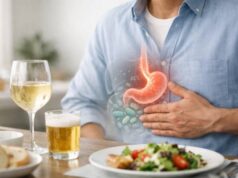
If bloating has started to feel like a new “normal” in your 40s, you are not imagining it—and you are not alone. Perimenopause is a hormone transition marked by fluctuating estrogen and progesterone, shifting sleep and stress patterns, and subtle metabolic changes that can alter how the gut moves, senses pressure, and handles fluid. Many people notice a familiar pattern: a flatter morning belly that turns tight and uncomfortable by late afternoon, often paired with constipation, reflux, or new food sensitivities.
The encouraging part is that perimenopausal bloating is usually manageable once you identify the main driver: slowed motility, pelvic floor coordination, fermentation from specific carbohydrates, or true abdominal distension from another condition. This guide explains what is changing, which symptoms deserve prompt evaluation, and the practical steps that consistently help.
Top Highlights
- Addressing constipation and incomplete emptying often reduces bloating more than cutting random foods.
- Small, consistent motility supports (movement, meal timing, and soluble fiber) can improve comfort within 2–4 weeks.
- Persistent bloating with early fullness, pelvic pain, or unexplained weight loss needs medical assessment rather than more supplements.
- Short, structured dietary trials work best when paired with a clear reintroduction plan.
- A simple tracking routine (timing, stool pattern, and abdominal girth) can quickly reveal your dominant trigger.
Table of Contents
- Why bloating shifts in perimenopause
- Gut motility changes and hidden constipation
- Microbiome and food tolerance after 40
- Bloating versus weight gain and distension
- Red flags and when to seek evaluation
- What actually helps: a practical plan
- Medical options and when to escalate care
Why bloating shifts in perimenopause
Perimenopause is defined less by a single hormone level and more by variability. Estrogen and progesterone can swing higher and lower from week to week, and those shifts affect the gut in several “small but cumulative” ways. Bloating is often the first digestive symptom people notice because it reflects multiple processes at once: gas, fluid retention, muscle tone, and sensitivity.
Hormone fluctuation can change gut sensation
The intestines naturally expand during digestion. When the gut becomes more sensitive, that normal stretching can feel uncomfortable or painful, even when gas volume is not dramatically higher. In perimenopause, disrupted sleep, higher stress load, and anxiety about body changes can amplify the gut-brain signal. The result is a sensation of pressure and tightness that arrives earlier and lasts longer.
Fluid shifts can mimic “gas”
Some bloating in perimenopause is not intestinal gas at all. It is fluid redistribution and tissue swelling that can be triggered by:
- higher sodium intake on a low-sleep day
- alcohol, which disrupts sleep and hydration balance
- carbohydrate swings (larger carb loads can increase water storage)
- inflammatory “flare” days tied to stress and poor recovery
This is why someone can feel puffy and uncomfortable even when they ate “light.”
Changes in movement and muscle tone matter
If you are moving less due to fatigue, joint discomfort, or a busy schedule, the gut often slows down. Even mild slowing can increase fermentation time and create end-of-day bloating. In addition, many people unconsciously brace their abdomen during stress. Constant abdominal gripping can change breathing mechanics and worsen the sensation of fullness.
Diet patterns often shift without you noticing
Perimenopause can quietly change how you eat:
- less protein at breakfast and more late-night snacking
- larger “catch-up” meals after a busy day
- more coffee to compensate for poor sleep
- more “healthy” raw salads that are harder to digest when motility is slow
None of these are inherently wrong. But combined with hormonal variability, they can make bloating feel sudden and relentless. The goal is not perfection—it is identifying which driver is strongest for you.
Gut motility changes and hidden constipation
When perimenopausal bloating is persistent, constipation is often involved—even in people who think they “go every day.” The key issue is not only frequency. It is whether stool moves through the colon efficiently and empties completely.
What motility changes can look like
Motility is the gut’s coordinated movement. If it slows, three things tend to happen:
- Stool sits longer, so more water is absorbed, making it drier.
- Fermentation increases, because food residues stay in contact with bacteria longer.
- Gas and stool compete for space, raising pressure and discomfort.
In perimenopause, motility can be affected by sleep disruption, stress hormones, dietary shifts, reduced movement, and changes in pelvic muscle coordination.
Constipation is not always “hard stool”
Many people have a constipation pattern that is easy to miss:
- daily stool that is small, incomplete, or requires straining
- a feeling of “still needing to go” after finishing
- frequent bloating that improves noticeably after a larger bowel movement
- alternating days of normal stool and then a “catch-up” day
This matters because adding more fiber without addressing emptying mechanics can worsen bloating. Bulk helps when the colon is slow but open. It backfires when stool is hard to expel or when gas production increases faster than motility can handle.
Pelvic floor and posture can be the bottleneck
Some constipation is less about the colon and more about the pelvic floor muscles not relaxing well during defecation. If you strain, hold your breath, or rush, those muscles may tighten and block stool passage. Over time, the body learns a guarded pattern.
A simple self-check: if stool is soft but still hard to pass, if you feel blocked, or if you need unusual positions to empty, pelvic floor involvement is more likely.
Quick, practical motility supports
These changes are small but consistently useful:
- Eat earlier in the day when possible; the gut often moves better in the morning.
- Take a 10–15 minute walk after one meal daily.
- Use a footstool in the bathroom to raise knees above hips.
- Exhale during effort rather than holding your breath.
- Aim for steady hydration across the day, not a large evening catch-up.
If bloating is driven by stool retention, these steps often reduce pressure within 1–2 weeks—sometimes before diet changes do.
Microbiome and food tolerance after 40
Many people reach perimenopause and suddenly feel “more sensitive” to foods they tolerated for years. This is rarely a sign that your gut is failing. It is usually a mismatch between what you are eating, how fast your gut is moving, and how your microbes are fermenting certain carbohydrates.
Why the same meal can feel different now
Two changes are common in midlife:
- Your threshold for fermentable foods may drop when motility slows.
- Your gut may become more sensitive to normal gas and stretching.
That means a meal you once digested easily can now trigger discomfort if it is eaten late, eaten quickly, or combined with other triggers.
Common tolerance shifts in perimenopause
These patterns show up frequently:
- Lactose tolerance declines, especially when dairy intake is inconsistent.
- Large servings of onions, garlic, wheat-heavy meals, or beans create more gas than you can comfortably process.
- Sugar alcohols in “diet” products (gum, candies, protein bars) increase bloating or loosen stools.
- Carbonated drinks and rapid eating increase swallowed air, which is not a microbiome issue but feels the same.
The goal is not to eliminate everything. It is to reduce the highest-impact triggers while keeping the diet nourishing.
Microbiome-friendly does not mean “more fermented foods”
During bloating flares, adding multiple fermented foods can worsen symptoms for some people. A more reliable microbiome-supportive approach is:
- consistent meal timing
- fiber diversity introduced gradually
- polyphenol-rich plants (berries, herbs, cocoa, olives) in portions you tolerate
- adequate protein at meals to reduce snack-driven grazing and late-night overeating
Fiber strategy: change the type before the amount
If fiber worsens your bloating, the solution is often not “no fiber.” It is changing form:
- Swap large raw salads for cooked vegetables and soups.
- Choose soluble fiber sources (oats, chia, ground flax) before adding large doses of bran.
- Increase slowly—think “training” rather than “fixing it in one week.”
A useful mindset for food experiments
Perimenopause is not the time for endless elimination. A better structure is:
- Choose one hypothesis (for example, lactose or large garlic-onion doses).
- Test it for 10–14 days.
- Reintroduce in a controlled portion to confirm.
That approach keeps your diet flexible and makes it far easier to identify what truly matters.
Bloating versus weight gain and distension
Perimenopause can bring real body composition changes, and it can also bring bloating that looks like weight gain. Differentiating them reduces anxiety and makes your plan more effective. The most helpful distinction is not aesthetic—it is timing, texture, and associated symptoms.
Three patterns with different causes
- Bloating that changes during the day
Often flatter in the morning and worse after meals or by evening. This pattern points toward motility, fermentation, swallowed air, or sensitivity. - Gradual waist change over months
This is more consistent with body composition shifts, changes in activity, sleep disruption, and metabolic adaptation. It may coexist with bloating, but it will not disappear overnight. - Visible distension that feels new and persistent
Persistent abdominal enlargement, especially with early fullness or pelvic pressure, deserves medical evaluation rather than repeated diet experiments.
How to track without becoming obsessive
A short, structured tracking period can be clarifying:
- Measure abdominal girth at the same time daily for 7–10 days (for example, morning and early evening).
- Note stool completeness, not just frequency.
- Record the top 2–3 meal patterns rather than every ingredient.
- Track sleep quality and stress level, because these often predict symptom days.
The pattern you find usually points to the most effective lever.
Signs the “bloat” is primarily constipation
Constipation-driven bloating often looks like:
- increased pressure later in the day
- relief after a large bowel movement
- bloating that worsens after high-fiber meals when emptying is incomplete
- a sensation of heaviness or fullness low in the abdomen
In this case, treating stool consistency and evacuation mechanics often improves appearance and comfort simultaneously.
Signs the “bloat” is primarily gas and fermentation
Gas-dominant bloating often presents as:
- rapid onset after certain meals
- frequent belching or gurgling
- improvement with walking, warmth, or spacing meals
- symptom clusters tied to specific carbohydrate patterns
Here, portion size and food combinations matter more than rigid elimination.
Why anxiety can intensify distension
Stress does not invent symptoms, but it can change breathing patterns and abdominal muscle tone. Some people develop a subtle “push down and out” response during discomfort, which makes the abdomen appear more distended. Learning calmer breathing and relaxing the abdominal wall can reduce this effect—often within days.
The point is not to overanalyze. It is to identify which pattern is dominant so your effort produces results.
Red flags and when to seek evaluation
Most perimenopausal bloating is functional and manageable, but persistent abdominal symptoms should not be brushed off as “just hormones.” The safest approach is to recognize warning signs that call for evaluation—especially when symptoms are new, progressive, or paired with systemic changes.
Red flags that deserve prompt medical attention
Seek evaluation promptly if bloating is accompanied by:
- blood in stool, black stools, or unexplained anemia
- unintentional weight loss, persistent fever, or night sweats
- severe or escalating abdominal pain
- vomiting, inability to keep fluids down, or signs of dehydration
- a new, persistent change in bowel habits that does not improve
- waking at night with diarrhea or pain
These features suggest inflammation, infection, bleeding, or structural disease that requires targeted testing.
When “persistent bloating” is a specific concern
A key distinction is bloating that comes and goes versus bloating that becomes persistent and progressively noticeable. If you feel swollen most days, your clothes fit differently within weeks, or your abdomen looks enlarged even on waking, it is worth a timely review.
Symptoms that raise concern when they are persistent or worsening include:
- feeling full quickly or losing appetite
- pelvic or lower abdominal pressure
- urinary urgency or frequency that is new for you
- unexplained fatigue combined with abdominal change
These symptoms are common and often benign, but they deserve evaluation because they can overlap with gynecologic conditions.
Conditions that can mimic perimenopausal bloating
Depending on your history and symptoms, clinicians may consider:
- thyroid dysfunction (which can slow motility)
- celiac disease or other malabsorption patterns
- medication-related constipation or dyspepsia
- ovarian cysts, fibroids, or pelvic organ changes
- functional bloating related to gut-brain interaction disorders
- pelvic floor dysfunction, especially with straining and incomplete emptying
The goal of evaluation is not to “find something scary.” It is to avoid months of self-treatment when a straightforward diagnosis could change the plan quickly.
What an initial workup often includes
An initial visit may focus on:
- a careful symptom timeline (what changed, when, and how fast)
- abdominal and pelvic examination when appropriate
- basic labs if red flags exist (for anemia, inflammation, or thyroid issues)
- stool testing in certain diarrhea patterns
- pelvic ultrasound or additional imaging if persistent distension or pelvic symptoms are present
If you feel dismissed, consider reframing the problem clearly: “This is new, frequent, and changing my daily function.” That language helps focus care on the impact and pattern rather than the word “bloating.”
What actually helps: a practical plan
The most effective strategies for perimenopausal bloating are often less dramatic than social media suggests. Rather than stacking supplements, start with a plan that improves motility, reduces fermentation load, and calms gut sensitivity. You can usually tell within a few weeks whether you are on the right track.
Step 1: Stabilize daily rhythm
The gut responds to predictability:
- Eat meals at roughly consistent times for 10–14 days.
- Aim for an earlier, lighter dinner if nighttime bloating is prominent.
- Choose a steady breakfast with protein and a gentle carbohydrate (for example, eggs and oats) to support motility.
Even before changing specific foods, consistent timing can reduce end-of-day pressure.
Step 2: Treat constipation first if it is present
If you strain, feel incomplete, or bloat improves after larger bowel movements, constipation is part of the picture. Focus on:
- walking after one meal daily
- a footstool for toileting posture
- soluble fiber introduced gradually (oats, chia, ground flax)
- steady hydration and adequate dietary salt, especially if you sweat or drink a lot of coffee
If stool remains hard despite these steps, discuss medication options with a clinician rather than escalating fiber endlessly.
Step 3: Reduce the biggest fermentation triggers
Do not eliminate everything. Start with the most common high-impact patterns:
- large onion and garlic loads, especially in the evening
- frequent sugar alcohols in “diet” foods
- very large raw salads when motility is slow
- carbonated drinks and rapid eating
If symptoms are severe, a short, structured low-FODMAP trial can be useful, but it works best with a planned reintroduction so you do not stay overly restricted.
Step 4: Calm gut sensitivity
Sensitivity often keeps bloating “loud” even after motility improves. Support the gut-brain axis with:
- 7–8 hours of sleep protection when possible
- a brief wind-down routine that lowers nighttime bracing
- diaphragmatic breathing before and after meals
- strength training and moderate cardio, adjusted to your recovery capacity
A simple metric can help you stay focused: “How many days per week does bloating interfere with eating, movement, or sleep?” If that number drops, the plan is working—even if symptoms are not perfect.
When supplements make sense
Supplements are not required, but some people use them strategically:
- a time-limited probiotic trial (4–8 weeks) if diarrhea, gas, or antibiotic history is prominent
- magnesium in forms that support stool softness if constipation is a key driver (with caution if you are prone to loose stools)
- peppermint oil capsules for cramping, but only if reflux is not an issue
The best supplement is the one that fits your symptom pattern and does not create a new problem.
Medical options and when to escalate care
If you have tried a structured plan and bloating remains disruptive, it is reasonable to escalate care. “More willpower” is rarely the missing ingredient. Persistent symptoms often mean your driver is more specific: pelvic floor dysfunction, reflux, functional bloating with abnormal muscle patterns, or an underlying condition that needs targeted treatment.
Pelvic floor therapy can be a turning point
If you strain, feel blocked, or use unusual positions to empty, pelvic floor dysfunction may be contributing. Pelvic floor physical therapy and biofeedback can retrain coordination and reduce the need for excessive pushing, which often reduces bloating pressure.
Targeted treatment for reflux and upper bloating
Perimenopause can worsen reflux for some people, and upper abdominal pressure can be mistaken for “gas.” If you have burning, regurgitation, or a sour taste:
- review caffeine and late meals
- evaluate whether supplements (peppermint oil, certain minerals) are worsening reflux
- discuss appropriate reflux evaluation and treatment with a clinician
Treating reflux can significantly reduce the sensation of fullness and tightness.
When testing is appropriate
Not every person with bloating needs extensive testing. It becomes more appropriate when symptoms are persistent, severe, or patternless. Depending on your case, a clinician may discuss:
- basic blood work for anemia and thyroid function
- celiac screening when symptoms include chronic diarrhea, weight loss, or nutrient issues
- evaluation for constipation severity and transit in stubborn cases
- breath testing or empiric strategies when small intestinal bacterial overgrowth is strongly suspected (especially after antibiotics or surgery)
Testing should be guided by pattern and risk, not by the desire to test “everything.”
Hormone therapy and digestive symptoms
Menopausal hormone therapy is prescribed for specific menopausal symptoms and risk profiles, not primarily for bloating. However, hormones influence motility and sensitivity, and some people notice digestive changes when therapy starts, changes dose, or stops. If you are considering hormone therapy or already using it, include bowel habits and bloating in the conversation so dosing and timing can be adjusted thoughtfully.
When to seek help sooner
Escalate care sooner if:
- symptoms are steadily worsening over weeks
- you develop persistent early fullness or loss of appetite
- abdominal size changes are persistent rather than fluctuating
- you have pelvic pressure or new urinary symptoms
- you are relying on frequent laxatives without meaningful relief
Perimenopause can make the gut feel unfamiliar, but you do not have to tolerate daily discomfort. With the right diagnosis and a targeted plan, bloating usually becomes smaller, less frequent, and far less disruptive.
References
- The volume and characteristics of research on gastrointestinal symptoms in ‘natural’ peri- and postmenopause: A scoping review 2025 (Scoping Review)
- European Consensus on Functional Bloating and Abdominal Distension-An ESNM/UEG Recommendations for Clinical Management 2025 (Consensus)
- A Practical Approach to the Diagnosis and Treatment of Abdominal Bloating and Distension 2022 (Review)
- Progesterone Inhibitory Role on Gastrointestinal Motility 2022 (Review)
- Ovarian cancer – Symptoms 2017 (Public Health Guidance)
Disclaimer
This article is for educational purposes only and does not provide medical advice, diagnosis, or treatment. Bloating in perimenopause is common, but persistent or worsening symptoms can overlap with conditions that require medical evaluation. Seek prompt medical care if you have blood in stool, black stools, unexplained anemia, unintentional weight loss, persistent fever, severe or escalating abdominal pain, persistent vomiting, inability to pass gas, new swallowing difficulty, or a sustained increase in abdominal size with early fullness or pelvic symptoms. If you are pregnant, have chronic medical conditions, or take prescription medications, discuss significant diet changes, laxatives, or supplements with a qualified clinician.
If you found this guide helpful, please share it on Facebook, X (formerly Twitter), or any platform you prefer.