Cissus quadrangularis (Cissus quadrangularis) is a vine-like plant long used in traditional systems for bone and connective tissue support—earning the well-known nickname “bone setter.” Today, it is most often taken as a standardized extract in capsules, especially by people recovering from fractures, managing joint discomfort, or looking for an evidence-informed herbal add-on for training recovery. You will also see it marketed for weight management and metabolic support, although results depend heavily on dose, product quality, and what lifestyle changes are happening alongside it.
What sets cissus apart is that it is not a single-purpose herb. Its constituents include plant sterols, flavonoids, and characteristic “ketosteroid” compounds that may influence inflammation signaling, collagen-related remodeling, and appetite or stress responses. At the same time, it is not a quick fix: benefits tend to be gradual, and higher doses are more likely to cause stomach upset or interact with medications. This guide explains what cissus contains, what it may help with, how to use it responsibly, and how to stay within safe boundaries.
Key Takeaways
- May support fracture recovery and joint comfort when paired with adequate protein, minerals, and rehab.
- Can cause GI upset and may lower blood sugar or blood pressure in some people.
- Typical extract range is 500–1,500 mg daily, often split into 1–2 doses.
- Avoid during pregnancy and breastfeeding, and use caution with diabetes or blood pressure medicines.
Table of Contents
- What is Cissus quadrangularis
- Key ingredients and active compounds
- Does it support bone healing
- Joint pain and training recovery
- Weight loss and metabolic support
- How to use and dosage
- Safety, side effects, and evidence
What is Cissus quadrangularis
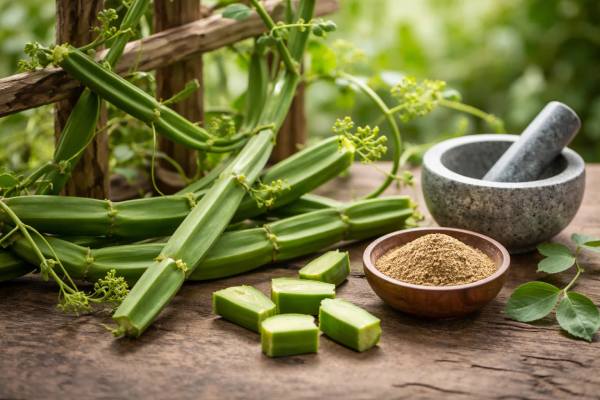
Cissus quadrangularis is a succulent-stemmed plant in the grape family (Vitaceae). It grows in warm climates and has a distinctive look: thick, angular stems (often described as “four-sided”) that store water. Traditional medical systems in India and parts of Southeast Asia used the stem as a food-adjacent remedy and a medicinal herb, especially for bone fractures, tendon and ligament strain, and inflammatory pain. In English-language supplement marketing, it is frequently called “bone setter,” which captures its central traditional claim.
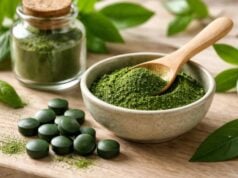
Modern products usually use the stem (sometimes labeled as aerial parts), dried and extracted. The supplement form is popular because the fresh plant is not easy to source or use consistently outside of regions where it grows. You will see cissus sold as:
- Capsules or tablets (powdered herb or standardized extract)
- Bulk powder (less common, often less palatable)
- Combination formulas (often with minerals, collagen support nutrients, or anti-inflammatory botanicals)
It also helps to know what cissus is not. It is not a replacement for fracture care, imaging, immobilization, or physical therapy. It is also not a guaranteed substitute for pain management when pain is severe. Its most realistic role is as an adjunct—something that may support the body’s rebuilding processes and comfort while you do the essential work: adequate protein and calories, consistent rehab, and medically appropriate monitoring.
People often come to cissus through three “intent pathways”:
- Bone and connective tissue support: fracture recovery, tendon irritation, or repetitive strain.
- Joint discomfort: especially knee, shoulder, or generalized “training ache.”
- Weight and appetite support: often in the context of dieting or metabolic goals.
These goals overlap, but they are not identical, and dosing strategies differ. Someone recovering from a fracture may prioritize a higher, time-limited dose with food and a rehab plan. Someone using it for appetite control may use a moderate dose earlier in the day and track hunger cues and energy.
Finally, product quality matters because “cissus extract” is not standardized the same way across brands. Some products emphasize “ketosterones,” others use whole-stem extracts, and some mix cissus with other agents. A careful approach is to choose one product, use it consistently, and evaluate outcomes that matter—pain scores, training tolerance, recovery time, or clinician-tracked healing markers—rather than chasing subjective sensations alone.
Key ingredients and active compounds
Cissus quadrangularis has a reputation that sounds very specific—“bone setter”—but its chemistry is broader than a single pathway. The plant contains multiple compound families that may influence inflammation, oxidative stress, tissue remodeling, and appetite-related signaling. This diversity is one reason it can be helpful for some people and underwhelming for others: different extracts emphasize different fractions.
Ketosteroids and plant sterols
Many cissus extracts are marketed as standardized to “ketosterones” or similar steroid-like constituents. These are not anabolic steroids, but they are structurally related to plant sterols and may influence signaling involved in tissue remodeling and inflammation. Some researchers propose that these constituents contribute to cissus’s traditional use in fracture recovery by supporting osteoblast activity (bone-building cells) and moderating inflammatory stress that can slow healing.
Cissus also contains plant sterols such as beta-sitosterol patterns that appear in many botanicals. Sterols are often discussed in metabolic and inflammation contexts, but the clinical effect of sterols depends heavily on dose and the broader diet.
Flavonoids and polyphenols
Cissus contains flavonoids and related polyphenols that show antioxidant activity in laboratory models. In human terms, antioxidant activity is best interpreted as support for the body’s resilience during stress rather than a guarantee of dramatic symptom relief. Polyphenols can also intersect with inflammatory signaling, which may matter when joint discomfort is driven by repetitive micro-irritation rather than a single acute injury.
Minerals and supportive nutrients
Traditional use sometimes frames cissus as nutritive, and the plant does contain minerals in its raw form. However, most modern supplements are extracts, and mineral contribution is usually modest compared with a targeted mineral supplement. For bone rebuilding, minerals like calcium and vitamin D status often matter more than the trace minerals you might get from a botanical extract.
If your goal is bone resilience, it can help to think in “layers”:
- a foundation of protein, calories, and resistance loading
- vitamin D sufficiency and mineral adequacy
- adjunct botanicals like cissus for comfort and remodeling support
For a primer on dosing safety and timing around vitamin D—an ingredient frequently paired with bone-support stacks—see vitamin D dosage and safety guidance.
How preparation changes the profile
- Whole powder retains a wider range of constituents but can be less consistent.
- Alcohol or hydroalcoholic extracts tend to pull a broader range of active compounds.
- Standardized extracts aim for consistency but can over-emphasize one fraction at the expense of others.
A practical takeaway is that “best extract” depends on your target. For joint comfort and training recovery, a broader extract profile may be useful. For appetite or weight goals, products used in clinical studies often use a defined daily dose and may include additional ingredients. For bone recovery, higher doses are sometimes used for a time-limited period, but only as an adjunct to clinically appropriate care.
Does it support bone healing
Bone healing is the most iconic claim for Cissus quadrangularis, and it is also where many people want a clear yes-or-no answer. The honest answer is “it may support healing for some people, but it is not a stand-alone solution.” Bone repair depends on biology (age, hormonal status, blood flow), nutrition (protein, calories, minerals), and mechanics (stability, loading, and rehabilitation). Cissus may influence parts of that process, but it cannot replace the fundamentals.
How bone heals and where cissus might fit
Bone healing occurs in stages: inflammation, soft callus formation, hard callus formation, and remodeling. Early inflammation is not “bad”—it is part of the healing signal. The problem is excessive, prolonged inflammation or inadequate remodeling support. Cissus is often positioned as useful because it may:
- support osteoblast activity and collagen-related matrix formation
- moderate excessive inflammatory signaling that can stall recovery
- improve comfort, which can indirectly support rehab adherence
Some people report that cissus “helps the fracture feel calmer” or reduces the background ache that can linger during early rehab. That effect may be partially inflammatory modulation and partially the psychology of having a structured plan. Either way, comfort matters because consistent rehab is often the difference between a strong recovery and a long-term limitation.
Who is most likely to notice benefit
Cissus may be most noticeable when:
- the person has adequate nutrition but wants an adjunct for tissue rebuilding
- the fracture is stable and medically managed, and the person is entering rehab
- there is connective tissue irritation around the injury (tendons and ligaments)
- the user takes it consistently for several weeks rather than sporadically
It may be less noticeable when:
- protein or calorie intake is low
- vitamin D status is poor
- the injury is unstable, infected, or complicated
- pain is severe enough to limit activity regardless of supplements
Practical stacking for bone recovery
If you want to use cissus intelligently for bone recovery, it helps to anchor it inside a broader plan:
- Protein and calories: aim for steady daily intake to support rebuilding.
- Micronutrients: ensure adequate vitamin D and calcium intake from food or supplements if needed.
- Progressive loading: follow rehab guidance and load tissue gradually.
- Time-limited cissus trial: use a consistent dose for 6–12 weeks, then reassess.
Many people also combine cissus with joint-support basics such as collagen peptides or vitamin C for collagen synthesis. If you want a clear overview of collagen peptide use and realistic expectations, collagen peptide benefits and practical dosing can help you decide whether it fits your recovery stack.
The key point is decision flow: if you have not addressed stability, nutrition, and rehab, adding cissus is unlikely to rescue the situation. When the foundation is in place, cissus may provide a modest edge in comfort and tissue remodeling support—especially during the middle weeks of recovery when progress can feel slow.
Joint pain and training recovery
Cissus quadrangularis is widely used by athletes and active people who are not recovering from fractures but feel the steady wear-and-tear that comes with training: tendon irritation, joint ache, and stiffness after repetitive loading. This is a different problem than arthritis in the medical sense. Training discomfort often reflects micro-inflammation, tendon overload, joint capsule irritation, and muscle imbalance. In that context, cissus is best seen as a support tool for recovery—not a permission slip to ignore biomechanics.
What it may help with
People most commonly use cissus for:
- tendon and ligament irritation (for example, elbows, knees, or ankles)
- general joint discomfort during hard training blocks
- post-exercise soreness patterns that feel more “jointy” than muscular
- stiffness on waking that improves once moving
The potential mechanisms proposed include inflammatory modulation and support for collagen-related remodeling. If discomfort is driven by chronic inflammation from overuse, a modest anti-inflammatory effect can improve comfort enough to stay consistent with rehab exercises—often the most important step.
What it will not replace
Cissus cannot replace:
- progressive loading and technique work
- adequate sleep and recovery days
- mobility and strength balance (especially hips, ankles, scapula)
- medical evaluation for true injury (tears, fractures, severe swelling)
A helpful rule is: if pain changes your movement pattern, it deserves assessment. Supplements should support recovery, not mask red flags.
Practical use cases
Cissus tends to fit well in these situations:
- Rehab support: you are doing specific strengthening work and want help tolerating it.
- Dieting while training: your recovery resources are lower, so small support effects feel larger.
- High-impact phases: running mileage increases, jumping sports, or heavy eccentric work.
It may fit less well if your main issue is acute swelling after a single event. In that case, addressing the injury and inflammation triggers is a priority.
Comparisons and combinations
Cissus is often compared with mainstream joint supplements such as glucosamine and chondroitin. They work differently: glucosamine is primarily discussed in cartilage and osteoarthritis contexts, while cissus is more often used for connective tissue discomfort and remodeling support. If you want a clear overview of glucosamine’s evidence and dosing expectations, see glucosamine dosing and joint benefits.
Cissus is also frequently stacked with curcumin or boswellia for inflammatory support. The risk with stacking is that you can lose track of what is helping. If you want to test cissus fairly, use it alone for two to four weeks, then add another agent only if needed.
Finally, remember the simplest recovery levers: hydration, sufficient carbohydrates during intense training blocks, and enough total calories. Many “supplement wins” are really “recovery plan wins” with a supplement assisting at the margins. Cissus may help you stay consistent with the plan, which can be a meaningful benefit when discomfort would otherwise derail you.
Weight loss and metabolic support
Cissus quadrangularis is frequently marketed for weight loss, often with bold claims about “fat burning” or appetite suppression. A more careful interpretation is that cissus may support weight management indirectly by influencing appetite, stress-related eating, and inflammatory or oxidative stress markers in some people. However, weight outcomes are highly sensitive to product choice, dose, and the diet pattern used alongside it.
What people report and what it can mean
Common user-reported effects include:
- slightly reduced appetite or fewer cravings
- less “snack urgency” during dieting
- improved comfort in joints during weight loss efforts (making activity easier)
- small changes in waist measures over time when paired with dietary structure
These outcomes can be meaningful if they improve adherence. For example, a modest appetite reduction can help someone maintain a calorie deficit without feeling constantly deprived. But cissus does not override physiology: if calorie intake remains high, weight loss will not occur simply because a supplement is added.
Potential mechanisms proposed
Researchers have explored several hypotheses:
- modulation of stress and cortisol-related signaling, which can influence appetite and fat distribution patterns
- improvements in inflammatory markers that may correlate with metabolic health
- effects on lipid profiles or glucose handling in certain contexts
- polyphenol-related antioxidant activity that may support metabolic resilience
These mechanisms are plausible but not guaranteed. The biggest real-world challenge is that products vary widely. Some weight-loss studies use a specific standardized extract and dose, while retail products may use different extract ratios or add additional ingredients. When people say cissus “worked,” they may be describing a combination product rather than pure cissus.
How to use it responsibly for weight goals
If you want to try cissus for weight management, the most responsible approach is to keep it structured:
- Choose one product with clear labeling (extract ratio, standardized marker if available).
- Define your success metric (weekly weight trend, waist measurement, hunger rating).
- Commit to a time-limited trial (6–8 weeks is a common evaluation window).
- Keep the diet strategy stable during the first two to three weeks so you can interpret changes.
- Reassess and discontinue if there is no meaningful benefit or if side effects occur.
Where it may be most helpful
Cissus may be most useful when:
- dieting triggers joint discomfort and you need support to stay active
- stress and appetite are tightly linked for you
- you are already following a reasonable plan and want a modest adherence aid
It may be less helpful when:
- sleep is poor and stress is unmanaged
- alcohol intake or ultraprocessed foods dominate the diet
- expectations are unrealistic (quick, large weight drops)
If metabolic health is a primary goal, remember that basics often outperform supplements: protein intake, fiber, daily movement, and consistent sleep. Cissus can be an adjunct that helps you stick to those basics. It is rarely the main driver of success on its own.
How to use and dosage
Cissus quadrangularis dosing depends on the form (whole herb vs extract), the product’s standardization, and your goal. Because products vary, a responsible approach is to start at the low end, assess tolerance for a week, then adjust within a reasonable range. More is not always better—especially if the benefit you want is modest (comfort, appetite support) and you are prone to stomach upset.
Common forms
- Standardized extract capsules: most common in modern use.
- Whole-herb powder capsules: sometimes cheaper, often less consistent.
- Combination products: may include minerals, collagen support nutrients, or anti-inflammatory botanicals.
If your label lists a standardization (for example, “2.5% ketosterones”), treat that as a clue about potency, not a guarantee of results. Different brands may use different methods to measure the same marker.
Typical adult dosage ranges
A practical range for many standardized extracts is:
- 500–1,500 mg per day, often split into 1–2 doses.
Common patterns include:
- 500 mg once or twice daily with food for joint comfort or general connective tissue support.
- 1,000–1,500 mg per day during a time-limited bone or rehab phase, typically split into morning and evening doses.
If you are using whole-herb powder, doses can be higher because the product is less concentrated, but labeling varies so widely that it is best to follow the manufacturer’s guidance and avoid stacking multiple cissus products.
Timing, cycling, and duration
- With food: often improves tolerance and reduces nausea.
- Morning and evening split: can provide steadier effects for comfort and recovery.
- Time-limited trials: 6–12 weeks is a common window for bone and connective tissue goals, with reassessment afterward.
- Cycling: some users cycle 8–12 weeks on, 2–4 weeks off, especially if using higher doses.
Practical variables that change your dose
- Body size and sensitivity: smaller or sensitive users may do best at 500 mg daily.
- Training load: higher volume may justify higher end dosing for a limited period.
- Diet quality: low protein or low calorie intake can blunt any perceived benefit.
- Other supplements: stacking multiple anti-inflammatory agents can increase GI side effects.
A key “mistake pattern” is using cissus as a substitute for bone-support fundamentals. If your plan lacks adequate protein or vitamin D sufficiency, the supplement may feel ineffective. And if your plan is strong, you may find you need less than you expected.
If your goal is connective tissue rebuilding, you may be tempted to add many ingredients at once. Consider adding one at a time. For example, if you plan to combine cissus with curcumin, it can help to understand curcumin’s dosing and GI tolerance issues first. See curcumin dosage and safety guide so you can avoid stacking too many “stomach-active” supplements at once.
Safety, side effects, and evidence
Cissus quadrangularis is often well tolerated, but safety depends on dose, product quality, and who is using it. The most common issues are gastrointestinal, and the most important cautions involve pregnancy, blood sugar, blood pressure, and medication interactions. Evidence quality is mixed: there are promising studies, but standardization and study design vary.
Common side effects
Potential side effects include:
- stomach upset, nausea, or loose stools (more likely at higher doses)
- headache or mild fatigue in sensitive users
- dry mouth or an unsettled “wired” feeling in a small subset of users
- sleep disruption if taken too late in the day (not universal, but reported)
If side effects occur, the first step is often reducing the dose and taking it with food. If side effects persist, discontinue and reassess whether the product is appropriate for you.
Who should avoid cissus
Avoid cissus unless a qualified clinician advises it if you are:
- pregnant or breastfeeding
- under 18
- managing chronic kidney disease without supervision
- preparing for surgery (stop at least 2 weeks prior unless your clinician advises otherwise)
Pregnancy avoidance is a conservative rule because safety data for concentrated extracts is limited, and many botanicals with steroid-like constituents are not recommended during pregnancy.
Medication interactions and monitoring
Cissus may interact with:
- Diabetes medicines: it may lower blood sugar in some people, increasing hypoglycemia risk.
- Blood pressure medicines: it may contribute to lower blood pressure in sensitive users.
- Diuretics: combined effects can increase dehydration risk if fluid intake is low.
- Anticoagulants or antiplatelets: data is limited, but caution is reasonable if you bruise easily or take blood thinners.
If you take daily medications, a practical safety approach is to monitor:
- fasting glucose or continuous glucose trends (if relevant)
- home blood pressure readings
- unusual bruising, dizziness, or persistent GI symptoms
What the evidence actually says
The strongest “real-world” use patterns align with:
- connective tissue and discomfort support (especially in active people)
- time-limited support during injury rehab
- possible metabolic support when paired with lifestyle change
But limitations are important:
- product standardization varies widely
- some studies use combination formulas rather than pure cissus
- outcomes like “pain” and “recovery” can be influenced by placebo effects and adherence changes
- dosing ranges are not universally agreed upon
A grounded conclusion is that cissus is worth considering when you have a clear goal and a structured plan, and less appropriate as an indefinite daily supplement taken “just in case.” Treat it like a trial: start low, measure outcomes, and stop if there is no benefit or if side effects occur.
References
- Cissus quadrangularis L.: Ethnomedicinal uses, phytochemistry, pharmacological activities and safety aspects 2023 (Review)
- Cissus quadrangularis supplementation and musculoskeletal outcomes: a systematic review 2023 (Systematic Review)
- Effects of Cissus quadrangularis on body weight, waist circumference and cardiometabolic markers: a systematic review and meta-analysis 2023 (Systematic Review)
- Cissus quadrangularis and fracture healing: a randomized controlled clinical study 2022 (RCT)
Disclaimer
This article is for educational purposes only and does not provide medical advice, diagnosis, or treatment. Cissus quadrangularis may affect blood sugar and blood pressure and may cause gastrointestinal side effects, especially at higher doses. Do not use cissus as a substitute for medical care for fractures, severe pain, suspected tendon tears, or chronic disease. Consult a qualified healthcare professional before use if you are pregnant or breastfeeding, have kidney disease, take prescription medicines (especially for diabetes, blood pressure, or blood thinning), or are preparing for surgery. Seek urgent care for severe allergic reactions, fainting, uncontrolled pain, fever, or symptoms that rapidly worsen.
If this guide was helpful, please share it on Facebook, X (formerly Twitter), or your preferred platform so others can make safer, better-informed decisions.