Chanca piedra, often called “stone breaker,” is a small tropical plant traditionally used to support urinary comfort and help manage kidney stone tendencies. In modern wellness circles, it is most commonly taken as a tea, capsule, or tincture—usually alongside increased hydration and lifestyle steps that reduce stone risk. Beyond urinary use, chanca piedra is also explored for liver support, antioxidant activity, and broader metabolic effects, although the strength of evidence varies by claim and the product you choose.
One reason results can feel inconsistent is that “chanca piedra” may refer to more than one closely related Phyllanthus species, and extracts are rarely standardized the same way across brands. That does not make the herb unusable, but it does mean smart dosing, realistic expectations, and careful attention to safety matter. If you are considering chanca piedra for stones or liver concerns, think of it as a supportive tool—not a replacement for diagnosis, imaging, or medical treatment when symptoms are significant.
Essential Insights
- May support kidney stone management when paired with hydration and a clinician-guided plan.
- Antioxidant and anti-inflammatory compounds may support liver resilience, but clinical outcomes are mixed.
- Typical adult range: 2–6 g/day as tea or about 450–1,350 mg/day in capsules (varies by extract).
- May lower blood sugar or blood pressure and can interact with diabetes, antihypertensive, or diuretic medicines.
- Avoid during pregnancy and breastfeeding, and use only with medical supervision if you have kidney disease or take lithium.
Table of Contents
- What is chanca piedra
- Chanca piedra key ingredients
- Does it help kidney stones
- Urinary and digestive uses
- How to use chanca piedra
- How much chanca piedra per day
- Safety, interactions, and evidence
What is chanca piedra
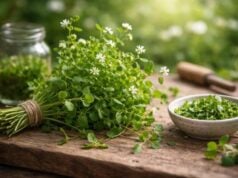
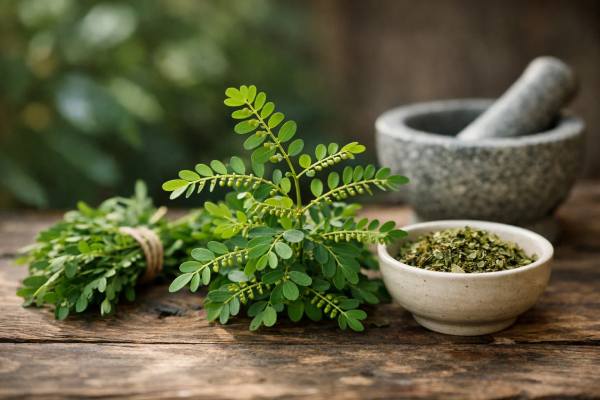
Chanca piedra is the common name most often associated with Phyllanthus niruri, a small herbaceous plant in the Phyllanthus genus. It grows in warm climates—often appearing in disturbed soil, near gardens, and along roadsides in tropical and subtropical regions. In traditional use, the plant is typically dried and prepared as a tea, or taken as a powdered herb. Today it is also sold as capsules, tablets, and liquid extracts.
The name “stone breaker” captures the primary modern search intent: kidney stones. Many people look for chanca piedra after a painful stone episode, hoping to reduce recurrence or support stone passage. It is important to be precise about what the herb can realistically do. Chanca piedra is not a fast “dissolver” of large stones, and it is not a substitute for imaging, urinalysis, or medical evaluation—especially when pain is severe, fever is present, or urine flow is reduced. Where it may fit best is as a supportive option for small stones or stone-prone patterns, particularly when used consistently over weeks alongside hydration and stone-prevention habits.
Another key point is naming and sourcing. In commerce, “chanca piedra” may refer to Phyllanthus niruri, but it is also used for close relatives such as Phyllanthus amarus or Phyllanthus urinaria in some regions and products. These plants overlap in traditional use and chemistry, but they are not identical. For consumers, that means brand quality matters more than marketing claims.
How the herb is commonly prepared
Most people use chanca piedra in one of these forms:
- Tea (infusion or decoction): closer to traditional use, easy to dose gradually.
- Capsules (powder or extract): more convenient, but potency varies widely.
- Tincture or liquid extract: flexible dosing, but alcohol content and concentration differ by product.
Why quality signals matter
If you want a more predictable experience, look for products that clearly state:
- Botanical name (ideally Phyllanthus niruri)
- Plant part used (whole herb, aerial parts, or leaf)
- Extract ratio or standardized marker (if available)
- Batch testing for contaminants (heavy metals, microbes)
These details do not guarantee effectiveness, but they reduce one common reason people get inconsistent results: they may not be taking the same herb preparation from one bottle to the next.
Chanca piedra key ingredients
Chanca piedra works—when it works at all—because it is chemically diverse. Rather than a single “magic” compound, it contains multiple families of plant constituents that may influence inflammation, oxidative stress, smooth muscle tone, and crystal behavior in urine. The exact profile depends on species, harvest timing, and extraction method (water tea vs. alcohol extract vs. concentrated capsule).
Major compound families
While composition varies, chanca piedra is often discussed in terms of these key categories:
- Lignans (often highlighted in Phyllanthus species): compounds frequently associated with antioxidant and hepatoprotective signaling in preclinical research.
- Tannins and ellagitannins: astringent polyphenols that can influence oxidative stress pathways and may affect microbial adherence and inflammation in laboratory models.
- Flavonoids: broad class of antioxidants that may support endothelial function, inflammatory balance, and cellular stress responses.
- Terpenes and triterpenes: may influence smooth muscle tone and inflammatory signaling.
- Phenolic acids and related polyphenols: contribute to antioxidant capacity and may influence urinary chemistry indirectly.
How these ingredients map to “stone breaker” use
The kidney stone conversation is not only about breaking a stone apart. Stone formation involves multiple steps: supersaturation of urine, nucleation, crystal growth, crystal aggregation, and the way crystals stick to kidney tubule cells. A realistic “herbal mechanism” would involve shifting one or more of those steps rather than dissolving a stone like a chemical solvent.
Chanca piedra is most often proposed to help by:
- Reducing crystal aggregation: making tiny crystals less likely to clump into larger stones.
- Influencing crystal shape and surface properties: potentially making crystals less likely to adhere to tissue.
- Supporting urine chemistry in some people: mild changes in urinary minerals and risk markers may occur, especially when hydration improves at the same time.
- Modulating inflammation: less irritation may support comfort during stone-prone periods.
Why tea and capsules can feel different
A tea tends to extract more water-soluble constituents and naturally increases fluid intake. Capsules may deliver more concentrated compounds, but they do not automatically add hydration, and some extracts emphasize different chemical fractions than tea. This is why “the same herb” can feel inconsistent across forms.
In practice, it helps to pick one form, use it consistently for a defined period, and track outcomes that matter: urinary comfort, frequency of stone episodes, imaging findings (when relevant), and lab markers if a clinician is monitoring you. That approach is more reliable than guessing based on short-term sensations alone.
Does it help kidney stones
Kidney stone support is the main reason people seek chanca piedra, and it is also where expectations can swing too far in either direction. Some marketing implies it “dissolves stones quickly,” while skeptics dismiss it entirely. A more balanced view is that chanca piedra may be helpful for some stone patterns—especially smaller stones or prevention—while remaining limited for large or complicated stones that require medical management.
Where it may fit best
Chanca piedra is most often used in these scenarios:
- After a confirmed stone episode, to support recurrence prevention alongside diet and hydration changes.
- For small, non-obstructing stones, where a clinician recommends watchful waiting and supportive measures.
- For stone-prone urinary chemistry, when a person is actively working on risk factors such as low urine volume, high oxalate, or high uric acid.
It is less appropriate as a self-treatment when someone has red-flag symptoms such as fever, vomiting, uncontrolled pain, fainting, reduced urination, or signs of infection.
Practical outcomes to watch
If you use chanca piedra with a kidney-stone goal, it helps to track outcomes that reflect actual stone burden rather than relying on “feels like it’s working.” Examples include:
- Hydration target: aim for pale-yellow urine and a consistent fluid routine.
- Stone events: number of painful episodes, ER visits, or confirmed stone passage.
- Imaging trends: ultrasound or CT findings over time, when clinically appropriate.
- Urine testing: 24-hour urine results can show whether risk markers are improving.
A realistic timeframe is typically weeks to months, not days. Many people also benefit from combining chanca piedra with a structured stone-prevention plan: adequate fluid intake, individualized dietary adjustments (often guided by stone type), and medical prevention when needed.
Common mistakes that reduce results
- Using it without hydration: the tea form is partly effective because it increases fluid intake.
- Stopping too early: a few days is rarely meaningful for prevention patterns.
- Using it instead of evaluation: persistent flank pain should not be “managed” with herbs alone.
- Assuming all products are equal: species, dosage, and extraction vary widely.
If you want a complementary urinary-support herb that is also used traditionally to support urine flow, consider learning about corn silk and urinary health support, which is often framed as gentler and more hydration-forward. Chanca piedra, by contrast, is typically chosen for stone-specific intent.
Urinary and digestive uses
Although kidney stones are the headline, many people use chanca piedra for broader urinary comfort and occasional digestive support. This is where marketing can become vague, so it helps to separate “traditional use” from “proven clinical effect.”
Urinary tract support beyond stones
Chanca piedra is often used for:
- Mild urinary discomfort (especially when paired with hydration)
- A sense of urinary “irritation” during periods of poor fluid intake
- Support during stone-prone phases, when a person is trying to keep urine flowing well
However, it should not be used to self-treat suspected infection. If symptoms include fever, flank pain, nausea, worsening burning urination, or blood in the urine, seek medical care. Herbs may support comfort, but they do not replace testing and appropriate treatment.
Digestive and biliary claims
Some traditions extend “stone breaker” language to gallbladder or biliary concerns, and chanca piedra is sometimes promoted for “gallstones.” The evidence base here is far less clear than for urinary stones, and gallbladder symptoms can mimic other serious conditions. If you have right upper abdominal pain, fever, jaundice, or persistent nausea—do not experiment with herbs as a first step. Get evaluated.
For digestion, people sometimes report that chanca piedra feels:
- mildly bitter (which can influence appetite or digestion)
- slightly drying (due to tannins)
- occasionally soothing when taken as warm tea
But these effects are highly individual. Some people also experience the opposite—stomach upset—especially at higher doses or on an empty stomach.
Metabolic and inflammation-related interest
Chanca piedra is frequently discussed for antioxidant and anti-inflammatory activity in research contexts. In real-world use, that often translates into “general wellness” goals: feeling less inflamed, supporting recovery, or protecting the liver. The challenge is that these are indirect outcomes and can be influenced by many variables—diet, alcohol intake, sleep, and medications.
A practical way to use chanca piedra for non-stone goals is to keep the plan specific:
- define the symptom or lab marker you are targeting
- choose a single standardized product
- set a time-limited trial (for example, 6–8 weeks)
- reassess with measurable outcomes
This keeps the herb in its most appropriate role: a structured experiment, not an open-ended “detox” routine.
How to use chanca piedra
The “best” way to use chanca piedra depends on your goal and how sensitive you are to herbs. Tea can be ideal for people who want hydration support and a traditional approach, while capsules can be easier for consistent daily dosing. Either way, consistency matters more than intensity.
Common forms and how to choose
Tea (dried herb):
Best for people who want a gentle start, hydration support, and flexible dosing. Tea also helps you spread intake across the day, which can feel more supportive for urinary goals.
Capsules (powder or extract):
Best for convenience and consistent dosing, but quality varies. Choose products that list the botanical name, plant part, and extract ratio.
Tincture or liquid extract:
Useful if you want to adjust dose drop-by-drop, but the taste can be strong and alcohol content may be a concern for some people.
Practical preparation tips for tea
- Use a measured amount of dried herb (a kitchen scale improves accuracy).
- Steep in hot water long enough to extract compounds (often 10–15 minutes).
- Drink with additional water throughout the day rather than treating the tea as your only fluid.
For kidney stone support, many clinicians emphasize that hydration is non-negotiable. The herb may be supportive, but increasing urine volume is often the most reliable lifestyle lever for reducing recurrence risk.
How to integrate it into a “stone-smart” routine
A practical routine may include:
- Hydration schedule: a morning baseline, midday top-up, and evening taper.
- Diet alignment with stone type: calcium oxalate, uric acid, cystine, or struvite stones require different strategies.
- Time-limited herbal trial: chanca piedra for a defined number of weeks with clear goals.
- Follow-up: imaging or urine testing as recommended by a clinician.
If your urinary goal overlaps with infection prevention (for example, recurrent UTIs), it may be more appropriate to use evidence-supported foods or supplements for that specific purpose. For example, cranberry and recurrent UTI support is often discussed in that context, while chanca piedra is usually sought for stone-related intent.
How much chanca piedra per day
Chanca piedra dosage is not standardized across the supplement market, and there is no single “official” dose that fits everyone. A safer approach is to choose a conservative range, match it to the form you are using, and adjust based on tolerance and clinical context. If you have a history of stones, it is also worth aligning your plan with your stone type and medical guidance.
Typical adult ranges by form
Tea (dried herb):
A common traditional-style range is 2–6 grams per day, often divided into 2–3 servings. Many people start at the low end for a few days to assess digestion and energy.
Capsules (powdered herb):
Common labeling ranges fall around 1,000–2,000 mg per day of powdered herb, split into 1–2 doses. This can vary widely by product and capsule size.
Standardized extract capsules:
Many products fall around 450–1,350 mg per day, depending on extract strength and ratio. Because extracts concentrate compounds, more is not automatically better—especially if you are sensitive or taking medications.
Tincture or liquid extract:
Dosing depends heavily on concentration. Follow the product label and start low. If the label is vague, consider choosing a different product.
Timing and duration
For urinary goals, people commonly take chanca piedra:
- with meals if it causes stomach irritation
- earlier in the day if it increases urination
- consistently for 6–12 weeks before reassessing, especially for prevention-focused use
A useful mindset is “trial, evaluate, pause.” Continuous use for months without reassessment can increase the chance of ignoring side effects or missing a better-targeted approach.
Variables that change your ideal dose
- Body size and sensitivity: smaller people or those prone to GI upset may need less.
- Hydration status: dehydrated use is rarely helpful and may worsen discomfort.
- Medication use: diabetes and blood pressure medicines are especially relevant.
- Kidney function: reduced kidney function warrants medical supervision.
- Product strength: extract ratios and standardization can change potency dramatically.
If you are using chanca piedra after a stone episode, consider pairing it with objective monitoring: hydration targets, symptom tracking, and clinician-recommended imaging intervals. That approach helps you decide whether the herb is adding value or simply adding complexity.
Safety, interactions, and evidence
Chanca piedra is often described as “gentle,” but safety is still a real topic—especially because the herb is commonly used by people who already have kidney issues, take multiple medications, or are trying to avoid another painful stone event. A cautious, structured approach reduces risk.
Common side effects
Most side effects are gastrointestinal or related to increased urination. Possible issues include:
- stomach upset, nausea, or loose stools
- a “drying” mouthfeel (from tannins), especially with strong tea
- increased urination, which can be helpful or inconvenient
- mild headache or lightheadedness in sensitive users
If you feel dizzy, weak, or unusually fatigued, consider lowering the dose, improving hydration, and stopping the herb if symptoms persist.
Medication interactions to consider
Chanca piedra may be more likely to interact with:
- Diabetes medicines: it may support lower blood sugar, increasing hypoglycemia risk when combined with medication.
- Blood pressure medicines: if it lowers blood pressure, dizziness or low readings can occur.
- Diuretics: combined effects can increase dehydration risk or electrolyte shifts.
- Lithium: any herb affecting fluid balance and kidney handling can be a concern; avoid unless supervised.
If you take medications daily, treat chanca piedra like a real intervention: inform your clinician and monitor relevant numbers (blood pressure, glucose, symptoms).
Who should avoid it
Avoid chanca piedra unless a clinician specifically approves it if you are:
- pregnant or breastfeeding
- trying to conceive and using fertility-related medications
- diagnosed with chronic kidney disease or reduced kidney function
- prone to dehydration, low blood pressure, or fainting
- using lithium or complex multi-drug regimens
For urinary discomfort, some people rotate herbs without realizing they are stacking effects. If you are considering multiple urinary-support herbs, keep it simple and avoid combining several diuretic-leaning products at once. If you want a separate, traditional urinary antiseptic-style herb for short-term use, learn about uva ursi and urinary health first—because it has its own safety rules and should not be used casually or long-term.
What the evidence actually supports
The most credible clinical interest remains kidney stones and urinary risk markers, with mixed but promising signals in some studies—especially for small stones or metabolic profiles. Liver-related claims also appear in research, but outcomes vary and often involve combinations of herbs, different species, or different extracts. Overall, chanca piedra is best framed as a supportive option with plausible mechanisms and limited but growing clinical study—not a guaranteed remedy.
References
- Phytotherapy in Urolithiasis: An Updated Overview of Current Knowledge 2025 (Review)
- Efficacy and Safety of Boldine Combined with Phyllanthus niruri and Ononis spinosa in Medical Expulsive Therapy for Distal Ureteral Stones with Renal Colic: A Single-Center, Retrospective Cohort Study 2024 (Clinical Study)
- The activity of a herbal medicinal product of Phyllanthus niruri and Silybum marianum powdered extracts (Heptex®) in patients with apparent risk factors for nonalcoholic steatohepatitis: a phase II, multicentered, randomized, double-blind, placebo-controlled clinical trial 2025 (RCT)
- Effect of phyllanthus niruri on metabolic parameters of patients with kidney stone: a perspective for disease prevention 2018 (Clinical Study)
Disclaimer
This article is for educational purposes only and does not provide medical advice, diagnosis, or treatment. Herbal products can vary in strength and purity, and “natural” does not mean risk-free. If you have kidney stone symptoms, urinary infection signs (fever, chills, flank pain, vomiting), chronic kidney disease, liver disease, are pregnant or breastfeeding, or take prescription medicines (especially for blood pressure, blood sugar, or lithium), consult a qualified healthcare professional before using chanca piedra. Seek urgent medical care for severe pain, reduced urination, blood in urine, fever, or worsening symptoms.
If you found this guide helpful, consider sharing it on Facebook, X (formerly Twitter), or your preferred platform so others can make safer, more informed decisions about chanca piedra use.