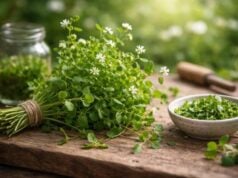
Caralluma (Caralluma fimbriata) is a succulent plant traditionally eaten in parts of India, often described as a “famine food” used during long travel or hunting to help curb hunger. Today it is better known as a weight-management supplement—marketed for appetite control, cravings, and waistline support. That modern interest is largely tied to its unique phytochemistry, especially pregnane glycosides, plus a mix of flavonoids and other plant compounds that may influence satiety signaling and metabolism.
At the same time, Caralluma’s reputation can run ahead of the evidence. Human studies suggest its effects—when present—tend to be modest, and outcomes vary by product quality, dose, and lifestyle context. If you are considering Caralluma, the smartest approach is to treat it as an adjunct: something that may support appetite awareness and reduce mindless snacking, rather than a standalone fat-loss solution. This guide explains what Caralluma is, what it contains, how people use it, what dose ranges have been studied, and how to use it safely.
Quick Overview
- Caralluma may modestly support appetite control and waist measurements in some people, especially alongside diet and activity habits.
- Gastrointestinal side effects (constipation, nausea, diarrhea) are the most common reasons people stop using it.
- Typical studied doses of standardized extract are 500–1,000 mg per day for 8–16 weeks.
- Avoid use during pregnancy or breastfeeding, and use caution with diabetes medicines or a history of eating disorders.
Table of Contents
- What is caralluma?
- Key ingredients in caralluma
- Does caralluma reduce appetite?
- Does caralluma support metabolic health?
- How to use caralluma
- How much caralluma per day?
- Side effects, interactions, and evidence
What is caralluma?
Caralluma (Caralluma fimbriata) is a drought-tolerant, cactus-like succulent from the Apocynaceae family (the same broader family group that includes several other medicinal succulents). It grows in arid regions and has a long-standing role as a practical, edible plant in certain communities—particularly where food scarcity or long travel made appetite control valuable. Traditionally it may be cooked as a vegetable, pickled, or chewed in small portions, with the folk idea that it helps “quiet hunger” and reduce the urge to eat frequently.
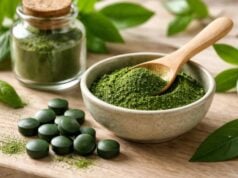
In modern supplement form, Caralluma is typically sold as a standardized extract in capsules or tablets. You may also see it described by older botanical naming such as Caralluma adscendens var. fimbriata in some legacy literature or product listings. From a consumer standpoint, what matters is not the naming nuance but the product’s identification and quality control: reputable brands should clearly list the species, plant part, extraction method, and dose per serving.
Caralluma’s main popular use today is weight management—specifically appetite suppression and reduction of cravings. This is different from “fat burning” supplements that rely on stimulants. Caralluma is generally marketed as non-stimulant, and users often describe the effect (when it occurs) as a subtle reduction in snacking or an easier time sticking to planned meals.
A helpful way to think about Caralluma is that it may influence the “decision layer” of eating—how often you feel compelled to reach for food—rather than dramatically changing metabolism on its own. That also means results are usually more noticeable when you have a structured eating plan to support: regular protein intake, consistent meal timing, and intentional snack boundaries.
Because Caralluma is frequently compared with other “appetite herbs,” it’s important to remember that these products can differ widely in mechanism, safety, and evidence quality. Your safest path is to use Caralluma only if it fits your health context, you can monitor effects and side effects, and you have realistic expectations about what it can and cannot do.
Key ingredients in caralluma
Caralluma’s activity is usually attributed to a distinctive group of compounds called pregnane glycosides, supported by additional plant chemicals that may contribute to antioxidant, anti-inflammatory, or metabolic effects. Understanding these constituents helps explain why Caralluma is positioned as an appetite-support supplement rather than a stimulant-driven weight-loss aid.
Pregnane glycosides
Pregnane glycosides are steroid-like compounds bound to sugar molecules. In Caralluma, they are frequently described as the primary bioactives linked to appetite and satiety effects. Mechanistically, researchers propose that these compounds may influence appetite signaling pathways in the brain (particularly hypothalamic pathways involved in hunger and fullness) and may also affect peripheral signals related to energy balance. In plain terms, if Caralluma works for you, it is more likely to reduce how intensely you experience hunger and cravings than to “speed up” your metabolism.
Flavonoids and phenolic compounds
Caralluma contains flavonoid-type compounds and other polyphenols that are often associated with antioxidant activity in laboratory settings. These compounds may help moderate oxidative stress and inflammation—two processes that can rise with excess body fat, high-sugar diets, or metabolic syndrome. While “antioxidant” is not a clinical outcome by itself, it can be part of a broader support picture for cardiovascular and metabolic health.
Saponins, triterpenoids, and related plant constituents
Caralluma also contains additional secondary metabolites such as saponins and triterpenoids. These are common across many medicinal plants and may contribute to digestive effects, mild immune modulation, or metabolic signaling. In supplements, these compounds are rarely standardized, but they can shape tolerability—especially gastrointestinal comfort.
What “standardized extract” really means
Many Caralluma products are described as standardized extracts, often implying a consistent amount of the key glycoside fraction. However, not all products standardize to the same marker, and some provide vague labeling. For practical decision-making, look for:
- Clear species identification (Caralluma fimbriata)
- Dose per serving in mg
- Standardization details (if provided) and batch testing claims
- Minimal unnecessary additives if you have GI sensitivity
Because Caralluma is usually used for appetite and weight-related goals, it is also common to see it paired with caffeine, green tea extracts, or other “metabolism” ingredients. Combination formulas can complicate troubleshooting: if you feel jittery or nauseated, it may not be Caralluma. If you want a clean self-test, start with Caralluma alone before moving to blends.
Overall, Caralluma’s key ingredients suggest plausible appetite-related effects, but product quality and standardization are major variables in real-world outcomes.
Does caralluma reduce appetite?
This is the most common reason people try Caralluma, and it’s also where expectations need the most calibration. The best-supported claim is not “rapid weight loss,” but potentially modest improvements in appetite control—especially reduced snacking, fewer cravings, and a slightly easier time sticking to a planned calorie target.
What people tend to notice (when it works)
Caralluma’s effect is often described as quiet rather than dramatic. Instead of feeling “full,” many users report:
- Less urgency to eat between meals
- Reduced preoccupation with snacks
- More stable appetite during the afternoon (a common craving window)
- Less rebound hunger during dieting attempts
That pattern matters because many weight-loss efforts fail not because of a lack of willpower, but because appetite ramps up as calories go down. If a supplement reduces that ramp-up even slightly, it can make adherence easier.
What human studies suggest
Across clinical trials, Caralluma extract has shown mixed results on appetite ratings. Some studies report improvements in waist circumference or calorie intake, while appetite questionnaire results are often inconsistent. A practical takeaway is that Caralluma may help certain behavioral outcomes (like snacking frequency) more than it changes subjective hunger scores in a reliable way.
If you want a useful comparison point, Caralluma is often discussed alongside other non-stimulant appetite botanicals. One example is hoodia for appetite and weight support, which is also marketed for hunger control but differs in evidence profile and sourcing concerns. These comparisons are helpful because they highlight a truth about appetite supplements: individual response varies widely.
Why “waist” sometimes changes more than “weight”
A recurring theme in Caralluma research is that changes in waist circumference can appear even when scale weight barely moves. This can happen for several reasons:
- Better calorie consistency: Fewer “extra bites” can reduce abdominal fat gain over time.
- Lower late-day snacking: Evening snacking is strongly linked to central adiposity for many people.
- Water and digestion changes: GI shifts can affect waist measurements temporarily, in either direction.
This is why a realistic tracking plan matters. If you try Caralluma, measure:
- Waist circumference at the navel (weekly, same conditions)
- Average calorie intake or snack frequency (even a simple tally)
- Hunger and cravings (1–10 rating at predictable times)
Who is most likely to benefit
Caralluma tends to make the most sense for people who:
- Struggle with frequent snacking or “grazing”
- Experience increased hunger when dieting
- Prefer to avoid stimulants
- Want an adjunct to a structured plan rather than a shortcut
If your main challenge is low activity, high liquid calories, or inconsistent sleep, Caralluma is unlikely to be the turning point by itself. But if cravings and appetite volatility are your primary barrier, a modest appetite-support tool may be genuinely helpful.
Does caralluma support metabolic health?
Beyond appetite, Caralluma is sometimes promoted for blood sugar, lipids, inflammation, and “metabolic syndrome” support. The evidence here is less direct in humans, but the topic matters because many people seeking weight-loss supplements also have insulin resistance, elevated triglycerides, or central obesity.
Blood sugar and insulin sensitivity
In animal and laboratory studies, Caralluma extracts have shown antihyperglycemic potential—meaning they may reduce elevated blood glucose under experimental conditions. Translating that to real life is tricky. In humans, the most consistent outcomes appear to be anthropometric (waist, weight maintenance) rather than strong changes in fasting glucose. Still, Caralluma may indirectly help glucose control if it reduces calorie intake and snacking—particularly refined carbohydrate snacking that spikes post-meal glucose.
If your main goal is blood sugar support, you will usually get more predictable results from diet fiber, resistance training, and clinically studied nutraceuticals. For a food-based reference point on metabolic support, bitter melon and diabetes support is often discussed in similar circles, though it has its own safety considerations and is not a replacement for medical care.
Lipids and cardiovascular markers
Some studies and mechanistic discussions suggest Caralluma could influence lipid metabolism. However, human outcomes on cholesterol and triglycerides are not consistently significant. This is an important “marketing vs reality” gap: a product can have promising mechanisms without producing meaningful clinical changes at typical supplement doses.
Inflammation and oxidative stress
Caralluma’s polyphenols and related compounds may support antioxidant defenses. If you are overweight, decreasing systemic inflammation is a reasonable goal—but the most powerful levers remain sleep, diet quality, and activity. Caralluma might play a supportive role if it improves diet adherence, thereby indirectly lowering inflammatory load.
Energy and endurance claims
Traditional use sometimes includes claims about endurance or thirst suppression. In modern terms, that could reflect practical satiety effects rather than a direct stimulant action. If you feel “more energetic” on Caralluma, it may be because you are eating more predictably and avoiding blood sugar swings—again, indirect rather than pharmacological.
A grounded summary: Caralluma’s clearest pathway to metabolic improvement is likely behavioral (better appetite control leading to better diet consistency). If you use it with that framing, you are less likely to be disappointed and more likely to pair it with habits that actually move metabolic markers.
How to use caralluma
Using Caralluma well is less about “taking a pill” and more about setting it up to support the specific behavior you want to change. Most people benefit when they treat it like a structure tool for appetite, not a substitute for nutrition planning.
Common forms
Caralluma is typically used as:
- Standardized extract capsules or tablets: Most common, easiest to dose consistently
- Powdered extract: Useful for flexible dosing, but taste can be unpleasant
- Traditional food preparation: Region-specific and less relevant for most supplement users
If you are using it for appetite, standardized capsules are usually the most practical because they reduce variability and make tracking easier.
How to time it
Many people take Caralluma 30–60 minutes before meals, particularly before the meals that trigger overeating (often lunch or dinner). If you struggle most with afternoon snacking, a pre-lunch dose or early afternoon dose may make more sense than taking it in the morning.
A simple use pattern:
- Take Caralluma before your two largest meals.
- Track snacking frequency and cravings for 2 weeks.
- Adjust timing based on when cravings typically spike.
How to pair it with food
Caralluma is often better tolerated when taken with water and a small amount of food if you are prone to nausea. However, if your goal is appetite support, taking it right before a meal may reduce the chance that you forget and helps you evaluate whether it changes portion size or post-meal cravings.
Stacking with other ingredients
Caralluma is frequently stacked with caffeine-based products, which can create a misleading impression of effectiveness. If you want a clean experiment, avoid stimulants at first. If you later want a mild metabolic “stack,” consider comparing it with a familiar non-stimulant or gently stimulating option like green tea benefits and daily uses, but introduce only one variable at a time.
Practical success tips
To get a fair trial:
- Choose one measurable target (for example, “no snacks after dinner” or “one planned snack only”).
- Use a consistent dose and timing for at least 2 weeks before judging.
- Keep protein and fiber stable so appetite shifts are easier to attribute.
- Avoid “compensation eating” (overeating because you “earned it” by taking a supplement).
Caralluma tends to shine as a support tool when you already have a plan and need help with the friction points—cravings, grazing, and calorie creep.
How much caralluma per day?
Caralluma dosing varies by product and by whether the extract is standardized. Most clinical research uses standardized extract, not raw plant powder, which is why label clarity matters.
Typical studied dose range
A common studied range is:
- 500–1,000 mg per day of Caralluma extract
- Often split into 250–500 mg twice daily
Duration in studies commonly ranges from 8 to 16 weeks. From a safety and practicality standpoint, it is reasonable to treat Caralluma as a time-limited tool: long enough to evaluate behavior change, not something you take indefinitely without reassessment.
Best way to start
If you are new to Caralluma or you have a sensitive stomach:
- Start at 250 mg per day for 3–5 days.
- Increase to 500 mg per day if tolerated.
- If needed, increase up to 1,000 mg per day (split dose) for a defined trial.
This staged approach helps you separate “my body hates this” from “this might help, but I started too aggressively.”
Timing guidance
- For appetite support: take 30–60 minutes before meals.
- For snack control: time a dose before the period when cravings usually appear.
- For GI tolerance: consider taking with a small snack and a full glass of water.
How long to try it
A realistic evaluation window is 2–4 weeks for appetite patterns and 8–12 weeks for waist or weight trends. If you see no meaningful change in cravings, snacking frequency, or waist measurements by week 4, continuing longer is unlikely to suddenly work—unless you also change the surrounding lifestyle variables.
Common variables that change results
Caralluma’s outcomes can look better or worse depending on:
- Calorie deficit size (too aggressive can overpower any appetite support)
- Protein and fiber intake (low intake increases hunger regardless of supplements)
- Sleep and stress (both can raise cravings)
- Gut tolerance (GI side effects can derail consistency)
If you are trying to increase fiber for appetite control, do it thoughtfully and with adequate water. A well-known fiber option is psyllium husk dosing and safety, which can complement appetite strategies—though it should be added gradually.
Ultimately, the best Caralluma dose is the lowest dose that supports your target behavior without causing side effects.
Side effects, interactions, and evidence
Caralluma is generally described as well tolerated in clinical studies, but that does not mean “side-effect free.” It also does not mean it reliably produces weight loss. This final section ties together safety and the real strength (and limits) of the evidence so you can make a rational decision.
Common side effects
The most frequently reported issues are gastrointestinal:
- Constipation or diarrhea
- Nausea or stomach discomfort
- Gas or bloating
- Occasional headache
- Rare skin rash in sensitive individuals
Many of these effects improve with dose reduction, split dosing, or taking with food. If side effects persist beyond a week, it is usually a sign the product is not a good match for you.
Interactions and cautions
Caralluma is not known for a long list of confirmed drug interactions, but several practical cautions make sense:
- Diabetes medicines: If Caralluma reduces calorie intake or modestly affects glucose, hypoglycemia risk can rise in people on glucose-lowering drugs. Monitor readings and discuss changes with your clinician.
- Weight-loss medications or stimulants: Combining multiple appetite suppressants can increase side effects and makes it harder to identify what is helping or harming.
- GI conditions: If you have IBS, chronic constipation, or reflux, start low and stop quickly if symptoms worsen.
- Eating disorders: Appetite suppression is not appropriate when restrictive patterns or compulsive control are part of the health picture.
- Pregnancy and breastfeeding: Avoid due to insufficient safety data.
Who should avoid caralluma
Avoid Caralluma if you are:
- Pregnant, breastfeeding, or trying to conceive
- Under 18 without medical guidance
- Managing an eating disorder history
- On multiple glucose-lowering medications without monitoring
- Experiencing unexplained weight loss, chronic GI symptoms, or severe food aversions
What the evidence actually supports
The best overall interpretation of the research is:
- Waist circumference: Some trials and pooled analyses suggest small reductions, but not consistently large.
- Body weight and BMI: Effects are often minimal or inconsistent.
- Appetite ratings: Sometimes unchanged even when waist outcomes improve.
- Metabolic markers: Often unchanged in short-term studies.
In other words, Caralluma is not a “fat loss supplement” in the dramatic sense. It is better viewed as an appetite-adherence tool that may help some people reduce calorie creep and central adiposity over time—especially when paired with diet structure.
If you choose to try it, decide in advance what success means (for example, fewer snacks per week or a measurable waist reduction) and set a stop rule if you do not see movement. That approach keeps Caralluma in its proper place: a supportive option, not a promise.
References
- The use of Caralluma fimbriata as an appetite suppressant and weight loss supplement: a systematic review and meta-analysis of clinical trials – PMC 2021 (Systematic Review and Meta-Analysis)
- The effect of an orally-dosed Caralluma Fimbriata extract on appetite control and body composition in overweight adults – PMC 2021 (RCT)
- Delving the Role of Caralluma fimbriata: An Edible Wild Plant to Mitigate the Biomarkers of Metabolic Syndrome – PMC 2022 (Review)
- Caralluma fimbriata Extract Improves Vascular Dysfunction in Obese Mice Fed a High-Fat Diet | MDPI 2024 (Animal Study)
Disclaimer
This article is for educational purposes only and does not provide medical advice, diagnosis, or treatment. Supplements can affect appetite, digestion, and blood sugar, and individual responses vary. If you are pregnant or breastfeeding, have a medical condition (especially diabetes or gastrointestinal disease), have a history of eating disorders, or take prescription medications, consult a qualified healthcare professional before using Caralluma or any weight-management supplement. Stop use and seek medical guidance if you develop persistent side effects, allergic symptoms, or concerning changes in appetite or weight.
If you found this article useful, please share it on Facebook, X (formerly Twitter), or your preferred platform to help others make informed, safety-first choices.