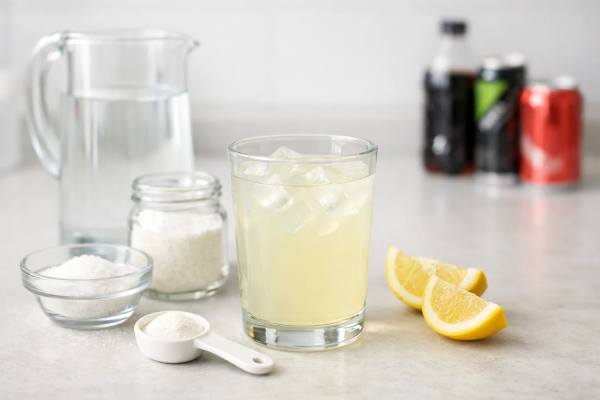
Diarrhea is often treated as a simple inconvenience, but it can quickly become a fluid-and-electrolyte problem—especially for children, older adults, and anyone already run down. With every loose stool, the body loses water plus minerals such as sodium and potassium that help control nerve signals, muscle function, blood pressure, and the way water moves in and out of the gut. That is why “just drink more water” is sometimes not enough, and why certain popular drinks can make symptoms worse.
The good news: most uncomplicated diarrhea improves with smart hydration at home. The key is choosing fluids that your intestines can absorb efficiently, and using a plan that matches your risk level. This guide explains how electrolyte replacement works, which drinks help most, what to avoid, and when an oral rehydration solution (ORS) is the most reliable choice.
Essential Insights
- ORS can replace fluids and electrolytes more effectively than plain water when diarrhea is frequent or dehydration risk is rising.
- Small, frequent sips often work better than large drinks, especially if nausea is present.
- Very sugary drinks can worsen diarrhea by pulling extra water into the intestines.
- Severe dehydration, bloody stools, or inability to keep fluids down needs urgent medical evaluation.
Table of Contents
- Electrolytes and dehydration basics
- When ORS is the best choice
- What to drink for mild diarrhea
- What to avoid while rehydrating
- Special cases and medication cautions
- Red flags and next steps
Electrolytes and dehydration basics
Electrolytes are minerals that carry an electrical charge in body fluids. The most relevant during diarrhea are sodium, potassium, chloride, and a “buffer” (often citrate) that helps correct the mild acid imbalance that can develop when fluid losses are significant. In plain language: electrolytes help your cells hold onto the right amount of water, and they keep your heart, muscles, and nerves functioning normally.
Diarrhea disrupts this balance in two ways:
- Losses are not just water. Loose stools contain meaningful sodium and potassium. The faster the transit, the less time the gut has to reabsorb them.
- Absorption is selective. The small intestine absorbs water best when sodium is absorbed with it. One of the most important “handoffs” is the sodium–glucose transporter: when the right amount of glucose is present alongside sodium, the gut can pull both into the body, and water follows.
That absorption detail explains a common frustration: some drinks hydrate on paper but not in practice. A beverage can contain electrolytes, yet still fail if the sugar concentration is high, the sodium is low, or the total dissolved particles (osmolarity) are too concentrated. When a drink is very “dense,” it can draw water into the gut instead of out of it, leading to more cramping and looser stools.
How to judge dehydration without equipment
You do not need to measure electrolytes at home to know whether hydration is keeping up. Use a pattern check:
- Urine: dark urine, minimal urine, or no urination for many hours suggests a problem.
- Thirst and dry mouth: persistent thirst, sticky mouth, or cracked lips can be early signs.
- Energy and focus: unusual fatigue, dizziness when standing, or confusion are warning signs.
- Heart rate and breathing: a racing heart at rest or fast breathing can occur as dehydration worsens.
- Skin and eyes: sunken eyes, cool hands and feet, or poor skin “bounce back” can indicate significant fluid loss (especially in children).
The goal is simple: choose a fluid strategy that your gut can absorb comfortably and consistently—then adjust based on your body’s feedback.
When ORS is the best choice
An oral rehydration solution (ORS) is a specific mix of water, salts, and glucose designed to maximize intestinal absorption during diarrhea. It is not a generic “electrolyte drink,” and it is not the same thing as sports hydration products. ORS is most useful when the question is not “Can I drink?” but “Can I absorb enough to keep up?”
Situations where ORS is usually the smartest first pick
ORS is often the best option when any of the following are true:
- Frequent watery stools, especially if you are losing more fluid than you can comfortably replace with normal drinks.
- Signs of dehydration (dark urine, dizziness, dry mouth, marked thirst).
- Vomiting is present, because ORS can be taken in tiny, repeated sips that are easier to tolerate.
- Higher-risk bodies: infants and young children, older adults, pregnant people, and anyone with frailty or a low “reserve.”
- Heat exposure or heavy sweating on top of diarrhea, which increases sodium loss and dehydration risk.
How to take ORS so it actually works
The most common reason ORS “fails” is not the formula—it is the pace.
- Start small: 5–15 mL (1–3 teaspoons) every 1–2 minutes if nausea is present. Use a spoon, syringe, or small cup.
- Build up gradually: as tolerated, move to steady sipping.
- Replace what you lose: a practical adult approach is to drink an extra cup (roughly 200–250 mL) after each loose stool, and more if stools are large-volume. Children are often guided by weight-based replacement, with smaller, more frequent amounts.
- Mix exactly as directed: concentrated ORS (too little water) can worsen diarrhea and raise sodium too high; overly diluted ORS under-replaces electrolytes.
When ORS is not enough on its own
ORS is for mild to moderate dehydration and for preventing dehydration from getting worse. It is not a substitute for urgent care in severe dehydration, shock, or severe lethargy. If someone is confused, very drowsy, fainting, or cannot keep any fluid down, intravenous fluids and medical evaluation may be needed.
Used correctly, ORS is a high-confidence tool: it is predictable, gentle on the stomach, and effective across many causes of acute diarrhea.
What to drink for mild diarrhea
If your diarrhea is mild and you are still urinating normally, you may not need ORS for every case. The goal shifts to maintenance hydration: keeping fluid intake steady without irritating the gut.
Best options when symptoms are mild
These tend to be well tolerated and helpful:
- Water, taken steadily: frequent small drinks are often easier than large glasses.
- Broth-based fluids: lightly salted broths can provide sodium and may feel soothing when appetite is low.
- Weak tea or warm water: warmth can reduce the “gut spasm” feeling for some people.
- Rice water or thin congee liquid: a gentle option that provides fluid with a small amount of starch.
- Appropriate electrolyte drinks: if you choose a commercial electrolyte beverage, look for one that is not very sweet and is designed for illness-related hydration rather than sports performance.
What about juice, soda, and “clear liquids”?
Traditional advice often centers on “clear liquids,” but clarity does not equal suitability. Many clear drinks are sugar-heavy. A better approach is to think in terms of concentration:
- Drinks that are very sweet can worsen diarrhea by increasing the amount of water pulled into the intestines.
- Drinks that are very low in sodium may not replace what is being lost if diarrhea is frequent.
If you want something flavored, consider diluting it (for example, mixing a small amount of juice with more water) rather than drinking it full strength. This is more likely to be tolerated, especially if you are drinking repeatedly through the day.
A simple “sip schedule” for adults
For mild diarrhea without dehydration signs:
- Take several sips every 5–10 minutes for the first hour.
- Increase to a comfortable pace as cramps settle.
- Add extra fluid after each loose stool.
- Aim for pale yellow urine and steady energy.
When food returns, drinks change too
As appetite comes back, hydration often becomes easier because you are also getting water and electrolytes from food. Simple, lower-fat meals and salty foods can help stabilize intake. If dairy seems to worsen cramping or stool urgency, pause it temporarily and reintroduce later.
The main rule: choose drinks that your gut can absorb without “overloading” it, and keep intake consistent rather than heroic.
What to avoid while rehydrating
Some drinks fail during diarrhea not because they are “bad,” but because they are poorly matched to an inflamed, fast-moving gut. Avoiding a few common traps can reduce symptoms and improve hydration success.
High-sugar drinks and why they backfire
When a beverage contains a lot of sugar—especially in a concentrated form—it can increase the osmotic load in the intestine. That encourages water to stay in the gut rather than being absorbed. Common culprits include:
- Regular soda and sweetened iced tea
- Undiluted fruit juice (especially apple and pear juice)
- Energy drinks and sweet coffee drinks
- Very sweet “electrolyte” beverages aimed at taste first
Sugar alcohols (often found in “sugar-free” drinks, candies, and gums) can be particularly problematic. Ingredients like sorbitol, mannitol, and xylitol can pull water into the intestines and trigger urgency.
Alcohol and caffeine
- Alcohol can worsen dehydration and irritate the gastrointestinal lining. It also disrupts sleep and recovery.
- Caffeine is not automatically forbidden, but large amounts can increase gut motility and worsen urgency. If you are dehydrated, shaky, or not urinating much, caffeine is a poor choice.
Carbonation and very acidic drinks
Carbonated beverages can increase bloating and discomfort, especially if cramping is prominent. Very acidic drinks can aggravate nausea and may feel harsh on an irritated stomach. If you want carbonation, waiting until stools are improving is usually more comfortable.
Sports drinks: sometimes useful, often misunderstood
Sports drinks were designed for sweating, not diarrhea. They often contain:
- Less sodium than ORS, which matters when stool losses are high.
- More sugar than is ideal for a sensitive gut.
For a healthy adult with mild diarrhea who is eating some salt, a diluted sports drink may be tolerable for a short period. But it is not the best tool when diarrhea is frequent, when nausea limits intake, or when the person is a child or older adult at higher dehydration risk.
If you are unsure, keep it simple: avoid very sweet beverages, skip alcohol, go easy on caffeine, and choose a hydration strategy that feels calming rather than stimulating.
Special cases and medication cautions
Diarrhea management changes when the person is very young, older, pregnant, or living with certain medical conditions. The safest plan is the one that respects physiology and risk.
Infants and young children
Children can dehydrate faster than adults because their fluid reserve is smaller. Practical points:
- Use small, frequent doses: tiny sips or spoonfuls every 1–2 minutes often work better than larger volumes.
- Be careful with “home drinks”: homemade mixtures are easy to mis-measure. If you use a home recipe in an emergency, accuracy matters.
- Avoid adult-style electrolyte products: many are too sugary or not balanced for illness-related fluid loss.
- Watch behavior: sleepiness that is unusual, weak crying, very dry mouth, or no wet diapers for many hours should be treated as urgent.
Older adults
Older adults may have a weaker thirst signal and may take medications that affect fluid balance. They are also more vulnerable to dizziness and falls. ORS is often a sensible early choice if stools are frequent or appetite is low.
Pregnancy
Hydration is important, but persistent vomiting, fever, or inability to keep fluids down can become risky more quickly. If symptoms are moderate or prolonged, medical guidance is wise.
Heart, kidney, and endocrine conditions
If someone has heart failure, chronic kidney disease, or needs tight control of sodium or fluid intake, electrolyte replacement should be individualized. ORS is still sometimes used, but dosing and monitoring may need clinician input.
Medication interactions and symptom “shortcuts”
A few common cautions:
- Diuretics can increase dehydration risk when diarrhea is present.
- Blood pressure medications may contribute to dizziness when volume is low.
- Anti-diarrheal drugs (like loperamide) can be useful for non-bloody watery diarrhea in adults, but they are not appropriate for certain infections and should be avoided if there is blood in the stool or high fever unless a clinician advises otherwise.
If you are caring for someone higher-risk, the best approach is conservative: prioritize well-balanced hydration, use small frequent intake when nausea exists, and escalate care earlier rather than later when warning signs appear.
Red flags and next steps
Most acute diarrhea improves within a few days, but it is not something to “tough out” when dehydration or infection risk is rising. A clear escalation plan prevents complications.
Urgent signs of dehydration
Seek urgent medical care if any of the following occur:
- Confusion, fainting, severe weakness, or inability to stay awake
- No urination for many hours (or no wet diapers in infants)
- Very fast heartbeat, chest discomfort, or severe lightheadedness
- Inability to keep fluids down due to repeated vomiting
- Cold, clammy skin or signs of shock
Red flags suggesting more than routine viral diarrhea
Contact a clinician promptly if you notice:
- Blood or black, tarry stools
- High fever, severe abdominal pain, or a rigid abdomen
- Diarrhea that is severe or worsening after the first 24–48 hours
- Recent antibiotic use, which can change the risk profile of causes
- Significant immune compromise or serious chronic disease
- Signs of dehydration in a child, older adult, or pregnant person
How to track progress at home
A simple checklist helps you know whether you are moving in the right direction:
- Frequency: Are stools becoming less frequent or less watery?
- Intake: Can you drink steadily without nausea worsening?
- Urine: Is urination becoming more regular and lighter in color?
- Energy: Is dizziness improving? Can you stand and walk comfortably?
- Temperature: Is fever absent or resolving?
When ORS becomes the turning point
If you are trying to hydrate with regular drinks and you are still getting weaker, not urinating, or feeling “dry” and dizzy, treat that as a sign to switch strategies. ORS is often the next best step because it is designed for absorption during diarrhea, not just for taste or sweat-related hydration.
And if ORS is not improving symptoms—especially when red flags are present—medical evaluation matters. Dehydration can become dangerous quietly, and early treatment is usually simpler than late treatment.
References
- Low-osmolarity oral rehydration solution for childhood diarrhoea: A systematic review and meta-analysis – PubMed 2024 (Meta-Analysis)
- Oral Rehydration Salt Solutions for Children: A Review – PubMed 2025 (Review)
- Understanding the use of oral rehydration therapy: A narrative review from clinical practice to main recommendations – PMC 2022 (Review)
- Acute gastroenteritis—changes to the recommended original oral rehydrating salts: a review – PMC 2023 (Review)
- Acute gastroenteritis in adults – PMC 2025 (Review)
Disclaimer
This article is for educational purposes and does not replace individualized medical advice, diagnosis, or treatment. Diarrhea can lead to dangerous dehydration, especially in infants, older adults, pregnant people, and those with chronic medical conditions. If you have severe symptoms, blood in the stool, high fever, signs of dehydration, or symptoms that are persistent or worsening, seek urgent medical care or contact a qualified clinician.
If you found this guide helpful, consider sharing it on Facebook, X (formerly Twitter), or any platform you prefer so others can make safer choices when diarrhea strikes.