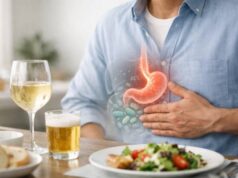
Diarrhea that reliably follows meals can feel like your digestive system has a mind of its own. Sometimes the cause is simple—too much caffeine, a very rich meal, or a short-lived stomach bug. Other times, post-meal diarrhea is a clue that digestion or absorption is out of balance, such as lactose intolerance, sensitivity to certain carbohydrates, bile acid diarrhea, or irritable bowel syndrome with diarrhea (IBS-D). The reassuring part is that patterns are powerful: when symptoms start, which foods predict them, and what the stool looks like can narrow the possibilities quickly. This article walks you through the most common triggers, the food intolerances that are worth testing, and the conditions that can mimic “food reactions.” You will also find a practical plan to troubleshoot symptoms safely and clear guidance on when testing or medical evaluation is the next best step.
Core Points
- The timing of diarrhea after eating often points to the mechanism, which helps you choose the right next step.
- Common triggers include large fatty meals, caffeine, alcohol, and certain sweeteners and high-FODMAP foods.
- Short, structured food trials and symptom tracking are usually more useful than broad long-term restriction.
- Seek prompt evaluation for blood in stool, fever, nighttime diarrhea, weight loss, or dehydration signs.
Table of Contents
- Why diarrhea happens after meals
- Common meal triggers to check
- Food intolerances and sensitivities
- Gut conditions beyond intolerance
- A practical troubleshooting plan
- Next steps and medical evaluation
Why diarrhea happens after meals
When diarrhea happens soon after eating, it is tempting to blame the last food you ate. But the body has built-in reflexes and chemical signals that speed digestion after a meal. In some people, that normal response is simply stronger, and the result is urgency and loose stools.
The gastrocolic reflex and “fast transit”
Eating stretches the stomach and triggers nerve and hormone signals that increase colon movement. This is the gastrocolic reflex, and it is one reason many people feel the urge to go after breakfast. If the reflex is exaggerated—often with stress, poor sleep, or IBS—food can act like a “starter pistol” for the colon. The stool you pass may reflect what was already in your colon, not the meal you just ate, which is why triggers can be confusing.
Osmotic versus secretory diarrhea
Two simplified mechanisms explain many meal-related patterns:
- Osmotic diarrhea: unabsorbed sugars or carbohydrates pull water into the intestine. This often comes with gas and bloating and is common with lactose intolerance, fructose malabsorption, and sugar alcohols.
- Secretory diarrhea: the intestine secretes extra water and electrolytes. This can occur with bile acid diarrhea and some infections or inflammatory conditions. Stools are often very watery and may occur even when you have not eaten much.
Clues from timing and stool character
A helpful way to interpret your pattern is to map symptoms to a rough timeline:
- Within 5–30 minutes: often gastrocolic reflex, caffeine effect, anxiety surge, or very high-fat meals triggering rapid colon response.
- Within 30 minutes–3 hours: more suggestive of carbohydrate intolerance (lactose, fructose, high-FODMAP meals) or reactive gut sensitivity.
- Several hours to next morning: can still be food-related, but raises the odds of cumulative triggers (large portions, alcohol, late eating) or an underlying gut condition.
Stool features add information:
- Greasy, floating, hard-to-flush stool suggests fat malabsorption.
- Watery with intense urgency can fit bile acid diarrhea or inflammatory causes.
- Loose stool with gas and cramping often fits carbohydrate intolerance or IBS patterns.
This is not about diagnosing yourself from a single clue. It is about building a short list of likely causes so your next steps are targeted, not random.
Common meal triggers to check
Many people chase rare intolerances when the real triggers are everyday dietary patterns that reliably speed motility or overwhelm digestion. Before you eliminate major food groups, it helps to check the usual suspects in a structured way.
High-probability triggers that act fast
These triggers often cause diarrhea within minutes to an hour by stimulating gut movement:
- Caffeine: coffee, energy drinks, strong tea, and some pre-workout powders can increase colon contractions. Even decaf can bother some people because other compounds still stimulate the gut.
- Alcohol: especially on an empty stomach or combined with rich food. Alcohol can speed transit, irritate the lining, and alter fluid balance.
- Large, high-fat meals: fat slows stomach emptying but can trigger strong hormonal signals and, in some people, an urgent colon response later in the meal.
- Spicy foods: capsaicin can trigger burning, cramping, and urgency in sensitive individuals.
- Very large portions: sheer volume can amplify the gastrocolic reflex, even if the food is otherwise “safe.”
Ingredients that commonly cause osmotic diarrhea
These trigger water to move into the gut and often cause bloating and gas:
- Sugar alcohols: sorbitol, mannitol, xylitol, erythritol (common in “sugar-free” gum, candies, protein bars, and some “keto” foods)
- Large fructose loads: fruit juices, honey, high-fructose sweeteners, and very large servings of certain fruits
- Concentrated lactose: milk-based shakes, ice cream, or large amounts of soft cheese for those with low lactase
Trigger clusters that fool people
Symptoms often come from combinations, not single foods. Common clusters include:
- Coffee + pastry: caffeine plus wheat-based fermentable carbs and sugar can trigger urgency and bloating together.
- Salad + dressing + fizzy drink: raw fiber plus fat plus carbonation can amplify motility and gas.
- Restaurant meal + alcohol: high fat, large portion, and alcohol are a classic trio for post-meal diarrhea.
How to test triggers without over-restricting
Instead of cutting everything, run a simple, high-signal experiment for 7 days:
- Keep meals mostly consistent.
- Remove one high-probability trigger (for example, caffeine or sugar alcohols).
- Track stool urgency and consistency after meals.
- Reintroduce the trigger once and see if symptoms return.
If changing one variable creates a clear difference, you have likely found an actionable lever. If nothing changes, that is useful too—it tells you to shift focus toward intolerances, patterns like IBS, or medical evaluation rather than endless dietary fine-tuning.
Food intolerances and sensitivities
Food intolerances can cause diarrhea after eating, but the pattern is usually more specific than “everything bothers me.” Most intolerances are dose-dependent, meaning you may tolerate small amounts but react to larger servings or trigger combinations.
Lactose intolerance
Lactose intolerance occurs when the small intestine does not produce enough lactase to digest lactose (milk sugar). Undigested lactose reaches the colon, where bacteria ferment it, producing gas and drawing in water.
Typical features include:
- diarrhea, bloating, gas, and cramping
- symptoms starting about 30 minutes to 2 hours after dairy (timing varies)
- worse reactions with milk, ice cream, and soft cheeses; better tolerance with small amounts, hard cheeses, or lactose-free products
Practical testing can be simple: a short dairy pause (often 7–14 days) followed by a single controlled reintroduction of a known lactose load. If you react reliably, you can focus on dose, lactose-free options, or lactase enzyme tablets rather than eliminating all dairy indefinitely.
Fructose malabsorption and high-FODMAP sensitivity
Fructose malabsorption and sensitivity to fermentable carbohydrates (often called FODMAPs) can cause loose stools, urgency, and bloating after meals. This is common in IBS-D and can be triggered by:
- large servings of fruit or fruit juice
- honey and high-fructose sweeteners
- wheat-based meals combined with onions or garlic
- certain legumes and some sweeteners
A key clue is the combination of gas, distension, and diarrhea after specific carbohydrate-heavy meals. A brief, structured reduction (often 2–4 weeks) followed by reintroduction of one food group at a time is usually more informative than long-term broad restriction.
Gluten, wheat, and celiac disease
Celiac disease is an immune-mediated condition triggered by gluten that can cause diarrhea, weight loss, iron deficiency, and nutrient malabsorption. It matters because the treatment requires strict avoidance and the diagnosis is best made before starting a gluten-free diet.
Non-celiac wheat or gluten sensitivity is different: symptoms may improve when wheat is reduced, but the mechanism may relate to fermentable carbohydrates in wheat rather than gluten itself. If gluten-containing foods consistently trigger diarrhea, the safest next step is to discuss testing rather than self-prescribing lifelong restriction.
Histamine and additive sensitivity
A smaller subset of people react to certain food chemicals or additives, such as very high-histamine meals, sulfites, or certain emulsifiers. These patterns are usually inconsistent unless a person has a broader sensitivity profile. If you suspect this, it is especially important to keep the trial narrow and time-limited so you do not end up avoiding a long list without clear proof.
The unifying principle: intolerances are best handled with short, clean trials and intentional reintroduction. That approach protects nutrition and helps you identify what truly matters.
Gut conditions beyond intolerance
When diarrhea after eating becomes frequent, severe, or unpredictable, the cause is often more than a single “trigger food.” Several gut conditions can present as post-meal urgency and may be missed if the focus stays only on diet.
IBS with diarrhea and functional diarrhea
IBS-D is one of the most common reasons for post-meal diarrhea. Typical features include:
- urgency after meals, especially breakfast or lunch
- cramping that improves after a bowel movement
- symptom flares with stress, travel, poor sleep, or hormonal changes
- alternating “almost normal” days with flare days
IBS is not a diagnosis of “nothing is wrong.” It reflects altered gut-brain signaling, motility shifts, and sensitivity. Many people improve with targeted carbohydrate management, meal timing, soluble fiber, and stress-physiology tools.
Bile acid diarrhea
Bile acids help digest fat, and they are normally reabsorbed in the ileum. If too much bile acid reaches the colon, it can trigger watery diarrhea and urgency. Clues include:
- watery diarrhea, often with urgency and occasional incontinence
- symptoms that may be worse after fatty meals
- a history of gallbladder removal or ileal disease in some cases
- diarrhea that can persist even when you have not eaten much
Bile acid diarrhea is important because it may respond to specific therapies, and it is frequently mistaken for IBS-D.
Microscopic colitis
Microscopic colitis causes chronic watery diarrhea, often in middle-aged or older adults, and colonoscopy can look normal unless biopsies are taken. Clues include:
- watery diarrhea that persists for weeks
- nighttime diarrhea or waking to stool
- stool urgency without obvious dietary cause
Certain medications and smoking history can increase risk. Because it requires specific evaluation, ongoing watery diarrhea with nocturnal symptoms should not be managed by diet alone.
Fat malabsorption and pancreatic insufficiency
If stools are greasy, pale, floating, and foul-smelling—or if there is weight loss—fat digestion problems move higher on the list. Pancreatic enzyme insufficiency can cause diarrhea after meals, bloating, and nutritional deficiencies. This is more likely in people with chronic pancreatitis risk factors, long-standing diabetes, or prior pancreatic surgery, but it can occur in other contexts as well.
Inflammatory bowel disease and infections
Inflammatory bowel disease can cause diarrhea after eating, but it often includes blood, weight loss, anemia, fevers, or persistent pain. Infections can also cause post-meal diarrhea, especially if symptoms began suddenly and others are sick.
If your symptoms are escalating, occurring at night, or associated with weight loss, blood, fever, or dehydration, it is time to shift from “trigger hunting” to evaluation.
A practical troubleshooting plan
A good plan should give you clarity quickly without turning eating into a full-time job. The goal is to identify high-yield triggers, reduce symptom burden, and decide whether medical testing is warranted.
Step 1: Get a clean baseline for 7 days
For one week, aim for consistency:
- Keep meal timing stable.
- Limit alcohol and avoid new supplements.
- Choose simple, familiar foods you generally tolerate.
- Track symptoms in a short log: meal time, stool urgency within 3 hours, stool consistency, and pain score (0–10).
This baseline helps you see whether symptoms are truly meal-triggered or part of a broader daily pattern.
Step 2: Run a “single-variable” trigger test
Pick one high-probability trigger to remove for 7 days:
- caffeine or
- sugar alcohols or
- very high-fat meals or
- large portion sizes
If symptoms improve noticeably, reintroduce the trigger once in a controlled way. A clear return of symptoms is strong evidence.
Step 3: Short targeted intolerance trials
If trigger tests are inconclusive, try one intolerance-focused trial at a time:
- Lactose trial (7–14 days): switch to lactose-free dairy or remove high-lactose foods, then challenge once.
- Fructose and high-FODMAP trial (2–3 weeks): reduce the most common high-FODMAP clusters (onions, garlic, certain wheat-heavy meals, large fruit juice loads), then reintroduce systematically.
Avoid stacking multiple elimination diets at once. You want clean answers, not a confusing improvement you cannot attribute.
Step 4: Support the gut while you troubleshoot
These strategies reduce urgency regardless of the root cause:
- Hydration and electrolytes: especially if stools are watery.
- Smaller meals more often: large meals amplify the gastrocolic reflex.
- Soluble fiber with food: small amounts can improve stool form for many people (go slowly to avoid gas).
- A calm eating rhythm: slower eating and fewer “grab-and-go” meals can reduce reflex urgency.
- Fat timing: if fat is a trigger, spread it across meals rather than concentrating it at dinner.
Step 5: Decide if you are improving enough
A meaningful improvement can look like:
- fewer urgent episodes per week
- less watery stool
- better predictability after meals
- fewer “avoid eating because I am afraid” moments
If you are not improving after structured trials—or if red flags appear—move to medical evaluation rather than continuing to restrict foods.
Next steps and medical evaluation
The right “next step” depends on severity, duration, and red flags. If diarrhea after eating is occasional and clearly linked to a trigger (like sugar alcohols or caffeine), you may not need testing. If it is frequent, persistent, or disruptive, evaluation can save time and reduce unnecessary restriction.
When to seek prompt care
Seek urgent or prompt medical guidance if you have:
- blood in stool or black stools
- fever, severe abdominal pain, or persistent vomiting
- dehydration signs (dizziness, fainting, minimal urination, confusion)
- unintentional weight loss or anemia
- nighttime diarrhea or waking from sleep to stool
- symptoms lasting more than 3–4 weeks, especially if worsening
These features increase concern for inflammatory, infectious, or malabsorptive conditions that should not be managed by diet alone.
What to ask about in an appointment
A focused conversation is more productive than “I think I react to everything.” Useful topics include:
- Pattern and timing: how soon after eating, how many days per week, any nocturnal symptoms
- Stool features: watery versus greasy, urgency, mucus, visible blood
- Medication and supplement review: magnesium, metformin, certain antidepressants, and many other agents can contribute
- Relevant history: gallbladder removal, bowel surgery, family history of celiac or inflammatory bowel disease, recent travel, or antibiotic exposure
Common tests used to clarify causes
Testing is individualized, but clinicians often consider:
- basic blood work to check anemia, inflammation, thyroid status, and electrolyte balance
- celiac screening when symptoms fit and before dietary gluten avoidance
- stool testing when infection or inflammation is suspected
- markers that help separate IBS-like patterns from inflammatory disease
- evaluation for bile acid diarrhea or fat malabsorption when clues point that way
- colonoscopy with biopsies when microscopic colitis, inflammatory disease, or other pathology is suspected
How to prepare so you get better answers
Bring a one-page summary:
- 7–14 days of meal timing and symptom notes
- your top suspected triggers and what happened during short trials
- stool frequency range (best day versus worst day)
- any red flag symptoms, even if intermittent
- current medications and supplements
This turns your appointment into problem-solving rather than guesswork. Most importantly, do not start multiple strict eliminations right before evaluation. It can mask important patterns and complicate diagnostic testing.
References
- Evidence-Based Clinical Guidelines for Chronic Diarrhea 2023 2024 (Guideline)
- ACG Clinical Guideline: Management of Irritable Bowel Syndrome 2021 (Guideline)
- Lactose Intolerance and Malabsorption Revisited: Exploring the Impact and Solutions 2025 (Review)
- Bile Acid Diarrhea: From Molecular Mechanisms to Clinical Diagnosis and Treatment in the Era of Precision Medicine 2024 (Review)
- Differential Diagnosis of Chronic Diarrhea: An Algorithm to Distinguish Irritable Bowel Syndrome With Diarrhea From Other Organic Gastrointestinal Diseases, With Special Focus on Exocrine Pancreatic Insufficiency 2023 (Review)
Disclaimer
This article is for educational purposes only and does not provide medical advice, diagnosis, or treatment. Diarrhea after eating can be caused by benign triggers, food intolerances, infections, medication side effects, and medical conditions that require targeted evaluation. Seek urgent medical care for severe abdominal pain, fever, blood in stool, black stools, signs of dehydration (dizziness, fainting, minimal urination, confusion), persistent vomiting, or rapid worsening of symptoms. If diarrhea persists for several weeks, occurs at night, or is associated with weight loss or anemia, consult a qualified healthcare professional for individualized assessment and appropriate testing.
If you found this article helpful, consider sharing it on Facebook, X (formerly Twitter), or any platform you prefer.