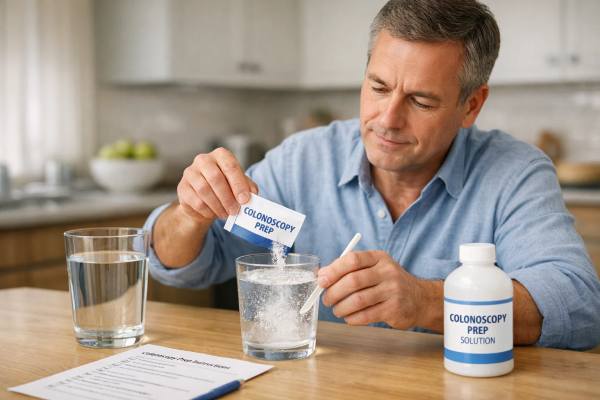
A colonoscopy can do something few medical tests can: it can both find early changes and prevent future cancer by removing polyps during the same visit. The catch is simple but important—your colon has to be clean enough for your clinician to see the lining clearly. When prep is incomplete, small polyps can hide, the procedure may take longer, and you may be asked to repeat it sooner than expected.
The good news is that colonoscopy prep is highly “tunable.” Small choices—timing your doses, choosing the right liquids, and planning for comfort—can make the process easier and improve results. This guide walks you through practical, evidence-informed strategies to reduce nausea, avoid common mistakes, and get a truly effective cleanse, while keeping safety front and center for people with constipation, diabetes, kidney disease, and other special situations.
Key insights for smoother prep
- A thorough prep improves visibility and lowers the chance of needing an early repeat exam.
- Split-dose schedules often clean better and feel more tolerable than taking everything the night before.
- Hydration and electrolytes (when appropriate) reduce headaches, dizziness, and “washed out” fatigue.
- Some bowel preps and add-ons are not safe for everyone, especially with kidney disease, heart failure, or complex medication regimens.
- Set up a simple system: a low-fiber day, a split-dose plan, and a “clear yellow” stool goal by the end of prep.
Table of Contents
- Why prep quality matters
- Plan your prep like a timeline
- Low-fiber foods and clear liquids
- Split-dose strategy and taste hacks
- Troubleshooting when prep is not working
- Safety meds and high-risk situations
Why prep quality matters
Colonoscopy prep is not a formality—it is a core part of the test. A clean colon lets your clinician inspect the lining, identify subtle inflammation, and detect small or flat polyps that can be easy to miss. If the view is cloudy, the exam becomes less reliable and more stressful for everyone involved.
What “good prep” changes for you
When preparation is adequate, several benefits follow naturally:
- Better detection of small polyps and early lesions, especially flat ones that can blend into the colon wall
- Shorter procedure time because the clinician spends less time washing and suctioning
- Clearer follow-up plan, since surveillance intervals usually assume the exam was complete and visibility was good
- Lower chance of a repeat colonoscopy in the near future due to “inadequate prep”
Many people focus on “getting through” the prep. A better mindset is “getting a clean result.” A few extra choices up front can spare you the disappointment of being told the exam needs to be repeated sooner than expected.
What causes most prep failures
Inadequate prep is usually not about willpower—it is about predictable obstacles. The most common ones include:
- Timing that is off, especially taking the entire prep too early relative to the procedure
- Not finishing the solution, often due to nausea, taste fatigue, or bloating
- Dehydration, which can slow bowel movement and make you feel ill
- Constipation baseline, opioid use, or slow gut motility
- Eating “almost low fiber” foods that still leave residue (nuts, seeds, raw vegetables, corn, berries, whole grains)
If you have struggled with constipation or had a prior “not clean enough” colonoscopy, you are not doomed to repeat the experience. You simply need a plan that accounts for your baseline.
What your output should look like
Clinics vary in how they describe the goal, but many people do well with a simple visual target by the end of the prep: liquid stool that is clear to yellow, like pale lemonade, with minimal sediment. If it is still brown, thick, or full of particles close to the procedure time, that is a sign you may need to contact the clinic for advice rather than hoping it will “catch up” on its own.
Good prep is not perfection—it is visibility. Your job is to create the conditions for a clear view.
Plan your prep like a timeline
The easiest prep is the one you do not have to improvise. A timeline keeps you from making last-minute food choices, missing medication adjustments, or realizing too late that you ran out of clear liquids. Think of prep as a short project with three phases: set-up, cleanse, and recovery.
Seven days before: set up the basics
Start by reading your clinic’s instructions once, then read them again with a highlighter mindset. Prep directions differ by product and procedure time. Use this week to:
- Confirm procedure time and the required arrival time
- Arrange a ride home if sedation is planned
- Ask about medications that affect bleeding or hydration, especially blood thinners, diuretics, NSAIDs, and iron
- If you are prone to constipation, ask whether you should use a gentle stool softener or a clinician-approved “ramp-up” plan
Also gather supplies early. A small shopping list prevents the “nothing is allowed to eat” feeling that leads to poor choices.
Suggested supplies:
- Clear liquids you can tolerate (broth, electrolyte drinks, apple juice, tea)
- A thermometer-free comfort kit: soft toilet paper, wet wipes, barrier cream, and a small trash bag
- A straw, a large water bottle, and something to distract you (audiobook or playlist)
Two to three days before: reduce residue
Many people do best by easing into prep rather than swinging from a normal diet to clear liquids overnight. If your clinic allows it, consider a low-fiber, low-residue approach for 1–3 days—especially if you tend toward constipation.
Common low-residue choices include:
- Eggs, yogurt, tofu, fish, poultry
- White rice, pasta, sourdough or white bread
- Well-cooked peeled vegetables (small portions)
- Smooth soups without seeds, skins, or whole grains
Avoid the classic residue traps: popcorn, nuts, seeds, raw salads, corn, berry skins, chia or flax, and heavily whole-grain meals.
The day before and the day of: follow the engine room rules
The day before is usually where the work happens. Your job is to:
- Stay on allowed liquids and keep sipping steadily
- Take the prep exactly on schedule (more on split dosing below)
- Protect sleep where you can by starting early enough to avoid a midnight scramble
- Stop all intake when instructed, because sedation and safety rules require an empty stomach
Finally, plan your post-procedure recovery. Most people feel best with a light meal, steady hydration, and a calm day. A simple plan reduces anxiety and makes the prep feel more contained.
Low-fiber foods and clear liquids
Diet is the quiet lever that can make prep easier. The goal is not to “starve” but to reduce residue and support hydration, so the bowel prep solution can do its job without fighting a backlog. Your clinic’s rules come first, but the strategies below help many people stay comfortable and effective.
Low-fiber eating: keep it simple and predictable
If you are allowed low-fiber foods before the clear-liquid phase, pick items that leave minimal undigested material:
Good options (when permitted by your instructions):
- Eggs, smooth yogurt, cottage cheese
- White rice, pasta, refined cereals
- Broth-based soups strained of solids
- Tender poultry or fish
- Small portions of peeled, well-cooked vegetables
Foods that commonly sabotage prep even in small amounts:
- Seeds and “tiny bits” (berries, tomatoes, cucumbers, kiwi)
- Nuts, popcorn, granola
- Raw vegetables and large salads
- Whole grains and high-fiber breads
- Beans and lentils (healthy, but often too residue-heavy right before colonoscopy)
If you are unsure about a food, ask yourself one question: “Will this leave pieces behind?” If yes, skip it.
Clear liquids: what counts and how to use them
Clear liquids are those you can see through at room temperature. They help prevent dehydration and keep the prep moving. Commonly allowed clear liquids include:
- Water and ice chips
- Clear broth (chicken, beef, vegetable)
- Tea or coffee without milk or cream
- Apple juice or white grape juice
- Sports drinks or electrolyte solutions
- Clear sodas or sparkling water
- Plain gelatin and certain clear popsicles (if permitted)
A widely used practical rule is to avoid red, purple, and sometimes blue dyes, which can resemble blood or dark residue during the exam.
Hydration targets that feel doable
Many adults feel better aiming for about 8–12 cups (2–3 liters) of approved clear liquids across the day before the procedure, adjusting for body size and any fluid restriction. If you are not allowed that much due to heart or kidney conditions, follow your clinician’s guidance and focus on small, frequent sips rather than large chugs.
A simple pacing strategy:
- Sip 4–8 ounces every 15–20 minutes while awake
- Alternate prep solution with clear liquids when allowed
- Use electrolyte-containing options if you are getting headaches or lightheadedness, unless you have been told to restrict sodium or potassium
If you have diabetes, ask specifically which clear liquids are safest for blood sugar. Many people do well with a mix of sugar-free options plus a small amount of glucose-containing fluids to prevent lows, but the plan should match your medication regimen.
Clear liquids are not “extra.” They are part of what makes the prep tolerable and effective.
Split-dose strategy and taste hacks
For many patients, the most effective change is also the simplest: split dosing. Instead of drinking the entire bowel prep the evening before, you take part the night before and the remainder closer to the procedure. This keeps the colon cleaner at exam time, because stool and fluid continue to form overnight.
How split dosing usually works
Exact timing depends on your clinic and the specific prep, but many split-dose plans follow this pattern:
- Dose 1: early evening the night before
- Dose 2: early morning on the day of the procedure, often finishing several hours before arrival
This timing can feel inconvenient, especially for morning procedures. However, many people find the overall experience easier because each dose is smaller and the cleansing effect is better aligned with the exam.
Two timing principles matter:
- Taking everything too early can lead to “re-accumulation” by the time the scope starts.
- Taking the second dose too late can conflict with required stop-times for liquids before sedation.
Your clinic’s cutoffs are the rule. If you are confused about the schedule, call and ask for a plain-language version.
Make the solution easier to drink
Taste fatigue is a real barrier. These practical tactics help many people finish the prep:
- Chill it well (cold often dulls sweetness and saltiness)
- Drink through a straw placed toward the back of the tongue
- Use a timer and take small, steady portions (for example, a glass every 10–15 minutes if instructed)
- Rinse your mouth with water or approved clear liquid between servings
- If allowed, use a small amount of flavoring that does not add dye or pulp
Avoid “heroic gulping.” Rapid intake can worsen nausea and lead to vomiting, which defeats the purpose.
Reduce nausea and bloating without guessing
If you are prone to nausea, ask the clinic ahead of time whether an anti-nausea medication is appropriate for you. During the prep, helpful non-medication strategies include:
- Take a short break if nausea builds, then restart with slower pacing
- Walk gently around your home between glasses to encourage motility
- Switch to small sips of warm broth or tea (when allowed) if your stomach feels cold and sloshy
If you vomit once, it does not automatically mean failure. If vomiting continues or you cannot keep the prep down, contact the clinic promptly for guidance.
Set up your bathroom for comfort
Prep is easier when you remove friction:
- Apply a barrier cream before frequent bowel movements start
- Use wet wipes or rinse with water if available, then pat dry
- Keep a blanket, charger, and water nearby
- Consider a disposable pad on the bed if you worry about urgency at night
Your goal is not to “power through.” It is to finish the plan safely, with enough hydration and a clean result.
Troubleshooting when prep is not working
Even with a good plan, prep can go off-script. The most common problems are slow output, persistent brown stool, nausea, and fatigue. The key is knowing what is normal, what can be adjusted safely, and when to contact the clinic instead of improvising.
If output is slow or minimal
First, do a quick check for common causes:
- Did you start late or miss part of the dose?
- Have you been drinking enough clear liquids?
- Do you have baseline constipation, take opioids, or have slow motility?
Steps that are often reasonable if allowed by your instructions:
- Keep sipping clear liquids steadily
- Walk gently for 5–10 minutes at a time
- Use warm clear liquids (broth or tea) to encourage movement
- Stay near the bathroom and keep the schedule consistent
Do not add extra laxatives, enemas, or magnesium products unless your clinic specifically tells you to. “More” is not always safer, especially with kidney disease or electrolyte risk.
If stool is still brown or cloudy near the end
Many people panic when they do not see clear output immediately. Focus on trend and timing:
- If output is becoming lighter and more watery, you may be on track.
- If output remains thick, dark, or particle-heavy late in the process, contact the clinic.
When you call, be ready to describe:
- The time of your procedure and when you took each dose
- Whether you finished the prep solution
- The current stool appearance (brown liquid, cloudy yellow, clear yellow)
- Any vomiting, severe pain, or dizziness
Clinics often have “salvage” instructions for inadequate prep, but they should be individualized.
If you feel unwell: headaches, chills, dizziness
These symptoms commonly reflect dehydration or rapid fluid shifts. If you are allowed to keep drinking, prioritize:
- Clear fluids in small, frequent sips
- An electrolyte drink if tolerated (unless you have restrictions)
- Rest in a cool room and avoid standing quickly
Seek medical advice urgently if you feel faint, have chest pain, severe weakness, confusion, or cannot keep fluids down.
Skin irritation and hemorrhoid flares
Frequent wiping can inflame the skin quickly. A prevention plan helps:
- Barrier cream early and often
- Gentle cleansing (water rinse or wipes)
- Pat dry rather than rubbing
- A soft, fragrance-free product if your skin is sensitive
Prep is temporary, but discomfort can make it feel endless. Small adjustments—hydration, pacing, and early symptom management—often turn a “bad prep” into a workable one.
Safety meds and high-risk situations
Colonoscopy prep is generally safe, but it is not one-size-fits-all. Some preps can strain kidneys, shift electrolytes, or worsen dehydration. Many medication schedules also need temporary adjustment. The safest approach is to match the prep method to your health profile and follow your clinic’s instructions precisely.
Kidney disease, heart failure, and fluid restriction
If you have chronic kidney disease, heart failure, cirrhosis, or you are on significant diuretics, your clinic may prefer specific types of bowel prep and hydration strategies. In these situations:
- Avoid adding over-the-counter laxatives without approval
- Ask whether you should use an isotonic, polyethylene glycol-based option
- Clarify how much fluid you are allowed to drink and what electrolyte drinks are appropriate
Report symptoms of dehydration early: dizziness, reduced urination, unusual weakness, or rapid heartbeat.
Blood thinners, iron, and pain medicines
Never stop prescribed blood thinners on your own. Your clinician will balance bleeding risk against clot risk and give precise instructions.
Common medication issues to clarify ahead of time:
- Iron supplements can darken stool and increase constipation, sometimes reducing prep quality
- NSAIDs may be limited for some patients, depending on bleeding risk and other factors
- Opioids slow the gut and may require an enhanced prep plan
Bring a full medication list to your pre-procedure review so the plan is accurate.
Diabetes and weight-loss medications
If you use insulin or diabetes pills, clear-liquid days can increase the risk of low blood sugar. Ask for a specific plan covering:
- Medication adjustments on the day before and the day of
- How often to check glucose
- Which clear liquids are acceptable if you need to correct a low
If you take injectable weight-loss medications that affect stomach emptying, follow your clinic’s anesthesia and medication guidance. Instructions vary, and the safest approach is individualized.
If you have severe constipation or failed prep before
A prior inadequate prep is valuable information, not a personal failing. Tell your clinic. You may benefit from:
- A longer low-fiber period
- A split-dose regimen with closer timing
- A clinician-directed add-on for motility
- Clearer written instructions and check-ins to avoid misunderstanding
After the procedure: simple recovery rules
Most people feel better by:
- Drinking fluids steadily for the rest of the day
- Eating a light meal first (soups, eggs, rice, yogurt) before returning to heavier foods
- Expecting some gas and bloating from air used during the exam
Call your clinician promptly if you develop heavy bleeding, worsening abdominal pain, fever, or persistent vomiting after the procedure.
Good prep is not only about comfort—it is about getting the most accurate, useful exam in the safest way.
References
- Optimizing Bowel Preparation Quality for Colonoscopy: Consensus Recommendations by the US Multi-Society Task Force on Colorectal Cancer – PubMed 2025 (Guideline)
- Factors affecting the quality of bowel preparation for colonoscopy in hard-to-prepare patients: Evidence from the literature – PMC 2023 (Review)
- Effect of single-day versus multi-day low-residue diet on colonoscopy bowel preparation: a systematic review and meta -analysis – PMC 2025 (Systematic Review)
- Split doses versus whole dose bowel preparation using polyethylene glycol for colonoscopy: A multicentric prospective Lebanese randomized trial between 2021 and 2023 – PubMed 2024 (RCT)
Disclaimer
This article is for educational purposes and does not provide medical advice, diagnosis, or treatment. Colonoscopy preparation and medication instructions must be individualized based on your health conditions, procedure timing, and the specific prep product prescribed. Do not change prescription medications—especially blood thinners, diabetes medicines, or diuretics—without clinician guidance. Seek urgent medical care if you develop severe dizziness or fainting, inability to keep fluids down, severe abdominal pain, chest pain, or signs of significant bleeding.
If this guide helped you feel more prepared, please consider sharing it on Facebook, X (formerly Twitter), or any platform you prefer.