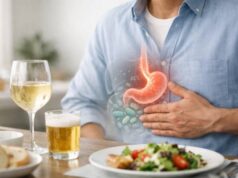
If you have been dealing with recurring bloating, loose stools, or a gut that feels easily “set off,” it is understandable to look for something that supports healing instead of just symptom control. Bovine colostrum is one of the more talked-about options because it is naturally rich in immune proteins, growth factors, and peptides designed to protect and help repair a newborn calf’s digestive tract. In supplement form, it is usually marketed as a way to support the intestinal lining, calm irritation, and improve resilience during stressors like travel, intense exercise, or medication-related gut upset.
The promise is not magic. Product quality varies widely, research results are mixed across conditions, and the best evidence depends on what you are trying to improve. Still, when it is used thoughtfully, bovine colostrum can be a reasonable “gut support” tool for some people.
Key Insights
- Bovine colostrum may support gut barrier function and reduce gut “leakiness” in specific high-stress settings, but results depend on dose and the reason your gut is irritated.
- The strongest evidence is for certain types of diarrhea and for stress-related gut permeability, not for “gut healing” as a one-size-fits-all claim.
- People with cow’s milk protein allergy should avoid it, and anyone with significant symptoms should not use it to delay proper evaluation.
- A practical approach is to start low (often 500 mg to 1 g daily), increase only if tolerated, and reassess after 4–8 weeks with clear symptom tracking.
Table of Contents
- What bovine colostrum is
- How colostrum may support the gut
- What human research really shows
- Dosage and how to take it
- Who should avoid colostrum
- Microbiome support beyond supplements
What bovine colostrum is
Bovine colostrum is the first milk a cow produces in the first day or two after giving birth. It is biologically “different” from regular milk because it is meant to transfer concentrated immune and growth signals to a newborn. When you see it as a supplement, it is typically dried into a powder and put into capsules, chewables, or a scoopable product.
What makes it unique
Colostrum contains a dense mix of compounds that matter for gut health discussions:
- Immunoglobulins (IgG and others): proteins that can bind to microbes and their byproducts in the gut.
- Lactoferrin and antimicrobial peptides: may help shape microbial balance and limit irritation in some contexts.
- Growth factors and signaling peptides: linked to tissue repair and maintenance of the intestinal lining.
- Oligosaccharides: complex carbohydrates that can act as “food” for certain gut microbes, though effects in humans vary.
It is worth separating colostrum from two look-alike terms:
- Collagen is a structural protein often used for skin and joints; it is not the same as colostrum.
- “Bovine immunoglobulin” products sometimes use concentrated dairy proteins and may be processed differently than standard colostrum.
Why quality varies so much
Not all colostrum supplements are comparable. Differences that can change how a product behaves include:
- When it was collected (early collection tends to have higher immune protein concentration).
- Heat exposure during processing (higher heat can denature sensitive proteins).
- Whether it is whole or defatted (fat content changes taste, digestion, and calories).
- Standardization (some products report IgG per serving; others do not).
A practical mindset is to treat colostrum like a “bioactive food-based supplement,” not a medication. That means effects may be subtle, batch-to-batch consistency can differ, and your results may depend heavily on the product and the problem you are aiming to solve.
How colostrum may support the gut
Many “gut health” conversations come back to one idea: the intestinal barrier. Your gut lining is not just a tube for digestion. It is a living interface that decides what gets absorbed, what stays out, and how strongly your immune system reacts to what passes through.
The gut barrier in plain language
You can think of the barrier as four layers working together:
- Microbiome layer: bacteria and other microbes that compete with pathogens and produce helpful byproducts.
- Mucus layer: a protective gel-like layer that keeps irritants away from the cells underneath.
- Epithelial lining: a single-cell-thick “wall” that absorbs nutrients and blocks harmful particles.
- Immune layer: immune cells just beneath the lining that decide whether to tolerate or attack.
When the barrier is stressed—by infection, certain medications, heavy alcohol use, sleep loss, chronic stress, or intense exercise—two things often happen: inflammation rises and permeability can increase. That does not automatically mean disease, but it can make symptoms easier to trigger.
Where colostrum fits
Colostrum’s proposed benefits cluster into a few realistic mechanisms:
- Barrier support: growth factors and peptides may support repair and maintenance of the epithelial lining.
- Immune “tone” in the gut: certain proteins may encourage a more balanced immune response (less overreaction to normal gut contents).
- Binding and neutralizing irritants: immunoglobulins can bind microbes or microbial fragments, potentially reducing downstream irritation.
- Microbial effects: prebiotic-like components may support beneficial microbes, but this is not consistent across studies and likely depends on your baseline microbiome and diet.
A key nuance: colostrum is unlikely to “rebuild your microbiome” on its own. If it helps, it is usually by making the gut environment less reactive and more resilient, which can make other foundational steps (fiber intake, regular bowel movements, stress management) work better.
That is why colostrum often makes the most sense when your gut symptoms are linked to a clear stressor—like frequent travel, heavy training, or a history of medication-related irritation—rather than when symptoms are unexplained, progressive, or severe.
What human research really shows
The most honest way to summarize the research is this: bovine colostrum is promising in specific situations, but it is not a universal solution for every digestive complaint. Studies also use different products and doses, making “headline conclusions” unreliable.
Where the evidence looks most encouraging
1) Certain diarrhea patterns (especially infectious or travel-related)
Some trials suggest colostrum can reduce stool frequency and support recovery in infectious diarrhea contexts. This appears strongest when the product is designed for gut infections (for example, hyperimmune colostrum made from cows exposed to specific pathogens). For a person who is otherwise healthy, the benefit is often about shortening the “rough” phase and reducing how disruptive symptoms feel, rather than eliminating diarrhea overnight.
2) Stress-related gut permeability
A second cluster of evidence involves “leaky gut” measurements in controlled settings—often athletes, endurance training, or other high-stress conditions that temporarily increase permeability. In those contexts, colostrum sometimes improves laboratory markers and may reduce gut discomfort during stress.
3) Medication-related irritation
There is also research interest in colostrum for gut irritation related to certain medications (commonly discussed with anti-inflammatory drugs). The idea is not that colostrum replaces safer prescribing, but that it may provide additional barrier support for people who must use a medication that can irritate the gut.
Where evidence is mixed or limited
IBS symptoms
People with IBS often search for supplements that “heal the gut.” Unfortunately, IBS is not one condition—it is a pattern of gut–brain sensitivity, motility changes, microbiome shifts, and sometimes pelvic floor dysfunction. Some individuals report benefit, but controlled data are inconsistent. If IBS is your main concern, colostrum is best viewed as an optional add-on, not a core therapy.
IBD (Crohn’s disease and ulcerative colitis)
In IBD, “gut healing” has a specific meaning: reduced inflammation and mucosal healing on evaluation. Colostrum is not a replacement for IBD treatment. At best, it may be considered supportive alongside medical care in select cases, but anyone with IBD symptoms should treat worsening pain, bleeding, weight loss, or persistent diarrhea as a reason for prompt clinical follow-up—not a reason to escalate supplements.
What “new research” mainly changes
Recent research tends to refine expectations rather than dramatically expand them. The pattern is: possible benefit, modest effect sizes, and a need for better-designed trials with clearer dosing, standardized products, and outcomes that matter to patients (not just lab markers). The takeaway is not “colostrum works” or “colostrum is useless,” but “colostrum can help some people in some contexts—if you match it to the right goal.”
Dosage and how to take it
Because colostrum products vary so much, dosing is more practical when you anchor it to your goal and tolerance rather than chasing a single “perfect” number.
Common dose ranges in real life
You will see two broad dosing patterns:
- Lower-dose daily support: often 500 mg to 2 g per day (typical capsule-style supplements).
- Higher-dose “therapeutic-style” protocols: often several grams daily, sometimes much higher, usually as a powder mixed into a drink.
Higher doses are not automatically better. They may be used in trials to ensure a measurable effect, but they can also increase the chance of nausea, gas, or loose stools—especially if your gut is already sensitive.
A practical step-up plan
If you and your clinician decide colostrum is reasonable for you, a conservative plan often works best:
- Start low for 7 days: 500 mg to 1 g once daily.
- Increase only if tolerated: move to 1 g twice daily or 2 g once daily.
- Hold steady for 4–8 weeks: track specific outcomes (stool frequency, urgency, bloating score, exercise-related gut symptoms, or “days disrupted”).
- Reassess: if there is no meaningful change by 8 weeks, continuing longer is unlikely to suddenly help.
When to take it
There is no universally proven “best” timing, but these guidelines are practical:
- If you get nausea: take it with food.
- If your goal is gut resilience during stress: consistency matters more than timing—take it at the same time daily.
- If you are using it around travel or a predictable stressor: consider starting 1–2 weeks before the event and continuing through it.
How to choose a product
To reduce disappointment and risk, look for signs of better manufacturing and transparency:
- Clear labeling of serving size and ideally IgG content per serving
- A reputable manufacturer with batch testing and contaminant screening
- Processing that aims to preserve proteins (often described as low-heat or carefully dried)
- Ingredients you can tolerate (watch added sweeteners, sugar alcohols, and flavorings if you are bloating-prone)
Finally, do not ignore the basics: if constipation is driving bloating and discomfort, colostrum may do little unless you address stool frequency, hydration, fiber type, and daily movement. Supplements tend to work best when the “plumbing” is working.
Who should avoid colostrum
Most colostrum side effects are mild, but “natural” does not mean risk-free. The biggest safety wins come from knowing who should not take it and when symptoms deserve medical evaluation instead of supplement experiments.
Who should avoid it
Avoid bovine colostrum unless your clinician specifically recommends otherwise if you have:
- Cow’s milk protein allergy (especially a history of hives, swelling, wheezing, or anaphylaxis after dairy)
- Severe dairy-triggered conditions (for example, strongly dairy-reactive eosinophilic gastrointestinal disease)
- Galactosemia (a rare condition where lactose-related sugars can be dangerous)
If you have lactose intolerance, colostrum is not automatically off-limits, but it is a “proceed carefully” situation. Some products are lower in lactose than standard milk, yet sensitive people can still react. Powdered forms at higher doses are more likely to cause symptoms than small-dose capsules.
Common side effects
Side effects, when they happen, tend to show up early:
- Nausea or “heavy” stomach feeling
- Gas, bloating, or audible gut activity
- Loose stools (or occasionally constipation)
- Skin reactions (rash or itching), which should be treated as a reason to stop
If you develop a rash, swelling, or breathing symptoms, treat it as urgent allergy risk.
Medication and health cautions
There are no widely established dangerous drug interactions, but caution is appropriate if:
- You are immunocompromised or medically fragile (quality control and contamination risk matter more)
- You are pregnant or breastfeeding (safety data for supplements are often limited)
- You have kidney disease and are considering high-dose powders (protein load may matter)
When black-and-white medical evaluation matters
Do not use colostrum to “manage” symptoms that should be evaluated. Seek medical care promptly for:
- Blood in stool, black stools, or unexplained anemia
- Persistent diarrhea lasting more than a few days with dehydration risk
- Unintentional weight loss, fever, or night sweats
- Severe abdominal pain, persistent vomiting, or progressive symptoms
- New symptoms after age 50 or a strong family history of colon cancer or IBD
Colostrum is best used as supportive care for mild-to-moderate symptoms with a clear pattern, not as a workaround for red-flag signs.
Microbiome support beyond supplements
If colostrum helps you, it is usually because it supports resilience—your gut reacts less intensely to normal triggers. The most durable results come when you pair any supplement with habits that stabilize motility, reduce inflammation drivers, and feed beneficial microbes.
Start with the “symptom drivers” checklist
Bloating, irregular stools, and gut discomfort are often driven by one or more of these:
- Constipation or incomplete evacuation (even if you go daily)
- High-FODMAP load (certain fibers and sugars that ferment rapidly)
- Low fiber diversity (not enough varied plant foods to support microbiome balance)
- Stress and sleep disruption (gut–brain signaling affects motility and sensitivity)
- Frequent ultra-processed foods (often low in fermentable fibers and higher in emulsifiers and additives)
If you do nothing else, tracking your bowel pattern and improving stool regularity can change everything. Many people who feel “bloated all the time” are actually dealing with slow transit and gas retention.
A practical 2-week gut foundation plan
This is a realistic baseline you can combine with or without colostrum:
- Hydration anchor: aim for pale-yellow urine most days; add extra fluids if stools are hard.
- Daily movement: 20–30 minutes of walking can improve motility more than people expect.
- Fiber diversity: add one additional plant food daily (beans, oats, kiwi, chia, cooked-and-cooled potatoes or rice, leafy greens). Increase slowly to avoid worsening gas.
- Fermented foods if tolerated: small servings of yogurt, kefir, sauerkraut, or kimchi can help some people, but they can aggravate others—use your symptoms as the guide.
- Meal timing: keep a consistent eating window and avoid constant grazing if you are bloat-prone.
When targeted strategies outperform supplements
- If symptoms worsen after certain carbohydrates, a structured low-FODMAP trial with reintroduction is often more effective than any supplement.
- If diarrhea is the issue, prioritize hydration, electrolyte replacement, and trigger identification, and avoid jumping straight to multiple new supplements at once.
- If you suspect pelvic floor issues (straining, incomplete emptying), pelvic floor evaluation can be more impactful than dietary tweaks.
How colostrum can fit in
Colostrum makes the most sense as a “support layer,” not the foundation. If you try it, keep the rest of your plan steady so you can tell what is helping. Use a simple tracker (daily stool pattern, bloating score 0–10, and symptom triggers). If it helps, you will usually see a trend within several weeks. If it does not, the data you collected still guides your next best step.
References
- Therapeutics effects of bovine colostrum applications on gastrointestinal diseases: a systematic review – PMC 2024 (Systematic Review)
- Bovine Colostrum in Increased Intestinal Permeability in Healthy Athletes and Patients: A Meta-Analysis of Randomized Clinical Trials – PubMed 2024 (Meta-Analysis)
- Bovine Colostrum: Its Constituents and Uses – PMC 2021 (Review)
- Colostrum Therapy for Human Gastrointestinal Health and Disease – PMC 2021 (Review)
- Clinical Applications of Bovine Colostrum in GastrointestinaI Disorders: Mechanisms, Evidence, and Therapeutic Potential – PMC 2025 (Review)
Disclaimer
This article is for educational purposes only and does not provide medical advice, diagnosis, or treatment. Supplements can affect people differently based on allergies, medical conditions, medications, and product quality. If you have persistent digestive symptoms, red-flag signs (such as bleeding, black stools, fever, severe pain, dehydration, or unintentional weight loss), or a known condition like IBD, seek care from a qualified clinician. If you are pregnant, breastfeeding, immunocompromised, or have a history of dairy allergy or severe intolerance, consult your healthcare professional before using bovine colostrum.
If you found this helpful, consider sharing it on Facebook, X (formerly Twitter), or any platform you prefer so others can use it as a practical guide.