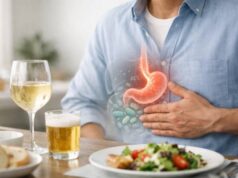
Bile acid diarrhea (often shortened to BAD) is an under-recognized cause of chronic watery diarrhea that can look a lot like IBS with diarrhea—until you notice the pattern. The hallmark is urgency and frequent loose stools driven by bile acids reaching the colon in higher-than-normal amounts, where they pull water into the bowel and speed up transit. For many people, the most frustrating part is not just the diarrhea, but how unpredictable it feels: morning rushes, post-meal flare-ups, and sudden urgency that can limit work, travel, and social plans.
The good news is that BAD is treatable, and the response can be dramatic once the diagnosis is on the table. The challenge is getting there—because the right test is not available everywhere, and symptoms overlap with several common gut conditions. This guide explains what BAD is, who is at risk, how testing works, and what treatment options can help.
Key Insights
- BAD is a common, treatable cause of chronic watery diarrhea that is often mistaken for IBS with diarrhea.
- Urgency, frequent loose stools, and post-meal “rushes” (especially after higher-fat meals) are classic clues.
- Testing options vary by country, and some people are diagnosed through a careful therapeutic trial when testing is limited.
- Bile acid binders can interfere with other medications and can cause constipation, so dosing and timing matter.
- A structured plan combining medication timing with targeted diet changes often works better than either approach alone.
Table of Contents
- How bile acids trigger diarrhea
- Symptoms and patterns that suggest BAD
- Common causes and risk groups
- Testing and diagnosis in real life
- Treatment options that work
- Diet and daily management strategies
How bile acids trigger diarrhea
Bile acids are made in your liver and stored in your gallbladder. When you eat—especially when you eat fat—your gallbladder releases bile into the small intestine to help digest and absorb fats and fat-soluble vitamins. Most bile acids are not “wasted.” They are usually reabsorbed near the end of the small intestine (the terminal ileum) and recycled back to the liver. This loop is efficient and tightly regulated.
BAD happens when that loop breaks in one of two main ways:
- Too many bile acids enter the colon because they were not reabsorbed properly (true malabsorption).
- The liver makes more bile acids than needed, so even normal absorption cannot keep up (overproduction).
Either way, the colon is exposed to excess bile acids. The colon is not built to handle that load. Bile acids can:
- Pull water into the colon, leading to watery stools.
- Increase bowel motility, causing urgency and higher stool frequency.
- Stimulate secretion and irritate the lining, which can amplify cramping and the “need to go now” sensation.
This mechanism explains why BAD often feels intense and time-sensitive. It also explains why many people report a strong link between symptoms and meals. Food triggers bile release; bile drives the problem; the colon responds quickly.
A useful distinction is that BAD is not a single disease with one cause. It is a final common pathway—extra bile acids in the colon—produced by different upstream problems. That is why two people with BAD can look similar in symptoms but need different long-term strategies.
Finally, BAD is frequently discussed as “bile acid malabsorption (BAM).” The terms overlap, but they are not always identical. Some people have diarrhea from bile acid overproduction rather than a clear absorption defect, yet they respond to the same treatments. In practice, clinicians often use BAD as the broader, symptom-focused term.
Symptoms and patterns that suggest BAD
BAD is best recognized by patterns, not by a single symptom. Many gut conditions cause diarrhea, but BAD has a few recurring features that are worth watching for—especially if standard IBS advice has not helped.
Common symptoms
People with BAD often describe:
- Watery or very loose stools, sometimes several times per day
- Urgency, including a narrow window to reach a bathroom
- Increased stool frequency and a feeling of incomplete control
- Nocturnal stools in some cases (waking from sleep to go)
- Abdominal cramping that improves after a bowel movement
- Excess gas and bloating, often from rapid transit rather than fermentation alone
- Occasional fecal incontinence, particularly during flares
The diarrhea is usually not purely “random.” It is often clustered—for example, a strong morning run, or episodes after meals.
Patterns that point toward bile acids
These clues make BAD more likely:
- Post-meal rushes, especially within a few hours of eating
- Fat sensitivity, where higher-fat meals lead to faster, looser, more urgent stools
- A history of gallbladder removal, ileal disease, or ileal surgery
- Symptoms that persist despite typical IBS-D strategies, such as basic trigger avoidance or standard antidiarrheals
- A partial response to bile acid binders (even if incomplete because of side effects or timing)
Some people also report a burning or irritating sensation with stool during flares. That can happen with several types of diarrhea, but it fits the idea of bile acids acting as chemical irritants.
Why BAD is confused with IBS-D
BAD and IBS with diarrhea overlap heavily: both can include urgency, cramping, and fluctuating symptoms. The difference is that BAD has a clearer chemical driver, and treatment aimed at bile acids can be unusually effective. When someone has been labeled “IBS-D” but still has pronounced urgency and watery stools, BAD is one of the most important conditions to rule in or rule out.
At the same time, it is possible to have BAD and IBS-type sensitivity together. In that situation, bile acid control may reduce stool frequency, but gut sensitivity, bloating, or pain may still need additional support.
Common causes and risk groups
BAD is often grouped into types based on what disrupts the bile acid cycle. You do not need to memorize categories, but they help explain why testing and treatment plans vary.
Type 1: Ileal disease or ileal loss
The terminal ileum is the main site where bile acids are reabsorbed. If it is inflamed, damaged, or removed, bile acids can spill into the colon.
Common examples include:
- Crohn’s disease affecting the ileum
- Surgical resection involving the terminal ileum
- Radiation injury to the ileum
This group can range from mild to severe. People with more extensive ileal loss may also struggle with fat absorption and nutrient issues, which changes how aggressively bile acids should be bound.
Type 2: Primary or idiopathic BAD
Here, the ileum may look structurally normal, but the feedback system that tells the liver to slow bile acid production is less effective. The liver produces more bile acids, more spill into the colon, and diarrhea follows.
This is a major reason BAD is found in people previously told they have IBS-D or “functional diarrhea.” It can also be present after an infection that alters gut signaling, even when the infection itself has cleared.
Type 3: Secondary causes outside the ileum
In some people, BAD appears after other digestive events or conditions that change bile delivery, gut motility, or absorption dynamics. These include:
- Gallbladder removal (cholecystectomy): bile can enter the intestine more continuously rather than being stored and released in a timed way
- Celiac disease (in some cases)
- Chronic pancreatitis or pancreatic enzyme deficiency (sometimes overlaps with bile issues)
- Certain medications that alter gut movement or bile acid handling
Because “secondary” is a broad category, the goal is not to assume BAD explains everything. The goal is to recognize when it should be tested for, because treating it can reduce the symptom burden even when other issues are present.
Who should think about BAD sooner
BAD belongs higher on the checklist if you have chronic watery diarrhea plus any of the following:
- Gallbladder removal
- Ileal Crohn’s disease, ileal surgery, or radiation exposure
- Persistent urgency and frequency that do not behave like typical IBS triggers
- A long diagnostic journey with repeated negative tests but ongoing watery stools
The earlier BAD is considered, the less time people spend cycling through diets and supplements that do not address the primary driver.
Testing and diagnosis in real life
Diagnosing BAD is straightforward in principle—confirm that bile acids are spilling into the colon or that bile acid production is abnormally high. The challenge is that the best test is not offered everywhere, and results must be interpreted alongside symptoms.
SeHCAT scan
In many parts of Europe and some other regions, the most established test is the SeHCAT scan, which measures how well the body retains a radiolabeled bile acid analogue over several days. Lower retention suggests more bile acids are being lost into stool, increasing the likelihood that bile acids are driving diarrhea. Clinicians may also use the retention level to estimate severity and predict how likely someone is to respond to bile acid binders.
If SeHCAT is available to you, it often provides the cleanest diagnostic answer. If it is not available, other strategies become more important.
Blood tests: C4 and FGF19
Two blood markers are often discussed:
- Serum C4 (7α-hydroxy-4-cholesten-3-one): a marker related to bile acid synthesis. Higher levels can suggest the body is making more bile acids, which can fit with BAD.
- FGF19: part of the feedback signal that helps tell the liver to slow bile acid production. Lower levels can support the idea of impaired feedback.
These tests can be helpful, but they are not perfect. Results can vary with fasting status, time of day, and underlying liver or bowel conditions. They are best used as part of a broader evaluation rather than as a stand-alone verdict.
Stool bile acid testing
Some centers use fecal bile acid measurements, often collected over a defined period (such as a multi-day collection) or estimated from targeted stool markers. Stool-based approaches are appealing because they measure the endpoint directly—what is reaching the colon and being excreted. Availability and standardization differ by region, so your clinician may or may not have access to these tests.
Therapeutic trial when testing is limited
When objective testing is not accessible, a careful trial of a bile acid binder may be used as a practical diagnostic tool. This approach works best when it is structured:
- Symptoms are clearly documented before starting
- Dose is titrated gradually to avoid constipation
- Timing with meals is consistent
- Other medications are separated to avoid absorption problems
A trial is easiest to interpret when the symptom pattern is strongly suggestive of BAD. If the response is partial, that may still be meaningful: bile acids may be one contributor, even if not the only one.
What else should be ruled out
Because BAD overlaps with other conditions, clinicians often evaluate for additional causes of chronic watery diarrhea, especially if there are red flags. Depending on your history, that may include screening for inflammation, celiac disease, microscopic colitis, infection, thyroid disorders, medication-related diarrhea, or pancreatic insufficiency.
Treatment options that work
BAD treatment is often highly effective once the approach matches the biology. The central goal is simple: reduce the amount of free bile acids reaching the colon or reduce their diarrheal effect.
Bile acid sequestrants
The first-line medications are bile acid sequestrants (also called bile acid binders). They bind bile acids in the intestine so they cannot irritate the colon as strongly.
Common options include:
- Cholestyramine (often a powder)
- Colestipol (powder or tablets in some regions)
- Colesevelam (tablets)
Practical points that make a big difference:
- Timing matters: these medicines work best when taken in relation to meals, because bile release is meal-driven.
- Start low and titrate: too much too soon can cause constipation, bloating, or nausea.
- Separate other medications and supplements: bile acid binders can reduce absorption of certain drugs and nutrients. Many clinicians recommend spacing other pills by at least a couple of hours, and sometimes longer depending on the medication.
Side effects are common but manageable when dosing is adjusted thoughtfully. Constipation is the most frequent issue, followed by bloating or a heavy feeling. If constipation appears, it does not always mean the medication “failed.” It often means the dose is too high for your transit speed, your fluid intake, or your baseline stool pattern.
Diet as an amplifier, not a replacement
Diet can help, especially as an adjunct to medication:
- Lower-fat eating patterns often reduce bile release intensity and can smooth out post-meal urgency.
- Soluble fiber can thicken stool and may bind bile acids modestly, which is helpful for some people.
Diet alone may not be enough for moderate to severe BAD, but it can reduce the amount of medication needed and improve day-to-day predictability.
Treat the driver when possible
When BAD is secondary to an underlying condition, addressing that condition matters:
- Better control of ileal Crohn’s disease can improve bile acid handling
- Reviewing medications that worsen diarrhea can reduce baseline symptoms
- Evaluating for overlapping conditions (like microscopic colitis) prevents partial treatment
Emerging and specialized options
Research is exploring therapies that change bile acid signaling or production. In practice, these are typically specialist-led decisions rather than routine first steps. They may become more relevant for people who cannot tolerate bile acid binders, do not respond adequately, or have complex disease drivers.
The most important takeaway is that treatment is not one-size-fits-all. The “best” approach is the one that controls urgency without creating new problems like severe constipation or medication interactions.
Diet and daily management strategies
Living with BAD is often less about perfection and more about building a repeatable routine that reduces urgency and restores confidence. A good plan usually combines medication timing, meal structure, and symptom tracking.
Build a meal pattern that reduces bile spikes
Many people do best with these strategies:
- Distribute fat across the day rather than concentrating it in one meal.
- Limit very high-fat meals when you need predictability (travel days, long meetings, social events).
- Choose gentler fats and cooking methods: baked, grilled, or steamed meals are often easier than fried foods.
- Consider smaller, steadier meals if you notice strong post-meal rushes.
You do not need a “no fat” diet. The goal is to find the fat level that reduces urgency while still supporting nutrition and satisfaction.
Use soluble fiber strategically
Soluble fiber can thicken stool and may reduce the irritating effect of bile acids in the colon for some people. Options include psyllium and certain food-based fibers (such as oats). The key is to:
- Start with a small amount
- Increase slowly over several days
- Pair with adequate fluids
If you add fiber aggressively, you can trigger gas and bloating—especially if your gut is already sensitive.
Prevent the most common treatment complication: constipation
Bile acid binders can swing watery diarrhea into constipation if the dose overshoots your needs. Helpful adjustments include:
- Reducing the dose rather than stopping completely
- Increasing fluids and soluble fiber cautiously
- Using gentle stool-softening strategies if recommended by your clinician
- Checking whether you are taking the binder too far from meals, which can create inconsistent effects
Constipation management is part of successful BAD treatment, not a sign you did something wrong.
Track the right details for faster answers
A short diary for 10–14 days can clarify patterns and help your clinician tailor treatment. Track:
- Meal times and approximate fat heaviness (light, moderate, heavy)
- Stool frequency and urgency
- Any incontinence episodes or near-misses
- Medication timing and dose
- Sleep disruption from nighttime stools
This information is more useful than a long list of “foods that bothered me,” because BAD is often driven by bile dynamics and timing.
Know when symptoms are not “just BAD”
Seek medical evaluation promptly if you develop blood in stool, black stools, fever, persistent nighttime diarrhea, unintentional weight loss, significant anemia, or worsening symptoms after age 50. These features require a broader workup even if BAD is suspected.
BAD can be life-altering, but it is also one of the more fixable causes of chronic watery diarrhea. A clear diagnosis, correct medication timing, and a sustainable meal strategy can bring symptoms under control and give you your daily freedom back.
References
- Bile Acid Diarrhea in Adults and Adolescents – PMC 2021 (Review)
- Pathophysiology and Clinical Management of Bile Acid Diarrhea – PMC 2022 (Review)
- Effectiveness of diet, psychological, and exercise therapies for the management of bile acid diarrhoea in adults: A systematic review – PMC 2022 (Systematic Review)
- Bile Acid Diarrhea- As bad as it gets? – PMC 2023 (Review)
- Efficacy and safety of colesevelam for the treatment of bile acid diarrhoea: a double-blind, randomised, placebo-controlled, phase 4 clinical trial – PubMed 2023 (RCT)
Disclaimer
This article is for educational purposes and does not provide medical advice, diagnosis, or treatment. Chronic diarrhea has many possible causes, some of which require prompt evaluation. If you have blood in your stool, black stools, fever, persistent nighttime diarrhea, severe abdominal pain, dehydration, unexplained weight loss, or anemia, seek medical care urgently. If you suspect bile acid diarrhea, a licensed clinician can help you choose the most appropriate testing strategy for your location and guide safe treatment, including dosing and timing of bile acid binders to reduce side effects and medication interactions.
If you found this guide useful, consider sharing it on Facebook, X (formerly Twitter), or any platform you prefer so others can recognize treatable symptoms sooner.