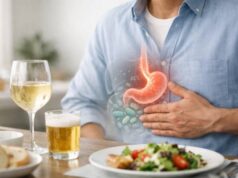
Artificial sweeteners promise sweetness without the blood-sugar spike, tooth decay risk, or calorie load of sugar. For many people, they also make it easier to reduce added sugar in drinks, snacks, and desserts. The catch is that “artificial sweeteners” are not one thing—and your gut often reacts to them in different ways. Some sweeteners pass through the digestive tract largely unchanged. Others draw water into the intestines or get fermented by gut bacteria, which can trigger bloating, gas, cramping, or diarrhea. The same product can also contain more than one sweetener, plus fibers or thickeners that add to the effect.
If you have unexplained digestive symptoms, especially after “sugar-free” foods, this guide will help you connect the dots: which sweeteners tend to cause which symptoms, how dose and timing shape your reaction, what to look for on labels, and how to test your tolerance safely.
Essential Insights
- Sugar alcohols (polyols) are the most common sweetener trigger for gas, bloating, and diarrhea, especially when “stacked” across multiple foods in a day.
- Non-nutritive sweeteners can bother some people through taste-gut signaling, carbonation pairing, or individual microbiome responses, but reactions are less predictable.
- If you have IBS, chronic diarrhea, or rapid-bloating patterns, treat sweeteners as a high-priority suspect before chasing expensive testing.
- A structured 10–14 day “sweetener reset,” followed by single-sweetener challenges, is often the fastest way to identify your personal triggers.
Table of Contents
- Why sweeteners can upset digestion
- Which sweeteners cause which symptoms
- Dose matters and hidden buildup
- Who is most sensitive and why
- Label clues and trigger tracking
- Safer use and when to seek care
Why sweeteners can upset digestion
Most gut reactions to sweeteners come down to three basic pathways: osmotic effects (water movement), fermentation (gas production), and signaling (how your gut responds to “sweet” without sugar). Which pathway matters most depends on the sweetener and the rest of the product.
1) Osmotic pull and faster transit
Some sweeteners are poorly absorbed in the small intestine. When a substance stays in the gut lumen, it can pull water in—similar to how certain laxatives work. More water plus faster movement can lead to looser stools, urgency, or diarrhea, sometimes with cramping. This mechanism is classically linked to sugar alcohols such as sorbitol, mannitol, xylitol, and maltitol, but it can also show up with certain fibers and “resistant” ingredients that often travel with sugar-free products.
2) Fermentation and gas
When unabsorbed sweeteners reach the colon, gut microbes can ferment them. Fermentation can be harmless—or uncomfortable. The common symptom cluster is:
- Bloating that builds over hours
- Gas with pressure or abdominal distension
- Rumbling, belching, or changes in stool form
Fermentation also varies by person. Two people can eat the same sweetener dose and feel very different, partly because their gut microbes and baseline diet are different.
3) Sweet taste signaling and gut-brain effects
Your gut has receptors that detect sweetness and help coordinate digestion—motility, hormone release, and appetite signaling. Some people report symptoms that feel more like functional sensitivity: nausea, “sloshing,” early fullness, or cramping without obvious diarrhea. This is harder to predict and can be influenced by:
- Carbonation, caffeine, or acidic mixers (common in “diet” beverages)
- Very sweet intensity (some sweeteners are hundreds of times sweeter than sugar)
- Anxiety, anticipation, or prior bad experiences (a real gut-brain amplifier)
The practical takeaway: the gut does not care whether a sweetener is “natural” or “artificial.” It cares whether it is absorbed, fermented, and how it interacts with your individual physiology and sensitivity.
Which sweeteners cause which symptoms
A useful way to think about sweeteners is to group them by how they behave in the gut, not by whether they sound “natural.”
Non-nutritive sweeteners (very low calorie)
These include sucralose, aspartame, saccharin, acesulfame potassium (acesulfame-K), stevia extracts, and monk fruit extracts. They are used in tiny amounts because they are intensely sweet.
Typical symptom patterns, when they happen, tend to be less dose-laxative and more individual:
- Mild nausea or “off” stomach feeling shortly after consumption
- Bloating that is inconsistent (sometimes fine, sometimes not)
- Changes in stool frequency without clear watery diarrhea
Why the variability? The dose is usually very small, so osmotic diarrhea is less typical. Reactions may relate to product context (carbonated drinks, acidic flavorings), sweetness intensity, or personal sensitivity. In real life, people also react to what sweeteners are packaged with—protein powders, emulsifiers, gums, and added fibers.
Sugar alcohols (polyols) and the classic “sugar-free” gut reaction
This category is the most common source of unmistakable sweetener-related GI symptoms. Polyols include:
- Sorbitol, mannitol (often strong laxative potential)
- Xylitol, maltitol, isomalt, lactitol (variable tolerance)
- Erythritol (often better tolerated than many polyols, but not always)
Common symptom pattern:
- Gas and bloating within 1–6 hours
- Cramping, urgency, or loose stools that may show up later the same day
- Worse symptoms when taken on an empty stomach or in large single servings
You’ll often see these in sugar-free gum, mints, “keto” snacks, protein bars, low-sugar chocolates, and dessert syrups.
Blends and “stacking” effects
Many products use multiple sweeteners to improve taste. For example, a protein bar might include a non-nutritive sweetener for sweetness plus a polyol for bulk. That can create a “double hit”: sweetness signaling plus osmotic and fermentable load.
If you only remember one thing from this section, make it this: polyols are the most predictable cause of bloating and diarrhea, while non-nutritive sweeteners are more likely to cause inconsistent or sensitivity-style symptoms in a smaller group of people.
Dose matters and hidden buildup
With sweeteners, the dose you tolerate is often less about a single food and more about your total daily “sweetener load.” People get into trouble when they switch to “healthier” options across the board and accidentally stack multiple sources.
Why serving size is not the whole story
Your gut experiences sweeteners as grams and timing, not as “one serving.” Two patterns commonly trigger symptoms:
- One large bolus
A big dose at once (for example, several pieces of sugar-free candy) increases the chance of water being pulled into the intestines and causing urgent diarrhea. - Repeated small doses across the day
A sweetened coffee, a protein shake, a “keto” snack, sugar-free gum, and a dessert can create a cumulative effect—especially with polyols.
Where sweeteners hide
Many people look for sweeteners in obvious places (diet soda) but miss the stealth sources:
- Chewable vitamins, electrolyte powders, cough drops, and “sugar-free” syrups
- Protein powders, pre-workout mixes, and meal replacement drinks
- Yogurts, flavored kefir, “no added sugar” condiments, and salad dressings
- “Keto” baked goods and low-sugar ice creams (often polyol-heavy)
A practical rule: if a product is marketed as sugar-free, keto, low carb, or no added sugar, it is more likely to rely on sugar alcohols and sweetener blends.
Timing clues that point to the culprit
Use symptom timing as a detective tool:
- 10–60 minutes: often points to carbonated drinks, acidity, caffeine pairing, or sensitivity-type reactions
- 1–6 hours: common window for polyol fermentation and bloating
- 6–24 hours: can reflect cumulative load, faster transit, or an especially large dose
If your symptoms are reliably worse after dinner or the next morning, consider whether your day includes multiple “diet” or “keto” items that add up.
A gentle tolerance approach
If you don’t want to eliminate sweeteners entirely, the safest strategy is reduce dose, spread exposure, and avoid stacking:
- Pick one sweetened item per day for a week
- Keep it with food (not on an empty stomach)
- Avoid adding gum or candy on top of a sweetened drink or bar
Dose is not moral. It is simply physiology—and the gut is usually honest about its limits.
Who is most sensitive and why
Not everyone reacts to sweeteners. When reactions happen, they’re more common in people with baseline gut sensitivity, altered motility, or a mismatch between fermentation capacity and transit time.
Irritable bowel syndrome and functional gut disorders
If you have IBS, your gut may respond strongly to normal digestive events—gas, stretching, and shifts in water content. Sweeteners can amplify these triggers in two ways:
- Polyols increase water in the gut and ferment easily, raising pressure
- Any increase in gas or urgency feels more intense because the gut is more reactive
In practice, people with IBS often report that “sugar-free” versions of foods are worse than the regular kind, even when total calories are lower.
People with diarrhea-prone patterns
If you already have frequent loose stools, sweeteners that speed transit or add osmotic load can push you over your threshold. Watch for these red flags in your daily routine:
- A “healthy” breakfast shake followed by coffee and a sugar-free sweetener packet
- Chewing gum all afternoon
- Dessert or candy labeled sugar-free in the evening
This pattern often creates a morning-after urgency cycle.
Small intestinal bacterial overgrowth and rapid bloating
Some people experience bloating quickly after certain carbohydrates because fermentation happens “too early” in the digestive tract. While sweeteners are not the only trigger, polyols and certain sweetener blends can worsen symptoms, especially if you already react to onions, garlic, wheat, or some fruits.
If you bloat dramatically within an hour of eating and feel relief after bowel movements, it’s worth treating sweeteners as a trial variable, not a permanent enemy.
Post-infection sensitivity and stress states
After food poisoning or a stomach virus, some people develop temporary or lasting sensitivity—more urgency, more cramping, more food-related symptoms. During these periods, sweeteners can be a “last straw” ingredient. Similarly, during high stress, the gut-brain axis often lowers tolerance to anything that increases gas or speeds motility.
Children, pregnancy, and medical conditions
Children’s smaller body size can make dose effects more noticeable. In pregnancy, nausea and reflux can change tolerance patterns even if a sweetener is not directly harmful. People with inflammatory bowel disease, celiac disease, or chronic pancreatitis can also misattribute symptoms to sweeteners when the root cause is different.
Bottom line: if your gut is already on high alert, sweeteners—especially polyols—are more likely to show up as a trigger. That does not mean they are “toxic.” It means your current digestive baseline is less forgiving.
Label clues and trigger tracking
You do not need perfect nutrition tracking to identify sweetener triggers. You need a short, structured plan and a few label-reading shortcuts.
Label red flags that often predict symptoms
- Words ending in “-itol”
Sorbitol, mannitol, xylitol, maltitol, isomalt, lactitol, erythritol: these are sugar alcohols. They are the most common sweetener cause of bloating and diarrhea. - “Sugar alcohol” listed in the nutrition panel
This usually means the product relies on polyols for sweetness and bulk. Some labels also include a laxative warning for a reason. - Sweetener blends near the top of the ingredient list
If polyols appear early, the dose is likely significant, even if the serving size looks small. - “Keto” and “no added sugar” desserts
These often use polyols plus added fibers (which can also ferment), making the GI impact stronger than expected.
A 10–14 day sweetener reset
If symptoms are frequent, start with a reset that removes the confusion of multiple exposures:
- Avoid: sugar-free gum and candy, diet sodas, sweetened protein powders, and “keto” desserts
- Keep: plain water, unsweetened tea, and minimally sweetened foods with known ingredients
- Continue normal meals otherwise (the goal is not a perfect diet—just a clean sweetener baseline)
Many people notice changes in bloating and stool consistency within 3–7 days if sweeteners were a major driver.
Single-sweetener challenge tests
After your baseline improves (or if you’re simply curious), test one sweetener category at a time:
- Choose one product with one primary sweetener (as close as possible).
- Use a small amount on day 1, then a normal serving on day 2.
- Watch symptoms for 24 hours, then return to baseline for 48 hours before the next test.
Helpful notes to track:
- Time eaten and whether it was with food
- Bloating level (0–10)
- Stool changes and urgency
- Anything else that could confound results (stress, new supplements, travel)
Common mistakes that muddy the results
- Testing multiple sweeteners in the same week
- Changing fiber intake dramatically at the same time
- Adding new probiotics, magnesium supplements, or laxatives during the test window
- Ignoring “non-food” sources like cough drops or chewables
Tracking is not about being rigid. It is about giving your gut a fair experiment so you can make confident choices later.
Safer use and when to seek care
Many people can include sweeteners comfortably with a few guardrails. The goal is not perfection—it is predictability.
How to use sweeteners with fewer symptoms
- Prioritize your “biggest lever” first: If you chew sugar-free gum daily or eat sugar-free candy, that is often the highest-yield change.
- Avoid polyol stacking: Keep polyol-heavy products to occasional use, not multiple items per day.
- Use with a meal, not as a standalone: Food slows transit and can reduce the intensity of osmotic effects.
- Choose simpler products: The fewer sweeteners and added fibers, the easier it is to tolerate—and to troubleshoot.
- If you have IBS, treat polyols like a trial ingredient: You may tolerate small amounts, but large servings can be a predictable flare trigger.
If you want sweetness without sugar alcohol risk, consider modest portions of foods sweetened primarily with non-nutritive sweeteners, or use small amounts of regular sugar in a meal where it fits your health goals. For many people, a smaller amount of sugar causes fewer gut symptoms than a large dose of polyols—even if the label looks “less healthy.”
When symptoms are not “just sweeteners”
Sweeteners can cause discomfort, but they should not distract from warning signs that deserve medical attention. Seek care promptly if you have:
- Blood in stool or black stools
- Unexplained weight loss, persistent fever, or severe fatigue
- Nighttime diarrhea that wakes you from sleep
- Persistent vomiting, dehydration, or signs of electrolyte imbalance
- New symptoms after age 50, or a strong family history of colon cancer or inflammatory bowel disease
- Diarrhea lasting more than 2–3 weeks despite eliminating likely triggers
If symptoms are chronic but not urgent, a clinician can help rule out treatable causes (celiac disease, inflammatory bowel disease, bile acid diarrhea, infections, thyroid issues) and guide a structured plan.
A balanced conclusion
Artificial sweeteners are not automatically “bad for the gut,” but they are also not symptom-neutral for everyone. If you want the most actionable approach, start with the highest-probability culprit—polyols—and work from there. A short reset and careful reintroduction usually gives clearer answers than guessing, fearing food, or endlessly switching brands.
References
- Use of non-sugar sweeteners: WHO guideline 2023 (Guideline)
- PLS: Re-evaluation of erythritol (E 968) as a food additive 2023 (Guideline)
- ACG Clinical Guideline: Management of Irritable Bowel Syndrome 2021 (Guideline)
- Effect of low-and non-calorie sweeteners on the gut microbiota: A review of clinical trials and cross-sectional studies 2024 (Review)
- Effect of Non-Nutritive Sweeteners on the Gut Microbiota 2023 (Review)
Disclaimer
This article is for educational purposes and does not replace individualized medical advice, diagnosis, or treatment. Digestive symptoms can have many causes, and what is safe or appropriate depends on your medical history, medications, and current health status. If you are pregnant, managing a chronic condition, or have ongoing diarrhea, significant abdominal pain, blood in stool, unintended weight loss, dehydration, or symptoms that persist despite dietary changes, consult a qualified clinician promptly.
If you found this helpful, consider sharing it on Facebook, X (formerly Twitter), or any platform you prefer so others can make more informed choices about sweeteners and digestive comfort.