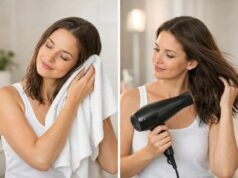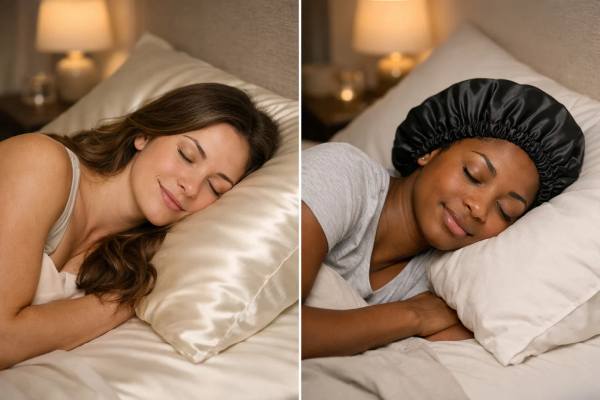
Nighttime hair care looks simple until you wake up with flattened curls, frizz at the crown, or snapped ends along the nape. A surprising amount of wear happens while you sleep. Hair rubs against fabric for hours, bends under your body weight, and tangles more easily when it is already dry, color-treated, curly, or fragile. That is why silk pillowcases and satin bonnets have become staples in many routines. Both aim to reduce friction, preserve moisture balance, and help styles last longer. But they do not work in exactly the same way, and they do not perform equally well for every hair type or sleeping habit.
The most useful question is not which one is more luxurious. It is which one gives your hair the best protection for your texture, length, styling routine, and comfort. In many cases, the answer is less absolute than marketing suggests. One option is often better on its own, but the best setup can be a combination.
Essential Insights
- A satin bonnet usually protects hair better than a pillowcase alone because it keeps more of the hair contained and reduces all-night friction.
- A silk pillowcase is often the easier option for people who dislike head coverings, sleep hot, or toss a bonnet off during the night.
- Neither option treats true hair loss, scalp disease, or thinning from hormones, inflammation, or nutrient problems.
- For the strongest overnight protection, keep hair dry, style it loosely, and use a bonnet with a smooth pillowcase as backup.
Table of Contents
- What each option actually does
- Which protects hair better overnight
- When a silk pillowcase is the smarter choice
- When a satin bonnet wins
- Who should use both together
- How to choose and use them well
What each option actually does
Silk pillowcases and satin bonnets both try to solve the same basic problem: overnight mechanical stress. Hair fibers do not only suffer from bleach, heat, and tight styles. They also wear down from repeated rubbing. When hair catches on a rougher fabric, the cuticle can lift, strands can tangle, and the result is often frizz, dullness, and breakage that looks like “shedding” even when the follicle is healthy. That distinction matters, especially if you are trying to separate hair breakage and true hair loss.
A silk pillowcase works passively. It changes the surface your hair slides across. If you move around in sleep, the hair and skin meet a smoother fabric than standard cotton. That can mean fewer snags, less flattening, and easier detangling in the morning. A pillowcase also protects any hair that escapes a clip, braid, or wrap, which is one reason it feels effortless to use.
A satin bonnet works more actively. Rather than improving the surface under your head, it encloses the hair itself. That changes the comparison in an important way. When a bonnet fits well, more of the hair is protected from friction for more of the night. Long ends are less likely to rub against the shoulder, pillow seam, or back of the neck. Curly and coily patterns stay grouped together instead of spreading and abrading against fabric. Blowouts and silk presses are also less exposed to humidity from skin and bedding.
The next important detail is that silk and satin are not interchangeable words. Silk is a fiber. Satin is a finish or weave description. A satin bonnet may be polyester satin, silk satin, or a blend. In practice, that means quality varies more with satin products. A good satin bonnet can be very smooth and highly protective. A cheap one can have rough seams, stiff elastic, or a slippery fit that slides off before morning.
Neither product should be sold as a treatment for scalp disease, androgenetic thinning, patchy alopecia, or sudden shedding. Their role is protective, not medical. They help reduce friction, preserve styles, and improve length retention by lowering everyday wear on the hair shaft. That is valuable, but it is not the same as stimulating regrowth.
So the real comparison is not luxury versus budget. It is surface protection versus enclosed protection. A pillowcase improves the environment around your hair. A bonnet controls the position of the hair itself. Once you understand that difference, the rest of the decision becomes much clearer.
Which protects hair better overnight
If the goal is strictly hair protection, a satin bonnet usually wins over a silk pillowcase alone. The reason is coverage. A bonnet keeps the lengths together, reduces direct contact with bedding, and limits the repeated friction that happens when you turn your head dozens of times overnight. In simple terms, the fewer opportunities hair has to rub, snag, and spread out, the better it tends to hold up.
That advantage becomes more obvious with hair that is naturally more vulnerable to friction. Curly, coily, dry, color-treated, bleached, relaxed, and longer hair usually benefits more from containment than from a smooth pillow surface alone. The same is often true for people trying to preserve roller sets, twist-outs, braids, or a blowout. Overnight protection is not only about preventing breakage. It is also about keeping the style organized enough that you do not have to restyle aggressively the next morning. Less morning manipulation often means less damage over time, especially when paired with protective sleep hairstyles.
Still, “usually” is not the same as “always.” A silk pillowcase can outperform a bonnet in real life if the bonnet is uncomfortable, too tight, too loose, too warm, or gone by 2 a.m. Compliance matters. The more protective product on paper is not the better product if you cannot sleep in it or never keep it on. A pillowcase also protects every night without effort, which makes it more consistent for some people.
There is also a difference between hair-only protection and whole-routine convenience. A pillowcase helps any loose strands, works with every hairstyle, and adds zero pressure at the hairline. For fine hair, thin temples, or people prone to edge tension, that can be a meaningful advantage. A poorly fitted bonnet can create its own friction where the band sits, especially if it is tight, narrow, or repeatedly rubs the same area.
So which protects hair better overnight?
For most people focused on reducing breakage and preserving style, the ranking looks like this:
- A well-fitting bonnet plus a smooth pillowcase
- A well-fitting satin bonnet alone
- A silk pillowcase alone
- Standard cotton bedding alone
That order changes only when comfort, habit, or fit gets in the way. A premium silk pillowcase is a smarter choice than a bonnet you hate wearing. But when both are used properly, the bonnet usually provides the stronger direct defense because it limits movement of the hair itself, not just movement against the pillow.
The cleanest answer is this: the bonnet is usually the better hair protector, while the pillowcase is usually the easier habit. The best overnight routine often combines both.
When a silk pillowcase is the smarter choice
A silk pillowcase becomes the better choice when ease, consistency, and low irritation matter more than maximum containment. That may sound like a compromise, but for many people it is the option they actually use every night, and that makes it effective.
It is especially useful for people who do not tolerate head coverings well. Some sleepers feel overheated in bonnets. Others dislike anything snug around the forehead, ears, or nape. Some wake up with the bonnet twisted, half off, or fully missing. In those cases, a silk pillowcase is not the weaker choice in practice. It is the more dependable one.
It also suits shorter hair, fine straight hair, or hair that is easily flattened by caps. If your main goals are fewer tangles, less bedhead, smoother ends, and easier next-day styling, a pillowcase may do enough without compressing the roots. This can matter for fine hair that loses volume fast or for blow-dried styles where you want movement rather than full containment.
Another strong case for a silk pillowcase is mixed priorities. Some people want one product that supports hair and also feels gentler on facial skin. Since the pillowcase sits under both, it can be the more versatile purchase. It also helps anyone who sleeps with hair loose, partly clipped, or in a very soft braid.
A pillowcase is also a good entry point if you are unsure how much overnight friction is contributing to your problem. When morning frizz, dryness, and rough ends improve after a few weeks, that is a clue that mechanical wear mattered more than you thought. At that point, you can decide whether you need the added containment of a bonnet too.
It is not perfect. A pillowcase does not stop the hair from spreading out across the bed. It does not keep long ends bundled. It cannot fully protect styles that unravel easily. And it is not enough on its own for everyone with fragile, high-manipulation, or highly textured hair. If your strands already catch, matte, or puff up overnight, you may need more than a smooth surface. Understanding your strand behavior through a guide on hair porosity and care needs can help you judge whether your hair needs slip alone or full containment.
Choose a silk pillowcase first when your biggest barrier is comfort, not discipline. It is the smarter option for people who want friction reduction with no learning curve. You put it on the pillow and you are done. That simplicity is its strength, and for many routines, it is the reason the habit sticks.
When a satin bonnet wins
A satin bonnet is usually the better choice when hair tends to lose shape, knot, dry out, or break simply from being left loose overnight. That includes many people with curly, coily, tightly textured, relaxed, bleached, or long hair. It also includes styles that look smooth in the evening and noticeably rougher by morning.
The bonnet’s biggest advantage is containment. Instead of letting the hair fan out and rub against fabric from multiple angles, it keeps the strands together. That is particularly helpful for curls and coils, which are more prone to interlocking, frizzing, and tangling when they spread out on bedding. If your texture already runs dry, preserving order overnight can make the next day far gentler. That is one reason bonnets are so often recommended in routines for textured hair and in longer-form care plans such as a coily hair dryness routine.
Bonnets also shine for style preservation. A silk press, twist-out, braid-out, roller set, or stretched style usually lasts longer when it is enclosed. That can reduce the need for morning brushing, heat touch-ups, or repeated product layering. Over weeks and months, that indirect benefit can matter as much as the friction reduction itself.
They are also practical for longer hair, extensions, and braids. A pillowcase may protect the surface under your head, but it cannot stop long lengths from rubbing your shoulders, clothing, or the edge of the mattress. A bonnet keeps those lengths tucked away. That is often the difference between waking up with separated, smooth ends and waking up with a dry tangle at the nape.
The catch is fit. A bonnet only wins when it fits gently and stays on. Common mistakes include a band that presses the hairline, seams that scratch, and a shape that is too shallow for bulky or long hair. A tight bonnet can create friction where it is supposed to prevent it. That is especially important around the edges and temples, where repeated tension is less forgiving.
Not all satin bonnets are equal either. Better ones have smooth lining, covered seams, enough depth for your style, and either a soft adjustable band or a broad edge that does not dig in. A very cheap bonnet can be shiny but still poorly finished.
So when does the satin bonnet clearly beat the silk pillowcase? When your hair needs containment more than comfort, when your style takes effort to preserve, and when loose overnight movement is what causes the damage. In that setting, the bonnet is usually the stronger protector.
Who should use both together
Using both is the strongest setup for people whose hair loses ground overnight even with one protective step in place. This combination is not excessive when your hair is fragile, your sleep is restless, or your style takes real work to maintain. In fact, it often solves the weak spots that each product has on its own.
A bonnet gives the first layer of protection by enclosing the hair. The silk pillowcase gives the second layer by protecting any strands that escape and by softening the backup surface if the bonnet slips. That makes the pair especially helpful for people who move a lot in sleep, have trouble keeping headwear on all night, or wake up with a bonnet shifted toward the back of the head.
This two-part setup tends to make the biggest difference for:
- Curly and coily hair that frizzes or mats overnight
- Long hair that tangles at the nape or along the shoulders
- Bleached, highlighted, or chemically treated hair with rougher cuticles
- Silk presses, blowouts, and stretched styles you want to preserve for several days
- Braids or extensions where you want to protect both the style and the hairline
It can also help people dealing with visible wear at the perimeter. If you are already trying to reduce stress around the edges, especially with braids or tension-heavy styles, a gentler overnight setup supports the bigger goal of hairline protection around braided styles. A pillowcase alone cannot control the position of the hair. A bonnet alone cannot guarantee perfect coverage all night. Together, they close that gap.
There is another reason this pairing works: it lowers the consequences of imperfect technique. Maybe your loose braid opens up. Maybe your pineapple falls to one side. Maybe the bonnet rides up. With a standard pillowcase, those little failures become friction points. With a silk pillowcase underneath, the backup surface is still relatively forgiving.
The main downside is cost and laundry. Buying both is more expensive than choosing one strong product. It also adds another item to wash, dry, and keep clean. For some people, that extra step is worth it only if they know overnight wear is a major problem.
A practical rule helps here. If you already use a bonnet and still wake up with frizz, flattened sections, or broken ends, upgrade the pillowcase. If you already use a silk pillowcase and still lose curl definition or wake with tangles, add the bonnet. If you are starting from scratch and hair protection is the main goal, the pair is the most complete setup.
How to choose and use them well
The product matters, but the routine matters more. A silk pillowcase cannot undo sleeping on damp, tangled hair. A satin bonnet cannot compensate for a rough interior seam or a tight band cutting across the hairline. Choosing well and using each item correctly is what turns a trendy purchase into real overnight protection.
When choosing a silk pillowcase, look for smooth, real silk rather than a vague “silky feel.” The fabric should feel slick without feeling plasticky. Construction matters too. Rough stitching, abrasive zippers, and poor finishing can cancel out some of the benefit. If you want hair care to be simple, this is the easiest upgrade because it asks nothing from you once it is on the bed.
When choosing a satin bonnet, focus less on shine and more on design. A good bonnet should:
- Have a smooth interior and covered seams
- Be large enough for your hair or style
- Stay on without digging into the forehead or nape
- Avoid a narrow, harsh band that rubs the edges
- Feel secure when you turn your head, but not tight
Then use it in a way that helps rather than harms. Before bed, make sure the hair is dry. Sleeping on wet or very damp hair raises the odds of swelling, tangling, and friction damage, especially if you already struggle with breakage from sleeping on wet hair. Detangle gently, apply only light product if needed, and put the hair in a loose style that matches your texture. For many people, that means a soft braid, twists, a pineapple, or simply tucking the lengths into the bonnet without packing them tightly.
Cleaning also matters more than people think. A dirty pillowcase or bonnet collects oil, sweat, and product residue that can make hair feel heavy and scalp skin feel less comfortable. Pillowcases usually need frequent washing because they touch both hair and face nightly. Bonnets should also be washed regularly, especially if you use leave-ins, oils, or edge products before bed.
If you have to choose only one, use this shortcut:
- Choose the satin bonnet if your priority is maximum hair protection.
- Choose the silk pillowcase if your priority is ease, comfort, and a habit you will not skip.
- Choose both if your hair is fragile, textured, long, or style-dependent.
That is the clearest real-world answer. The better product is the one that matches both your hair and your behavior. Consistent, gentle use beats a premium product that spends most nights on the nightstand.
References
- Afro-textured hair care: a narrative review and recommendations for dermatologists 2026 (Narrative Review). ([PubMed][1])
- Mechanisms of impairment in hair and scalp induced by hair dyeing and perming and potential interventions 2023 (Review). ([PubMed][2])
- The art of prevention: It’s too tight-Loosen up and let your hair down 2021 (Review). ([PubMed][3])
- Caring for Afro-textured hair 2023 (Patient Guidance). ([Bad.org.uk][4])
- Systems Approach to Human Hair Fibers: Interdependence Between Physical, Mechanical, Biochemical and Geometric Properties of Natural Healthy Hair 2019 (Mini Review). ([Frontiers][5])
Disclaimer
This article is for educational purposes and does not diagnose or treat hair loss, scalp disease, or medical causes of breakage. Silk pillowcases and satin bonnets may help reduce friction-related damage, frizz, and style disruption, but they are not substitutes for medical evaluation if you have sudden shedding, patchy hair loss, scalp pain, burning, inflammation, or progressive thinning.
If this article was helpful, please share it on Facebook, X, or your preferred platform so someone else can build a gentler overnight hair routine.