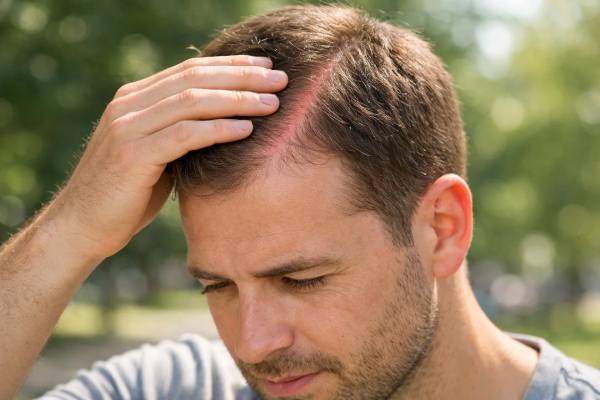
The scalp is one of the most frequently overlooked areas when it comes to sun protection. Even people who carefully apply sunscreen to their face, neck, and shoulders often forget the skin hidden beneath their hair. Yet the scalp can burn just as easily as any other part of the body—sometimes even faster. Areas where hair is thin, parted, or pulled back are particularly vulnerable to ultraviolet (UV) radiation.
A scalp sunburn can feel surprisingly intense. Because the skin of the scalp contains many nerve endings, even mild burns may cause throbbing pain, tightness, itching, or tenderness when brushing hair. In more severe cases, redness, peeling, and small blisters may appear within hours after sun exposure.
Beyond discomfort, repeated scalp sunburn carries longer-term risks. Chronic UV damage contributes to skin aging, scalp inflammation, and increased skin cancer risk. For people with thinning hair or receding hairlines, the scalp becomes even more exposed over time.
The good news is that scalp sunburn is both treatable and largely preventable. Understanding the early symptoms, knowing how to soothe the skin safely, and using targeted sun protection strategies can protect both scalp health and hair growth.
Quick Overview
- Scalp sunburn typically causes redness, tenderness, itching, and peeling along exposed areas such as hair parts and thinning spots.
- Cooling the scalp quickly and maintaining gentle hydration can reduce pain and speed recovery.
- Severe burns with blistering, swelling, or fever require medical evaluation.
- Using scalp sunscreen, protective hairstyles, and hats significantly lowers the risk of repeat burns.
- Reapply scalp sunscreen every two hours during sun exposure, especially when sweating or swimming.
Table of Contents
- Why the Scalp Burns So Easily
- Symptoms of Scalp Sunburn
- How to Treat Scalp Sunburn
- Hair Care After Scalp Sunburn
- Long-Term Risks of Repeated Scalp Sunburn
- Preventing Scalp Sunburn Effectively
Why the Scalp Burns So Easily
Many people assume their hair provides enough protection from the sun. While dense hair does block some ultraviolet radiation, it rarely provides complete coverage. Areas where hair parts naturally—such as along the crown or front hairline—leave the scalp directly exposed to UV rays.
Ultraviolet radiation includes two main types that affect the skin:
- UVA rays, which penetrate deeper layers of the skin and contribute to long-term damage and aging.
- UVB rays, which primarily cause sunburn by damaging the outer skin layers.
The scalp is especially vulnerable to UVB exposure because its skin is relatively thin and often receives direct sunlight for extended periods. Hair does not fully block UV rays, particularly when the hair is fine, light in color, or sparse.
Several factors increase the likelihood of scalp sunburn:
- Thinning hair or bald spots
- Wide or exposed hair parts
- Short hairstyles
- Light or blonde hair colors
- Outdoor activities during peak sunlight hours
People experiencing early hair thinning may be surprised by how quickly the scalp begins to burn. Hair density plays a major role in sun protection. When follicles produce fewer hairs per square centimeter, more skin becomes exposed to ultraviolet radiation.
Understanding how scalp exposure increases with thinning hair can help individuals recognize why protection becomes more important over time. Articles explaining the hair growth cycle and follicle density changes highlight how gradual hair thinning can reduce natural scalp coverage.
Environmental factors also influence burn risk. Water, sand, and snow reflect sunlight, increasing UV exposure. Windy conditions may create a false sense of safety because the skin feels cool even while UV radiation remains strong.
Another overlooked issue is cumulative exposure. Even moderate sunlight for one or two hours can cause scalp burning, particularly when the sun is strongest between late morning and mid-afternoon.
Because the scalp is rarely monitored as closely as other skin areas, sunburn may go unnoticed until pain develops later in the day. By that point, inflammation has already begun.
Recognizing how easily the scalp burns is the first step toward protecting it effectively.
Symptoms of Scalp Sunburn
Scalp sunburn symptoms often appear several hours after exposure to intense sunlight. Because hair partially shields the skin, the burn may develop unevenly, typically affecting exposed areas such as the hairline, crown, or part line.
The earliest signs usually include redness and sensitivity. Many people first notice discomfort when brushing their hair or touching the scalp.
Common symptoms include:
- Red or pink scalp skin
- Tenderness when touching or combing hair
- Tight or warm sensation
- Itching or tingling
- Dryness or flaking within a few days
Within 24 to 48 hours, peeling often begins as the damaged outer skin layer sheds. This peeling can resemble dandruff, although it usually appears in larger flakes.
More severe burns may produce additional symptoms:
- swelling of the scalp
- small blisters or fluid-filled bumps
- headache due to scalp inflammation
- increased sensitivity to heat or hair products
Blistering indicates deeper skin injury and requires more careful treatment. In these cases, the scalp barrier is compromised, making it more susceptible to infection and irritation.
Another symptom sometimes reported is a burning or stinging sensation that continues even after the redness fades. This occurs because sunburn can irritate nerve endings in the scalp.
Some individuals mistake sunburn peeling for dandruff. However, sunburn flakes usually appear a few days after intense sun exposure and resolve as the skin heals.
If burning sensations persist beyond several days, other scalp conditions may be involved. Understanding the difference between sunburn pain and other causes of scalp discomfort—such as those described in common burning scalp triggers—can help identify whether irritation is sun-related or due to another condition.
In rare cases, severe sunburn can lead to systemic symptoms such as fever, nausea, or dizziness. These signs suggest significant sun exposure and require medical attention.
Monitoring scalp symptoms closely after prolonged sun exposure allows for early treatment and faster recovery.
How to Treat Scalp Sunburn
Treating scalp sunburn focuses on reducing inflammation, protecting the damaged skin barrier, and preventing additional irritation while healing occurs. Most mild burns improve within three to seven days with proper care.
The first priority is cooling the skin. Heat trapped in inflamed tissue contributes to pain and redness.
Immediate steps after noticing a scalp burn:
- Move out of direct sunlight immediately.
- Apply a cool compress to the scalp for 10–15 minutes.
- Use lukewarm or cool water when washing hair.
- Avoid tight hairstyles that pull on sensitive skin.
Hydration is also important. Sunburn damages the skin barrier, causing moisture loss. Gentle moisturizing products help restore hydration and reduce peeling.
Ingredients that may soothe the scalp include:
- aloe vera
- panthenol
- glycerin
- hyaluronic acid
- colloidal oatmeal
These ingredients calm irritation without clogging follicles.
Pain and inflammation can also be reduced with over-the-counter anti-inflammatory medications when appropriate. However, these should be used according to medical guidance.
Hair washing requires extra care during healing. Harsh surfactants, strong fragrances, and exfoliating scrubs may worsen irritation. Instead, mild shampoos and gentle scalp cleansing are recommended.
If flaking occurs, resist the urge to scratch or aggressively remove peeling skin. Picking can damage healing tissue and increase infection risk.
Some people find relief from mild exfoliation once healing begins. Guides on safe scalp exfoliation techniques can help remove loose flakes without harming the recovering skin.
If blisters form, they should not be popped. Broken blisters increase infection risk and slow healing.
Most scalp sunburns improve within a week. However, persistent redness, swelling, or severe pain should be evaluated by a healthcare professional.
Gentle care during the first few days of healing allows the scalp to repair its barrier and return to normal function.
Hair Care After Scalp Sunburn
Once the acute pain of scalp sunburn begins to subside, hair care routines still need adjustment. The scalp barrier remains temporarily weakened, making it more sensitive to heat, friction, and chemical exposure.
One of the most important adjustments is avoiding excessive heat styling. Blow dryers, curling irons, and flat irons can further irritate already inflamed skin. Heat exposure also increases dryness, which may worsen peeling.
Allowing hair to dry naturally can reduce irritation during recovery. Understanding the pros and cons of air drying versus blow drying for hair health can help guide safer styling choices while the scalp heals.
Another consideration is shampoo choice. Gentle, fragrance-free formulas are typically best during recovery. Ingredients that support the skin barrier may help reduce tightness and flaking.
Helpful ingredients include:
- ceramides
- niacinamide
- panthenol
- mild surfactants such as cocamidopropyl betaine
Conditioner should be applied mainly to the hair lengths rather than the scalp. Heavy conditioners at the roots may trap heat and slow healing.
Protective hairstyles can also reduce irritation. Loose braids, buns, or low ponytails minimize friction against sensitive skin.
For people with long hair, brushing carefully is essential. Use a wide-tooth comb and start from the ends to prevent pulling on inflamed scalp areas.
During healing, it is also wise to avoid chemical treatments such as hair dye, bleaching, or keratin treatments. These processes can irritate the scalp and disrupt the recovering skin barrier.
Hydration and nutrition also support skin repair. Adequate water intake and a balanced diet rich in vitamins A, C, and E contribute to healthy skin regeneration.
By keeping hair care gentle and supportive, most people can return to their normal routine within a week after a mild sunburn.
Long-Term Risks of Repeated Scalp Sunburn
Occasional mild scalp sunburn may heal without lasting effects, but repeated burns can have cumulative consequences for both scalp skin and hair health.
Ultraviolet radiation damages DNA within skin cells. Over time, repeated exposure increases the likelihood of mutations that can lead to skin cancers. The scalp is a common location for certain skin cancers, partly because it is frequently overlooked during sun protection routines.
Another long-term effect of chronic UV exposure is skin aging. Sun damage accelerates the breakdown of collagen and elastin, proteins responsible for maintaining skin structure. On the scalp, this may contribute to thinner, less resilient skin.
Inflammation from repeated sunburn can also affect hair follicles. Persistent inflammation around follicles may disrupt the environment needed for healthy hair growth.
Research suggests that chronic scalp inflammation can interfere with normal follicle activity. Understanding early warning signs of inflammation—such as those outlined in scalp inflammation indicators linked to hair loss—can help individuals recognize when sun exposure may be affecting scalp health.
Repeated sunburn may also worsen existing scalp conditions such as psoriasis or seborrheic dermatitis. UV exposure can sometimes temporarily improve these conditions, but severe burns typically trigger irritation and flare-ups.
Hair thinning further increases vulnerability to sun damage. As hair density decreases, more ultraviolet radiation reaches the scalp surface, creating a cycle of increasing exposure.
Over many years, cumulative UV damage can alter the scalp’s protective barrier and immune responses. This makes the skin more prone to irritation and slower healing.
These risks highlight why scalp sun protection is not merely cosmetic but an important component of long-term skin health.
Preventing Scalp Sunburn Effectively
Preventing scalp sunburn is far easier than treating it. Because the scalp often receives direct sunlight during outdoor activities, consistent protection strategies are essential.
The most effective prevention methods combine physical barriers and sunscreen protection.
1. Wear protective headwear
Wide-brimmed hats provide the most reliable coverage. Tightly woven fabrics block UV rays more effectively than loosely woven materials.
2. Use scalp sunscreen
Specialized scalp sunscreens are available in several forms:
- sprays
- powders
- lightweight lotions
- sticks for hair parts
These products are designed to protect the scalp without leaving hair greasy.
A detailed comparison of different scalp sunscreen formats and applications can help individuals choose the most practical option for their hair type and routine.
3. Reapply sunscreen regularly
Sweating and swimming reduce sunscreen effectiveness. Reapply every two hours when outdoors for extended periods.
4. Adjust hairstyles
Changing the direction of the hair part occasionally reduces repeated UV exposure to the same area.
5. Limit peak sun exposure
Ultraviolet radiation is strongest between approximately 10 a.m. and 4 p.m. Seeking shade during these hours significantly reduces burn risk.
6. Protect thinning areas
People with thinning hair or receding hairlines may benefit from targeted sunscreen application along exposed scalp zones.
These preventive habits are especially important for individuals who spend long hours outdoors, participate in water sports, or live in sunny climates.
By incorporating simple protective strategies into daily routines, scalp sunburn can be almost entirely avoided.
References
- Ultraviolet Radiation and the Skin: Photobiology and Sunscreen Protection 2021 (Review)
- Sunburn and Skin Cancer: Epidemiology and Prevention 2022 (Review)
- Ultraviolet Radiation and Skin Aging: Mechanisms and Prevention 2023 (Review)
- Cutaneous Photodamage and Clinical Management 2024 (Review)
Disclaimer
This article is for educational purposes only and does not replace professional medical advice, diagnosis, or treatment. Scalp sunburn symptoms can overlap with other scalp conditions, including infections and inflammatory skin disorders. If you experience severe pain, blistering, swelling, fever, or persistent scalp irritation after sun exposure, seek evaluation from a qualified healthcare professional.
If you found this article useful, consider sharing it on Facebook, X (formerly Twitter), or another platform to help others learn how to recognize, treat, and prevent scalp sunburn.