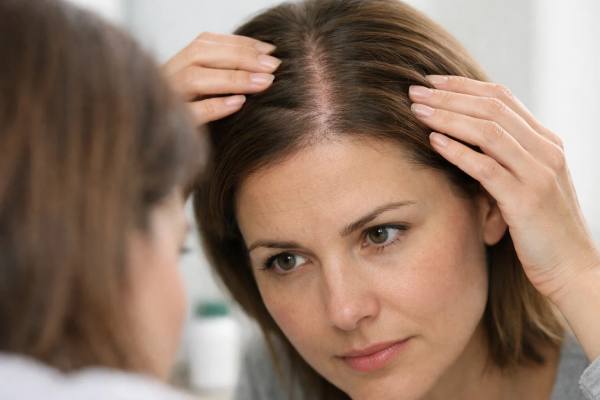
A burst of shedding after antibiotics can feel alarmingly personal. Hair may appear in the shower drain, on your pillow, and all over your brush, often long after the prescription ended. In many cases, this pattern turns out to be telogen effluvium, a temporary shift in the hair cycle that pushes more hairs into the shedding phase. But not every post-antibiotic hair problem is simple shedding. A true scalp infection can also cause hair loss, and that situation needs faster attention because inflammation can damage follicles if it is missed.
The key is not only whether hair is falling out, but how it is happening. Diffuse shedding across the whole scalp suggests one path. Patchy loss with scaling, crusting, pain, or broken hairs suggests another. Understanding that difference helps you respond calmly, avoid unhelpful self-treatment, and know when a dermatologist or clinician should step in.
Essential Insights
- Diffuse shedding that starts about 6 to 12 weeks after an illness or medication often fits telogen effluvium more than an active scalp infection.
- Telogen effluvium usually affects the whole scalp, preserves the follicle openings, and often improves over 3 to 6 months once triggers settle.
- Patchy loss, scalp tenderness, heavy scale, pustules, crusting, or broken hairs points away from simple shedding and toward infection or another inflammatory scalp disorder.
- Do not stop a prescribed antibiotic on your own; use the timing, scalp symptoms, and shedding pattern to guide when you need medical evaluation.
Table of Contents
- Why Shedding Often Starts Late
- Signs That Fit Telogen Effluvium
- Clues That Point to Scalp Infection
- How Clinicians Separate the Two
- What to Do During Recovery
- When Hair Loss Needs a Visit
Why Shedding Often Starts Late
One of the most confusing parts of hair loss after antibiotics is the delay. Many people expect a side effect to happen while they are taking the medication, not two or three months later. That delay is exactly why telogen effluvium is so often misunderstood.
Hair grows in cycles. Most scalp hairs are in the active growth phase, while a smaller share rests before shedding. In telogen effluvium, a stressor nudges an unusually high number of follicles out of growth and into resting. Those hairs do not fall immediately. They sit in the resting phase for weeks, then shed later. That is why a course of antibiotics in January may be followed by obvious shedding in March or April. A quick refresher on the hair growth cycle makes this timing much easier to understand.
The antibiotic may be part of the story, but it is often not the only trigger. The bigger event is usually the full body stress around it, such as:
- the infection itself
- fever
- reduced appetite
- diarrhea or stomach upset
- poor sleep
- dehydration
- short-term weight loss
- taking several medicines at once
This is an important practical point. People often blame the antibiotic because it is concrete and memorable, while the biology may reflect the entire episode of illness and recovery. In other words, the medicine, the infection, and the strain on the body may all contribute.
Timing offers one of the strongest clues. Telogen effluvium usually begins around 6 to 12 weeks after the trigger and, in its acute form, tends to settle within about 6 months. By contrast, scalp infections usually announce themselves more directly. The scalp becomes abnormal first, not just the hair count. There may be itching, pain, scale, bumps, pus, broken hairs, or a distinct patch rather than all-over shedding.
Another detail matters: telogen effluvium almost never creates a completely smooth bald patch overnight. It is a shedding problem, not a scarring event. The follicles are still there and capable of producing hair again. That is why regrowth often appears as short, fine new hairs once the shedding slows.
So when someone says, “My hair started falling out after antibiotics,” the best next question is not simply, “Which antibiotic?” It is, “What happened to your scalp, and when did the shedding actually start?” That timeline often separates a self-limited hair-cycle shift from a condition that needs prompt treatment.
Signs That Fit Telogen Effluvium
Telogen effluvium has a fairly recognizable pattern once you know what to look for. The classic story is sudden awareness of more hair everywhere, but without a dramatic scalp rash or sharply defined bald spot. People notice it while washing, brushing, styling, or running their fingers through dry hair. The ponytail feels thinner. The part may look a little wider. Yet the scalp skin often looks surprisingly normal.
The strongest clues that favor telogen effluvium are these:
- shedding is diffuse, meaning it comes from all over the scalp
- the hairline is usually preserved, even if it looks a bit lighter
- the scalp does not show obvious pustules, thick crusts, or open sores
- shed hairs are often full-length strands with a small white “club” bulb at one end
- there may be mild scalp sensitivity or tingling, but not marked inflammation
- the trigger happened weeks earlier, not necessarily days earlier
This pattern helps distinguish shedding and true hair loss. In telogen effluvium, you are often losing more hairs than usual, but the follicles remain alive. That is why the condition is considered non-scarring. It can look dramatic, especially in long hair, because long strands are visually striking. Even so, many people with telogen effluvium are shedding hairs that were already formed months before.
A subtle but useful clue is the absence of major hair shaft breakage. In breakage, hairs snap at different lengths and leave frayed, shorter pieces. In telogen effluvium, the hairs that come out are usually complete strands. Another clue is that eyebrow and body-hair loss are not typical in straightforward post-illness telogen effluvium. If those areas are involved, the diagnosis deserves a second look.
What telogen effluvium does not usually do is create thick scale, circles of bare skin, inflamed patches, or “black dots” where hairs have broken off near the scalp. Those signs point more toward infection, alopecia areata, or another inflammatory disorder.
Many people ask whether itching rules out telogen effluvium. Not necessarily. Mild itch, tenderness, burning, or a sense that the scalp is “aware of itself” can happen. But the scalp should not look actively diseased. A few flakes are common in the general population and do not automatically mean infection. The real concern is persistent visible inflammation.
Regrowth is another reassuring sign. As shedding slows, you may notice short upright hairs along the hairline, part line, or temples. They can create fuzz or flyaways. That can be annoying cosmetically, but biologically it is encouraging. It means the follicles are cycling back into growth.
The emotional impact of telogen effluvium is often bigger than the medical danger. Shedding can be heavy enough to feel relentless, yet it is usually reversible once the trigger settles and any added issues, such as iron deficiency or thyroid problems, are addressed.
Clues That Point to Scalp Infection
A scalp infection usually leaves more obvious fingerprints than telogen effluvium. Instead of a normal-looking scalp with diffuse shedding, the scalp itself becomes part of the complaint. Hair loss may still be present, but it is often patchy, inflamed, and tied to visible skin changes.
The most important infection clues include:
- one or more patches instead of uniform thinning
- redness or a strong change in scalp color
- thick scale or crust
- pustules or bumps around follicles
- soreness, warmth, or significant tenderness
- broken hairs of uneven length
- “black dots” where hairs snapped at the scalp surface
- swollen lymph nodes, especially behind the ears or in the neck
- a boggy, spongy, very inflamed area
A common infectious cause is tinea capitis, a fungal infection of the scalp. Many people think of it as a childhood condition, but adults can get it too. It can mimic dandruff at first, then show more specific signs such as scale, broken hairs, and focal hair loss. Inflammatory forms can become dramatic, with painful swelling called a kerion. That needs prompt treatment because delayed care raises the risk of scarring.
If you want a deeper read on this condition, scalp ringworm treatment is the related topic most readers end up needing.
Another infection-related pattern involves bacterial folliculitis. Here the main issue is inflamed follicles, often with tender pimples, crusting, or recurring pustules. In more persistent inflammatory disorders, hairs may emerge in tufts from scarred or irritated follicular openings. That is not a telogen effluvium picture. It suggests active follicular disease and deserves a closer exam.
The location of the loss also helps. Telogen effluvium is usually widespread. Infection is more often focal or irregular. One patch may look much worse than the rest of the scalp. The surrounding skin may be flaky, moist, or painful. The person may avoid brushing one area because it hurts.
There is also a practical difference in treatment. Telogen effluvium improves by removing triggers and giving time. Scalp infections need targeted therapy. Fungal scalp infections usually require oral antifungal treatment because creams and oils do not reach deep enough into infected follicles. Bacterial folliculitis may need antiseptic measures, medicated cleansers, or prescription antibiotics depending on severity and cause. Heavy oils, harsh exfoliation, or repeated scratching can worsen either one.
A useful rule of thumb is this: if the scalp looks sick, think beyond simple shedding. Hair loss that comes with visible inflammation should not be treated like a purely cosmetic problem. Early diagnosis matters most when there is pain, crusting, pus, or a chance of permanent follicle damage.
How Clinicians Separate the Two
When a clinician tries to sort out telogen effluvium from scalp infection, the process is usually less about one magic test and more about fitting together a pattern. History matters. Timing matters. The appearance of the scalp matters. In many cases, the answer becomes clear within a focused exam.
The first step is usually a timeline. Expect questions such as:
- When did the antibiotics start and stop?
- Was there fever, hospitalization, surgery, or weight loss?
- Did shedding begin days later or about two to three months later?
- Is the hair loss diffuse or patchy?
- Is the scalp itchy, painful, crusted, or oozing?
- Are hairs coming out whole, or are they breaking off?
That history often does a surprising amount of diagnostic work. Diffuse shedding with a 2- to 3-month lag strongly supports telogen effluvium. Patchy loss with active scalp symptoms points toward infection or another inflammatory cause.
Next comes the exam. A hair-pull test may show active shedding in telogen effluvium when several club hairs release with gentle traction. The scalp in telogen effluvium usually keeps normal follicle openings and lacks major scale or pustules. In infection, the exam may reveal broken hairs, black dots, perifollicular scale, crusts, or tender nodules.
Dermatologists often add trichoscopy, which is essentially scalp dermoscopy. This magnified look can reveal whether hairs are miniaturizing, broken, inflamed, or simply shedding. It can also show whether follicles are preserved, which supports a non-scarring process.
Testing should be targeted, not endless. Broad laboratory panels are not automatically helpful for every person with new telogen effluvium. If the story clearly fits a recent trigger, a clinician may limit testing or choose a short list based on symptoms and risk factors, such as:
- complete blood count
- ferritin or iron studies
- thyroid testing
- vitamin or nutrition checks when diet, weight loss, or malabsorption is relevant
When infection is on the table, the workup shifts. Fungal culture, microscopy, or a scalp sample may be used if tinea capitis is suspected. Pustules may prompt bacterial evaluation when needed. If the scalp shows signs of scarring, a biopsy becomes much more important.
Biopsy is not routine for classic short-term telogen effluvium, but it may be helpful when shedding lasts beyond 6 months, diagnosis remains unclear, or the scalp shows inflammation that could threaten follicles. That is the point where “watch and wait” becomes less appropriate.
The best diagnostic pearl is simple: telogen effluvium is mostly about timing and pattern. Infection is mostly about visible scalp disease. When both stories overlap, careful examination prevents missed treatment and unnecessary panic.
What to Do During Recovery
If your shedding began after antibiotics and the pattern looks more like telogen effluvium than infection, the goal is to reduce extra stress on the hair while the follicles reset. Recovery is usually more about support and patience than about aggressive treatment.
Start with the basics:
- do not stop or restart prescription medicines on your own
- avoid blaming one factor too quickly if you also had fever, poor intake, or weight loss
- wash regularly but gently; a clean scalp is healthier than one overloaded with residue
- minimize high-heat styling, tight hairstyles, and harsh chemical processing during active shedding
- use a wide-tooth comb or gentle detangling routine if your hair tangles easily
Nutrition matters because the body often deprioritizes hair during recovery from illness. That does not mean you need a shelf full of supplements. It means restoring consistent intake. Focus on protein, overall calories, iron-rich foods when appropriate, and hydration. For many adults, it helps to spread protein across meals rather than eating very little all day and trying to catch up at night. Practical options such as eggs, Greek yogurt, tofu, beans, fish, or higher-protein breakfast ideas can make recovery easier when appetite is still rebounding.
Be cautious with supplements marketed for “hair regrowth.” They are often unnecessary unless a real deficiency exists. Extra zinc, selenium, vitamin A, or biotin can complicate the picture more than they help. Documented deficiencies should be corrected; random megadosing is not a smart substitute for diagnosis.
If you suspect infection instead, home treatment should be more conservative, not more creative. Avoid coating the scalp in thick oils, picking at crusts, or repeatedly scrubbing inflamed areas. Those habits can delay diagnosis and worsen irritation. A medicated shampoo may be a helpful add-on in some cases, but it does not replace proper treatment for fungal scalp infection.
Some people consider minoxidil during telogen effluvium recovery. That is a discussion to have with a clinician, especially if underlying pattern hair loss may also be present. In straightforward temporary shedding, time and trigger control are often enough. The hardest part is accepting the lag: the trigger ends first, the shedding slows later, and visible fullness returns later still.
A useful way to monitor progress is with simple photos every 4 weeks in the same lighting and part position. Daily hair counts tend to worsen anxiety because shedding naturally varies from wash day to wash day. Monthly comparison is more honest.
The short version is reassuring: protect the scalp, rebuild the body after illness, avoid over-treating, and let the timeline guide expectations. Hair recovery is usually slower than emotional recovery, but that does not mean the follicles are failing.
When Hair Loss Needs a Visit
Not every episode of post-antibiotic shedding needs an urgent appointment, but some patterns should move you out of watchful waiting and into medical care. The main reason is simple: telogen effluvium is temporary and non-scarring, while infections and inflammatory scalp disorders can cause more lasting damage if they are ignored.
Book a visit sooner rather than later if you have any of the following:
- patchy hair loss rather than diffuse shedding
- thick scale, crust, pus, or painful bumps
- scalp pain, marked burning, or tenderness in one area
- broken hairs, black dots, or a swollen boggy patch
- fever, swollen lymph nodes, or spreading rash
- hair loss in eyebrows or other body areas
- shedding that continues beyond 6 months
- major fatigue, heavy menstrual bleeding, rapid weight loss, or other signs of systemic illness
Children should be seen promptly for patchy hair loss with scale because scalp fungal infection is common in that age group and needs proper treatment. Adults should not dismiss it either, especially if there was close contact with an affected child, shared brushes or hats, animal exposure, or immune suppression.
There is also a middle group: people whose shedding likely is telogen effluvium, but whose recovery is slower than expected. In that case, the visit is less about emergency and more about checking for add-on factors such as iron deficiency, thyroid disease, low protein intake, or underlying pattern hair loss that became more visible once shedding started. A focused evaluation can prevent months of guessing.
One of the most helpful expectations to set is that improvement is delayed. Even after active shedding slows, visible density takes time to return because new hairs have to grow long enough to contribute coverage. That is why many people feel better biologically before they look better cosmetically. This lag is normal.
Use the scalp itself as your guide. A calm scalp with diffuse shedding usually buys you time. An abnormal scalp with focal change takes that time away. If you are unsure, an early visit is often more efficient than weeks of internet comparisons and shelf products that do not match the problem.
For readers trying to decide whether they have crossed that line, these sudden shedding warning signs are the practical threshold: patchiness, inflammation, persistent symptoms, or no sign of improvement over time. Those clues make the difference between reassurance and a workup worth having.
References
- Telogen effluvium: a 360 degree review 2023 (Review)
- Medication-induced hair loss: An update 2023 (Review)
- “Shedding” low yield testing for telogen effluvium: A cross-sectional study of 16,381 laboratory results from newly diagnosed patients 2023
- Comprehensive Review of Tinea Capitis in Adults: Epidemiology, Risk Factors, Clinical Presentations, and Management 2024 (Review)
- Hair Loss: Diagnosis and Treatment 2024 (Review)
Disclaimer
This article is for educational purposes only and does not diagnose or treat medical conditions. Hair shedding after antibiotics may be temporary, but patchy loss, scalp pain, crusting, pustules, fever, or ongoing shedding should be assessed by a qualified clinician or dermatologist. Do not stop prescribed medication or start supplements, antifungals, or hair-loss treatments without medical guidance.
If this article helped, please share it on Facebook, X, or your preferred platform so others can better recognize the difference between temporary shedding and signs of an active scalp problem.