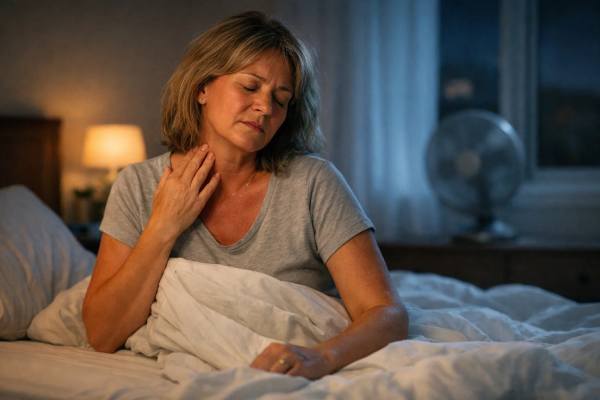
For many people, menopause does not arrive as one dramatic event. It creeps in through small disruptions that start to cluster: waking at 3 a.m. without a clear reason, feeling suddenly overheated in a cool room, snapping more quickly than usual, or noticing that periods and energy levels no longer follow a predictable pattern. These changes can feel confusing because they affect both body and mind at once. Hot flashes, restless sleep, and mood changes often overlap, each making the others harder to manage.
The good news is that these symptoms are common, understandable, and treatable. Some improve with simple daily adjustments. Others respond best to medical treatment or a fuller evaluation. Knowing what menopause symptoms typically look like, what can mimic them, and when to seek help makes the experience far less isolating. A clear plan can turn a scattered set of symptoms into something more manageable and much less frightening.
Core Points
- Hot flashes, broken sleep, and mood shifts often rise during perimenopause and early postmenopause, but their intensity varies widely.
- Night sweats can trigger repeated awakenings, next-day fatigue, and poorer concentration even when total time in bed looks adequate.
- Tracking patterns can reveal triggers such as alcohol, warm bedrooms, late meals, caffeine, and high-stress days.
- Severe depression, chest pain, heavy bleeding, or symptoms that seem out of proportion should be medically evaluated rather than self-treated.
- A useful first step is to track symptoms daily for 2 to 4 weeks, noting timing, cycle changes, sleep quality, and likely triggers.
Table of Contents
- What Menopause Symptoms Can Feel Like
- Hot Flashes and Night Sweats
- Why Sleep Often Gets Harder
- Mood Changes and Brain Fog
- What to Track and Check
- Daily Strategies That Really Help
- Treatment Options and When to Seek Care
What Menopause Symptoms Can Feel Like
Menopause symptoms usually begin during perimenopause, the transition leading up to the final menstrual period. This is when hormone output becomes less steady rather than simply “low.” Estrogen can swing up and down, progesterone often falls earlier because ovulation becomes less regular, and those fluctuations can affect temperature control, sleep quality, emotional regulation, bleeding patterns, and energy. That is why symptoms can seem inconsistent for months or even years.
Hot flashes are the symptom most people recognize first, but they are not the only sign. Sleep often changes early, especially with more nighttime awakenings, lighter sleep, or the sense of feeling tired but somehow “wired.” Mood can shift too. Some people notice more irritability, anxiety, tearfulness, or reduced stress tolerance before they ever think of menopause. Others feel flat, unfocused, or less resilient than usual. Brain fog is also common and may show up as word-finding trouble, forgetfulness, or slower mental switching.
The symptom pattern can be messy because menopause does not affect one system at a time. A single hot flash can trigger sweating, wakefulness, a racing heart, frustration, and then dread about not sleeping well again. Repeated poor sleep can make mood symptoms sharper the next day. Stress can then amplify both hot flashes and insomnia. This overlap is a big reason menopause can feel more disruptive than the individual symptoms might suggest on paper.
It also helps to know that there is a wide range of “normal.” Some people have mild symptoms for a short period. Others have significant discomfort that affects work, relationships, and daily functioning. Symptoms may come and go, flare with stress, and change over time. You can also have menopause-related symptoms while still getting periods, especially if cycles are becoming shorter, longer, heavier, lighter, or more erratic.
The timing matters too. Symptoms that begin in the early 40s or younger deserve more careful assessment, especially if periods are changing quickly or stopping. Symptoms after surgery, chemotherapy, ovarian removal, or certain medications can be more abrupt and intense. The key point is that menopause is not just “getting older.” It is a hormonal transition with recognizable patterns, even when those patterns do not look identical from one person to the next.
Hot Flashes and Night Sweats
Hot flashes and night sweats are often called vasomotor symptoms. In plain language, they are problems with the body’s temperature regulation system. During menopause, the brain can become more sensitive to small shifts in internal temperature, so a minor change that once went unnoticed can trigger a sudden feeling of heat, flushing, sweating, and sometimes chills afterward.
A hot flash often starts in the chest, neck, or face and may spread quickly. Some people feel a wave of heat. Others notice a prickly sensation, redness, damp skin, or a brief surge of anxiety. The heart may pound harder for a moment, which can be unsettling if it happens unexpectedly. Night sweats are the same basic process happening during sleep, and they can be especially exhausting because they soak clothing or bedding and repeatedly break up the night.
Triggers vary, but common ones include alcohol, spicy food, hot drinks, overheated rooms, layered bedding, stress, and sudden emotional surges. For some people, caffeine contributes. For others, skipped meals or intense exercise close to bedtime seem to make symptoms more noticeable. A trigger is not always the cause of the symptom; it may simply lower the threshold for one that was already likely to happen.
Severity matters more than frequency alone. A person who has a few brief daytime hot flashes may cope well, while another person with fewer episodes can feel miserable if they happen during meetings, during the commute, or several times each night. Nighttime symptoms are often the most disruptive because they create a chain reaction: sweating, waking, cooling off, difficulty falling back asleep, then fatigue and irritability the next day.
Practical steps can help reduce the burden even when they do not eliminate symptoms completely. Cooling the bedroom, using breathable sleepwear, keeping a fan nearby, and choosing bedding that is easy to adjust can make a real difference. Daytime strategies include dressing in removable layers, carrying cold water, and pausing to breathe slowly when a flash starts rather than fighting it. A quick reset often helps the episode pass with less distress.
It is also worth separating classic vasomotor symptoms from other causes of sweating or flushing. New symptoms that come with unexplained weight loss, fever, a new medication, persistent palpitations, or feeling unwell in general deserve a medical review. Menopause is common, but it should not be used as a catch-all explanation for every episode of warmth, sweating, or racing heart.
Why Sleep Often Gets Harder
Sleep problems in menopause are not just about being woken by sweat. They often reflect several changes happening at once. Hormone shifts can affect how easily the brain settles into sleep, how deeply a person sleeps, and how often they wake. Hot flashes can interrupt sleep directly, but even people without dramatic night sweats may notice lighter, more fragile sleep during the menopause transition.
The most common complaints are trouble falling asleep, waking in the middle of the night, waking too early, or sleeping for a reasonable number of hours but still feeling unrefreshed. Some people describe a strange mismatch between exhaustion and alertness: they are tired all day, then wide awake when their head hits the pillow. This pattern is frustrating because it creates anxiety about sleep itself, which can make insomnia worse.
Progesterone may play a role here because it has natural calming effects in the body, and less stable progesterone exposure can contribute to a less settled nervous system. Estrogen changes may also influence temperature control, pain sensitivity, and neurotransmitters involved in sleep quality. Add stress, mood shifts, joint discomfort, urinary urgency, or snoring, and sleep becomes even more vulnerable.
Not every sleep problem in midlife is “just menopause,” though. This is an important distinction. Sleep apnea becomes more common with age and weight changes and can show up as loud snoring, gasping, morning headaches, dry mouth, or heavy daytime sleepiness. Restless legs, frequent urination, reflux, thyroid disorders, anxiety disorders, depression, and medication side effects can also damage sleep. When someone says they “cannot sleep anymore,” the right question is not only whether menopause is involved, but whether something else is layered on top of it.
Poor sleep then feeds back into the rest of the symptom picture. It can make hot flashes feel more intense, reduce stress tolerance, worsen memory and concentration, increase appetite swings, and heighten the sense that the body is no longer reliable. That is one reason sleep deserves direct treatment rather than being treated as an afterthought.
A helpful mindset is to think of menopausal sleep problems as a whole system issue. Cooling the room may help if night sweats are the main problem. But if the bigger issue is conditioned insomnia, racing thoughts, or repeated awakenings that continue even on cooler nights, the plan needs to address sleep itself. That may mean structured sleep therapy, changes in evening habits, treatment of hot flashes, or evaluation for another sleep disorder rather than simply buying a better pillow and hoping for the best.
Mood Changes and Brain Fog
Mood changes during menopause are real, and they are not a character flaw. Many people who have always been emotionally steady are surprised by how reactive, anxious, or flat they feel during perimenopause. Others notice that they cry more easily, lose patience faster, or feel less able to “bounce back” after an ordinary stressor. These shifts can be subtle at first, then become harder to ignore once sleep starts slipping too.
Hormonal variability appears to matter as much as hormone decline. In other words, the roller-coaster effect can feel worse than a simple low level. Estrogen interacts with brain systems involved in serotonin, dopamine, and stress signaling, so fluctuating hormones can influence mood, focus, and emotional stability. That does not mean every case of anxiety or depression in midlife is caused by menopause. It does mean menopause can lower the margin for coping, especially when paired with poor sleep, caregiving stress, work pressure, chronic pain, or existing mental health history.
Brain fog often comes along for the ride. People may lose words mid-sentence, forget why they opened an email, or feel slower when switching between tasks. This can be frightening, especially for someone who relies heavily on concentration at work. In most cases, this pattern is more about attention, sleep disruption, and cognitive load than about true memory disease. The brain works poorly when it is repeatedly overheated, under-slept, stressed, and interrupted.
Still, it is important to be specific. Menopause-related mood changes often look like irritability, reduced stress tolerance, more anxiety, lower frustration tolerance, and periods of low mood. Major depression may include persistent hopelessness, loss of interest, profound fatigue, appetite change, feelings of worthlessness, or thoughts of self-harm. Those symptoms deserve prompt medical support. Menopause can be part of the picture, but safety comes first.
The same is true for sudden, extreme symptoms: panic that feels new and relentless, major personality change, confusion, mania, or severe functional decline. Those are not signs to quietly “ride it out.” They are signs to seek care.
For many people, the most reassuring thing is hearing that hot flashes, sleep disruption, and mood changes often travel together. You are not imagining the connection. A better night’s sleep may improve mood. Better control of hot flashes may reduce anxiety about bedtime. Better mood support may reduce stress-triggered flashes. When the symptoms are approached as a linked cluster instead of isolated annoyances, treatment becomes more targeted and usually more effective.
What to Track and Check
A symptom diary is one of the most useful tools in menopause, especially when symptoms feel random. The goal is not to document every sensation forever. It is to collect enough detail over 2 to 4 weeks to see patterns. That information can guide self-care, help a clinician make decisions faster, and prevent every bad day from feeling mysterious.
Track a few basics consistently:
- timing and frequency of hot flashes or night sweats
- sleep quality, including awakenings and early waking
- mood shifts, anxiety, irritability, or tearfulness
- menstrual changes, if periods are still happening
- likely triggers such as alcohol, caffeine, stress, illness, room temperature, or late meals
Keep it simple enough that you will actually do it. A phone note, paper calendar, or symptom app all work. What matters is consistency, not elegance.
Tracking also helps sort menopause from other possible problems. For example, symptoms that worsen dramatically around irregular but still present cycles may point more strongly toward perimenopause. By contrast, hot flashes with major weight loss, diarrhea, constant palpitations, or tremor may raise questions about thyroid disease or another medical problem. Severe fatigue with snoring and morning headaches may point toward sleep apnea. Heavy or prolonged bleeding deserves separate attention even when menopause is likely part of the story.
Testing can be helpful in the right setting, but more testing is not always better. In many people over 45 with typical symptoms, menopause is identified mainly from history and symptom pattern rather than a large hormone panel. That is one reason it helps to understand what hormone tests can and cannot show. A single lab value may not capture fluctuating hormones well, and indiscriminate testing can create more confusion than clarity.
That said, testing may still be appropriate when the situation is less straightforward. Examples include symptoms starting unusually early, uncertain bleeding patterns, suspected thyroid disease, anemia, severe fatigue, very abrupt changes, or concern about another condition. Labs may also matter before treatment decisions, depending on personal history and symptoms.
The most useful mindset is this: track first, test thoughtfully, and avoid assuming every midlife symptom is automatically menopause. Menopause is common, but so are thyroid disorders, depression, iron deficiency, medication effects, and sleep disorders. A careful check is not overreacting. It is how you avoid missing something important while still treating the symptoms that truly are menopause-related.
Daily Strategies That Really Help
Lifestyle changes are not a cure-all, but they can meaningfully reduce symptom burden and improve day-to-day control. The best approaches are usually small, repeatable, and matched to the symptom that is causing the most trouble right now.
For hot flashes and night sweats, start with the environment. A cooler bedroom, breathable sheets, lighter sleepwear, and easy-to-remove layers can reduce the intensity of nighttime disruption. During the day, many people do better when they avoid becoming overheated in the first place. That may mean cracking a window, using a portable fan, choosing fabrics that breathe, and keeping cold water within reach.
For sleep, consistency matters more than perfection. Waking at the same time each day, reducing late caffeine, limiting alcohol near bedtime, and keeping the hour before sleep quieter and dimmer can help retrain a system that has become jumpy. Many people notice that alcohol seems relaxing at first but leads to hotter nights, earlier waking, and more fragmented sleep. Heavy late meals can do the same.
Exercise is one of the most broadly helpful tools, though not because it “balances hormones” in a simplistic way. Regular movement supports mood, stress tolerance, sleep quality, blood sugar stability, and long-term health. Walking, strength training, cycling, swimming, and yoga can all fit. The best exercise is the one you can keep doing. If intense evening workouts worsen sleep, moving them earlier in the day may help.
Stress management also matters, but it should be realistic rather than performative. A five-minute breathing practice, a brief walk outside, or a short wind-down routine before bed is more useful than an elaborate plan you never follow. The goal is to calm a nervous system that may already be more reactive because of hormonal change and sleep loss.
One practical rule is to solve the biggest symptom first. If night sweats are wrecking sleep, work there. If insomnia is the main problem even on cooler nights, build a sleep plan. If irritability is dominating the day, reduce sleep deprivation and stress load before expecting mood to improve on willpower alone.
Be cautious with products marketed as “natural menopause fixes.” Natural does not automatically mean effective, consistent, or safe. Some supplements interact with medications, contain variable doses, or make broad claims with thin evidence. That is especially important when products are promoted as customized or gentler simply because they are framed as bioidentical hormones or “balanced” support. Good care is not about trendy language. It is about the quality of evidence, individual risk, and whether the treatment matches the symptom.
Treatment Options and When to Seek Care
When symptoms are mild, daily strategies may be enough. When symptoms are disruptive, medical treatment can be highly worthwhile. There is no prize for suffering through menopause untreated if your sleep, work, relationships, or mental health are clearly being affected.
Hormone therapy is the most effective treatment for vasomotor symptoms for many appropriate candidates. It may also help sleep, especially when sleep disruption is strongly tied to hot flashes. Whether it is a good option depends on age, time since menopause, medical history, whether the uterus is present, personal risk factors, and symptom priorities. For someone sorting through the bigger picture, a clear HRT candidate guide can help frame the discussion before an appointment.
Nonhormonal options matter too. Some prescription medicines can reduce hot flashes, and structured cognitive behavioral therapy can help with vasomotor symptoms, insomnia, and the distress that builds around both. This is especially important for people who cannot use hormone therapy or prefer not to. Mood symptoms may also need direct treatment, particularly when anxiety or depression has become more than a secondary effect of bad sleep.
You should seek medical care sooner rather than later if you have:
- symptoms that are severely disrupting sleep or functioning
- depression, panic, or anxiety that feels intense or unfamiliar
- heavy bleeding, bleeding after menopause, or major cycle changes that raise concern
- chest pain, fainting, significant shortness of breath, or troubling palpitations
- symptoms beginning unusually early
- a personal history that complicates treatment decisions, such as breast cancer, stroke, blood clots, or major liver disease
A good appointment usually covers more than “Are you having hot flashes?” It should include symptom timing, bleeding pattern, sleep, mood, medications, cardiovascular risk, migraine history, smoking status, and goals. Some people mainly want better sleep. Others want fewer hot flashes. Others need mood support first. Clear priorities make treatment choices easier.
It is also reasonable to ask about route and formulation when hormone therapy is being considered. Patch, gel, spray, oral, and vaginal options are not interchangeable, and the best fit depends on the symptom being treated and the person’s risk profile. The discussion should be individualized, not generic.
Finally, trust the impact symptoms are having on your life. Menopause is a normal life stage, but symptoms do not have to be minimized just because they are common. If you are waking repeatedly, dreading bedtime, avoiding social situations because of flushing, or feeling unlike yourself for months, that is enough reason to ask for help. Good menopause care is not about toughing it out. It is about improving quality of life in a safe, informed way.
References
- European society of endocrinology clinical practice guideline for evaluation and management of menopause and the perimenopause 2025 (Guideline). ([PubMed][1])
- Recommendations | Menopause: identification and management | Guidance | NICE 2024 (Guideline). ([NICE][2])
- The 2023 nonhormone therapy position statement of The North American Menopause Society 2023 (Position Statement). ([PubMed][3])
- Impact of sleep disturbances on health-related quality of life in postmenopausal women: a systematic review 2024 (Systematic Review). ([PMC][4])
- The risk of depression in the menopausal stages: A systematic review and meta-analysis 2024 (Systematic Review and Meta-analysis). ([PubMed][5])
Disclaimer
This article is for educational purposes and is not a substitute for personal medical advice, diagnosis, or treatment. Menopause symptoms can overlap with thyroid disorders, sleep disorders, depression, anxiety, anemia, medication side effects, and other health conditions. Seek prompt medical care for chest pain, fainting, severe mood changes, suicidal thoughts, heavy bleeding, or bleeding after menopause.
If this article was useful, please consider sharing it on Facebook, X, or any platform where it may help someone else make sense of these symptoms.