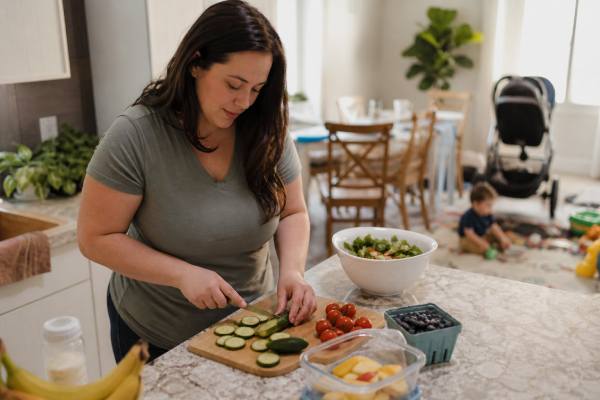
Raising young kids changes almost everything about weight loss: your sleep, schedule, food environment, mental load, and ability to exercise without interruption. A plan that worked before children may feel unrealistic now, not because you lack discipline, but because your daily life has different constraints.
The most effective approach is usually not a stricter diet or a more intense workout plan. It is a simpler system: meals you can repeat, movement that fits into short gaps, flexible tracking, and routines that survive sick days, tantrums, school runs, daycare closures, and bedtime delays. The goal is steady progress without turning your whole household into a weight loss project.
Table of Contents
- What Works When Time Is Limited
- Set Realistic Goals and Priorities
- Build Family Meals Around Your Needs
- Use Small Blocks of Movement
- Manage Snacking, Stress and Sleep Disruption
- Create Routines That Survive Chaos
- Adjust for Postpartum and Medical Needs
- A Simple Weekly Plan for Parents
What Works When Time Is Limited
Weight loss with young kids works best when the plan reduces decisions, not when it demands more willpower. Parents often do better with a few repeatable habits than with detailed rules that fall apart the first time a child gets sick or bedtime runs late.
The basic principle is still a calorie deficit, meaning you take in less energy than your body uses over time. But in family life, the practical question is not “What is the perfect diet?” It is “What can I do most days without needing a quiet kitchen, an empty calendar, or perfect sleep?” That is why a parent-friendly plan usually leans on structure, convenience, and “good enough” meals.
For many parents, the highest-return habits are:
- Eating enough protein at breakfast or lunch so hunger does not build all day
- Keeping quick, filling foods available before hunger becomes urgent
- Using walks, stairs, playground time, and short home workouts instead of waiting for a full gym session
- Making one meal for the household, then adjusting portions or add-ons for personal goals
- Planning for the most chaotic times of day, especially late afternoon and after the kids go to bed
This is also why weight loss for parents can look different from weight loss for someone with more control over their time. A 20-minute walk with a stroller, a 10-minute bodyweight circuit, a reheated meal, or a simple high-protein snack can be a real strategy, not a compromise.
A helpful mindset is to build the plan around “minimum effective actions.” These are small behaviors that still move you forward when the day is messy. For example, on an ideal day, you might cook dinner, walk 30 minutes, and prep tomorrow’s lunch. On a hard day, your minimum might be eating a protein-rich frozen meal, taking a 10-minute walk, and stopping after one bedtime snack instead of grazing. Both count as staying engaged.
If your main challenge is time, it may help to borrow systems from broader weight loss strategies for busy parents, especially approaches that rely on repeatable meals and short movement blocks rather than long daily workouts.
Set Realistic Goals and Priorities
A realistic goal is one you can pursue while still feeding your family, sleeping when possible, working, caregiving, and recovering from normal parenting stress. For many adults, a gradual pace of about 1 to 2 pounds per week is considered a reasonable upper range, but slower progress is still meaningful and often more sustainable.
When you are raising young kids, the first goal should not be aggressive weight loss. It should be consistency under real-life conditions. Losing 2 pounds one week and regaining them the next because the plan was too hard is usually less helpful than losing slowly while building habits you can repeat.
A practical starting goal might be:
- Lose 5% of your starting weight over several months
- Walk 20 minutes on most days, even if broken into shorter blocks
- Eat a protein-containing breakfast 5 days per week
- Replace unplanned evening grazing with one planned snack
- Cook or assemble 3 simple dinners at home each week
These goals are not dramatic, but they are powerful because they reduce friction. They also give you something to measure besides the scale.
Young kids create constant interruptions, so it is important to separate “not perfect” from “not working.” A missed workout, a takeout dinner, or a rough weekend does not erase progress. It is simply part of the operating conditions. The useful question is: What is the next normal action?
You can also use a priority ladder. When life is calm, you may have room for meal prep, workouts, tracking, and sleep routines. When life is hard, keep only the most important supports:
| Priority | What to focus on | Simple example |
|---|---|---|
| First | Regular meals | Do not skip lunch and arrive at dinner ravenous |
| Second | Protein and produce | Add eggs, Greek yogurt, chicken, beans, tofu, fruit, or vegetables |
| Third | Daily movement | Walk during stroller time, errands, or playground visits |
| Fourth | Evening boundaries | Choose one planned snack after bedtime, then close the kitchen |
| Fifth | Detailed tracking | Use calorie or macro tracking only if it helps rather than overwhelms you |
If you are just starting and feel overwhelmed, a broader busy-schedule weight loss plan can help you build a smaller starting routine before adding more detail.
Build Family Meals Around Your Needs
The easiest food plan is usually one where the family meal stays the family meal, but your plate is adjusted for your goals. You do not need separate “diet food” while your children eat something completely different.
A useful formula is protein, produce, high-fiber carbohydrate, and a satisfying fat. This can fit many family meals:
- Tacos with lean meat, beans, salsa, lettuce, avocado, and measured cheese
- Pasta with chicken or lentils, vegetables, marinara, and a side salad
- Rice bowls with eggs, tofu, fish, chicken, beans, vegetables, and sauce
- Sheet-pan meals with potatoes, vegetables, and a protein
- Breakfast-for-dinner with eggs, fruit, whole-grain toast, and yogurt
- Soup or chili with beans, lean meat, vegetables, and a simple topping
The key is not to make meals tiny. Parents who under-eat during the day often end up grazing at night. A filling plate that includes protein and fiber is more likely to support a calorie deficit than a “light” meal that leaves you searching through the pantry later.
For many parents, breakfast and lunch matter more than they expect. Skipping or nibbling through the day can feel efficient, but it often leads to strong hunger during the hardest hours: after school pickup, during dinner prep, or after bedtime. A protein-rich breakfast or lunch can reduce that late-day rebound.
Simple parent-friendly options include:
- Greek yogurt with fruit and high-fiber cereal
- Eggs with toast and fruit
- Cottage cheese with berries and nuts
- Turkey, tuna, tofu, or hummus wraps
- Leftover dinner over salad greens or rice
- Rotisserie chicken with microwave vegetables and potatoes
- Bean soup with added chicken, tofu, or yogurt on the side
If you need very fast meals, keep a short list of options that take 15 minutes or less. Helpful staples include frozen vegetables, microwave rice, canned beans, eggs, prewashed salad, tuna packets, Greek yogurt, cooked chicken, frozen fruit, and whole-grain wraps. For more ideas, 15-minute weight loss meals can be easier to sustain than elaborate meal prep.
Snacks should also be planned, not left to whatever your child did not finish. “Toddler leftovers” can quietly add up: crusts, crackers, bites of pasta, fruit pouches, nuggets, and sweets from lunchboxes. You do not need to be rigid, but it helps to notice whether you are eating because you are hungry or because food is in front of you.
Good snack anchors include protein, fiber, or both. Examples include fruit with yogurt, cheese with whole-grain crackers, edamame, roasted chickpeas, boiled eggs, cottage cheese, hummus and vegetables, or a small protein smoothie. A list of high-protein snacks for weight loss can make this easier when the house is noisy and decisions are already depleted.
Use Small Blocks of Movement
Exercise does not need to happen in one perfect session to count. Short walks, active play, household movement, and brief strength sessions can all support weight loss, health, mood, and energy.
For busy parents, the most reliable movement plan is usually built from two layers: daily movement and planned exercise. Daily movement includes walking, carrying groceries, cleaning, stairs, playground time, and active errands. Planned exercise includes strength training, cardio workouts, cycling, running, classes, or gym sessions.
Daily movement is often the easier place to start. You might:
- Walk for 10 minutes after school drop-off
- Take a stroller walk before dinner
- Do a playground loop instead of sitting the whole time
- Use stairs when practical
- Pace during phone calls
- Park farther away when safety and time allow
- Do a short walk after one meal each day
Walking is especially useful because it is flexible, low cost, and often compatible with caregiving. It may not feel intense, but it can help increase total energy expenditure without leaving you exhausted. A realistic walking plan for weight loss can be more useful than a workout program you rarely have time to do.
Strength training is also important, especially during weight loss. It helps preserve muscle, supports function, and makes everyday parenting tasks easier. You do not need a full gym program to start. Two or three short sessions per week can be enough to build the habit.
A simple home strength session might include:
- Squats to a chair
- Wall or counter push-ups
- Glute bridges
- Bent-over rows with a backpack or dumbbells
- Dead bugs or bird dogs
- Farmer carries with grocery bags or weights
Repeat the circuit 2 or 3 times, stopping before your form breaks down. If your children interrupt, pause and restart. The session still counts. A no-equipment plan such as a bodyweight workout for weight loss can be useful when leaving the house is not realistic.
The biggest mistake is waiting until you can exercise “properly.” Ten minutes is not a failure. It is often the bridge between doing nothing and rebuilding fitness.
Manage Snacking, Stress and Sleep Disruption
Evening snacking is often less about hunger and more about exhaustion, stress, and finally having a quiet moment. This does not mean you need to ban snacks; it means you need a plan for the hours when self-control is lowest.
After young kids go to bed, many parents feel a powerful urge to reclaim the day. Food can become a reward, a comfort, or a way to stay awake long enough to enjoy personal time. This pattern is understandable, but it can easily erase the calorie deficit created earlier.
A practical evening approach is to decide in advance:
- Will I have a snack tonight?
- What will it be?
- Where will I eat it?
- What signals that I am done?
For example, you might choose Greek yogurt with fruit, popcorn and a protein drink, herbal tea with a small dessert, or toast with peanut butter. The goal is not to remove pleasure. It is to prevent open-ended grazing.
Stress eating needs a similar approach. When you are overstimulated by noise, mess, work, childcare, and decision-making, food may be the fastest available relief. Before eating, try a brief pause: “Am I hungry, depleted, angry, lonely, or just done?” If you are physically hungry, eat. If you are emotionally overloaded, food may still be part of the evening, but it should not be the only coping tool.
Other fast decompression options include:
- A 5-minute walk outside
- A shower
- Breathing slowly for 2 minutes
- Stretching on the floor
- Calling or texting another adult
- Putting on headphones while tidying
- Making tea and sitting away from the kitchen
If stress cravings are a major pattern, structured tools for stress, cravings, and weight loss may help you create alternatives that still feel realistic.
Sleep is the hardest part for many parents because it is not fully under your control. Babies wake, toddlers stall bedtime, preschoolers get sick, and early mornings happen. Poor sleep can increase hunger, cravings, and impulsive eating, so it deserves attention, but not shame.
Instead of chasing perfect sleep, focus on protectable sleep habits:
- Keep a consistent adult bedtime on nights when you can
- Avoid revenge bedtime procrastination most weeknights
- Reduce alcohol close to bed if it worsens sleep quality
- Keep caffeine earlier in the day if you are sensitive
- Prepare tomorrow’s breakfast, bags, or clothes before you sit down for the night
- Nap when possible if you are in a season of severe sleep disruption
For more detail, sleep needs and weight loss can help you understand why recovery affects appetite and consistency.
Create Routines That Survive Chaos
A strong routine for parents is not rigid; it has backup versions. The plan should tell you what to do on a normal day, a busy day, and a completely derailed day.
Think in terms of “Plan A, Plan B, and Plan C.” Plan A is what you do when the day goes well. Plan B is for a busy but manageable day. Plan C is for illness, poor sleep, travel, school events, or emotional overload.
For food, that might look like this:
- Plan A: Cook a balanced dinner and pack leftovers for lunch
- Plan B: Use a frozen meal plus extra vegetables and protein
- Plan C: Order takeout, choose a protein-forward option, and stop when satisfied
For movement:
- Plan A: 35-minute workout
- Plan B: 15-minute walk and 10 minutes of strength
- Plan C: 5 minutes of stretching and an early bedtime
For tracking:
- Plan A: Log meals
- Plan B: Track only protein and snacks
- Plan C: Use the plate method and restart tomorrow
This approach prevents the common “I already blew it” spiral. It also teaches your brain that consistency means returning, not performing perfectly.
Home environment matters too. Young kids often come with snack drawers, crackers, sweets, and convenience foods. You do not need to remove every fun food from the house, but you can make helpful choices easier to reach. Put fruit, yogurt, cut vegetables, cheese sticks, sparkling water, and ready proteins in visible places. Store trigger foods out of sight or buy smaller portions.
A Sunday reset can also help, but it should be short. In 30 to 45 minutes, you can:
- Choose 3 dinners for the week
- Wash or chop one fruit or vegetable
- Prep one protein, such as eggs, chicken, tofu, beans, or turkey
- Restock easy snacks
- Pick 3 movement windows
- Check the family calendar for nights that need backup meals
For parents, habit design often matters more than motivation. Connecting new actions to existing routines can help: stretch after brushing teeth, take vitamins with breakfast, walk after daycare drop-off, pack lunch while dinner is heating, or drink water before coffee. Small routines like these are the foundation of tiny habits for weight loss.
Adjust for Postpartum and Medical Needs
If you are postpartum, breastfeeding, pregnant, recovering from a C-section, managing pelvic floor symptoms, or dealing with a medical condition, your weight loss plan should be more cautious and individualized. In these situations, the safest plan may prioritize nourishment, recovery, and medical guidance before intentional fat loss.
Postpartum weight loss is not just regular weight loss with less sleep. Your body may be healing from birth, surgery, blood loss, pelvic floor strain, breastfeeding demands, hormonal changes, and major sleep disruption. If you gave birth recently, get clearance from your clinician before returning to more intense exercise, especially if you had a C-section, severe tearing, pelvic pain, prolapse symptoms, heavy bleeding, or complications.
Breastfeeding parents also need enough calories, fluid, and nutrients to support milk supply and recovery. Some people can lose weight gradually while breastfeeding, but aggressive calorie restriction can backfire by worsening fatigue, hunger, mood, and possibly supply. If this applies to you, read more about losing weight while breastfeeding and discuss your plan with a qualified clinician or registered dietitian.
You should also seek medical guidance if you have:
- Unexplained or rapid weight gain
- Sudden weight loss without trying
- New swelling, shortness of breath, chest pain, fainting, or severe fatigue
- Symptoms of depression, anxiety, binge eating, or food restriction
- Thyroid disease, diabetes, PCOS, hypertension, kidney disease, or heart disease
- A history of an eating disorder
- Medications that may affect appetite, energy, fluid retention, or weight
- Ongoing pain, pelvic heaviness, leaking, or abdominal doming during exercise
A parent-friendly plan should never require crash dieting, detoxes, laxatives, very low-calorie diets without medical supervision, or punishing workouts. These approaches are especially risky when sleep is poor and caregiving demands are high.
The safer path is slower, steadier, and more flexible: regular meals, enough protein, fruits and vegetables, walking, strength training scaled to your body, and support when the plan is not working. If you are doing the basics consistently and weight is not changing after several weeks, consider whether portions, liquid calories, weekend intake, sleep deprivation, medications, or medical factors might be involved.
A Simple Weekly Plan for Parents
A good weekly plan should be simple enough to follow during real family life. Use this as a starting framework, then adjust for your schedule, culture, budget, food preferences, and childcare demands.
Food structure
Choose 2 breakfasts, 2 lunches, 3 dinners, and 3 snacks you can repeat. Repetition is not boring when it reduces stress.
Example breakfasts:
- Greek yogurt, fruit, and high-fiber cereal
- Eggs, toast, and fruit
- Protein smoothie with fruit and yogurt
- Oatmeal with protein added on the side
Example lunches:
- Leftover dinner bowl
- Turkey, tofu, tuna, or bean wrap
- Salad kit with added chicken, eggs, beans, or salmon
- Soup with extra protein and fruit
Example dinners:
- Taco bowls
- Stir-fry with rice and vegetables
- Sheet-pan chicken, tofu, or fish with potatoes and vegetables
- Pasta with lean protein and salad
- Chili with beans and vegetables
Example snacks:
- Cottage cheese and fruit
- Hummus with vegetables and crackers
- Cheese stick and apple
- Yogurt
- Boiled eggs
- Edamame
- Popcorn plus a protein option
Movement structure
Aim for a weekly rhythm rather than a perfect daily routine:
- 3 to 5 walks, even if some are only 10 to 20 minutes
- 2 short strength sessions
- 1 active family outing, such as a park walk, hike, bike ride, or playground session
- Light mobility or stretching on stressful nights
If you already exercise, keep doing what you enjoy. If you are restarting, begin below your maximum. You should finish most sessions feeling like you could do a little more, not like you need two days to recover.
Tracking structure
Choose the lightest form of tracking that gives you useful feedback. Options include:
- Daily weigh-ins with a weekly average, if this does not harm your mood
- Weighing 1 to 3 times per week
- Tracking protein and steps only
- Taking waist measurements every few weeks
- Using photos or clothing fit
- Logging meals for a short period to learn portions
- Using the plate method without counting calories
If tracking makes you anxious, obsessive, or more likely to restrict and rebound, use a gentler method and consider professional support.
Weekend structure
Weekends can be harder than weekdays because routines loosen and children’s activities take over. Decide in advance where flexibility belongs. Maybe Friday pizza stays, but you add salad and stop at comfortable fullness. Maybe Saturday breakfast is special, but lunch is simple and protein-rich. Maybe you plan takeout on the busiest night instead of pretending you will cook.
A successful plan for parents leaves room for family life. Birthday cake, pancakes, movie nights, and restaurant meals can fit. The difference is that they are part of the pattern, not a reason to abandon it.
References
- Steps for Losing Weight 2025 (Government Resource)
- Eating & Physical Activity to Lose or Maintain Weight 2026 (Government Resource)
- Changing Your Habits for Better Health 2025 (Government Resource)
- Choosing a Safe & Successful Weight-loss Program 2026 (Government Resource)
- WHO guidelines on physical activity and sedentary behaviour 2020 (Guideline)
Disclaimer
This article is for general educational purposes only and is not a substitute for professional medical advice, diagnosis, or treatment. If you are pregnant, postpartum, breastfeeding, managing a medical condition, taking medications, or have a history of disordered eating, talk with a qualified health professional before starting a weight loss plan.
If you found this helpful, consider sharing it on Facebook, X, or your preferred platform so other parents can use these strategies too.