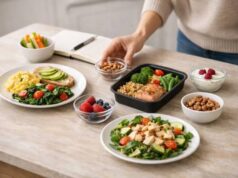
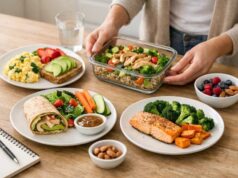
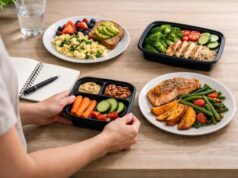
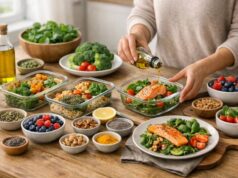
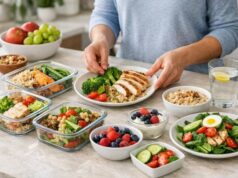
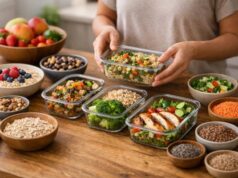
Fast meals can absolutely support weight loss, but only if they do more than save time. The best 15-minute meals keep calories in a useful range, include enough protein and fiber to stay filling, and rely on ingredients you can actually keep stocked on a busy week. That is what separates a quick meal from a random snack plate that leaves you hungry an hour later.
This article breaks down what makes a 15-minute meal effective for fat loss, how to build one without overthinking it, and a full list of quick breakfast, lunch, dinner, and snack ideas that work in real life. You will also find smart grocery shortcuts, common mistakes to avoid, and ways to keep fast meals from getting repetitive.
Table of Contents
- What makes a 15-minute meal work
- How to build fast meals for fat loss
- 15-minute breakfasts for weight loss
- 15-minute lunches and dinners
- Smart shortcuts that save time
- Common mistakes with quick weight loss meals
- How to make fast meals consistent
What makes a 15-minute meal work
A 15-minute meal for weight loss is not just any meal that happens to be fast. It needs to do three jobs at once: fit your calorie needs, keep hunger under control, and be realistic enough that you will actually make it on a workday, school night, or chaotic afternoon.
That usually means the meal includes a solid protein source, some fiber-rich food, and enough volume to feel like a real meal instead of a placeholder. In practical terms, many effective quick meals land somewhere around 300 to 500 calories, with at least 20 to 35 grams of protein and a visible amount of produce, beans, potatoes, fruit, or whole grains. Exact numbers vary by person, but the pattern holds up.
The most useful mindset is to stop expecting every fast meal to be a recipe. Many good 15-minute weight loss meals are built from components:
- pre-cooked protein
- frozen or pre-washed vegetables
- microwaveable grains or potatoes
- a measured sauce or dressing
- fruit or yogurt on the side
This matters because speed changes how people eat. When time is tight, many fall into one of two traps. The first is skipping meals, then overeating later. The second is grazing on calorie-dense convenience food that is easy to grab but not very filling. A quick meal that is high in protein and moderate in calories helps protect against both.
Another useful distinction is between “quick to cook” and “quick to decide.” Some meals take only 10 minutes on paper but 20 minutes once you count planning, chopping, and figuring out what sounds good. The best fast meals reduce decision-making too. That is why staple bowls, wraps, egg dishes, smoothies, and skillet meals work so well. They follow a repeatable pattern.
If you are constantly short on time, it also helps to think beyond recipes and focus on the foods that are easiest to assemble into satisfying plates. Guides on foods that work well in a calorie deficit and high-volume, low-calorie choices can make your “fast meal” options much stronger without requiring complicated cooking.
How to build fast meals for fat loss
When you are busy, a formula is more useful than a long recipe card. The easiest way to build a 15-minute meal for weight loss is to combine four parts: protein, produce, smart carbs, and a controlled amount of fat or flavor.
Here is the simple structure:
- Pick a protein anchor.
- Add volume from vegetables or fruit.
- Include a carb source based on hunger and activity.
- Finish with flavor from a measured fat or sauce.
That sounds basic, but it solves most of the problems that make quick meals backfire. A meal built around crackers, cheese, and a handful of nuts may look light, but it can be surprisingly calorie-dense while still lacking enough protein and volume. A meal built around chicken, beans, salsa, greens, and rice is usually much more filling for similar or even fewer calories.
Useful protein anchors for 15-minute meals include:
- eggs or egg whites
- Greek yogurt or cottage cheese
- rotisserie chicken
- canned tuna or salmon
- tofu or edamame
- shrimp
- turkey slices
- leftover lean beef or ground turkey
- protein powder for shakes or overnight oats
For carbs, think in terms of function rather than fear. Carbs are not the problem in fast meals. Oversized, low-fiber portions often are. Good quick options include oats, fruit, beans, potatoes, whole-grain wraps, microwaveable rice, quinoa cups, or high-fiber bread. If you are unsure how to choose them, these ideas on carbs that fit a calorie deficit can help.
Fat should be included, but measured. This is where quick meals often drift off plan. Olive oil, peanut butter, shredded cheese, avocado, creamy dressing, and pesto all add up fast. A tablespoon here and a heavy pour there can turn a simple 400-calorie lunch into a 700-calorie one. On a tight calorie budget, the difference matters.
A practical way to portion a fast meal is:
- Protein: about one palm-sized serving
- Carb: one cupped hand, more if you are very active
- Vegetables or fruit: one to two fists
- Fat: one thumb-sized serving or less, depending on the rest of the meal
If you want even more structure, building a high-protein plate is one of the easiest ways to keep fast meals both filling and weight-loss friendly. It reduces the guesswork and makes it easier to repeat good choices when your day gets hectic.
15-minute breakfasts for weight loss
Breakfast is often where busy schedules collide with appetite control. A good quick breakfast should be fast enough to make before work or class, but substantial enough that you are not scavenging for snacks by mid-morning.
Here are reliable 15-minute breakfast ideas that work well for weight loss.
| Meal | Main ingredients | Why it works |
|---|---|---|
| Greek yogurt bowl | Greek yogurt, berries, chia seeds, high-fiber cereal | High protein, no cooking, strong fiber support |
| Egg and veggie scramble | Eggs, egg whites, spinach, mushrooms, toast | Hot and filling without taking long |
| Protein oatmeal | Oats, milk, protein powder, banana, cinnamon | Easy way to combine carbs and protein |
| Cottage cheese fruit bowl | Cottage cheese, pineapple or berries, walnuts | Fast, cool, and surprisingly satisfying |
| Smoothie plus egg | Protein powder, berries, spinach, oats, boiled egg | Portable and better balanced than smoothie alone |
A few examples in more detail:
- Greek yogurt bowl: Use plain Greek yogurt, berries, a spoonful of chia or flax, and a small amount of high-fiber cereal or oats. This takes under five minutes and usually offers far more protein than a typical muffin or granola bar breakfast.
- Egg wrap: Scramble two eggs plus egg whites, add salsa and spinach, and wrap in a whole-grain tortilla. It feels more like a real meal than toast alone.
- Protein oats: Microwave oats, stir in protein powder after cooking, then top with banana and cinnamon. This works especially well if you exercise later in the morning.
- Savory cottage cheese toast: Spread cottage cheese on whole-grain toast and top with tomato, cucumber, black pepper, and everything seasoning.
- Breakfast leftovers: Leftover roasted potatoes, rotisserie chicken, and a fried egg can become a fast savory bowl. There is no rule that breakfast foods have to be sweet or traditional.
The biggest breakfast mistake is keeping it too small. Coffee and a protein bar may sound efficient, but for many people it leads to later cravings or a larger lunch than planned. If mornings are your weak point, these low-calorie breakfast ideas and quick high-protein breakfast options can help you rotate more filling choices without needing extra prep.
15-minute lunches and dinners
Lunch and dinner are where fast meals need to feel satisfying enough to replace takeout, drive-thru food, or random snacking. The good news is that many of the best weight loss meals come together quickly because they rely on cooked staples, frozen vegetables, canned proteins, and strong flavors rather than elaborate prep.
Here are several dependable 15-minute meals:
Chicken burrito bowl
Use rotisserie chicken, microwaveable rice, black beans, salsa, shredded lettuce, and a spoonful of Greek yogurt or avocado. It is fast, filling, and easy to scale up or down depending on your calorie goal.
Tuna and white bean salad
Mix tuna with white beans, chopped cucumber, tomatoes, red onion, lemon juice, and a little olive oil. Serve with greens or whole-grain toast. This is a good example of a desk-friendly lunch that does not require reheating.
Shrimp stir-fry
Shrimp cook quickly, which makes them ideal for busy evenings. Use frozen shrimp, a bag of stir-fry vegetables, soy sauce or a lower-sugar teriyaki sauce, and a small serving of rice. Dinner is done in about 10 minutes if the pan is hot.
Turkey burger plate
Cook a lean turkey burger in a skillet while microwaving a potato and tossing together a salad. This creates a more substantial dinner than a sandwich and keeps calories easier to track.
Egg fried rice shortcut
Use leftover rice or a ready rice cup, mixed vegetables, eggs, and edamame. Cook it in a nonstick pan with soy sauce and garlic. It is cheap, fast, and more balanced than takeout fried rice.
Chicken Caesar wrap remake
Use chopped romaine, rotisserie chicken, parmesan, and a measured amount of light Caesar dressing in a whole-grain wrap. Add tomato or roasted peppers to increase volume.
High-protein pasta bowl
Choose a moderate portion of pasta, add marinara, pre-cooked turkey meatballs or chicken sausage, and a side of broccoli. This works well when you want comfort food without turning dinner into a calorie blowout.
Tofu and veggie skillet
Crumble extra-firm tofu into a pan with frozen peppers, onions, and shredded cabbage, then season with soy sauce, garlic, and chili flakes. Serve over rice or cauliflower rice.
A useful pattern for quick dinners is to keep one comfort-style element and build the rest of the plate around it. Pasta can stay, but pair it with lean protein and vegetables. Rice can stay, but keep the portion measured and add beans or chicken. That kind of thinking makes quick meals far easier to maintain than trying to remove every food you enjoy.
For more ideas in the same style, easy low-calorie lunches and high-protein, high-fiber dinners are helpful next steps when you want more variety without adding more complexity.
Smart shortcuts that save time
The secret to 15-minute meals is not speed cooking alone. It is strategic shopping. Most people do not need more recipes. They need faster ingredients.
The best time-saving shortcuts are the ones that reduce prep without quietly turning every meal into a highly processed snack. That means using convenience foods selectively and pairing them with higher-quality staples.
The most useful shortcuts include:
- rotisserie chicken
- frozen vegetables and fruit
- microwaveable rice or quinoa cups
- canned tuna, salmon, beans, and lentils
- bagged salad kits with the dressing used lightly
- pre-boiled eggs
- pre-cut stir-fry vegetables
- frozen cooked shrimp
- lower-sodium soups
- plain Greek yogurt as a sauce base
Best of all, many of these are cost-effective when compared with takeout. A bag of frozen broccoli, a carton of eggs, a tub of yogurt, and a rotisserie chicken can produce several meals for the price of one delivery dinner.
Here is a simple shortcut table you can use when time is tight:
| Instead of | Use | Time saved |
|---|---|---|
| Cooking dry grains | Microwaveable rice or quinoa | 15 to 30 minutes |
| Trimming raw chicken | Rotisserie chicken or pre-cooked strips | 10 to 20 minutes |
| Washing and chopping produce | Bagged salad, frozen vegetables, pre-cut peppers | 5 to 15 minutes |
| Making sauces from scratch | Salsa, marinara, hummus, yogurt-based sauce | 5 to 10 minutes |
| Cooking beans from dry | Canned beans, rinsed and drained | Hours |
One of the most underrated shortcuts is keeping a “rescue shelf” in the freezer or pantry. A few reliable items can stop a stressful day from turning into an all-out takeout night. Good rescue foods include frozen veggie mixes, shrimp, edamame, microwave rice, soup, turkey meatballs, berries, and whole-grain wraps. A list of frozen foods that work well for weight loss and a simple grocery list can make that system even easier to build.
Common mistakes with quick weight loss meals
Fast meals can help with consistency, but they also come with a few predictable traps. Most are not about the meal being too quick. They are about the meal being too light, too snack-like, or too easy to underestimate.
The first big mistake is building meals with convenience foods that are low in protein. A smoothie made only with fruit and milk, a bowl of cereal, or toast with nut butter may be fast, but many people will be hungry again soon. Quick meals need enough substance to carry you to the next meal.
The second mistake is forgetting that healthy foods can still be calorie-dense. Nuts, granola, dried fruit, avocado, olive oil, pesto, and cheese can all fit a weight loss plan, but generous portions add up very quickly. This is especially important in 15-minute meals because convenience often leads to less measuring and more eyeballing.
A third problem is using snacks as meals. A protein bar, a banana, and a coffee may get you through the moment, but it often does not function like lunch. Later hunger tends to collect interest. That is why structured quick meals usually work better than piecing together random small items.
Another issue is over-relying on restaurant or packaged “healthy” options. A wrap, smoothie bowl, salad, or grain bowl from a cafe can sound weight loss friendly, but dressings, sauces, oils, and large portions can push calories much higher than expected. If eating out is part of your week, knowing how to choose better takeout options can help.
Watch for these patterns too:
- skipping vegetables because they feel inconvenient
- choosing only low-carb or only low-fat foods without considering fullness
- relying on liquid calories more than solid meals
- eating too fast and not noticing fullness
- getting bored and reverting to less balanced default foods
Quick meals work best when they feel repeatable, not punishing. If your 15-minute options always taste like “diet food,” adherence usually drops. The better strategy is to make the meals flavorful, high in protein, and simple enough to repeat without becoming miserable.
How to make fast meals consistent
The goal is not to cook from scratch three times a day in exactly 15 minutes. The goal is to build a personal system where a fast, reasonably balanced meal is almost always easier than an off-plan one.
That starts with identifying your busiest windows. Some people need five-minute breakfasts. Others need emergency lunches between meetings or dead-simple dinners after commuting. Once you know your pressure points, you can stock foods that solve that specific problem.
A few strategies work especially well:
- Keep three breakfasts, three lunches, and three dinners on repeat.
- Use one weekly grocery list rather than shopping from recipe to recipe.
- Store at least two freezer meals built from simple staples, not just comfort food.
- Pre-portion calorie-dense extras like nuts, cheese, and dressings.
- Pair meals with consistent routines so decision fatigue stays low.
This is where habit matters as much as nutrition. The best quick meal plan is one you can repeat on ordinary Wednesdays, not just on motivated Sundays. Meal systems are often more important than meal perfection. That is also why short prep sessions can be so powerful. Even 30 to 60 minutes of prep can turn the whole week into a set of 10- to 15-minute meals.
If you want a stronger routine, articles on weekend meal prep and meal planning habits pair naturally with the fast-meal approach. They help turn quick meals from a backup plan into your default plan.
The best sign that your system is working is not just that meals are fast. It is that they reduce stress, cut down on impulsive food choices, and make your calorie deficit easier to maintain without constant tracking or mental effort. That is what real convenience should do.
References
- Dietary Guidelines for Americans, 2020-2025 2020 (Guideline)
- Obesity Management in Adults: A Review 2023 (Review)
- Meal Timing and Anthropometric and Metabolic Outcomes 2024 (Systematic Review)
- Meal patterns, including intermittent fasting, and their association with cardiovascular risk in adults: a scoping review 2024 (Scoping Review)
- Protein, fiber, and exercise: a narrative review of their roles in managing body composition and appetite among physically active women 2025 (Review)
Disclaimer
This article is for general educational purposes only and is not a substitute for medical, nutrition, or dietetic advice. Weight loss meal needs vary based on body size, activity, medications, health conditions, and personal history with eating, so speak with a qualified clinician or registered dietitian if you need individualized guidance.
If this article helped you, please share it on Facebook, X, or any platform you prefer so others can find these quick meal ideas too.