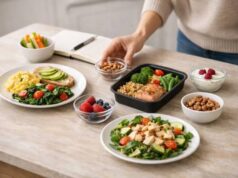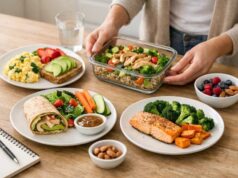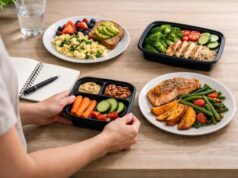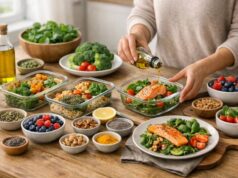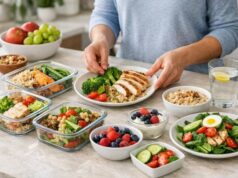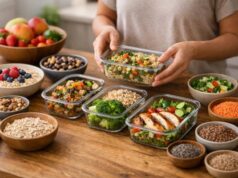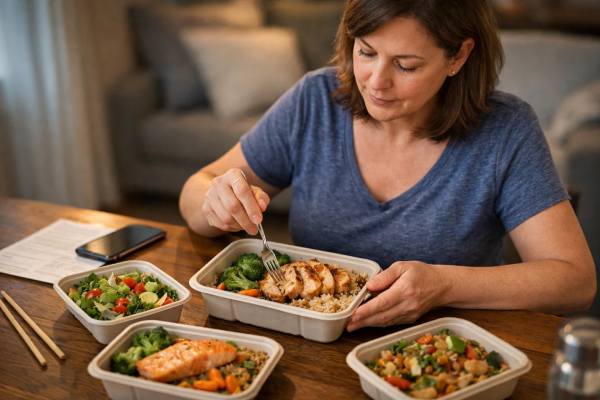
Healthy takeout choices for weight loss are less about finding a perfect menu and more about making smart decisions inside imperfect ones. You do not need to avoid delivery or restaurant food to lose weight. You need orders that keep calories reasonable, protein high enough, vegetables visible, and portion size under control. That usually means choosing grilled over fried, building meals around lean protein, and treating sauces, sides, and extras like the real decision points they are.
This guide breaks down how to order takeout without feeling deprived, what to look for on different menus, which foods are easiest to overdo, and how to turn restaurant meals into something that supports progress instead of wiping out your deficit for the day.
Table of Contents
- What makes takeout weight-loss friendly
- The best ordering rules before you pick a restaurant
- Healthy takeout choices by restaurant type
- How to build a better takeout meal
- Common takeout traps that derail progress
- What to do if you already ordered something heavy
- Making takeout fit your real-life routine
What makes takeout weight-loss friendly
A healthy takeout order for weight loss is not necessarily the lightest thing on the menu. It is the order that gives you enough food quality and fullness to stay satisfied without pushing calories, sodium-heavy extras, and portion size far beyond what you intended. That distinction matters because many people order the smallest-sounding item, feel unsatisfied, then end up eating more later.
The most useful takeout meals usually have four features. First, they include a clear protein source such as grilled chicken, shrimp, fish, tofu, lean beef, turkey, eggs, or beans. Second, they include some produce, whether that is vegetables in a stir-fry, salad, fajita vegetables, soup, or a side of fruit. Third, they keep the most calorie-dense extras under control, especially fried coatings, creamy sauces, cheese overload, and oversized refined-carb sides. Fourth, they are portioned in a way that makes sense for one meal instead of two or three.
The reason this works is straightforward. Restaurant and delivery food tends to be more energy dense than home-cooked food. It is often cooked with more oil, larger portions, more sodium, and more highly palatable combinations of fat, refined carbs, and sauces. That does not make takeout incompatible with weight loss. It just means the margin for autopilot eating is smaller.
A weight-loss-friendly order should also feel like a real meal. That means it should not be all lettuce and regret. Meals with enough protein and volume are much easier to control than orders built around fried appetizers, cheesy mains, or sugary drinks. In practice, a burrito bowl with double fajita vegetables and chicken is often easier to fit into your plan than “just a little” takeout pizza plus garlic bread plus a dessert because you were still hungry.
This is also why restaurant food works better when it follows the same basic structure as foods that fit a calorie deficit and a high-protein plate for weight loss. You are not trying to find magic menu items. You are trying to create a plate with enough protein, enough produce, and fewer calorie-heavy add-ons.
The best ordering rules before you pick a restaurant
Most bad takeout decisions happen before the food arrives. They happen when you order while starving, scroll without a plan, and let the menu talk you into sides, appetizers, drinks, and desserts you were not even thinking about ten minutes earlier. A few simple rules can prevent that.
Rule 1: Pick the protein first
Before you decide on the cuisine, ask what the meal’s main protein will be. Chicken, shrimp, fish, tofu, turkey, lean beef, eggs, or beans usually give you a much better foundation than letting the meal revolve around breading, cheese, or sauce. If the main item does not have a clear protein anchor, it often ends up less satisfying than it looks.
Rule 2: Build around one main item, not a collection of cravings
A common takeout mistake is turning a meal into an event: entrée, side, appetizer, drink, and dessert. Even when each item seems reasonable on its own, the combination can quietly double or triple the calories you meant to eat. Most of the time, one balanced entrée is a better starting point than several smaller items.
Rule 3: Watch the hidden calorie multipliers
The biggest decision points are often not the main dish. They are:
- Creamy sauces
- Cheese
- Fried toppings
- Extra oil
- Sugary drinks
- Large sides
- Chips, bread, and dips
- Desserts added “just because”
These are the items that make an order feel harmless when reading the menu but much heavier once it arrives.
Rule 4: Think in swaps, not perfection
Healthy takeout ordering is usually about upgrading the order you were already going to place. Examples include:
- Grilled instead of fried
- Sauce on the side instead of mixed in
- Vegetables instead of fries
- Burrito bowl instead of giant burrito
- Thin or smaller pizza portion plus salad instead of multiple heavy slices
- Water or diet drink instead of regular soda
That kind of flexibility matters because a rigid all-or-nothing mindset is one reason people spiral after restaurant meals. The more practical approach looks a lot like flexible dieting for weight loss and the mindset behind avoiding all-or-nothing thinking.
Rule 5: Decide before you are too hungry
If takeout is a regular part of your week, keep a short list of reliable orders. Decision fatigue makes people choose whatever sounds most rewarding in the moment. Having two or three default meals from your usual places lowers that risk and makes consistency much easier.
Healthy takeout choices by restaurant type
Different restaurant categories have different traps, but almost all of them have workable options if you know what to prioritize.
| Restaurant type | Usually better choices | Usually riskier choices |
|---|---|---|
| Mexican | Burrito bowl, grilled fajitas, bean-based dishes, salsa, extra vegetables | Large burritos, queso-heavy meals, fried shells, chips and queso |
| Chinese | Steamed or lightly stir-fried dishes, chicken and vegetables, shrimp, tofu, sauce on the side | Deep-fried entrées, sticky sweet sauces, fried rice, large appetizer combos |
| Italian | Grilled protein, tomato-based sauces, minestrone, salad, seafood pasta in smaller portions | Alfredo, breaded cutlets, cheesy baked pasta, garlic bread plus pasta |
| Mediterranean | Chicken or fish plates, kebabs, lentil soup, Greek salad, rice and vegetables | Oversized pita platters, heavy sauces in large amounts, multiple dips and sides |
| Burger or fast casual | Grilled chicken sandwich, burger without extras, side salad, chili | Combo meals, fries, shakes, double patties with loaded toppings |
| Sushi and Japanese | Sashimi, simple rolls, rice bowls with lean protein, miso soup, edamame | Tempura rolls, mayo-heavy specialty rolls, fried appetizers |
Mexican takeout
Mexican menus are often easy to work with because they offer bowls, beans, grilled protein, vegetables, salsa, and rice. A burrito bowl with chicken or steak, black beans, fajita vegetables, salsa, and a moderate amount of rice is usually a much easier fit than a giant burrito with cheese, sour cream, chips, and queso. The same ordering logic overlaps with what to order at Mexican restaurants.
Chinese takeout
Chinese takeout becomes much easier when you focus on stir-fried or steamed dishes instead of heavily battered items. Chicken and broccoli, shrimp with mixed vegetables, tofu with vegetables, and sauce on the side can work well. White or brown rice can still fit, but portion size matters. This is one place where a single swap can make a big difference, especially if you usually default to sweet, fried entrées. There is a deeper version of this strategy in what to order at Chinese restaurants.
Italian takeout
Italian menus get tricky because pasta portions, bread, cheese, and creamy sauces stack calories quickly. Better choices often include grilled chicken dishes, seafood with tomato sauce, minestrone soup, side salad, or a smaller pasta serving with a lean protein. Italian food does not need to be off-limits, but it usually rewards portion awareness more than wishful thinking.
Mediterranean and bowl-style takeout
Mediterranean food is often one of the easiest takeout categories for weight loss because it naturally includes grilled protein, vegetables, beans, yogurt sauces, and rice. The main caution is over-ordering pita, sauces, and multiple dips.
Sushi and fast-casual chains
Sushi can fit well when you keep rolls simpler and avoid turning the meal into tempura, spicy mayo, and side dishes. Fast-casual places can also work well if you build a sensible bowl or sandwich instead of ordering the default combo.
How to build a better takeout meal
A good takeout meal follows the same basic formula as a good home meal. You want a protein anchor, enough food volume to feel satisfied, some carbohydrate if it helps the meal feel complete, and controlled extras rather than unrestricted add-ons.
A simple restaurant formula
Use this order-building sequence:
- Choose the protein.
- Add vegetables or another high-volume component.
- Choose your starch intentionally.
- Limit the richest extras.
- Adjust portion size before the food arrives.
That sounds simple, but it helps because it shifts the meal away from impulse combinations. Once you know the protein and the vegetable component, you can make smarter calls on rice, tortillas, pasta, fries, naan, bread, or dumplings instead of treating them as automatic.
When starch helps rather than hurts
Many people assume the healthiest takeout choice is the one with the fewest carbs. That is not always true. A moderate portion of rice, potatoes, beans, noodles, or bread can make a meal much more satisfying and easier to stick with, especially when the rest of the order is balanced. The problem is usually not the existence of carbs. It is the oversized portions plus fat-heavy extras that often come with them. That is why it helps to understand which carbs work best in a calorie deficit.
Use sauces and extras like condiments, not foundations
Sauces are one of the easiest ways a takeout meal gets away from you. Ordering sauce on the side does not mean you need to skip it. It means you get to decide how much actually improves the meal. The same goes for cheese, creamy dressings, aioli, sour cream, and oily toppings.
Portion control starts before the first bite
Restaurant portions are often designed to feel generous, not goal-friendly. Some meals are easier to manage when you:
- Split them in half immediately
- Plate part and refrigerate the rest
- Add your own vegetables at home
- Skip the automatically included chips, bread, or dessert
If your takeout meal still feels too small without fries, dessert, or multiple sides, that may be a sign the main order was too low in protein or too low in total volume. This is why many people do better when takeout follows the same logic as high-protein, low-calorie meals or filling low-calorie meals.
Common takeout traps that derail progress
The biggest takeout mistakes usually do not come from one obviously indulgent entrée. They come from stacking calories in ways that feel small at the time.
The most common traps include:
- Ordering while extremely hungry
- Getting a combo automatically
- Adding an appetizer “to share”
- Drinking calories with the meal
- Treating bread, chips, or crackers as free
- Choosing meals that sound healthy but are loaded with sauce or oil
- Finishing the full portion just because it is there
One of the most misleading traps is the “healthy bowl” effect. Bowls sound safer than sandwiches or wraps, but they can still become very calorie-dense if they include multiple scoops of rice, extra oil, cheese, nuts, creamy dressings, avocado, and sugary sauces. That does not mean bowls are bad. It means the toppings matter more than the container.
Another trap is compensatory thinking. People often order something heavier and tell themselves they will “be good tomorrow.” That mindset turns one takeout meal into two bad decisions: the oversized order and the restriction response afterward. A much better approach is to make the order slightly better now instead of planning to fix it later.
There is also the issue of emotional convenience. Takeout often shows up on the days when people are tired, stressed, or mentally done. That makes hyper-palatable food harder to moderate. In those situations, the smartest move is usually not heroic restraint. It is having a reliable shortlist of orders that already work. This is closely tied to the problems described in restaurant habit traps and overeating and the pattern behind stress eating after work.
Finally, do not ignore drinks. Sweet coffee drinks, soda, alcohol, milkshakes, and dessert beverages can dramatically change the meal without adding much satiety. When weight loss is the goal, keeping drinks simple is often one of the highest-return decisions you can make.
What to do if you already ordered something heavy
One takeout meal does not derail progress. The real damage usually comes from the reaction to it. People overeat at dinner, feel guilty, then either keep eating because “the day is ruined” or swing into overcorrection the next morning. Both responses make the situation worse.
The more useful approach is calm damage control. If you already ordered something heavy, do not try to pretend it is suddenly a diet meal. Just make the next few decisions better.
Start with portion control. If the order is large, split it before you begin. Eat until you are satisfied, not until the container is empty. If the meal is very rich, pairing part of it with fruit, vegetables, or a side salad at home can sometimes help the meal feel more balanced without needing to finish the full restaurant portion.
Next, do not skip meals the next day as punishment. That often backfires by making you ravenous later. Instead, go back to normal structure: protein-rich breakfast, decent lunch, enough water, and a walk or regular activity if that is part of your routine. This is one reason many people benefit from a simple get-back-on-track plan instead of trying to “erase” the meal.
It also helps to remember that the scale may bounce temporarily after a salty restaurant meal. That is not necessarily fat gain. Restaurant food is often higher in sodium and carbs, which can temporarily raise water retention. Reacting to that with panic usually leads to worse choices than the meal itself.
If the takeout choice came from convenience more than craving, use it as information. Maybe your best move is keeping a couple of freezer meals, canned soups, or other faster at-home backups. Maybe it means saving two default restaurant orders in your phone so you do not scroll aimlessly next time. The goal is not guilt. It is learning how to make the next version easier.
Making takeout fit your real-life routine
Takeout is much easier to manage when it becomes a planned part of your week instead of a random emergency. That does not mean scheduling every craving. It means knowing where takeout fits in your routine so it does not constantly catch you off guard.
For some people, that looks like one planned takeout dinner per week. For others, it means using takeout on the busiest nights but tightening up breakfast and lunch so dinner has more room. Either approach can work. The problem is not takeout itself. The problem is letting every busy night become an unplanned calorie blowout.
A few strategies make a big difference:
- Keep a shortlist of reliable orders from two or three places
- Decide whether takeout is replacing a meal or adding to the day
- Build the rest of the day around normal meals, not restriction
- Do not arrive at dinner starving
- Treat restaurant food as a convenience tool, not a reward system
That last point matters more than it sounds. If takeout becomes your default reward after a stressful day, it gets much harder to make calm food choices. The meal carries emotion, not just hunger. That can turn a reasonable order into an “I deserve this” sequence of extras.
It also helps to combine takeout strategy with a broader environment strategy. A home stocked with easy protein foods, fruit, vegetables, and practical backup meals makes it easier to use takeout selectively rather than constantly. The same logic shows up in a food environment reset and in making healthy choices easier at home.
The most realistic goal is not to eat restaurant food perfectly. It is to order in a way that still lets you make progress over time. When takeout fits inside a repeatable structure, it stops feeling like a setback and starts behaving like just another meal.
References
- Healthy diet 2026 (Fact Sheet)
- Menu Calorie Label Use and Diet Quality 2023 (Review)
- Eating out of Home: Influence on Nutrition, Health, and Policies 2022 (Review)
- Protein, fiber, and exercise: a narrative review of their roles in weight management and cardiometabolic health 2025 (Review)
- Assessing restaurant nutrition quality and dietary factors that may impact food security 2026 (Research Article)
Disclaimer
This article is for general educational purposes only and is not a substitute for medical advice, diagnosis, or treatment. If you have a medical condition, an eating disorder history, or nutrition needs that require a more structured plan, speak with a qualified clinician or registered dietitian for personalized guidance.
If this article helped, please share it on Facebook, X, or your preferred platform so more people can make healthier takeout choices for weight loss without feeling like restaurant meals have to ruin their progress.