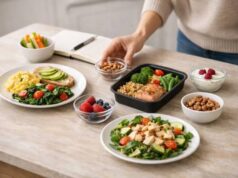
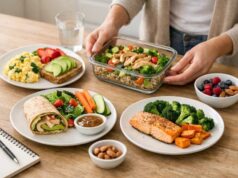
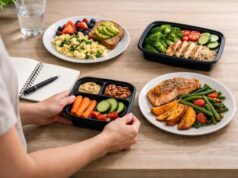
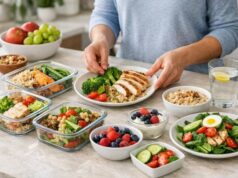
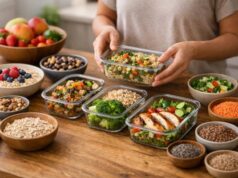
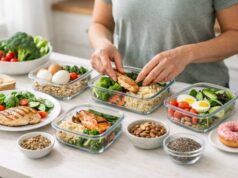
An anti-inflammatory meal plan for weight loss works best when it does two things at once: lowers the overall calorie density of your meals and makes those meals easier to stick to. That usually means more vegetables, fruit, beans, fish, yogurt, whole grains, herbs, and olive oil, and less of the ultra-processed, high-calorie food combinations that make hunger harder to manage. The goal is not to find a magical list of “fat-burning” foods. It is to build a week of meals that supports appetite control, steadier energy, better food quality, and consistent progress.
Below, you will find the foods that matter most, what to limit, a full 7-day menu, and simple ways to adjust the plan to fit your calories and routine.
Table of Contents
- What makes an anti-inflammatory meal plan work
- Best foods to build meals around
- Foods to limit without becoming rigid
- 7-day anti-inflammatory meal plan
- Grocery list and meal prep strategy
- How to adjust calories and portions
- Who should get extra guidance first
What makes an anti-inflammatory meal plan work
The most useful way to think about anti-inflammatory eating is as a pattern, not a superfood checklist. In practice, the pattern is built around minimally processed foods that give you more fiber, more protein, more water-rich volume, and better fat quality while keeping calories under control. That combination helps with fullness, which is one of the biggest reasons people can maintain a calorie deficit long enough to lose weight.
A strong anti-inflammatory weight-loss plan usually has these features:
- A protein source at each meal, such as fish, Greek yogurt, eggs, chicken, tofu, edamame, lentils, or cottage cheese
- High-fiber carbohydrates, such as oats, beans, quinoa, fruit, potatoes, and intact whole grains
- Plenty of vegetables, especially leafy greens, cruciferous vegetables, tomatoes, peppers, mushrooms, onions, and carrots
- Fat from measured portions of olive oil, nuts, seeds, avocado, and fatty fish
- Flavor from herbs, spices, citrus, garlic, vinegar, and fermented foods instead of relying only on sugar, butter, or creamy sauces
This style of eating tends to overlap heavily with Mediterranean-style menus. It also lines up well with the practical ideas behind an anti-inflammatory diet for weight loss and the everyday food choices that make a calorie deficit easier to sustain.
There is also an important reality check: anti-inflammatory foods do not override portions. Salmon, walnuts, olive oil, dark chocolate, and avocado can all fit this plan, but they are still calorie-dense. The people who get the best results are usually the ones who combine those foods with bulky low-calorie staples such as vegetables, berries, broth-based soups, beans, and lean proteins instead of treating every “healthy” food as unlimited.
Another key point is consistency. Weight loss is rarely driven by one perfect lunch or one clean dinner. It comes from repeating good-enough meals that keep hunger stable and reduce decision fatigue. When your breakfast is predictable, your lunch is packable, and your dinner uses familiar ingredients, the whole plan becomes easier to follow for more than a few days.
Best foods to build meals around
The easiest way to build an anti-inflammatory meal plan is to start with foods that do several jobs at once: they improve diet quality, help with fullness, and fit a realistic calorie target. You do not need unusual ingredients. You need repeatable staples.
| Food group | Practical examples | Why it helps |
|---|---|---|
| Lean and high-protein foods | Greek yogurt, skyr, eggs, chicken breast, turkey, tofu, edamame, fish, cottage cheese | Supports fullness and helps keep meals satisfying without needing oversized portions |
| High-fiber carbohydrates | Oats, beans, lentils, quinoa, brown rice, sweet potatoes, potatoes, whole-grain bread | Provides slower-digesting energy and makes meals more filling |
| Produce with high volume | Berries, apples, citrus, leafy greens, broccoli, cauliflower, peppers, tomatoes, zucchini | Adds bulk, color, and nutrients for relatively few calories |
| Healthy fats | Extra-virgin olive oil, walnuts, almonds, chia seeds, flaxseed, avocado | Improves flavor and satiety, but works best in measured portions |
| Flavor boosters | Garlic, ginger, turmeric, cinnamon, parsley, dill, basil, lemon, vinegar | Makes simple meals taste better without relying on heavy sauces |
A simple rule is to build each main meal around one protein, one produce-heavy component, one smart carbohydrate, and one modest fat source. That keeps meals balanced without forcing you to count every gram.
For example, a lunch of salmon, quinoa, cucumber, tomato, greens, and olive-oil vinaigrette works because each part has a job. The salmon helps with satiety, the quinoa and vegetables make the plate more substantial, and the vinaigrette adds flavor without turning lunch into a restaurant-style calorie bomb.
Healthy fats deserve a special mention. They are useful, but they are where many “clean eating” meal plans quietly become too high in calories. Two handfuls of nuts, half an avocado, and several free-poured tablespoons of olive oil can turn a solid meal into a very energy-dense one. That is why it helps to treat these as measured ingredients, just as you would in a plan focused on healthy fats for weight loss.
Produce variety matters, too. Rotating berries, apples, citrus, leafy greens, cruciferous vegetables, tomatoes, mushrooms, and peppers keeps meals from becoming monotonous while boosting volume. This is one reason people do well when they regularly choose from a wider list of vegetables that add fullness without many calories.
Foods to limit without becoming rigid
An anti-inflammatory meal plan does not need a long banned-food list. In fact, overly strict rules often backfire. The better approach is to identify the foods most likely to raise calories fast, reduce fullness, and crowd out more useful staples.
The main ones to watch are:
- Sugary drinks, sweet coffee drinks, and frequent juice
- Pastries, chips, crackers, and snack foods that are easy to overeat
- Large portions of takeout meals built around refined carbs and added fats
- Processed meats and frequent fast-food meals
- Heavy dressings, creamy sauces, and “healthy” bowls drenched in oil
- Desserts that follow meals automatically rather than intentionally
These foods are not a problem only because of inflammation. They are a problem because they are easy to eat quickly, often not very filling, and usually energy-dense. That makes them common entries on lists of foods that make a calorie deficit harder to maintain.
The goal is not perfection. A realistic anti-inflammatory week can include a square or two of dark chocolate, a burger night, or a dessert out. The real issue is frequency and context. If most of your meals are centered on protein, produce, and high-fiber carbs, a flexible treat usually fits. If treats keep replacing structured meals, progress slows.
Alcohol is another common blind spot. Even when it is not consumed in huge amounts, it can add calories fast, lower food restraint, and displace recovery-promoting habits like good sleep. For many people, tightening alcohol intake makes an anti-inflammatory plan work much better, which is why practical guidance from an alcohol and weight loss guide is often helpful.
A useful mindset is this: limit foods that make you hungrier, less aware of portions, or more likely to keep eating after you are satisfied. That is usually more effective than obsessing over whether a single ingredient is technically “inflammatory.”
7-day anti-inflammatory meal plan
The sample week below is designed for fat loss, not deprivation. For many adults, it lands roughly in the mid-1,500s to high-1,700s in calories depending on brands, cooking fats, and portion size, with a generally high-protein, high-fiber structure. It uses familiar foods, moderate portions of healthy fats, and repeated ingredients so shopping stays manageable.
| Day | Breakfast | Lunch | Dinner | Snack |
|---|---|---|---|---|
| Day 1 | Greek yogurt bowl with berries, chia seeds, rolled oats, cinnamon, and a small portion of walnuts | Salmon and quinoa salad with spinach, cucumber, tomatoes, chickpeas, parsley, and lemon-olive oil dressing | Turmeric garlic chicken with roasted broccoli, carrots, and brown rice | Apple slices with 1 tablespoon peanut butter |
| Day 2 | Vegetable omelet with mushrooms, spinach, and tomatoes, plus one slice whole-grain toast and avocado | Lentil soup with a side salad and plain yogurt | Baked cod with sweet potato, green beans, and a drizzle of olive oil and lemon | Cottage cheese with kiwi |
| Day 3 | Overnight oats with kefir, berries, ground flaxseed, and pumpkin seeds | Turkey and hummus wrap in a whole-grain tortilla with lettuce, peppers, and cucumber | Tofu and edamame stir-fry with brown rice, bok choy, peppers, ginger, and garlic | Greek yogurt with cherries |
| Day 4 | Skyr or Greek yogurt with pear, cinnamon, and chopped almonds | Chicken grain bowl with farro, roasted zucchini, tomatoes, arugula, olives, and yogurt-herb sauce | White bean and vegetable soup with shredded chicken and a side of roasted cauliflower | Orange and a few pistachios |
| Day 5 | Smoothie with Greek yogurt, frozen berries, spinach, flaxseed, and unsweetened milk | Tuna and chickpea salad stuffed into a whole-grain pita with crunchy vegetables | Turkey meatballs in tomato sauce over a modest portion of whole-wheat pasta with a large salad | Strawberries and two squares dark chocolate |
| Day 6 | Oatmeal cooked with milk, topped with blueberries, chia seeds, and a side of cottage cheese | Leftover turkey meatball bowl with greens and roasted vegetables | Sheet-pan salmon with Brussels sprouts and baby potatoes seasoned with garlic, dill, and lemon | Edamame with sea salt |
| Day 7 | Egg scramble with spinach, onions, peppers, and smoked salmon, plus fruit on the side | Black bean quinoa bowl with salsa, lettuce, tomatoes, avocado, and plain yogurt or skyr | Baked trout or tofu with lentil salad, cucumber, tomatoes, herbs, and roasted asparagus | Plain yogurt with cinnamon and sliced apple |
A few reasons this menu works well:
- Breakfasts are protein-forward, which helps prevent the “hungry by 10 a.m.” pattern.
- Lunches are sturdy enough to hold up during a workday instead of feeling like diet food.
- Dinners use vegetables generously so the plate still looks full even when calories are controlled.
- Snacks are optional but useful when they stop you from arriving at dinner overly hungry.
You can also repeat meals instead of making all seven days different. In real life, repeating the yogurt bowl, lentil soup, chicken grain bowl, or salmon tray bake is often what turns a nice-looking plan into one you can actually follow.
Vegetarian swap ideas are simple: replace chicken or fish with tofu, tempeh, edamame, or an extra serving of beans and yogurt. If you prefer pescatarian meals, keep the plan structure but rotate salmon, trout, sardines, shrimp, and canned tuna more often.
Grocery list and meal prep strategy
A week like this becomes much easier when you prep components instead of full recipes. Most people do not need seven finished meals sitting in containers. They need a few proteins, a few vegetables, one or two starches, and easy breakfast and snack staples.
Use a shopping list built around these groups:
- Proteins: salmon or cod, chicken breast or thighs, eggs, Greek yogurt or skyr, cottage cheese, tofu, canned tuna, lentils, chickpeas, black beans, edamame
- Carbohydrates: oats, brown rice, quinoa or farro, sweet potatoes, baby potatoes, whole-grain bread or wraps, whole-wheat pasta
- Produce: berries, apples, pears, kiwi, oranges, spinach, arugula, broccoli, Brussels sprouts, carrots, peppers, zucchini, cucumber, tomatoes, onions, cauliflower, asparagus
- Fats and flavor: extra-virgin olive oil, walnuts or almonds, chia seeds, flaxseed, avocado, garlic, ginger, lemon, vinegar, dill, parsley, cinnamon, turmeric
- Convenience extras: broth for soup, salsa, olives, plain hummus, frozen vegetables, frozen berries
A good 60-minute prep session might look like this:
- Roast two sheet pans of vegetables.
- Cook one grain, such as brown rice or quinoa.
- Bake or grill one protein, such as chicken.
- Mix one soup or bean-based lunch.
- Portion yogurt, fruit, nuts, and edamame for easy snacks.
- Blend or pre-portion smoothie ingredients for two breakfasts.
This works especially well if you already like a repeatable weekend meal prep routine. It also helps to shop from a simple weight loss grocery list mindset: buy the foods that make good choices faster, not the foods that require perfect motivation at 8 p.m.
One underrated strategy is to keep a “minimum-effort backup meal” on hand. Think frozen salmon fillets, microwaveable brown rice, frozen broccoli, or canned lentil soup plus Greek yogurt. A backup meal protects the plan when the day goes sideways. That matters more than having a fancy recipe for every night.
How to adjust calories and portions
The best anti-inflammatory meal plan is not the one with the trendiest ingredients. It is the one sized to your needs. The menu above is a framework, so adjust portions before you overhaul the food choices.
A useful starting point is this meal formula:
- Protein: about one palm to one and a half palms at main meals
- Vegetables: at least two fists at lunch and dinner
- Smart carbs: one cupped hand, more on active days and less on sedentary days
- Healthy fats: one thumb-sized portion or a measured spoonful
If your progress is too slow, the first levers to pull are usually oils, nuts, cheese, dressings, and starch portions, not vegetables or lean protein. If hunger is too high, increase protein and vegetables first, then consider whether your calorie target is too aggressive.
Protein is especially important when fat loss is the goal. Many people do well when breakfast, lunch, and dinner each contain a meaningful serving, rather than trying to “catch up” later. The range discussed in this protein-per-meal guide is a useful reference if you want a more structured target.
To move this plan lower in calories, you can:
- Reduce nuts, avocado, oil, and dark chocolate portions
- Keep grains and pasta to modest servings
- Use more broth-based soups and extra vegetables
- Choose Greek yogurt, cottage cheese, tofu, fish, and chicken more often
To move it higher in calories, you can:
- Add another serving of grain or potatoes
- Increase beans or lentils
- Add an extra snack
- Use slightly larger portions of healthy fats
If you prefer a more fixed structure, you can also shape this menu toward a clearer 1,600-calorie meal plan by tightening oil, starch, and snack portions while keeping the same food pattern.
One last point: the scale is useful, but so are appetite, energy, workout performance, and how your meals feel during the day. If you are white-knuckling the plan, it is probably too strict. If you are constantly grazing around it, it may be too loose or too low in protein.
Who should get extra guidance first
A general anti-inflammatory meal plan is appropriate for many adults, but some people should personalize it with professional help instead of copying a sample menu as-is.
That matters most if you:
- Have diabetes or take glucose-lowering medication
- Have kidney disease or need to limit potassium, phosphorus, or protein
- Have inflammatory bowel disease, reflux, IBS, or other digestive issues that make high-fiber foods tricky
- Are pregnant, breastfeeding, or recovering from surgery
- Have a history of binge eating, restrictive dieting, or an eating disorder
- Take weight-loss medication and notice reduced appetite, nausea, or difficulty meeting protein needs
- Have food allergies or major dietary restrictions
In these situations, the broad anti-inflammatory pattern may still be useful, but the details can change a lot. For one person, more beans and cruciferous vegetables are a great idea. For another, they may worsen symptoms and reduce adherence. The best plan is the one that fits both your health picture and your daily life.
Even if you are healthy overall, a short consultation with a doctor or registered dietitian can be worthwhile if your weight has been unusually resistant, your appetite feels out of proportion, or you have symptoms that do not fit a simple nutrition problem.
References
- Dietary Patterns Associated With Anti-inflammatory Effects: An Umbrella Review of Systematic Reviews and Meta-analyses 2025 (Umbrella Review)
- Medical Nutrition Therapy Interventions Provided by Dietitians for Adult Overweight and Obesity Management: An Academy of Nutrition and Dietetics Evidence-Based Practice Guideline 2023 (Guideline)
- Mediterranean diet in the management and prevention of obesity 2023 (Review)
- Anti-Inflammatory Nutrients and Obesity-Associated Metabolic-Inflammation: State of the Art and Future Direction 2022 (Review)
- The effects of consuming a Mediterranean style diet on associated COVID-19 severity biomarkers in obese/overweight adults: A systematic review 2022 (Systematic Review)
Disclaimer
This article is for general educational purposes only and is not a substitute for medical advice, diagnosis, or treatment. A 7-day anti-inflammatory meal plan for weight loss may need individual changes if you have diabetes, kidney disease, digestive disorders, food allergies, are pregnant or breastfeeding, or use prescription weight-loss or blood-sugar medication.
If you found this article useful, please consider sharing it on Facebook, X, or another platform you use so others can find it too.