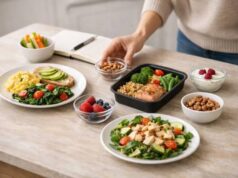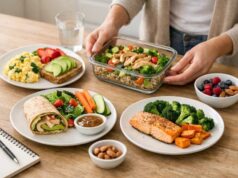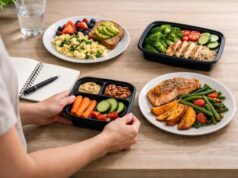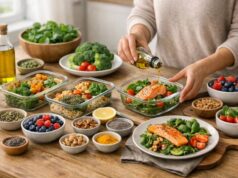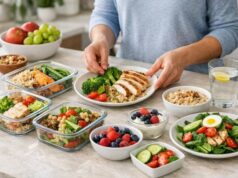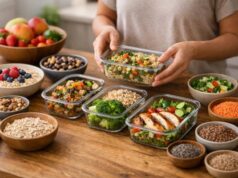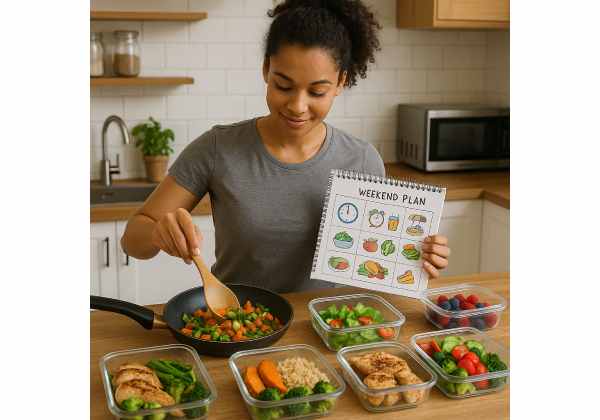
A good meal prep routine is not about spending half your Sunday cooking identical containers of bland food. It is about making the rest of your week easier. When healthy meals are partly ready, you are less likely to skip lunch, order takeout at 8 p.m., or rely on snacks that never quite satisfy you. That matters for weight loss because consistency usually beats intensity. A simple system you repeat most weekends will help more than a perfect plan you only manage once. This one-hour weekend meal prep plan is built for real life: limited time, ordinary ingredients, and meals you will actually want to eat. You will learn what to prep, what to buy, how to organize the hour, and how to turn a few basic foods into several lunches, dinners, and grab-and-go options. The goal is not to prep everything. The goal is to remove enough friction that the healthier choice becomes the easier choice all week.
Table of Contents
- What a one-hour meal prep plan should do
- The shopping list and tools that save time
- The 60-minute weekend meal prep timeline
- How to turn one prep session into several meals
- How to portion, store, and repeat your prep
- Mistakes that make meal prep harder than it needs to be
What a one-hour meal prep plan should do
A one-hour meal prep plan for weight loss should not try to solve every meal, every craving, and every schedule problem for the entire week. That is usually where people go wrong. They aim too big, buy too much, cook too many different recipes, and burn out by Wednesday. A better plan is narrower and more useful: prep a few core foods that make weekday meals faster, easier, and more filling.
The real job of meal prep is to reduce decision fatigue. When protein is cooked, vegetables are washed or roasted, and one or two starches are ready to use, lunch and dinner stop feeling like emergencies. That helps protect the kind of steady calorie deficit that weight loss depends on. It also makes it much easier to build meals that include enough protein and produce instead of grabbing whatever is fastest.
A smart one-hour prep session usually covers four categories:
- One main protein
Chicken, turkey, tofu, eggs, lean beef, Greek yogurt, or a bean-based option. - One high-fiber carbohydrate or legume
Rice, potatoes, quinoa, beans, lentils, or wraps. - One tray or batch of vegetables
Roasted vegetables, chopped salad vegetables, slaw mix, or washed greens. - One convenience add-on
Sauce, dressing, fruit, snack boxes, overnight oats, or yogurt cups.
This approach works because it gives you flexibility. Instead of seven identical lunch boxes, you get ingredients that can become bowls, wraps, salads, scrambles, soups, or fast dinners. That makes the plan more realistic and much less boring.
It also helps to think about fullness, not just calories. Weight-loss-friendly meal prep works best when meals are built around protein, fiber, and enough food volume to feel like a real meal. For many adults, that often means getting roughly 25 to 40 grams of protein at lunch and dinner, depending on body size and overall intake. If you want a better sense of your own range, a guide to protein intake for weight loss can help you plan more effectively.
The most useful mindset shift is this: meal prep is not a test of discipline. It is a way to make future decisions easier. If your prep session leaves you with three lunches, two easy dinners, washed fruit, and one solid backup option for a hectic day, it has done its job. That is enough to save both calories and mental energy during the week.
The shopping list and tools that save time
Fast meal prep starts before the oven turns on. Most one-hour sessions succeed or fail at the shopping stage. If you buy foods that cook at different speeds, need lots of trimming, or require several complicated steps, the hour disappears fast. The easiest weekend plan uses foods that are simple, versatile, and forgiving.
A practical shopping list for one person or a couple often looks like this:
- Protein
- 1.5 to 2 pounds chicken breast or thighs, or lean ground turkey
- 1 dozen eggs
- Greek yogurt or cottage cheese
- Canned tuna, salmon, beans, or tofu as backup options
- Carbohydrates and fiber
- rice, quinoa, or baby potatoes
- black beans, chickpeas, or lentils
- whole-grain wraps or pitas
- oats if you want breakfast or snack prep too
- Vegetables and fruit
- one tray of roastable vegetables such as broccoli, carrots, peppers, zucchini, or cauliflower
- one easy salad base such as romaine, spinach, or slaw mix
- cucumbers, cherry tomatoes, or bell peppers for raw crunch
- 3 to 5 pieces of fruit, berries, or grapes
- Flavor builders
- salsa, mustard, lemon, hot sauce, soy sauce, or marinara
- garlic, onions, dried spices
- olive oil
- yogurt-based dressing ingredients if desired
You do not need special containers or expensive gadgets, but a few tools help:
- two sheet pans
- one pot or rice cooker
- one skillet
- sharp knife and cutting board
- mixing bowls
- storage containers in two sizes
- measuring spoons for oils and dressings
The best meal prep foods are the ones that reappear in several meals. Cooked chicken can become a grain bowl, wrap, salad, or quick soup. Roasted potatoes can go into lunch bowls or breakfast scrambles. Chopped vegetables work in both lunches and dinners. That kind of overlap is one reason meal prep can fit into a budget-conscious weekly meal plan without feeling repetitive.
A helpful rule is to shop for building blocks, not recipes. If every ingredient only fits one exact dish, you create more waste and less flexibility. But if your basket includes repeatable foods that mix well across meals, your one-hour prep session keeps paying off all week. That is what makes meal prep practical for weight loss: less friction, less last-minute spending, and fewer situations where the easiest meal is also the heaviest one.
The 60-minute weekend meal prep timeline
The fastest meal prep sessions use overlap. While one food cooks, another gets chopped, mixed, or portioned. You do not need a perfect kitchen rhythm, but a clear order matters. Here is a realistic one-hour weekend plan built around roasted chicken, rice or potatoes, vegetables, boiled eggs, and a simple sauce.
Minutes 0 to 10: Start the longest tasks first
- Preheat the oven to 425°F.
- Put a pot of rice or quinoa on, or start baby potatoes if that is your starch.
- Season chicken with salt, pepper, garlic powder, paprika, and a little olive oil.
- Spread chopped vegetables on a second tray.
At this stage, simplicity wins. One protein, one starch, one vegetable tray is enough. If you start adding a casserole, a soup, and homemade muffins too, the hour turns into a project.
Minutes 10 to 20: Get food into the oven and onto the stove
- Put the chicken and vegetables into the oven.
- Start boiling eggs.
- Wash greens or fruit while the first items cook.
- Mix a quick sauce such as Greek yogurt, lemon, garlic, and herbs.
This is also a good time to clear space for assembly. Put out containers, bowls, and anything you will use for portioning.
Minutes 20 to 35: Build your cold components
- Chop cucumbers, tomatoes, or peppers for salads or bowls.
- Drain and rinse beans if using them.
- Portion yogurt, fruit, or snack items.
- Peel eggs once cool enough.
By now, you already have the core of several meals working at once. That is the point. You are not waiting on a single recipe. You are creating pieces that will save you time later.
Minutes 35 to 50: Check, flip, and finish
- Stir or flip the roasted vegetables.
- Check the protein temperature and remove foods as they finish.
- Let cooked foods cool slightly before sealing them into containers.
- Taste and adjust the sauce or dressing.
If lunch is your biggest problem, set aside ingredients for two or three lunches immediately. If dinner is where you usually drift into takeout, reserve cooked protein and vegetables for quick dinner assembly instead. The goal is to prep for your real weak spots, not the meals you already manage well. That is one reason it helps to connect this session to your usual packable lunch routine and your regular easy dinner options.
Minutes 50 to 60: Portion the week
- Build two to four lunch containers.
- Store the rest as components rather than fully assembled meals.
- Put one emergency meal or snack where you will see it first on Monday.
- Write a quick note on what gets eaten first.
This final step matters more than people realize. Food hidden in the back of the fridge does not reduce stress or calories. Food that is visible, portioned, and easy to grab does. In one focused hour, you can create enough structure to make the first half of the week much smoother.
How to turn one prep session into several meals
A successful weight-loss meal prep session does not end with trays of food. It ends with meals you can actually assemble in under five minutes. The easiest way to do that is to use the same ingredients in different combinations so your food feels varied, even if the shopping list stays small.
Imagine you prepped the following on Sunday:
- roasted chicken
- cooked rice or potatoes
- roasted broccoli and peppers
- chopped salad vegetables
- boiled eggs
- Greek yogurt sauce
- fruit
That can turn into several different meals.
Three easy lunches
- Chicken grain bowl
Rice, chicken, roasted vegetables, cucumber, and yogurt sauce. - Chicken wrap
Chopped chicken, slaw or greens, peppers, and sauce in a whole-grain wrap. - Big salad with eggs
Greens, chicken or eggs, tomatoes, cucumber, and beans if you want extra fiber.
Three easy dinners
- Fast protein plate
Chicken, potatoes, vegetables, and salsa or mustard. - Scramble night
Eggs, roasted vegetables, and potatoes in a skillet for a 10-minute dinner. - Soup shortcut
Add cooked chicken and vegetables to boxed broth with beans or rice for a quick soup.
Grab-and-go add-ons
- Greek yogurt with fruit
- boiled eggs and baby carrots
- apple and cottage cheese
- leftover vegetables with hummus
This is where meal prep becomes especially useful for weight loss. You do not need restaurant-level variety to stay satisfied. You need enough variation in texture and format that your meals do not start feeling repetitive by Tuesday. Changing the sauce, the starch, or the serving style often does more than cooking a completely different recipe.
Breakfast can benefit too. If mornings are rushed, prepping one easy breakfast option can stop your day from starting in a food emergency. A few ideas from a high-protein breakfast routine can fit easily into the same prep session, especially if you already have eggs, yogurt, oats, or fruit on hand.
The other advantage of this mix-and-match approach is fullness. When meals are built from a protein base plus vegetables and a sensible starch, they tend to hold up better against afternoon hunger and evening snacking. That is especially true if you include more beans, vegetables, fruit, or whole grains rather than letting your meals lean too hard on bread, pasta, or snack foods alone.
Meal prep works best when it gives you several good options, not one rigid script. That flexibility is what makes it easier to stay consistent during a real week, when your appetite, schedule, and energy will not be the same every day.
How to portion, store, and repeat your prep
Meal prep only helps with weight loss if the prepared food is portioned in a way that supports your goals. It is easy to cook healthy ingredients and still end up with meals that are too small to satisfy you or too large to fit your energy needs. This is where a simple structure matters more than precision.
A practical starting point for many lunches and dinners is:
- about half the container from vegetables or high-volume foods
- about one quarter from protein
- about one quarter from starch, grains, beans, or potatoes
- measured extras such as oil, dressing, cheese, nuts, or sauce
That basic structure helps prevent the most common meal prep problem: too much rice or pasta, not enough protein, and barely any vegetables. A more visual guide to portion sizes and the plate method can help you portion meals without turning every prep session into a math exercise.
Storage matters too. A few habits make a big difference:
- cool cooked food before sealing it tightly
- keep dressings and sauces separate when possible
- place meals you need first at the front of the fridge
- freeze extras instead of forcing yourself to eat everything by the same day
- label containers if you tend to forget what was cooked when
Many people do best when they prep for three to four days, not seven. The goal is freshness and usefulness, not maximum volume. You can also split the workload: cook proteins and vegetables on the weekend, then do a quick midweek refresh with fruit, salad greens, or another starch if needed.
It also helps to portion according to your actual day. A lunch for a sedentary office day may look different from a lunch before an evening workout. A dinner after a long gap since lunch may need more food volume than a dinner eaten two hours after a solid snack. That does not mean your plan is inconsistent. It means it is realistic.
If you do not want to track every calorie, you can still make meal prep effective by repeating meals, watching portions of calorie-dense foods, and paying attention to hunger and progress over time. This is where a more flexible approach to tracking without counting calories can work well, especially if the foods you prep are balanced and repeatable.
A meal prep routine becomes sustainable when it is easy to repeat. If the system is so detailed that you dread doing it, it will not last. But if you can portion meals in a calm, consistent way most weekends, you create a routine that supports weight loss without taking over your life.
Mistakes that make meal prep harder than it needs to be
The biggest meal prep mistakes are usually not about nutrition. They are about friction. People make the plan too ambitious, too rigid, or too boring, then assume they lack discipline when the system falls apart. In most cases, the problem is the setup.
One common mistake is prepping too many different recipes. Variety sounds appealing, but it eats time fast. If your “one-hour plan” includes chopping six vegetables, cooking three proteins, and making two sauces from scratch, it is no longer a one-hour plan. Keep the menu narrow and the uses flexible.
Another mistake is prepping foods you do not actually want to eat twice. The internet is full of beautiful meal prep photos, but if you dislike cold chicken, mushy roasted zucchini, or dry rice bowls, you will stop using them. Prep foods you know you will eat, not foods that only look healthy.
A third mistake is ignoring your weak spots. If you always lose control at 4 p.m., but your prep session focuses only on dinner, you have missed the problem. If takeout on Thursday is the issue, a fridge full of lunch bowls may not fix it. This is where understanding your own diet patterns that stall weight loss matters more than copying someone else’s plan.
Other common problems include:
- too little seasoning, which makes repetition feel harder
- no emergency backup meal in the freezer or pantry
- storing everything out of sight
- prepping only “healthy” foods but nothing convenient
- shopping without a list
- doing meal prep when already exhausted or hungry
One of the most effective fixes is to shape your environment before the week begins. Put your prepped proteins at eye level. Wash fruit before storing it. Keep wraps, yogurt, chopped vegetables, and easy sauces where they are easy to reach. Small changes like these fit the logic of a broader food environment reset, where the healthy choice becomes the convenient one by design.
It is also worth remembering that meal prep does not need to look the same every week. Some weekends may be full prep. Others may be “cook one protein, wash produce, boil eggs, and buy a few backup items.” That still counts. The point is not to impress anyone with a row of perfect containers. The point is to make Monday easier than it would have been without preparation.
When meal prep works, it feels almost boring in the best possible way. Meals come together faster. Fewer decisions feel urgent. Hunger becomes easier to manage. And that steady reduction in friction is exactly what helps weight loss feel more manageable over time.
References
- Current Dietary Guidelines 2026 (Guideline)
- Eating & Physical Activity to Lose or Maintain Weight 2026 (Official Resource)
- Food Portions: Choosing Just Enough for You 2026 (Official Resource)
- Choosing a Safe & Successful Weight-loss Program 2026 (Official Resource)
Disclaimer
This article is for general educational purposes only and is not a substitute for medical, nutrition, or weight-management advice tailored to your needs. If you have diabetes, kidney disease, digestive conditions, food allergies, or any health issue that changes what or how much you should eat, speak with your doctor or a registered dietitian before making major changes to your meal prep routine.
If this article helped you build a simpler weekend system, please share it on Facebook, X, or your preferred platform so others can make healthy eating easier during the week.