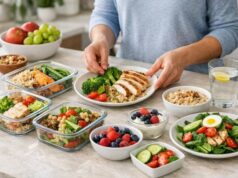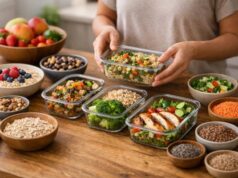
Portion sizes for weight loss do not have to mean weighing every ingredient or carrying measuring cups everywhere. For most people, the biggest win comes from learning what a balanced portion looks like, how large calorie-dense foods can quietly drift upward, and how to build meals that feel satisfying without becoming oversized. That is where the plate method and simple visual cues help.
A good portion guide should do more than tell you to “eat less.” It should show you how to portion meals in a way that supports fullness, protein intake, and calorie control. This article explains the difference between portions and servings, how to use the plate method, how to estimate portions with your hands and everyday objects, and how to adjust portions in real life at home, at restaurants, and on busy days.
Table of Contents
- Why portion sizes matter for fat loss
- Portion size vs serving size
- How the plate method works
- Visual guide using your hand and common objects
- How to portion protein carbs fat and snacks
- How portions change at home and when eating out
- How to use portion control without obsessing
Why portion sizes matter for fat loss
Portion sizes matter for weight loss because calorie intake often rises long before people notice it. Most overeating is not dramatic. It usually looks like a slightly fuller cereal bowl, more rice on the plate, extra handfuls of nuts, a larger sandwich, or finishing the restaurant meal because it is there. Each choice feels small. Repeated over time, they can erase the calorie deficit needed for fat loss.
That is why portion control works best when it is framed as awareness, not punishment. The goal is not to make meals tiny. The goal is to make portions deliberate. When people understand what a satisfying portion of protein, starch, vegetables, and fats looks like, they are far less likely to drift into the “healthy but still too much” zone.
Portion sizes also matter because fullness is influenced by food volume, not just calories. A large plate of vegetables, lean protein, and potatoes can be easier to stick to than a much smaller plate built from cheese-heavy pasta, fried foods, or calorie-dense snacks. This is one reason people often do better when they focus on portion-aware eating rather than vague rules like “just be moderate.”
There is also a practical advantage. Portion skills travel well. Calorie counting can be useful, but not everyone wants to log forever. A visual method helps when you are eating at a friend’s house, ordering takeout, traveling, or cooking without a scale. It gives you a way to stay on track even when the exact numbers are unknown.
This is especially useful for people who want fat loss without turning every meal into math. A consistent portion strategy can support the same overall goal as a calorie deficit, but in a more visual and behavior-based way. It also overlaps well with lower-energy-density eating, where you build meals that look generous without being overly calorie-dense.
What makes portion control effective is not perfection. It is repetition. If most of your meals are built with a reasonable amount of protein, a measured or visually sensible amount of starch and fats, and a generous amount of produce, your average intake usually moves in the right direction.
A good portion guide should make three things easier:
- eating enough to feel satisfied
- eating less without feeling tricked
- repeating the same basic structure in different settings
That is why portion control is not about shrinking everything. It is about shrinking the foods that are easiest to overeat, while keeping enough volume and nutrition on the plate that the meal still feels worth eating.
Portion size vs serving size
One of the most common points of confusion in weight loss is the difference between a portion and a serving. They are not the same thing.
A portion is the amount of food you choose to eat at one time. A serving is a standardized amount listed on a food label or used in nutrition guidance. Sometimes your portion matches one serving. Often it does not. If you eat two cups of cereal when the label says one cup is a serving, your portion is two servings. That sounds obvious when written out, but it is exactly where many people underestimate calories.
This matters because food labels can create false confidence. Someone may check the calories on a snack, assume it is a low-calorie choice, and miss the fact that the package contains two or three servings. Restaurant meals create the same problem. One entrée may look like one portion because it arrives on one plate, but in calorie terms it may be closer to two or more meals.
That is why portion awareness matters even if you do not count calories. You need to know whether the amount in front of you is a moderate portion, a restaurant-sized portion, or a multiple-serving portion disguised as normal.
A few examples make the difference clearer:
- A bag of trail mix may list one serving as 1 ounce, but your portion may be 3 ounces if you eat straight from the bag.
- A frozen meal may list calories per serving even though the tray contains more than one serving.
- A café muffin may technically equal several servings from a baked-goods guideline, even though it is sold as one item.
- A restaurant pasta bowl may be one menu order but contain enough food for two normal portions.
This is also why portion strategies are often more useful than memorizing label rules. Labels help, but they do not teach you what a satisfying and calorie-aware plate should actually look like.
The practical takeaway is simple:
- Use serving sizes to understand what is in a packaged food.
- Use portion awareness to decide how much of that food you actually want to eat.
- Do not assume a package, bowl, plate, or restaurant order automatically equals one sensible portion.
For weight loss, this distinction matters because even nutritious foods can become calorie-heavy when portions expand without notice. Peanut butter, granola, nuts, avocado, olive oil, cereal, rice, wraps, smoothies, and restaurant salads are common examples. They can fit very well into a healthy plan, but they are also easy places for “small” extras to turn into a larger intake than intended.
Once that difference is clear, the plate method becomes much easier to use, because it gives you a visual structure for choosing portions instead of guessing.
How the plate method works
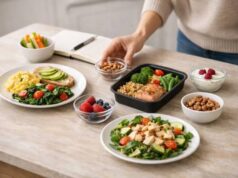
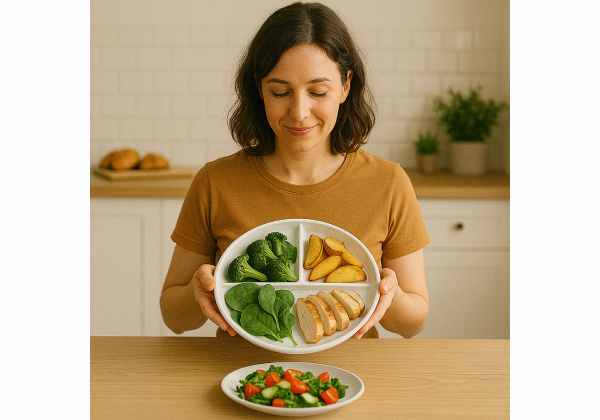
The plate method is one of the simplest and most useful portion tools for weight loss because it organizes your meal visually instead of forcing you to weigh every ingredient. The classic setup uses a 9-inch plate and divides it into broad sections:
- half the plate for non-starchy vegetables
- one quarter for protein
- one quarter for carbohydrate-rich foods
That structure works because it does two things at the same time. It limits the space available for calorie-dense foods, and it preserves room for high-volume foods that help with fullness. In other words, it is not just portion control. It is portion control with built-in appetite support.
The vegetables matter because they create volume. The protein matters because it helps satisfaction and muscle retention. The carb portion matters because meals usually feel more sustainable when they include some starch, fruit, beans, grains, or another carbohydrate source in a sensible amount rather than an all-or-nothing approach. If you need a simple meal-building framework, this style pairs naturally with a high-protein plate approach and works especially well when you choose plenty of low-calorie vegetables to fill the largest section.
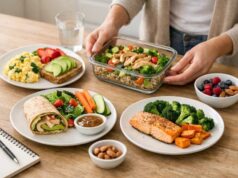
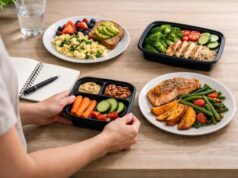
A few examples of the plate method in real meals:
- grilled chicken, roasted broccoli, and potatoes
- salmon, green beans, and rice
- tofu stir-fry with a large portion of vegetables and a moderate portion of noodles or rice
- taco bowl with lettuce, peppers, lean meat or beans, and a smaller serving of rice or tortillas on the side
- breakfast plate with eggs, fruit, and toast plus vegetables if you like savory breakfasts
The plate method is especially useful for people who feel overwhelmed by macros or calorie targets. It gives you structure without requiring exact numbers. It also helps reduce one of the biggest causes of hidden overeating: letting starches and fats dominate the whole plate while vegetables and protein become side notes.
That said, it is still a guide, not a law. Active people, taller people, and people with larger calorie needs may need bigger total portions. Smaller individuals, people with lower appetite, or those using the plate method for a more aggressive deficit may need smaller starch portions or fewer calorie-dense extras. The framework stays useful either way.
The best way to use it is not as a rigid rule for every meal forever. Use it as your default. When life gets busy, a visual default is often more valuable than a perfect plan that only works when everything is measured.
Visual guide using your hand and common objects
The plate method works best when you are building a meal at home. But what about snacks, mixed dishes, takeout, or meals where you cannot control the plate size? That is where visual cues help.
Your hand is especially useful because it scales somewhat to your body size. It is not exact, but it is portable and surprisingly practical. A basic hand-based guide looks like this:
| Food type | Visual cue | Typical use |
|---|---|---|
| Protein | Palm | Chicken, fish, tofu, lean meat |
| Vegetables | Fist or two fists | Salad, broccoli, peppers, green beans |
| Carbs | Cupped hand | Rice, pasta, oats, potatoes, fruit |
| Fats | Thumb | Nut butter, oil, mayo, butter, dressing |
| Cheese and calorie-dense extras | Two thumbs or a small handful | Shredded cheese, nuts, granola, trail mix |
These cues are especially helpful when calories are not visible. For example, a cupped hand of rice is often easier to manage than a random scoop from a large serving spoon. A thumb of dressing is much more useful than “just enough,” which usually becomes more than intended.
Common object comparisons can help too:
- a deck of cards for a basic cooked meat portion
- a tennis ball for a rough fruit serving
- a baseball for cooked grains or pasta in a modest amount
- the tip of your thumb for butter or nut butter
- a 9-inch plate for the standard plate method
These comparisons are not there to make eating feel childish. They are there to make portion size visible. Most people do not overeat because they consciously choose giant portions every time. They overeat because portions are hard to judge once bowls, glasses, bakery items, restaurant plates, and snack packages get involved.
This visual approach becomes even more useful when paired with broader portion targets. For example, it is easier to hit sensible protein per meal and fiber per meal amounts when you have a visual idea of what counts as enough, instead of leaving every meal to chance.
The key is to treat visual cues as anchors, not exact measurements. They are meant to improve consistency, not create a new source of perfectionism.
How to portion protein carbs fat and snacks
Different foods need different portion strategies. The biggest mistake people make is assuming that all foods should be reduced equally. That is usually not the best move for weight loss. Some foods deserve more space because they support fullness. Others deserve more caution because calories add up quickly.
Protein
Protein is usually the best place to be generous. Many people trying to lose weight under-portion protein and over-portion starches, snacks, or fats. A meal with a solid palm-sized or slightly larger serving of protein usually feels much more satisfying than a meal with a token amount. If you need ideas for what counts, a list of high-protein foods makes portioning much easier.
Carbs
Carbohydrates are often over-poured rather than deliberately portioned. Rice, cereal, pasta, granola, bread, tortillas, and crackers are especially easy to eat in larger amounts than intended. A cupped-hand starting point works well for many people, then adjust based on hunger, training, and total calorie needs. Choose more filling carb sources often, especially the carbs that fit a calorie deficit well.
Fats
Fats are healthy, but they are compact in calories. Oils, dressings, nut butters, mayo, nuts, seeds, cheese, and avocado can turn a reasonable plate into a calorie-heavy meal without adding much volume. This does not mean avoiding them. It means measuring with your eyes on purpose. A thumb-sized portion can go a long way.
Vegetables and fruit
These are usually the easiest categories to expand. Most people benefit from larger portions of vegetables and moderate-to-generous portions of fruit because they add volume, nutrients, and sweetness without the same calorie load as more concentrated foods.
Snacks
Snacks get tricky because they often skip the visual structure of meals. It is easier to eat three portions of crackers, trail mix, or cereal from a bag or container than from a plate. A simple fix is to portion snacks before eating them. Put them in a bowl, on a plate, or pair them with protein or fruit so the snack feels more complete. This works especially well if you keep options similar to smart snacks in the 100 to 250 calorie range around the house.
The main principle is this: increase portions of foods that help fullness, and be more deliberate with foods that pack a lot of calories into a small space.
How portions change at home and when eating out
Most people think portion control is hardest at restaurants, but home eating can be just as tricky. The difference is that home portions creep up quietly, while restaurant portions are obviously large.
At home, common portion traps include:
- using oversized bowls and plates
- pouring cereal, pasta, rice, or oil without looking
- eating snacks straight from the package
- going back for “just a little more”
- tasting while cooking without mentally counting it
- serving family-style meals with the dishes left on the table
A few small changes help a lot:
- Start with a smaller plate or bowl when possible.
- Plate food in the kitchen rather than eating from containers.
- Keep serving dishes off the table if seconds are habitual.
- Use measuring cups briefly for foods you tend to underestimate.
- Pair calorie-dense foods with bulky foods so portions stay balanced.
Restaurants create a different problem: normalization. If every entrée looks huge, huge starts to feel normal. This is where the plate method mindset helps, even when the plate itself is not ideal. Look for protein first, notice the starch portion, and think about whether you need all of the fries, bread, chips, or pasta that came with it.
Useful restaurant strategies include:
- split the meal before you start
- box half early
- order extra vegetables or salad
- skip automatic starters you did not really want
- choose one indulgent element rather than all of them at once
- treat restaurant portions as two meals when that makes sense
This is where planned choices matter more than rigid control. A restaurant meal does not need to look like a diet plate to fit your goal. It just needs to avoid the common “appetizer, drink, entrée, dessert, and clean plate” pattern that turns one dinner into a very large intake. If eating out is a regular challenge, these strategies pair well with ideas from healthier takeout choices and lower-calorie restaurant meals.
The real goal is not mastering only home portions or only restaurant portions. It is building a visual system that works in both places. That is what makes portion control durable enough to support real fat loss.
How to use portion control without obsessing
The best portion strategy is the one that improves awareness without making you feel trapped. Portion control should reduce decision fatigue, not create a new form of it.
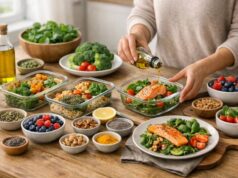
A good starting point is to use a “default meal” mindset. Most breakfasts, lunches, and dinners do not need endless reinvention. If you have a few repeat meals with sensible portions, you make fewer decisions and reduce the chance that every day turns into a negotiation between hunger and guesswork.
This is where some people do better with a few weeks of measuring selected foods, not forever, but just long enough to recalibrate their eye. Rice, cereal, oats, oil, peanut butter, pasta, nuts, granola, and snack foods are especially useful to check because they are the foods people most often underestimate. Once you have that reference, you can shift back toward visual control.
Portion control also works better when you focus on patterns rather than one meal at a time. A slightly larger lunch is not a problem if the rest of the day is balanced. A restaurant dinner is not a problem if it is handled intentionally rather than treated as a free-for-all. What matters is whether your overall pattern supports the result you want.
A few signs your portion strategy is working:
- meals look consistent rather than random
- you are satisfied more often than not
- snacks feel planned instead of constant
- your body-weight trend or waist measurements move gradually in the right direction
- you can eat in different settings without feeling lost
A few signs it needs adjusting:
- portions of calorie-dense foods keep creeping up
- you are constantly hungry because meals are too small overall
- you are treating vegetables as decoration instead of food volume
- your portions look “healthy” but still leave you eating frequently
- you swing between over-control and overeating
For many people, portion control becomes easiest when combined with simpler routines like a weekly shopping list, repeated breakfasts, and basic meal prep. If you want that kind of structure, a system for tracking without counting calories or a simple weekend meal prep routine often makes portion sizes easier to repeat.
The biggest mindset shift is this: portion control is not about making every meal as small as possible. It is about giving the right foods enough space and the easiest-to-overeat foods better boundaries. Once you understand that, the plate method stops feeling restrictive and starts feeling practical.
References
- Food Portions: Choosing Just Enough for You 2026 (Guidance)
- Diabetes Meal Planning 2024 (Guidance)
- The Use of Portion Control Plates to Promote Healthy Eating and Diet-Related Outcomes: A Scoping Review 2022 (Scoping Review)
- Downsizing food: a systematic review and meta-analysis examining the effect of reducing served food portion sizes on daily energy intake and body weight 2022 (Systematic Review)
- Impact of energy density on energy intake in children and adults: a systematic review and meta-analysis of randomized controlled trials 2022 (Systematic Review)
Disclaimer
This article is for general educational purposes only and is not a substitute for medical advice, diagnosis, or treatment. If you have diabetes, a history of disordered eating, a medical condition that affects appetite or digestion, or you are pregnant or breastfeeding, get personalized guidance before making major changes to how much you eat.
If this article helped, consider sharing it on Facebook, X, or your preferred platform.