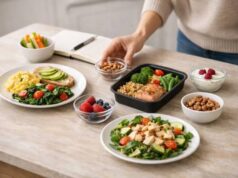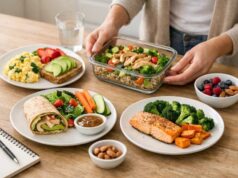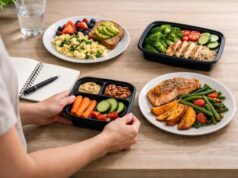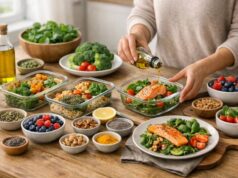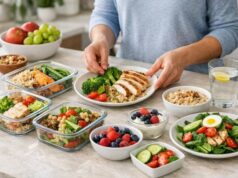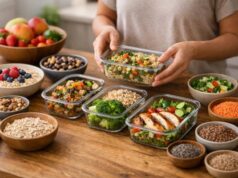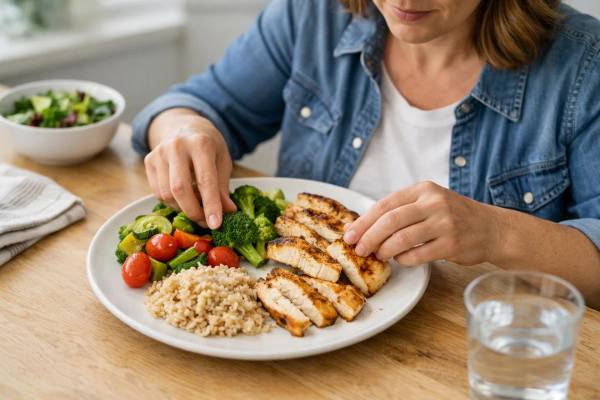
A high-protein plate is one of the easiest ways to make weight loss meals more filling, more balanced, and much easier to repeat. Instead of chasing perfect recipes or overthinking every macro, you can use a simple plate formula that helps you get enough protein, control calories, and stay satisfied after eating.
That matters because most people do not struggle with weight loss at one meal. They struggle with what happens after a meal that was too small, too low in protein, or built mostly around refined carbs. This guide breaks down exactly how to build a high-protein plate for weight loss, how much protein to aim for, which foods work best, how to adjust the plate for different goals, and what mistakes make a “healthy” meal less effective than it looks.
Table of Contents
- Why a high-protein plate works
- The basic high-protein plate formula
- How much protein to put on your plate
- Best foods for each part of the plate
- How to build plates for breakfast, lunch, and dinner
- How to adjust the plate for your needs
- Common high-protein plate mistakes
Why a high-protein plate works
A high-protein plate works because it solves several weight loss problems at once. It makes meals more filling, gives them more structure, and reduces the odds that you end up hungry again an hour later.
Protein helps with fullness more than most people realize. When a meal includes a meaningful portion of chicken, fish, Greek yogurt, eggs, lean beef, tofu, cottage cheese, beans paired with another protein, or another substantial source, it usually has more staying power than a meal built mostly around bread, cereal, snack foods, or a small salad. That does not make carbs “bad.” It means protein often gives the meal the anchor it needs.
The plate method is also useful because it is visual. You do not have to count everything to build a better meal. Instead, you can look at your plate and ask a simple question: does this meal have a clear protein base, enough produce, and a reasonable amount of energy-dense extras? For many people, that is easier to follow consistently than a long list of nutrition rules.
Another advantage is flexibility. A high-protein plate can be Mediterranean-style, lower carb, plant-forward, budget-friendly, family-friendly, or quick enough for a workday lunch. It can work with home cooking, meal prep, restaurant orders, and leftovers. That makes it a practical system rather than a rigid diet trick.
It also pairs well with broader weight loss strategies. If you are trying to make meals more satisfying while staying in a calorie deficit, a high-protein plate often overlaps naturally with foods that work well in a calorie deficit, smarter portion control, and the use of high-volume, low-calorie foods.
The biggest reason this formula works, though, is behavioral. It reduces decision fatigue. Instead of asking, “What should I eat to lose weight?” at every meal, you are following the same repeatable structure with different ingredients. That makes good choices easier on ordinary days, not just highly motivated ones.
The basic high-protein plate formula
A simple high-protein plate for weight loss usually has four parts:
- a clear protein anchor
- a generous portion of vegetables or fruit
- a moderate portion of carbs, fats, or both
- enough flavor to make the meal satisfying
The easiest visual formula looks like this:
| Plate section | Main job | Examples |
|---|---|---|
| About one quarter to one third protein | Fullness and meal structure | Chicken, fish, eggs, turkey, Greek yogurt, tofu, lean beef |
| About one half vegetables or fruit | Volume, fiber, and lower calorie density | Salad, roasted vegetables, stir-fry vegetables, berries, cut fruit |
| About one quarter starch or smart carb | Energy, satisfaction, and meal balance | Rice, potatoes, beans, quinoa, whole-grain bread, pasta |
| Small added fats and sauces | Flavor and staying power | Olive oil, avocado, nuts, cheese, dressing, sauces |
That does not mean every plate must look identical. Some meals will be bowl-based. Some will be soup and a side. Some will be breakfast plates or lunch boxes. The point is the same: protein first, then volume, then the rest.
You can also use a hand-portion version if you do not want to think in fractions of a plate:
- 1 to 2 palms of protein
- 1 to 2 fists of vegetables or fruit
- 1 cupped hand of carbs
- 1 to 2 thumbs of fats, dressings, or calorie-dense toppings
This works especially well when you are eating away from home or building meals quickly.
A common mistake is assuming a high-protein plate must be very low carb. It does not. Many people do well with a moderate carb portion, especially if it improves satisfaction and helps the meal feel complete. If you want a deeper breakdown of carb choices, smart carbs for a calorie deficit can help you choose options that are more filling and easier to fit into your day.
The formula is intentionally simple. It is not about creating the leanest possible plate. It is about building one that is balanced enough to help weight loss without making you feel deprived.
How much protein to put on your plate
This is where many “healthy” meals miss the mark. The meal may contain protein, but not enough to do much for fullness or muscle retention.
For many adults trying to lose weight, a practical target is roughly 25 to 40 grams of protein per meal, though the exact amount depends on body size, appetite, total daily intake, activity level, age, and whether you are trying to preserve muscle while dieting. A smaller person at breakfast may feel great with around 25 grams. A larger or more active person may need more at lunch or dinner.
In practical food terms, that usually looks like a real serving, not a garnish. Examples include:
- 4 to 6 ounces of cooked chicken, turkey, fish, or lean beef
- 1 cup cottage cheese or a large serving of Greek yogurt
- 2 eggs plus extra egg whites or another protein source
- 1 block or large portion of tofu or tempeh
- a combination meal using beans plus another protein source
A useful rule is to make sure the protein is obvious on the plate. If you have to look for it, the meal may not be built around enough of it.
This is especially important during weight loss because a calorie deficit can make it easier to lose not just fat, but also lean mass. That is one reason protein often gets emphasized in fat-loss meal planning. It supports fullness, but it also helps make a deficit more muscle-friendly. If you want the broader daily picture, daily protein intake for weight loss and protein per meal targets are useful ways to think about the plate in context.
There is also a practical side to this. Higher-protein plates often reduce the need for random extras afterward. Many people think they need more willpower in the evening, when what they really need is a better lunch or dinner plate earlier in the day.
At the same time, more protein is not always better. A plate overloaded with protein but missing produce, fiber, and reasonable portions of everything else can become monotonous and hard to sustain. The goal is not to turn every meal into a pile of chicken breast. The goal is to make protein the base of the meal, not the afterthought.
If your current plate is mostly starch with a little protein on the side, flipping that ratio is often one of the simplest changes that improves satiety right away.
Best foods for each part of the plate
A high-protein plate works best when each part of the meal has a job. Choosing foods that match that job makes the plate easier to build and repeat.
Protein anchors
These are the foundation of the meal. Strong options include:
- chicken breast or thigh
- turkey
- lean ground beef
- fish and seafood
- eggs and egg whites
- Greek yogurt
- cottage cheese
- tofu and tempeh
- edamame
- beans, lentils, and chickpeas, especially when paired with another protein source
If you want more variety, a high-protein foods list can help you rotate options instead of relying on the same two foods every week.
Volume foods
These make the plate look and feel bigger without driving calories up too fast. Great choices include:
- leafy greens
- broccoli
- cauliflower
- zucchini
- bell peppers
- cucumbers
- tomatoes
- cabbage and slaw mixes
- mushrooms
- green beans
- berries and melon
- apples, oranges, and other whole fruit
These foods are especially useful when you want a meal to feel generous rather than restrictive.
Smart carb additions
Carbs can absolutely fit on a high-protein plate. In many cases, they improve energy and make the meal more satisfying. Good options include:
- potatoes
- rice
- oats
- quinoa
- beans
- fruit
- whole-grain bread or wraps
- pasta in measured portions
The best carb choice depends on your appetite, activity, preferences, and the rest of your day.
Fats and flavor boosters
A little fat often makes a meal more enjoyable and more sustainable. Useful options include:
- olive oil
- avocado
- nuts and seeds
- olives
- cheese
- hummus
- dressings and sauces in measured amounts
This matters because dry, joyless meals are hard to repeat. A plate that technically fits your goal but tastes like punishment usually will not last.
If you are building plates often, it helps to keep a short shopping list of mix-and-match ingredients. A good setup might include two proteins, three vegetables, one starch, one fruit, and one or two sauces. That approach works well alongside a simple grocery list for weight loss and can make weeknight meals much easier.
How to build plates for breakfast, lunch, and dinner
The plate formula works across the day, but it should look a little different depending on the meal.
Breakfast plates
A high-protein breakfast plate might include eggs, Greek yogurt, cottage cheese, or a protein-rich breakfast bowl. Add fruit, vegetables, oats, or toast depending on preference.
Examples:
- eggs, egg whites, sautéed vegetables, and toast
- Greek yogurt, berries, chia seeds, and a side of eggs
- cottage cheese bowl with fruit and nuts
- breakfast wrap with eggs, turkey, and vegetables
This connects naturally with quick high-protein breakfast ideas if breakfast is one of your harder meals.
Lunch plates
Lunch usually needs to be practical and portable. The same formula still works:
- protein source
- vegetables or fruit
- carb base
- some flavor and texture
Examples:
- chicken, rice, and roasted vegetables
- tuna bowl with potatoes, chopped vegetables, and dressing
- turkey wrap with fruit and a yogurt side
- tofu grain bowl with slaw and edamame
Dinner plates
Dinner is often the easiest place to use the full plate method because the meal is usually larger and more home-based.
Examples:
- salmon, potatoes, and roasted broccoli
- lean beef stir-fry with vegetables and rice
- chicken fajita plate with peppers, salsa, and beans
- tofu and vegetable noodle bowl with controlled portions
The key is not to make breakfast tiny, lunch random, and dinner enormous. When protein is spread across the day, appetite tends to be easier to manage. A strong lunch plate can be especially helpful if your afternoons tend to drift into snacking or if you need more structure than light lunch ideas usually provide.
One useful mindset shift: the plate formula is not only for “main meals.” It can guide fast meals too. A rotisserie chicken plate, a deli turkey box, or Greek yogurt with fruit and nuts can still count when built with intention.
How to adjust the plate for your needs
A simple meal formula works best when it is adaptable. The right high-protein plate for weight loss is not identical for everyone.
If you get hungry quickly
Increase protein first, then add more vegetables, fruit, or other high-volume foods. Sometimes the fix is not fewer calories. It is a plate that has more staying power. This is where daily fiber targets and simple fiber swaps can also help.
If you exercise regularly
You may do better with a slightly larger carb portion around training, especially at meals before or after workouts. That does not mean abandoning the plate structure. It just means your “carb quarter” may be a bit more generous on active days.
If you prefer lower-carb meals
You can reduce the starch portion and add more nonstarchy vegetables and some healthy fat, but it still helps to keep the plate balanced rather than turning it into protein only.
If you are vegetarian or more plant-forward
The formula still works, but you may need to be more deliberate about protein density. Tofu, tempeh, edamame, Greek yogurt, cottage cheese, eggs, and legumes can all help. Combining foods often works better than relying on a small amount of one plant protein source.
If you are older or dieting aggressively
Protein becomes even more important when muscle retention is a bigger priority. In those cases, spreading protein across meals and avoiding very small meals can help.
If you eat out often
Use the same logic:
- choose a clear protein anchor
- get vegetables or salad
- control calorie-dense extras
- keep starch portions reasonable rather than automatic
This is one reason the plate method is so practical. It travels well. You can use it at home, in meal prep, or at restaurants without needing exact numbers.
The most useful version is the one you can repeat. A technically perfect plate that does not fit your culture, budget, or schedule is less helpful than a solid plate formula you can follow on ordinary weekdays. If flexibility matters to you, this approach also pairs well with macro-friendly meals and more adaptable styles of eating.
Common high-protein plate mistakes
A high-protein plate can still miss the mark if the overall meal is poorly built. These are the most common problems.
Mistake 1: Calling a meal high-protein when it barely is
A few spoonfuls of beans, some shredded cheese, or one egg can contribute protein, but that does not automatically make the meal protein-centered. The protein should be obvious and substantial.
Mistake 2: Forgetting volume
A plate with protein but almost no vegetables, fruit, or other high-volume foods may still leave you unsatisfied. Protein is important, but meal size and fiber still matter.
Mistake 3: Overshooting with calorie-dense extras
A nutritious meal can become far more calorie-dense than expected when oils, nuts, cheese, dressings, nut butters, and sauces pile up. These foods are not “bad,” but they need awareness.
Mistake 4: Making the meal too restrictive
Some people try to build a fat-loss plate with plain chicken and steamed vegetables and nothing else. That may work briefly, but it is rarely sustainable. A moderate portion of carbs or fats often makes the meal more realistic and easier to stick with.
Mistake 5: Ignoring taste and texture
A plate has to be enjoyable enough to repeat. Crunch, temperature contrast, acidity, herbs, spices, and sauces matter. A high-protein meal that feels boring will not help much on day five.
Mistake 6: Depending on one “diet food”
You do not need every meal to be built around protein bars, shakes, or plain grilled chicken. Variety matters for adherence and overall diet quality. Whole-food meals usually do a better job of creating a satisfying plate.
Mistake 7: Looking only at one meal
A strong dinner plate will not fully solve a day of under-eating protein at breakfast and lunch. Think in patterns, not just isolated meals. If you want an even simpler structure, some people do well with tracking protein targets without counting every calorie.
The best high-protein plate is not the one that looks the cleanest online. It is the one that helps you stay full, control portions naturally, and keep eating in a way you can repeat next week too.
References
- Protein requirement in obesity 2025 (Review)
- Enhanced protein intake on maintaining muscle mass, strength, and physical function in adults with overweight/obesity: A systematic review and meta-analysis 2024 (Systematic Review)
- Diet composition and energy intake in humans 2023 (Review)
- Dietary Guidelines for Americans, 2020-2025 2020 (Guideline)
Disclaimer
This article is for general educational purposes only and is not a substitute for professional medical advice, diagnosis, or treatment. If you have kidney disease, diabetes, an eating disorder history, or another medical condition that affects your protein needs or weight loss plan, speak with a qualified clinician or registered dietitian before making major dietary changes.
If this article helped, please share it on Facebook, X, or your preferred platform so more people can build simpler, more satisfying meals for weight loss.