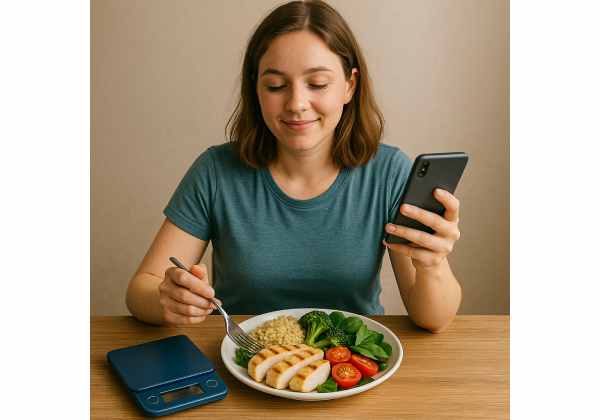
Not everyone wants to weigh food, log every bite, or turn meals into math homework. That does not mean you have to guess your way through weight loss. For many people, tracking without counting calories works best when it is built around two simple anchors: eating enough protein and using a balanced plate method that naturally improves portions, fullness, and consistency.
This approach will not be as precise as calorie counting, but it can still be effective, especially if detailed tracking feels exhausting, obsessive, or hard to sustain. The key is to replace calorie math with a repeatable structure. This article explains how protein targets and the plate method work together, how to use them in real life, what mistakes make this approach stall, and how to tell whether it is actually helping.
Table of Contents
- Why this approach can work
- How to set a protein target without overcomplicating it
- How to use the plate method for weight loss
- What meals look like in real life
- How to track progress without counting calories
- Common mistakes that make this approach stop working
- How to adjust without going back to full calorie counting
Why this approach can work
Weight loss still depends on consuming less energy than your body uses over time. Tracking without counting calories does not change that. What it changes is the way you create that deficit. Instead of trying to control intake by logging every gram, you control it by improving meal structure, fullness, and consistency.
That matters because many people do not quit calorie counting because it is ineffective. They quit because it is mentally draining, socially awkward, or too easy to abandon during stressful weeks. A less precise method can work better in practice if it is easier to repeat for months instead of days.
Protein targets help because protein is the most filling macronutrient for many people and also supports lean mass while losing weight. When meals are low in protein, hunger tends to return faster, snack urges increase, and it becomes easier to drift into random eating. The more stable your meals feel, the less likely you are to keep searching for “something else” an hour later.
The plate method helps because it creates built-in portion control without requiring numbers. Instead of asking, “How many calories are in this?” you ask, “Is this plate balanced enough to keep me full without overeating?” That shift sounds simple, but it changes decisions at the exact moment most people struggle: while assembling meals, ordering food, or deciding whether the current portion is enough or too much.
This method tends to work especially well for people who:
- dislike detailed tracking
- want a simpler long-term system
- eat similar meals often
- do better with visual rules than numeric goals
- become overly rigid or stressed with calorie apps
- need something that still works during workdays, family meals, or travel
It also helps people reconnect with meal quality instead of only meal math. A plate built around protein, produce, and intentional portions usually improves fullness, energy, and eating rhythm at the same time. That reduces the need to “make up for” meals later.
There are limits, though. This approach is less precise than full tracking, so it may be slower to troubleshoot if progress stalls. It also works best when you are honest about extras such as drinks, condiments, grazing, restaurant portions, and repeated second helpings. It is simple, but it is not magic.
Still, for many adults, a practical method they can follow calmly beats a perfect method they abandon. If detailed logging keeps making you quit, a more sustainable structure may be the better fit. That is one reason many people explore ways to lose weight without counting calories in the first place.
The goal is not to stop paying attention. The goal is to pay attention in a way you can actually live with.
How to set a protein target without overcomplicating it
Protein is the backbone of this approach. If you only take one step from this article, make it this one: stop treating protein like an afterthought and start treating it like the anchor of each meal.
A practical protein target for many adults trying to lose weight is roughly 1.2 to 1.6 grams per kilogram of body weight per day. That range is often more supportive for fullness and muscle retention than a very low-protein intake, especially when weight loss, exercise, or aging are part of the picture. You do not need to hit that range perfectly every day, but it gives you a useful direction.
If that sounds too technical, break it down into meals instead. Many adults do well aiming for about 25 to 40 grams of protein per meal, with larger or more active people often landing toward the higher end. That is a much easier target to remember than a daily calorie number.
| Body weight | Daily protein range | Simple meal target |
|---|---|---|
| 60 kg / 132 lb | 72 to 96 g | 25 to 30 g at 3 meals |
| 75 kg / 165 lb | 90 to 120 g | 30 to 40 g at 3 meals |
| 90 kg / 198 lb | 108 to 144 g | 35 to 45 g at 3 meals |
You do not need to weigh everything forever. At the start, it helps to learn what common portions look like:
- 100 to 120 g cooked chicken or turkey is often around 30 g of protein
- 150 g fish is often around 30 g
- 1 cup cottage cheese is often around 25 g
- 170 to 200 g Greek yogurt is often around 15 to 20 g
- 2 eggs give about 12 g, so they often need help from yogurt, cheese, or egg whites
- 1 cup tofu or tempeh can be a solid protein base
- 1 cup beans or lentils adds meaningful protein, but may need pairing with another protein source for a higher-protein meal
This is where it helps to think in “protein anchors” instead of total numbers. Ask yourself: what is the main protein source in this meal, and is there enough of it to actually keep me full? Many meals that look healthy are simply too low in protein to support appetite control for long.
Breakfast is the meal where this goes wrong most often. Toast, cereal, fruit, and coffee may feel light and tidy, but they often leave people hungry again quickly. Building breakfast around eggs, Greek yogurt, cottage cheese, protein oats, or a higher-protein smoothie usually makes the rest of the day easier. If you want more detail on specific ranges, it helps to review practical guidance on daily protein intake for weight loss and protein per meal for weight loss.
Do not aim for perfect precision. Aim for enough protein to make meals satisfying, stable, and easier to repeat. That is what makes this approach useful.
How to use the plate method for weight loss
Once protein is set, the plate method makes the rest of the meal easier to manage. The idea is simple: instead of thinking in calories, think in proportions.
A practical weight-loss plate usually looks like this:
- Half the plate: vegetables, salad, or fruit, with the emphasis usually on non-starchy vegetables
- One quarter of the plate: protein-rich foods
- One quarter of the plate: starchy carbohydrates or other higher-energy foods
- Optional extras: fats, sauces, dressings, cheese, nuts, or avocado used intentionally rather than automatically
This structure works because it quietly solves several common problems at once. It increases volume, improves fullness, keeps portions of calorie-dense foods more reasonable, and makes meals easier to assemble without endless decision-making.
The plate method is especially helpful for lunch and dinner, when meals tend to be the largest and hardest to eyeball. It also works well in restaurants, cafeterias, and family meals because it can be used visually without needing an app.
A few practical points make it more effective:
- Make the protein portion obvious, not tiny.
- Use vegetables to add bulk, not just color.
- Keep starches intentional instead of letting them take over the plate.
- Treat high-fat extras as part of the meal, not as invisible background calories.
- If the meal is mixed, like pasta, curry, tacos, or a rice bowl, estimate the same balance in the overall dish.
The plate method is not a low-carb rule. Carbs still have a place, especially for energy, exercise, satisfaction, and meal enjoyment. The goal is not to fear rice, bread, potatoes, or pasta. The goal is to stop meals from becoming mostly starch and fat with only a token amount of protein or produce.
This method also helps with satiety because high-volume foods make the plate feel generous. Many people eat less overall when meals look substantial instead of sparse. That is one reason fiber matters so much in a no-calorie-counting approach. Protein and produce do a lot of the work that calorie math used to do. If this is an area you struggle with, practical guides on building a high-protein plate and improving daily fiber intake with easy food swaps can make the system much easier to use.
The plate method also prevents a common dieting mistake: building meals that are technically “healthy” but not satisfying. A lunch that is mostly greens with a few chickpeas may look disciplined, but it often backfires by driving cravings later. A more balanced plate with real protein, enough carbs, and more fiber usually works better.
Think of the plate method as visual budgeting. It gives you enough structure to steer intake without turning every meal into arithmetic.
What meals look like in real life
A method only works if it survives normal days. That means rushed mornings, office lunches, takeout dinners, and evenings when you do not want to cook. The more practical your meal templates are, the less likely you are to drift into random eating.
Here are some examples of how protein targets and the plate method can look without calorie counting.
Breakfast ideas
- Greek yogurt with berries, chia, and a higher-protein cereal or oats
- Eggs with toast and fruit, plus extra egg whites or cottage cheese if needed
- Protein oatmeal with milk, yogurt, or protein powder mixed in
- Cottage cheese bowl with fruit and nuts
- Smoothie with Greek yogurt or protein powder, fruit, and milk or soy milk
Lunch ideas
- Chicken, rice, and vegetables bowl
- Tuna or salmon wrap with fruit and cut vegetables
- Grain bowl with tofu, beans, roasted vegetables, and a sauce used moderately
- Leftover dinner plated with the same half-plate, quarter-plate structure
- Salad with enough protein to matter, plus bread or potatoes instead of trying to survive on greens alone
Dinner ideas
- Chicken, potatoes, and a large portion of vegetables
- Stir-fry with lean protein, lots of vegetables, and rice
- Chili with beans and lean meat, plus salad
- Tacos built around protein and vegetables instead of mostly cheese and chips
- Pasta meal with a meaningful protein source and added vegetables, not just pasta plus sauce
Snack ideas
- Greek yogurt
- cottage cheese
- edamame
- jerky
- a protein shake
- fruit with yogurt
- higher-protein crackers with turkey or cheese
The most important part is not variety for its own sake. It is having enough default meals that you do not need to reinvent healthy eating every day. Repetition reduces decision fatigue, and decision fatigue is one of the biggest reasons people abandon simple systems.
Meal timing matters too. This approach works better when you eat with some regularity instead of skipping meals and arriving at dinner starving. When eating is too chaotic, even a good plate method is harder to use because you end up building meals from urgency rather than intention. That is why more consistent meal routines for appetite control often make tracking without counting calories more effective.
A good rule is to create two or three reliable options for each meal type. That might sound boring, but it makes staying on track much easier. You can always add variety later. Early on, simplicity is often more valuable than creativity.
The ideal outcome is that you stop asking, “What diet food should I eat?” and start asking, “How do I build this meal so it actually works for my goals?” Once that question becomes automatic, the process gets much easier.
How to track progress without counting calories
Tracking without counting calories still requires tracking something. Otherwise, it becomes too easy to assume the method is working just because the meals look better than before. Structure is helpful, but feedback is what lets you adjust.
The best approach is to track outcomes and behaviors without micromanaging every bite.
Useful things to monitor include:
- body weight trend over time, not just one weigh-in
- waist measurement or how clothes fit
- hunger and fullness patterns
- energy levels
- workout performance
- consistency with your protein and plate goals
- snacking frequency, especially at night
- how often you feel out of control around food
The point is to notice patterns, not to obsess over every fluctuation. A weekly average weight or a once-weekly waist check is often enough for many people. If your weight is trending down slowly, hunger feels manageable, and the routine feels sustainable, the method is probably doing its job.
You can also track behaviors with a simple checklist:
- protein at breakfast
- balanced lunch
- balanced dinner
- planned snack instead of random grazing
- vegetables at two meals
- one daily movement habit
That kind of monitoring is less mentally heavy than counting calories, but still honest enough to show whether your routine is slipping. It turns the question from “Did I stay under my calories?” to “Did I actually follow the behaviors that make this system work?”
This is where many people go wrong. They drop calorie counting, but they do not replace it with any other form of awareness. Then the plate method becomes vague, protein becomes inconsistent, extras creep up, and they assume the method failed. In reality, the structure was never monitored closely enough to stay useful.
That is why simple self-monitoring habits matter so much when you are not using calorie apps. You do not need perfect data. You need enough feedback to catch drift before it turns into weeks of guesswork.
A short review once a week is usually enough:
- Did I hit protein at most meals?
- Did my plate balance hold up on weekends too?
- Where did I overeat most often?
- Was I actually hungry, or just tired, stressed, or unstructured?
- What needs one small adjustment next week?
A calm weekly check-in routine often works better than daily overanalysis. It keeps the method grounded without turning it into another stressful tracking system.
The goal is not to escape awareness. The goal is to track in a lighter, more sustainable way.
Common mistakes that make this approach stop working
Tracking without counting calories can work very well, but it is easy to misuse. Most stalls happen because people keep the name of the method while losing the parts that actually make it effective.
One common mistake is not eating enough protein early in the day. If breakfast and lunch are too light, appetite often rebounds hard later. Then dinner gets bigger, snacking increases, and it becomes difficult to tell whether the method is “not working” or whether the day simply unraveled.
Another frequent mistake is underestimating calorie-dense extras. Dressings, sauces, oils, cheese, nut butter, trail mix, granola, pastries labeled as healthy, and restaurant add-ons can quietly erase the benefit of a balanced plate. These foods are not bad, but they do need intention. A plate method is not a free pass to ignore high-energy toppings.
A third issue is turning the plate method into a decorative idea instead of a real structure. A few cucumber slices do not make half a plate of produce. Two bites of chicken do not create a protein-centered meal. The method only works when the proportions are real.
Other common mistakes include:
- grazing instead of eating defined meals
- eating tiny “clean” meals that lead to rebound overeating
- skipping carbs so meals feel virtuous but unsatisfying
- treating restaurant portions as one normal plate
- forgetting that drinks count too
- assuming snacks do not matter if meals look balanced
- using the method Monday through Thursday and abandoning it on weekends
Weekend drift is especially common. It is easy to maintain a structured plate during workdays and then switch to takeout, drinks, desserts, and unplanned extras on Friday night through Sunday. If that happens often, the issue is not that the weekday method failed. It is that the method never extended into the part of the week where intake rises most.
Another mistake is failing to learn portion cues. You do not need to count calories forever, but you do need a rough sense of what appropriate portions look like. That is why it helps to understand basic portion sizes and plate-method visuals, even if you are not weighing food regularly.
Finally, some people expect this method to work while ignoring sleep, stress, and routine. If you are underslept, emotionally fried, and eating at random times, protein and plate structure help, but they have less to work with. This is still a habit-based approach. It works best when your overall routine supports it.
When the method stalls, do not assume you need to give up and count everything again. First check whether you are actually using the method as intended. Often the fix is not more complexity. It is more consistency.
How to adjust without going back to full calorie counting
If your weight is not trending down after a reasonable stretch of consistency, you do not have to jump straight back to detailed calorie counting. Usually it makes sense to tighten one variable at a time while keeping the overall system simple.
Start by checking the basics:
- Are you hitting a meaningful protein target most days?
- Is half your plate actually produce at lunch and dinner?
- Are meals regular, or are you arriving overhungry and overeating later?
- Are weekend eating and restaurant portions very different from weekday eating?
- Are extras such as drinks, dressings, desserts, and bites between meals adding up?
- Has sleep, stress, or routine breakdown changed your eating more than you realized?
If those basics are shaky, fix them before making the plan stricter.
If the basics are solid and progress still seems stalled, try one of these adjustments:
- reduce the starch portion slightly at one or two meals
- keep the protein portion the same and increase vegetables
- cut back on liquid calories and mindless extras
- reduce unplanned snacks
- use smaller dinner portions if evenings are the biggest intake window
- save more calorie-dense foods for intentional meals instead of daily background eating
The important thing is to avoid overcorrecting. Many people turn one slow week into a major clampdown, then end up overeating from frustration. A better strategy is to make one small, measurable change and hold it for two weeks.
For example:
- keep breakfast protein the same, but remove pastries from workdays
- keep the plate method, but make dinner starch a bit smaller
- keep snacks, but switch them to protein-based options
- keep restaurant meals, but skip one high-calorie add-on
This approach works because it preserves the sustainability of the method. You are still not counting everything. You are just improving the structure where intake is probably creeping up.
It also helps to connect new behaviors to old ones. That is where routines matter more than motivation. If you want this approach to last, build a few defaults around it. For example:
- After grocery shopping, prep two protein options.
- After dinner, put away leftovers immediately.
- Before bed, decide tomorrow’s lunch.
- On Sunday, review which meals made you fullest.
These small behaviors often matter more than one more rule. That is part of why habit-based approaches such as habit stacking make non-calorie tracking easier to maintain.
If progress remains flat after consistent effort, you do have options. You can temporarily track calories for a short period to recalibrate portions, work with a dietitian, or combine this method with more structured check-ins. Tracking without counting calories does not have to be permanent to be useful. It can be the long-term system, or it can be the base layer that keeps you steady between more detailed phases.
The right method is the one that helps you stay honest without making eating feel exhausting. For many people, protein targets and the plate method strike that balance well.
References
- Eating & Physical Activity to Lose or Maintain Weight 2026 (Official Guidance)
- Protein in diet: MedlinePlus Medical Encyclopedia 2025 (Official Medical Encyclopedia)
- The Eatwell Guide 2022 (Official Guidance)
- The Effect of Protein Intake on Health: A Systematic Review 2024 (Systematic Review)
- The Use of Portion Control Plates to Promote Healthy Eating and Diet-Related Outcomes: A Scoping Review 2022 (Scoping Review)
Disclaimer
This article is for general educational purposes only. It explains protein intake, meal structure, and weight loss habits, but it is not a substitute for personalized medical, nutrition, or eating-disorder care, diagnosis, or treatment.
If this article helped you, consider sharing it on Facebook, X, or your preferred platform so others can try a simpler, more sustainable way to manage portions and protein without calorie counting.