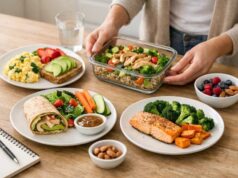
The best breakfast for weight loss is not the tiniest one or the trendiest one. It is the breakfast that helps you stay full, keeps calories under control, and makes the rest of the day easier to manage. For many people, that means more protein, enough fiber, and far less of the sugary, low-satiety foods that lead to cravings by midmorning. A high-protein breakfast can also help protect lean mass while dieting, which matters if you want to lose fat without feeling weak, flat, or constantly hungry. This guide explains what makes a breakfast weight-loss friendly, how much protein to aim for, and 15 quick breakfast ideas you can actually make on a busy morning.
Table of Contents
- What Makes a Breakfast Good for Weight Loss
- How Much Protein to Aim for at Breakfast
- 15 Quick High-Protein Breakfast Ideas
- How to Build a Breakfast That Keeps You Full
- Best Breakfast Strategies for Busy Mornings
- Should You Eat Breakfast to Lose Weight?
- Breakfast Mistakes That Slow Progress
What Makes a Breakfast Good for Weight Loss
A good breakfast for weight loss does three jobs at once. First, it gives you enough satisfaction that you are not hunting for snacks an hour later. Second, it fits into your daily calorie target. Third, it supports the kind of eating pattern that helps you stay consistent over weeks, not just one unusually motivated Monday.
That is why “healthy breakfast” and “weight-loss breakfast” are not always the same thing. A smoothie bowl made with nut butter, granola, honey, dried fruit, and coconut might sound wholesome, but it can easily turn into a calorie-dense meal that barely keeps you full. On the other hand, a simpler meal with Greek yogurt, berries, and a measured serving of oats often works much better.
The breakfasts that tend to help most with fat loss usually have these features:
- High protein to improve fullness and support lean mass
- Enough fiber to slow digestion and reduce rebound hunger
- Moderate calories rather than a huge restaurant-style portion
- Real volume from fruit, vegetables, or other filling foods
- Low decision fatigue, so they are easy to repeat
That last point matters more than people think. The best breakfast is often one you can make half-asleep, pack in a hurry, or default to when life gets busy. If a breakfast only works when you have 45 free minutes and perfect meal-prep energy, it is probably not your best option.
A strong breakfast also needs to fit the rest of your day. If you prefer a larger dinner, your breakfast may need to be lighter. If you tend to overeat at lunch because mornings run on coffee and toast, breakfast may need to do more work. The goal is not to make breakfast your biggest meal by default. It is to make breakfast useful.
For weight loss, most people do well when breakfast looks a lot like the rest of a smart fat-loss diet: protein-forward, produce-friendly, and built from the kinds of foods that fit a calorie deficit. It also helps to think about breakfast as one practical way to hit a better protein target per meal rather than treating it like a separate nutrition rule.
In other words, the best breakfast for weight loss is not “special.” It is simply structured better than the low-protein, high-sugar breakfasts that leave so many people hungry by 10 a.m.
How Much Protein to Aim for at Breakfast
For most adults trying to lose weight, breakfast works best when it contains roughly 25 to 35 grams of protein. Some smaller eaters may do fine a bit below that. Larger people, very active people, or older adults may benefit from a bit more. The main point is that breakfast should contain enough protein to matter.
This is where many common breakfasts fall short. A bagel with jam, a bowl of cereal with a little milk, or toast and fruit may only provide 5 to 12 grams of protein. That is not necessarily “bad,” but it is often not enough to keep hunger under control for long. When breakfast includes a meaningful protein source, the whole meal tends to be more satisfying.
A practical protein range for breakfast usually looks like this:
- 20 to 25 grams if you prefer a smaller breakfast
- 25 to 35 grams for a strong default target
- 35 to 40 grams if you are bigger, more active, or trying hard to preserve muscle while dieting
You do not need to hit the exact same number every morning. A breakfast with 27 grams one day and 33 grams the next is close enough. What matters is that you stop relying on breakfasts that are mostly refined carbs and then wondering why you are starving by midmorning.
Some of the easiest ways to get there are:
- Greek yogurt or skyr
- Cottage cheese
- Eggs plus egg whites
- Protein powder in a smoothie or oats
- Turkey, chicken, or smoked salmon
- Tofu scramble
- Higher-protein wraps, breads, or cereals paired with real protein
The goal is not to eat a bodybuilder breakfast. The goal is to make breakfast pull its weight. Many people already understand the importance of daily protein intake, but breakfast is often the meal where that goal slips most. That is one reason a lot of people end up trying to “catch up” on protein at dinner.
It also helps to keep a few high-protein staples around so breakfast does not become a carb-only meal by accident. Greek yogurt, eggs, cottage cheese, protein milk, tofu, and ready-to-drink shakes all make it easier to reach a useful number without much effort.
A good test is simple: if your breakfast is mostly toast, cereal, muffins, juice, or coffee-shop items, protein is probably too low. If it includes one clear protein anchor and that anchor gets you close to 25 to 35 grams, you are much more likely to stay satisfied and on plan.
15 Quick High-Protein Breakfast Ideas
These breakfasts are built for real mornings. They are quick, filling, and easy to fit into a weight-loss plan. Protein numbers are approximate and depend on the brand and portion you use.
- Greek yogurt bowl with berries and chia
About 25 to 30 grams of protein. Use plain Greek yogurt, add berries for volume, and finish with chia seeds for texture. This is one of the fastest high-protein breakfasts you can make. - Egg and egg-white scramble with spinach
About 25 to 30 grams. Two eggs plus extra egg whites give you more protein without pushing calories too high. Add spinach, mushrooms, or peppers for volume. - Cottage cheese, fruit, and cinnamon
About 25 to 30 grams. Cottage cheese is one of the easiest high-protein breakfasts for people who do not want to cook. Pair it with berries, pineapple, or sliced pear. - Protein oatmeal
About 25 to 35 grams. Stir protein powder or Greek yogurt into cooked oats, then top with fruit. This keeps oatmeal from turning into a mostly-carb breakfast. - Turkey and egg breakfast wrap
About 25 to 35 grams. Use eggs or egg whites, sliced turkey, and a high-fiber tortilla. It is portable and keeps better than many breakfast sandwiches. - Skyr with banana and crushed walnuts
About 20 to 25 grams. Skyr is thick, high in protein, and easy to pair with fruit. Keep the nuts measured so the calories stay reasonable. - Smoothie with protein powder, milk, and frozen fruit
About 25 to 35 grams. This works well when chewing breakfast feels hard. A good version includes protein powder, milk or soy milk, frozen berries, and half a banana. - High-protein overnight oats
About 25 to 30 grams. Make them the night before with oats, yogurt, milk, and chia seeds. This is one of the best options for people who rush out the door. - Tofu scramble with salsa
About 20 to 30 grams. Crumbled tofu cooks quickly and works well with onions, peppers, spinach, and salsa. Great for plant-based eaters. - Smoked salmon on whole-grain toast with yogurt on the side
About 25 to 35 grams. The yogurt helps push the protein up enough to make the meal more filling. - Cottage cheese toast with sliced tomato
About 20 to 25 grams. Spread cottage cheese on toast, add tomato and black pepper, and pair it with fruit if you want more volume. - Protein pancakes from a simple batter
About 25 to 30 grams. Use eggs, oats, cottage cheese or yogurt, and blend. Keep toppings moderate so the breakfast stays weight-loss friendly. - Breakfast bowl with eggs, potatoes, and salsa
About 25 to 30 grams. Use a moderate portion of potatoes, lots of vegetables, and enough eggs or egg whites to anchor the meal. - High-protein cereal with milk and fruit
About 20 to 30 grams. This can work well if you choose a cereal with more protein or fiber and use higher-protein milk. It is also one of the easiest upgrades for people who already love cereal. - Yogurt parfait with oats and chopped apple
About 25 to 30 grams. Layer Greek yogurt, apples, cinnamon, and a measured amount of oats or granola for crunch.
If you want even more structure, pull breakfast options from a high-protein breakfast meal prep routine or rotate these with a few lower-calorie breakfast ideas that still include solid protein.
One useful pattern to notice is that most of these breakfasts rely on repeat ingredients: Greek yogurt, eggs, cottage cheese, fruit, oats, wraps, tofu, and measured toppings. That is not boring by accident. It is what makes quick breakfasts doable.
Another pattern is that the best breakfasts are rarely dessert in disguise. A little sweetness is fine, but the breakfasts that help most with weight loss usually combine protein with either fruit, fiber, or a savory element. That mix tends to create better staying power than pastries, juice, or sweet coffee drinks alone.
How to Build a Breakfast That Keeps You Full
A filling breakfast is usually not just about protein. Protein is the anchor, but fullness works better when the meal also includes fiber, water-rich foods, and enough total volume to feel like a real meal.
A simple breakfast formula looks like this:
- Start with a protein source.
- Add produce or another fiber source.
- Include carbs if they help satisfaction and energy.
- Keep calorie-dense extras measured.
That might mean Greek yogurt plus berries and oats. Or eggs plus vegetables and toast. Or a smoothie made with protein, fruit, and milk instead of one built mostly from juice, nut butter, and sweetened add-ins.
The biggest thing people underestimate is volume. A tiny breakfast can technically fit your macros and still leave you hungry. A better breakfast often includes foods that take up more room on the plate or in the bowl:
- Berries
- Apples and pears
- Spinach, mushrooms, peppers, and tomatoes
- Oats
- Potatoes
- High-fiber wraps or toast
- Chia seeds or flax in small amounts
For savory breakfasts, vegetables help a lot. Adding spinach, mushrooms, tomatoes, onions, or peppers can make an egg-based meal feel much bigger without adding many calories. That is one reason breakfast skillets and wraps often work better than plain toast or packaged snack bars.
For sweet breakfasts, whole fruit usually beats juice or sugary toppings. Using berries or apples can add sweetness, fiber, and more chewing. A few of the best fruits for weight loss fit especially well at breakfast because they are portable, low in calorie density, and easy to pair with yogurt or oats.
Fiber matters too, but it does not need to become a science project. Most people do well when breakfast contains one clear fiber source such as oats, fruit, high-fiber cereal, whole-grain toast, beans, or vegetables. If you want a more specific target, it helps to understand how much fiber per meal tends to support fullness.
Where people often go wrong is in the extras. Nut butter, granola, shredded cheese, avocado, syrups, and trail-mix toppings can all fit, but they add calories fast. A breakfast can start as balanced and turn into a calorie bomb through the toppings alone. The fix is not eliminating these foods. It is measuring them instead of free-pouring them.
The most filling breakfasts are usually simple enough to repeat and balanced enough that they quiet hunger instead of waking it up.
Best Breakfast Strategies for Busy Mornings
A breakfast only helps if you can actually eat it on a normal weekday. That is why the best breakfast strategy is often less about recipes and more about removing friction.
The easiest way to make breakfast more consistent is to keep a short list of go-to combinations and rotate them. You do not need 30 options. In fact, too many choices can make mornings harder. Most people do well with three to five breakfast defaults: one sweet, one savory, one portable, one make-ahead, and one backup option for chaotic days.
A useful busy-morning setup looks like this:
- At home option: eggs or yogurt bowl
- Grab-and-go option: shake, skyr, or overnight oats
- Desk breakfast option: cottage cheese, fruit, and a packed carb source
- Emergency option: ready-to-drink protein shake plus fruit
- Meal-prep option: breakfast wrap or baked egg cups
Shopping also matters. If your kitchen is stocked with pastries, cereal bars, juice, and random snack foods, breakfast will drift in that direction. If it is stocked with yogurt, eggs, fruit, oats, wraps, and easy protein options, breakfast becomes easier by default. A simple grocery list for beginners can help you build that setup without overbuying.
Meal prep helps most when it stays realistic. You do not need seven elaborate breakfasts portioned into matching containers. A better system is often to prep components:
- Hard-boil eggs
- Wash berries
- Portion oats
- Chop vegetables
- Cook a batch of egg muffins or breakfast wraps
- Keep frozen fruit on hand for smoothies
If weekends are your best prep window, a short weekend meal-prep routine can make weekday breakfasts dramatically easier.
It is also smart to match the breakfast to your morning. If you train early, a lighter liquid breakfast may work better. If you sit through long meetings, a more filling savory breakfast may be worth the extra five minutes. If you commute, portability matters more than variety.
The most successful breakfast routines are usually the least glamorous. They rely on repetition, backup plans, and ingredients that already fit your calorie goal. That kind of routine may not look exciting on social media, but it tends to work a lot better than improvising every morning.
Should You Eat Breakfast to Lose Weight?
Not necessarily. Breakfast can help with weight loss, but it is not mandatory for everyone. This is one of the most important points to understand because breakfast advice often becomes too absolute.
Some people genuinely do better when they eat breakfast. They feel less ravenous later, make better lunch choices, and have an easier time hitting their protein goal. For them, skipping breakfast can backfire into afternoon overeating or constant snacking.
Other people do fine without breakfast. They are not hungry early, prefer larger later meals, or naturally eat fewer calories when they delay the first meal. In that case, forcing breakfast just because it is “healthy” may not help.
The better question is not “Should everyone eat breakfast?” It is “What pattern helps me control hunger and calories best?” For some, that answer is a protein-rich breakfast. For others, it is a later first meal with a different structure across the day. If you follow a time-restricted schedule, it may help to understand how that overlaps with intermittent fasting patterns instead of assuming breakfast is always required.
That said, breakfast becomes more useful in a few common situations:
- You tend to overeat at lunch if you skip it
- Your total daily protein is too low without it
- You work out in the morning and feel depleted afterward
- You rely on vending-machine snacks by midmorning
- You find structured mornings easier than grazing later
Breakfast is also more likely to help when it is built well. A sugary coffee and pastry is not the same as eggs and fruit or Greek yogurt with oats. People often say “breakfast makes me hungrier,” when what they really mean is “my usual breakfast is too low in protein and too easy to digest.”
There is also a psychological side to this. A strong breakfast can create a more stable tone for the day. It does not make you virtuous, but it can reduce decision fatigue and make later meals easier. For busy people, that can be a real advantage.
So yes, breakfast can be one of the best tools for weight loss. But it is best because it helps some people eat more consistently, not because it is metabolically magical. Use it if it helps. Skip it if it truly suits you better. Just make sure the pattern you choose still supports adequate protein, controlled hunger, and realistic calorie intake.
Breakfast Mistakes That Slow Progress
A lot of breakfast problems come from meals that look innocent but do not work very well for appetite or calories. If your breakfast routine is not helping, one of these common mistakes is often the reason.
1. Choosing a breakfast that is mostly sugar and refined carbs
Pastries, sweet cereal, flavored coffee drinks, muffins, and juice can create a quick hit of energy and then leave you hungry again soon after. They are also easy to overconsume.
2. Keeping protein too low
A breakfast with 8 or 10 grams of protein may not do much for fullness. That does not mean every breakfast must be huge, but it usually needs one clear protein source.
3. Drinking your calories without noticing
A smoothie can be a great breakfast, but it can also become a 700-calorie dessert if it includes juice, multiple nut butters, sweetened yogurt, and big granola add-ins. The same goes for coffee-shop drinks.
4. Adding too many “healthy” extras
Granola, nuts, seeds, nut butter, avocado, cheese, and dried fruit can all fit, but calories rise quickly when several of them land in one meal. Measured amounts work much better than handfuls.
5. Relying on packaged breakfast foods
Protein bars, breakfast biscuits, and flavored yogurts can be convenient, but they are not always the most filling choice. Whole-food versions are often more satisfying.
6. Making breakfast too small to last
Some people are so determined to “save calories” that breakfast becomes little more than coffee and a bite of something. Then lunch turns into a disaster. Saving calories only helps if it does not trigger rebound eating.
7. Ignoring the bigger pattern
Even a great breakfast cannot fully fix a day built around grazing, takeout, and mindless snacks. Breakfast helps most when it fits inside a broader weight-loss routine.
If your current breakfast is not working, the fix is usually not dramatic. Start by checking whether it contains enough protein, whether the extras are measured, and whether it actually keeps you full. It can also help to review the kinds of foods that make a calorie deficit harder and the broader diet mistakes that often stall progress.
The best breakfast for weight loss is rarely the trendiest one. It is the one that is satisfying, repeatable, and boringly effective.
References
- A dairy-based, protein-rich breakfast enhances satiety and cognitive concentration before lunch in overweight to obese young females: A randomized controlled cross-over study 2024 (RCT)
- No effects of high- v. low-protein breakfast on body composition and cardiometabolic health in young women with overweight: the NewStart randomised trial 2025 (RCT)
- Meal patterns, including intermittent fasting – a scoping review for Nordic Nutrition Recommendations 2023 2024 (Scoping Review)
- Enhanced protein intake on maintaining muscle mass, strength, and physical function in adults with overweight/obesity: A systematic review and meta-analysis 2024 (Systematic Review and Meta-Analysis)
Disclaimer
This article is for general educational purposes only and is not a substitute for medical advice, diagnosis, or treatment. If you have diabetes, kidney disease, a history of disordered eating, or another condition that affects your nutrition needs, get personalized guidance from a clinician or registered dietitian before making major changes to your diet.
If you found this article helpful, please share it on Facebook, X, or your preferred platform so someone else can find a simpler, more filling way to approach breakfast.