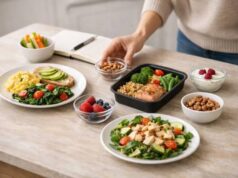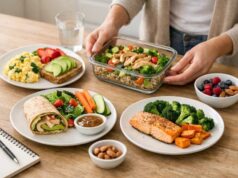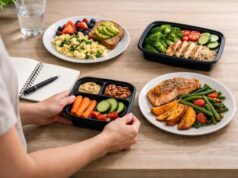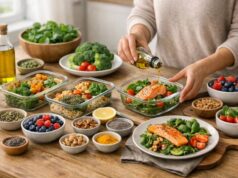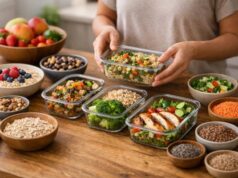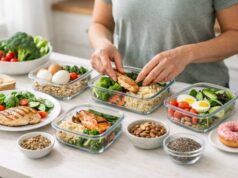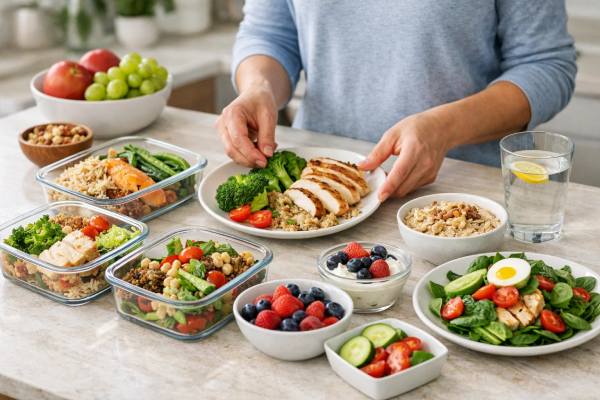
A DASH diet meal plan can support weight loss without turning your week into a math problem or a string of bland “diet foods.” DASH stands for Dietary Approaches to Stop Hypertension, but the same pattern that helps support heart health can also make a calorie deficit easier: meals built around fruit, vegetables, beans, whole grains, lean protein, and lower-fat dairy tend to be filling, nutrient-dense, and easier to portion well.
This 7-day plan is built for practical fat loss, not perfection. You will see how to combine DASH-friendly foods into satisfying breakfasts, lunches, dinners, and snacks, how to keep portions realistic, and how to adjust the plan to fit your calorie needs without losing the core structure.
Table of Contents
- Why DASH works for weight loss
- How to set up a DASH calorie deficit
- 7-day DASH meal plan
- DASH grocery list for the week
- Meal prep and portioning tips
- How to adjust the plan
- Mistakes that undermine results
Why DASH works for weight loss
The DASH eating pattern is not a “fat-burning” diet. Its value is more practical than that. It naturally pushes your meals toward foods that are harder to overeat and easier to recover on: produce with high water and fiber content, minimally processed starches, lean proteins, beans, and lower-fat dairy. That combination tends to improve fullness per calorie, which is exactly what most people need in a sustainable deficit.
Another strength is structure. Many weight-loss plans fail because they are too vague at lunch, too restrictive at dinner, and too tempting at snack time. DASH gives you a simple frame: build meals around vegetables and fruit, choose whole grains more often than refined grains, keep sodium and highly processed foods in check, and include regular sources of protein. That makes the day feel more stable, and stable eating usually beats dramatic eating.
For weight loss, DASH works especially well when you avoid turning it into an “all healthy foods are unlimited” plan. Nuts, nut butter, olive oil, avocado, granola, dried fruit, wraps, and whole-grain breads can all fit well, but portions still matter. Heart-healthy does not automatically mean low-calorie.
A useful mindset is this: DASH gives you the food quality, and a calorie deficit gives you the weight-loss outcome. Put those together and you get a plan that is easier to stick with than a crash diet. For a broader overview of the pattern itself, see this DASH diet for weight loss overview. If you need a refresher on how fat loss actually happens, this guide to calorie deficit basics can help.
How to set up a DASH calorie deficit
A good DASH meal plan for weight loss does not need to be extremely low in calories. In fact, plans that are too aggressive often backfire because hunger rises, portions creep upward by evening, and the “healthy” snacks become constant grazing. A moderate deficit usually works better than a heroic one.
For most adults, the easiest starting point is a day built around three meals and one or two snacks. Each meal should include:
- a clear protein source
- at least one high-fiber carbohydrate source
- one or two servings of produce
- a controlled amount of added fat
That formula keeps the plan aligned with DASH while also improving fullness.
In practical terms, a weight-loss-friendly DASH plate often looks like this:
- Breakfast: protein plus fiber, not just carbs
- Lunch: lean protein, vegetables, and a smart starch
- Dinner: half the plate vegetables, plus protein and a moderate starch
- Snacks: fruit, yogurt, cottage cheese, hummus, nuts, or a higher-protein option
This article’s 7-day menu generally lands in a moderate calorie range that suits many people trying to lose weight, but it is not meant to be a medically precise prescription. If you are smaller, less active, or trying to lose more slowly, you may need smaller portions. If you are larger, taller, or more active, you may need larger ones.
Two habits matter more than perfect tracking:
- Keep protein present at every meal.
- Keep fiber-rich foods present across the whole day.
Those two moves make DASH much more effective for appetite control. These deeper guides on protein per meal targets and fiber per meal targets can help you fine-tune the plan without overcomplicating it.
7-day DASH meal plan
The plan below is built around ordinary foods, repeat ingredients, and meals that are realistic for a workweek. Calories are approximate because ingredients, brands, and portion sizes vary. The goal is consistency, not laboratory precision.
| Day | Breakfast | Lunch | Dinner | Snack ideas | Approx. daily calories |
|---|---|---|---|---|---|
| Day 1 | Greek yogurt bowl with rolled oats, blueberries, chia seeds, and a small spoon of walnuts | Turkey and hummus whole-grain wrap with lettuce, cucumber, tomato, and an apple | Baked salmon, quinoa, and roasted broccoli with lemon and herbs | Carrots with tzatziki; pear | 1,500–1,600 |
| Day 2 | Veggie omelet with spinach, mushrooms, and peppers, plus one slice whole-grain toast and an orange | Lentil soup, side salad, and plain yogurt with cinnamon | Chicken stir-fry with mixed vegetables and brown rice | Banana; small handful of almonds | 1,500–1,650 |
| Day 3 | Overnight oats with low-fat milk, strawberries, chia, and sliced banana | Tuna and white bean salad with cherry tomatoes, celery, olive oil, lemon, and whole-grain crackers | Turkey chili with black beans and a baked sweet potato | Cottage cheese with cucumber; kiwi | 1,500–1,650 |
| Day 4 | Smoothie with Greek yogurt, berries, spinach, oats, and milk | Chickpea quinoa bowl with cucumber, tomato, parsley, and light feta | Baked cod, roasted potatoes, and green beans | Edamame; peach | 1,450–1,600 |
| Day 5 | Two eggs with avocado on whole-grain toast and a side of berries | Leftover turkey chili or bean soup with a crunchy salad | Chicken fajita bowl with brown rice, black beans, peppers, onions, salsa, and shredded lettuce | Plain yogurt with walnuts; apple | 1,550–1,700 |
| Day 6 | Cottage cheese bowl with pineapple, oats, and pumpkin seeds | Turkey and white bean stuffed whole-wheat pita with chopped vegetables | Shrimp and whole-wheat pasta with tomato, spinach, garlic, and a side salad | Apple with peanut butter | 1,500–1,650 |
| Day 7 | Oatmeal with diced pear, cinnamon, and chopped pecans, plus a side of yogurt | Grilled chicken salad with farro, cucumber, tomatoes, carrots, and vinaigrette | Turkey meatballs with marinara, roasted zucchini, and a moderate serving of whole-grain pasta | Hummus with sliced peppers and cucumber; orange | 1,500–1,700 |
A few things make this week work well:
Repeated ingredients keep the plan practical
You will notice recurring foods like Greek yogurt, oats, berries, apples, beans, quinoa, brown rice, chicken, and raw vegetables. That is intentional. Weight-loss meal plans fall apart when every day needs a different shopping trip.
Protein is spread across the day
Breakfast is not just toast or cereal. Lunch is not just a salad with almost no staying power. Dinner is not built around starch alone. That balance helps reduce late-night hunger and makes the deficit feel less punishing.
Meals are heart-healthy without being joyless
DASH does not require plain chicken and steamed broccoli forever. It works well with herbs, lemon, garlic, salsa, vinegar, yogurt-based sauces, and modest amounts of olive oil, cheese, nuts, and avocado. Flavor matters because flavor improves adherence.
Sodium still matters
This is not an ultra-low-sodium medical plan, but it is sodium-aware. Choose lower-sodium soup when possible, rinse canned beans, use no-salt-added tomatoes if available, and season more with acid, herbs, spices, onion, and garlic. That keeps the plan aligned with DASH without making meals taste flat.
If a day feels too light, add one extra serving of fruit, a little more whole grain, or another lean protein portion before adding several “healthy extras.” If a day feels too heavy, reduce oils, nuts, cheese, dressings, and starch portions first.
DASH grocery list for the week
A good DASH grocery list is less about buying specialty foods and more about making the right defaults easy. You want ingredients that can become fast meals even on low-motivation days.
Here is a practical one-week shopping list based on the plan above.
Proteins
- Greek yogurt
- Cottage cheese
- Eggs
- Chicken breast or thighs
- Lean ground turkey
- Salmon
- Cod or another mild white fish
- Shrimp
- Canned tuna
- Lentils
- Black beans
- Chickpeas
- White beans
- Edamame
Produce
- Spinach
- Mixed salad greens
- Broccoli
- Green beans
- Bell peppers
- Mushrooms
- Zucchini
- Cucumbers
- Tomatoes or cherry tomatoes
- Carrots
- Sweet potatoes
- Potatoes
- Onions
- Garlic
- Lemons
- Apples
- Pears
- Bananas
- Berries
- Oranges
- Kiwi
- Peach or other seasonal fruit
Whole grains and smart starches
- Rolled oats
- Whole-grain bread
- Whole-grain wraps or pitas
- Brown rice
- Quinoa
- Farro
- Whole-wheat pasta
- Whole-grain crackers
Fats and extras
- Olive oil
- Walnuts or almonds
- Pumpkin seeds
- Natural peanut butter
- Avocado
- Hummus
- Light feta
- Salsa
- Low-sodium broth or soup base
- Canned no-salt-added tomatoes
- Dried herbs and spices
This kind of list overlaps well with a general beginner grocery list for weight loss. If you want to cut weekday friction even more, pair it with a simple weekend meal prep plan so your best choices are already half-done.
Meal prep and portioning tips
You do not need a full Sunday marathon to make this plan work. You only need a few anchors prepared ahead of time. The easiest version is to prep components, not seven fully assembled lunches.
What to prep once
- Cook one or two whole grains, such as brown rice and quinoa.
- Roast a large tray of vegetables.
- Wash and cut raw snack vegetables.
- Make one pot of chili, lentil soup, or beans.
- Cook two main proteins, such as chicken and turkey meatballs.
- Portion yogurt, nuts, or fruit for grab-and-go snacks.
That is enough to cover several lunches and make dinner assembly much faster.
Portioning that keeps the plan in a deficit
The foods in DASH are healthy, but the portions still drive results. A few examples:
- Use nuts as a topping, not a cereal replacement.
- Use avocado as a quarter to half fruit, not a whole one by default.
- Use olive oil as a measured ingredient, not a free pour.
- Keep grains and pasta moderate rather than restaurant-sized.
- Let vegetables do more of the volume work.
A simple plate guide helps: half vegetables, a quarter protein, and a quarter starch, with fruit or dairy added as needed. That approach works especially well when you do not want to count everything. This is where a visual portion-size guide can be useful, especially if your meals are healthy but your progress is slow.
Make flavor do the hard work
Many people quit DASH because they reduce sodium without increasing flavor. The fix is not more salt substitutes in everything. The fix is building meals with:
- lemon or lime
- vinegars
- garlic and onion
- black pepper
- smoked paprika
- cumin
- dill, parsley, basil, oregano
- salsa
- yogurt-based sauces
When meals taste good, adherence stops feeling like self-discipline and starts feeling normal.
How to adjust the plan
No 7-day plan is perfect for every body size, activity level, or rate of weight loss. The best version is the one you can scale up or down without changing the basic DASH structure.
| If you need fewer calories | Keep the same | If you need more calories |
|---|---|---|
| Reduce added fats first, then trim starch portions or one snack | Protein portions, vegetables, fruit, and overall meal timing | Add an extra serving of whole grains, beans, fruit, dairy, or lean protein |
| Choose one snack instead of two | Breakfast-lunch-dinner structure | Use both planned snacks and slightly larger grain portions |
| Use less cheese, fewer nuts, and lighter dressings | DASH food quality | Add another yogurt, extra oats, more rice, or another piece of fruit |
This matters because people often make the wrong adjustment. When progress stalls, they remove fruit or beans and keep the calorie-dense extras. Usually the smarter move is the opposite: keep the filling, fiber-rich core foods and trim the items that add calories quickly but do not provide much volume.
If you already know you do better with a more defined calorie target, use the same meal ideas but match the portions to a stricter structure such as a 1,400-calorie week or a 1,600-calorie week.
For higher activity days, especially if you walk a lot or train regularly, add calories around breakfast, lunch, or the post-workout window rather than arriving at dinner ravenous. That usually makes the whole day easier to manage.
Mistakes that undermine results
The most common reason a DASH diet “doesn’t work” for weight loss is not the food pattern. It is the way the pattern gets translated into real-life portions and habits.
Mistake 1: Eating too many healthy extras
Olive oil, nuts, nut butter, avocado, granola, dark chocolate, wraps, and trail mix can fit. They just cannot all fit generously in the same day when you are aiming for a deficit.
Mistake 2: Building low-protein meals
A lunch that is mostly greens, dressing, and a few chickpeas may look healthy but often leads to a stronger appetite later. The same goes for breakfasts built only around toast, cereal, or fruit. A better plan is to make each meal clearly protein-containing.
Mistake 3: Underestimating restaurant and convenience foods
Soup, sandwiches, wraps, grain bowls, rotisserie meals, deli turkey, and bottled dressings can all sound DASH-friendly while being surprisingly high in sodium or calories. Home meals make the plan much easier to control.
Mistake 4: Waiting too long to eat
Going from coffee to a very late lunch often ends with larger portions, weaker decisions, and snack hunting later in the day. Regular eating tends to support steadier appetite control.
Mistake 5: Expecting instant perfection
DASH often works best when people improve the pattern in layers: add produce, upgrade grains, improve protein balance, reduce sodium, then tighten portions. That steady approach is usually more durable than a sudden overhaul.
The real win is not finishing a perfect week. It is building a repeatable week. Once you can repeat the structure, the results become much more predictable.
References
- DASH Eating Plan: Healthy Living, Proven Results 2020 (Official Guide)
- The effects of the Dietary Approaches to Stop Hypertension (DASH) diet on metabolic risk factors in patients with chronic disease: A systematic review and meta-analysis of randomized controlled trials 2021 (Systematic Review)
- Effects of the Dietary Approaches to Stop Hypertension Diet on Change in Cardiac Biomarkers Over Time: Results From the DASH-Sodium Trial 2023 (RCT Analysis)
- Effectiveness of DASH Diet versus Other Diet Modalities in Patients with Metabolic Syndrome: A Systematic Review and Meta-Analysis 2024 (Systematic Review)
Disclaimer
This article is for general educational purposes only and is not a substitute for medical advice, diagnosis, or treatment. If you have high blood pressure, kidney disease, diabetes, heart disease, or take medications that affect fluid balance or blood pressure, get personalized guidance from your clinician or a registered dietitian before making major diet changes.
If this article helped, please share it on Facebook, X, or your preferred platform so others can use the plan too.