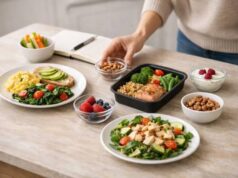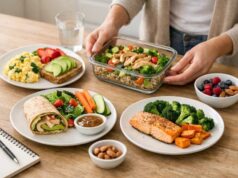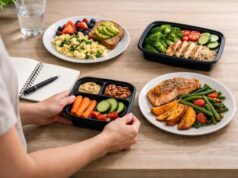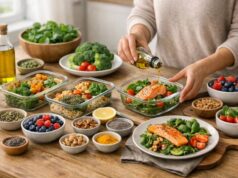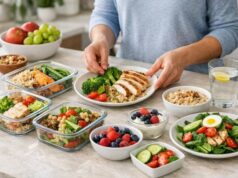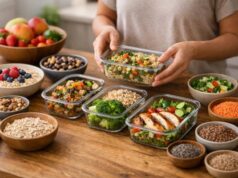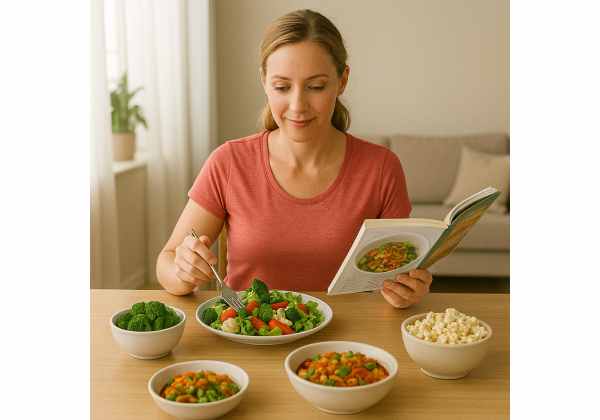
When people say they want to lose weight without feeling hungry all day, they are usually describing the same problem from different angles: they need meals that look generous, take time to eat, and leave them satisfied on fewer calories. That is where high-volume, low-calorie foods become useful. These foods tend to contain more water, fiber, or air, so they take up more space on the plate and in the stomach without driving calories up quickly. Think broth-based soups, berries, potatoes, vegetables, Greek yogurt, popcorn, and large salads that are built well instead of left skimpy.
Used properly, they can make a calorie deficit feel more manageable. Used poorly, they can leave you eating giant bowls of vegetables and still raiding the pantry later. This guide explains which foods actually help, how to turn them into satisfying meals, and how to combine volume with enough protein, fiber, and flavor to support real weight loss.
Table of Contents
- Why food volume matters
- Best high-volume low-calorie foods
- Why protein and fiber still matter
- Meal and snack ideas that work
- How to build filling low-calorie meals
- Mistakes that make volume backfire
Why food volume matters
High-volume, low-calorie foods help with weight loss because they change the eating experience. A 500-calorie meal can look tiny and disappear in six minutes, or it can look substantial, take longer to eat, and leave you feeling like you actually had dinner. That difference matters more than many people realize.
Food volume usually comes from one or more of these features:
- high water content
- high fiber content
- lower energy density
- more chewing and slower eating
- more air, as with popcorn
Energy density is the key idea underneath all of this. Foods with lower energy density give you fewer calories per gram, which means you can eat a larger physical amount for the same calorie cost. Vegetables, fruit, broth-based soups, potatoes, beans, and low-fat dairy often work well because they bring bulk and satiety without packing large amounts of fat or added sugar into small portions.
This does not mean calories stop counting. It means food choice can make a calorie deficit easier to stick to. A large bowl of vegetable soup with chicken and potatoes will usually feel more filling than a pastry, even if the calories are similar. A big yogurt bowl with berries may help more than a handful of trail mix, even though trail mix is often considered healthy. Weight loss gets easier when the food environment helps you, rather than asking you to rely on restraint after every meal.
Volume is also useful psychologically. People tend to judge meals by sight before the first bite. When a plate looks sparse, many assume the meal will not be enough. When it looks abundant, the meal often feels more satisfying before digestion even catches up. That is part of why many people do better with meals built around soups, salads, roasted vegetables, fruit, and potatoes than with tiny portions of rich foods.
Still, volume is only one tool. If a meal is high in volume but too low in protein, too low in overall substance, or bland enough to trigger later snacking, it will not work well for long. This is why high-volume eating should support a calorie deficit, not distract from it. It also helps to know your basic calorie target for weight loss, because volume works best when it is paired with a realistic daily plan.
The goal is not to eat the most food possible. The goal is to make lower-calorie eating feel generous enough that you can repeat it.
Best high-volume low-calorie foods
The best high-volume, low-calorie foods are not always the lowest-calorie foods on paper. The most useful ones are the foods that give you a lot of physical food, help with fullness, and fit into real meals you can repeat.
A practical list starts with vegetables. The most useful choices are the ones that cook well, keep well, and bulk up meals fast:
- zucchini
- mushrooms
- cauliflower
- broccoli
- cabbage
- carrots
- green beans
- cucumbers
- tomatoes
- lettuce and other salad greens
- bell peppers
These foods add bulk to bowls, stir-fries, omelets, soups, pasta dishes, wraps, and side plates. Mushrooms and cabbage are especially underrated because they shrink into savory meals well and make portions look larger without many calories.
Fruit is another strong category, especially options with high water content and good fiber:
- berries
- apples
- oranges
- grapefruit
- melon
- peaches
- pears
Compared with juice, dried fruit, or dessert foods, whole fruit generally slows eating and adds more fullness per calorie. Berries and melon are especially useful when you want something sweet but do not want to spend a large share of your calorie budget on it.
Then there are the “surprisingly helpful” staples:
- potatoes
- air-popped popcorn
- broth-based soups
- beans and lentils
- oats
Potatoes are often misunderstood. Fried potato foods are easy to overeat, but boiled, baked, or roasted potatoes can be very filling for the calories. Popcorn works for similar reasons when it is air-popped or lightly prepared rather than drenched in butter. Broth-based soups can be especially useful before or with meals because they increase meal volume without requiring a huge calorie investment.
Some low-calorie foods are useful mainly as add-ons:
- salsa
- mustard
- vinegar-based slaws
- pickled vegetables
- herbs and spices
- lemon juice
- hot sauce
These do not create fullness by themselves, but they improve flavor without forcing you to rely on heavy dressings, creamy sauces, or large amounts of oil.
The strongest grocery strategy is to combine these foods across the week instead of treating them as separate diet items. A kitchen built around soups, vegetables, fruit, oats, potatoes, yogurt, beans, and simple proteins makes high-volume eating much easier. That is also why a budget-friendly meal plan often overlaps naturally with volume eating, and why a better grasp of daily fiber targets and swaps can improve fullness more than many people expect.
High-volume foods are most powerful when they stop being “extras” and become the base of how you build meals.
Why protein and fiber still matter
One of the biggest mistakes in volume eating is assuming that fullness comes from size alone. It does not. A massive salad with almost no protein can leave you hungry an hour later. A giant plate of steamed vegetables without enough starch or fat may feel virtuous but still send you looking for snacks. Volume helps most when it works together with protein and fiber.
Protein matters because it increases meal staying power. It also helps preserve lean mass during weight loss, which matters for both health and long-term results. In practical terms, high-volume meals become much more useful when they include one solid protein anchor such as:
- Greek yogurt
- cottage cheese
- eggs or egg whites
- chicken breast or thigh
- turkey
- tuna
- shrimp
- tofu
- tempeh
- edamame
- beans and lentils
Fiber matters because it slows eating, increases bulk, and often improves satiety. Many of the best high-volume foods already bring fiber to the meal, including vegetables, fruit, oats, beans, lentils, and potatoes. But fiber works best when spread across the day, not saved for one giant bowl at dinner.
A better way to think about volume meals is this:
- start with a large base of produce or broth
- add a meaningful protein source
- include a moderate smart carbohydrate if needed
- finish with a small amount of fat or flavor so the meal feels complete
That third step is important because many people try to cut carbs too aggressively when building large meals. In reality, a modest serving of oats, beans, potatoes, rice, or whole-grain bread can make a meal more satisfying and reduce later cravings. A low-volume, high-calorie pastry is easy to overeat. A potato with chicken and vegetables is usually much easier to fit into a fat-loss plan. If you are still sorting out the balance, it helps to understand weight loss macro ratios and what counts as truly high-protein foods in daily meals.
There is also a practical point here: meals need enough satisfaction to be repeatable. Protein, fiber, and a little flavor are what turn “a lot of food” into “a meal that actually works.” That might mean adding yogurt to oats, beans to soup, tofu to stir-fry, or chicken to a large salad. The difference in calories is often modest compared with the difference in fullness.
Volume is the frame. Protein and fiber are what make the frame hold.
Meal and snack ideas that work
High-volume eating becomes useful when it translates into meals you can make quickly, pack for work, or order when tired. The examples below are not magic meals. They are practical patterns that give you more food, more fullness, and better control over calories.
Breakfast ideas
- A large bowl of Greek yogurt with berries, diced apple, and a spoonful of oats
- Oatmeal cooked with extra water, stirred with egg whites or yogurt, then topped with fruit
- A vegetable omelet with mushrooms, spinach, tomatoes, and a side of fruit
- Cottage cheese with melon, berries, and cinnamon
These breakfasts work because they bring protein and water-rich foods together instead of relying on pastries, granola-heavy bowls, or tiny toast-based meals that disappear fast.
Lunch ideas
- Big salad with chicken or tofu, crunchy vegetables, beans, and a measured dressing
- Broth-based soup with lentils or shredded chicken, plus fruit on the side
- Grain bowl built with half vegetables, then protein, then a moderate portion of rice or potatoes
- Wrap stuffed with lean protein, slaw, cucumber, tomato, and a yogurt-based sauce
A smart lunch usually needs enough structure to prevent afternoon snacking. That is why high-volume lunches work best when they are not just vegetables. If you need ideas you can prep ahead, it helps to rotate a few make-ahead lunch options rather than reinvent lunch every day.
Dinner ideas
- Stir-fry with chicken, shrimp, or tofu and a large volume of vegetables over a moderate rice portion
- Sheet-pan dinner with potatoes, broccoli, carrots, and lean protein
- Turkey or lentil chili served with extra vegetables
- Taco bowls with lettuce, salsa, beans, cauliflower rice, and a measured amount of regular rice
Snack ideas
- Air-popped popcorn
- Apple with a small portion of peanut butter
- Greek yogurt with berries
- Raw vegetables with salsa or a light yogurt dip
- Cottage cheese and fruit
- Orange and a boiled egg
The pattern is simple: snacks should either solve hunger or satisfy a craving without setting off a bigger appetite rebound. That is why a short list of smart snack options is often more helpful than trying to “be good” around random foods.
The best volume meals are not necessarily the biggest ones. They are the ones that leave you least interested in grazing later.
How to build filling low-calorie meals
If you want high-volume eating to work consistently, use a repeatable meal formula instead of relying on random “healthy” foods. A few structure rules can make almost any meal more filling without making it complicated.
Start with this template:
- Choose a high-volume base.
This could be a large salad, a broth-based soup, roasted vegetables, sautéed cabbage, zucchini noodles, cauliflower rice, or a pile of steamed vegetables. - Add a protein anchor.
Aim for a clear source like chicken, tofu, Greek yogurt, eggs, cottage cheese, tuna, shrimp, or beans. - Add a controlled starch if needed.
Potatoes, oats, rice, beans, lentils, fruit, or whole grains often improve satisfaction and reduce later snacking. - Use flavor on purpose.
Salsa, soy sauce, yogurt sauces, herbs, vinegar, mustard, lemon, garlic, or chili crisp in measured amounts can make a lower-calorie meal feel complete.
A simple plate method works well too:
- about half the plate from vegetables, broth, or fruit
- about one quarter from protein
- about one quarter from starch or a more energy-dense component
That is not a rigid rule, but it is a strong default. It works for bowls, plates, soups, and packed lunches. It is also easier to follow than trying to count every gram in real time. If portion sizes are where your meals drift, the plate method and visual guide can help you keep volume high without accidentally turning meals enormous in calories.
Preparation matters more than people expect. A meal can start as a high-volume option and become much heavier through dressings, oils, cheese, nut butters, creamy sauces, and crunchy toppings. None of those foods are off-limits, but they need to be treated as calorie-dense accents rather than invisible background ingredients.
A few upgrades make a noticeable difference:
- use broth to expand soups and stews
- add frozen vegetables to pasta sauce, stir-fries, and rice dishes
- mix cauliflower rice with regular rice instead of replacing it entirely
- bulk up oats with grated zucchini or extra liquid
- add mushrooms and cabbage to tacos, bowls, and scrambled eggs
- keep washed fruit at eye level so it becomes the easy sweet option
Many people also do better when two or three high-volume meals repeat during the week. That is where a little weekend meal prep pays off. When the vegetables are chopped, potatoes are cooked, soup is portioned, and protein is ready, high-volume eating becomes the path of least resistance.
That is the point. The best weight loss strategy is usually the one that makes the next good choice easier.
Mistakes that make volume backfire
High-volume eating sounds simple, but several common mistakes can make it much less effective than people hope.
Mistake 1: Eating giant meals that are too low in protein
This is the classic “I had a huge salad and now I want cereal” problem. If the meal does not include enough protein, fullness may fade quickly even if the plate looked massive.
Mistake 2: Confusing low calorie with no calorie
A few extra tablespoons of dressing, oil, granola, peanut butter, nuts, cheese, or sauce can change the meal far more than the vegetables do. People often think the bowl is light because the base is lettuce or cauliflower. The toppings tell the real story.
Mistake 3: Relying on liquids alone
Smoothies, juices, and very thin drinks can be useful in some settings, but they are often less satisfying than solid food. Soup tends to work better than juice. Whole fruit tends to work better than fruit drinks.
Mistake 4: Going too extreme on “diet food”
Meals that are technically low calorie but joyless often lead to rebound eating. Dry chicken, plain vegetables, and rice cakes do not fail because they are unhealthy. They fail because most people will not stick with them.
Mistake 5: Increasing volume too quickly
A sudden jump in vegetables, beans, fiber cereal, and popcorn can cause bloating, discomfort, or digestive frustration. Increase high-fiber foods gradually and drink enough fluids as you do it.
Mistake 6: Ignoring personal appetite patterns
Some people need a very filling breakfast. Others do better with a larger dinner. Some feel best with potatoes and oats; others prefer beans and fruit. Volume is flexible. It should fit your routine, not force one.
A useful test is to look at what happens two hours after the meal. If you are hungry again quickly, the meal may need more protein, a more solid carbohydrate source, or a bit more total substance. If you feel physically stuffed but not satisfied, the meal may need better flavor or balance. If you feel deprived and end up snacking later, the issue may be meal quality rather than willpower. These are the same kinds of patterns that show up in common diet mistakes that stall progress and in articles about tracking without counting calories.
High-volume, low-calorie foods can be one of the most useful tools in weight loss, but they are still just a tool. The best results usually come from combining volume with enough protein, enough fiber, realistic portions, and meals you genuinely want to eat again tomorrow.
References
- Obesity Management in Adults: A Review 2023 (Review)
- Impact of energy density on energy intake in children and adults: a systematic review and meta-analysis of randomized controlled trials 2023 (Systematic Review and Meta-Analysis)
- The role of dietary fibers in regulating appetite, an overview of mechanisms and weight consequences 2024 (Review)
- Are Dietary Proteins the Key to Successful Body Weight Management? A Systematic Review and Meta-Analysis of Studies Assessing Body Weight Outcomes after Interventions with Increased Dietary Protein 2021 (Systematic Review and Meta-Analysis)
Disclaimer
This article is for general educational purposes only and is not a substitute for medical or individualized nutrition advice. If you have diabetes, digestive disease, kidney disease, a history of disordered eating, or another condition that changes how you should approach hunger, fiber, or calorie intake, speak with a qualified clinician or registered dietitian.
If this article was helpful, please share it on Facebook, X, or any platform you use to support someone else trying to lose weight without feeling constantly hungry.