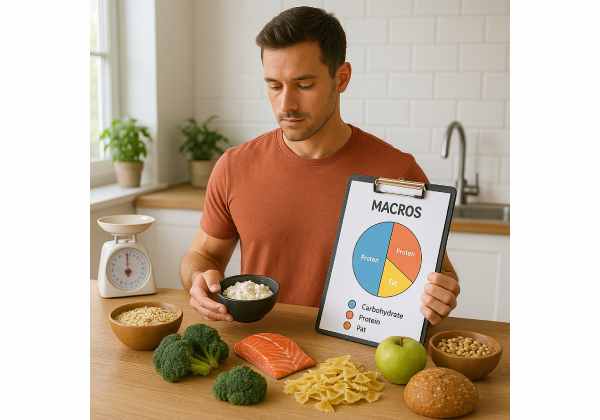
Macro ratios can help with weight loss, but there is no single perfect split of protein, carbs, and fat that works best for everyone. The most effective macro setup is the one that helps you stay in a calorie deficit, keep hunger under control, support training and recovery, and feel realistic enough to follow for more than a week or two.
This guide explains how much macro ratios really matter for fat loss, how to set protein, carbs, and fat in a practical way, which ranges work well for most people, and how to choose a ratio that fits your appetite, lifestyle, and goals.
Table of Contents
- Do Macro Ratios Matter for Weight Loss
- Best Protein Target for Weight Loss
- How Much Fat You Need
- How Many Carbs to Eat
- Macro Ratios That Work in Real Life
- How to Pick the Best Ratio for You
- Meals and Food Choices That Fit Your Macros
Do Macro Ratios Matter for Weight Loss
Macro ratios matter, but not as much as many people think. Fat loss still comes down to spending more energy than you take in over time. That means a calorie deficit is the main driver of weight loss. Macro ratios matter because they influence how easy or hard that deficit feels.
That difference is huge in real life.
A calorie target can be mathematically correct and still be difficult to sustain if your meals leave you hungry, low on energy, or constantly craving snacks. That is where protein, carbs, and fat start to matter. They affect fullness, workout performance, meal satisfaction, recovery, and adherence.
For most people, macros help in four practical ways:
- Protein helps preserve lean mass and makes meals more filling.
- Carbs support training, energy, and meal flexibility.
- Fat supports satisfaction, food enjoyment, and overall diet quality.
- Macro balance helps you build meals that are easier to repeat.
This is why two diets with the same calories can feel very different. One might leave you satisfied and consistent. The other might leave you counting down the hours until your next meal.
It also explains why there is no universal “best” macro ratio. People differ in:
- hunger levels
- food preferences
- activity level
- body size
- dieting history
- training style
- tolerance for lower-carb or lower-fat eating
Someone who lifts four days a week and likes oats, rice, fruit, and potatoes may do better with more carbs. Someone with a lower activity level who feels hungrier on higher-carb meals may prefer a more moderate-carb setup. Both can lose weight if calories are controlled.
A useful starting point is to stop thinking about macro ratios as magic and start thinking about them as tools. Their job is to make a calorie deficit more manageable, not to replace it.
Another important point is that percentages can be misleading when used alone. If calories are low, a seemingly decent protein percentage can still leave you short on actual grams. That is why many people get better results when they set protein first in grams, then decide on fat, then let carbs fill the rest. This works better than chasing a random 40/30/30 split just because it looks structured.
If you are new to tracking, it helps to understand the basics of counting macros for weight loss before worrying about fine-tuning. Precision matters less than consistency at the start. A good macro plan is one you can follow without turning every meal into an argument with your food tracker.
Best Protein Target for Weight Loss
Protein is the most important macro to set well during weight loss. It helps preserve muscle mass, especially if you are resistance training, and it usually improves fullness more than carbs or fats alone. That makes a higher-protein setup one of the most useful nutrition strategies for fat loss.
For many adults trying to lose weight, a practical protein target is roughly:
- 1.2 to 1.6 grams per kilogram of body weight per day as a solid general range
- 1.6 to 2.2 grams per kilogram per day for people who are leaner, more active, dieting aggressively, or especially focused on muscle retention
You do not need to hit the upper end to lose fat. But going too low often makes weight loss harder than it needs to be.
A few signs your protein may be too low:
- meals do not keep you full for long
- you are constantly snacking
- your calorie deficit feels much harder than expected
- gym performance and recovery are slipping
- you build meals mostly around carbs and “healthy” snacks but never feel done eating
This is why protein should usually be set first. It is the macro most closely tied to satiety and lean-mass support, and it is also the one people most commonly under-eat when they start dieting.
Good protein choices include:
- chicken breast or lean chicken thigh
- turkey
- fish and seafood
- eggs and egg whites
- Greek yogurt
- cottage cheese
- tofu and tempeh
- edamame
- lean beef
- beans and lentils, especially when paired with other protein sources
In practice, it often helps to spread protein across the day instead of saving most of it for dinner. Many people feel better when each main meal contains a clear protein source. That might mean something like:
- 25 to 35 grams at breakfast
- 30 to 40 grams at lunch
- 30 to 45 grams at dinner
- smaller protein boosts from snacks if needed
That type of setup is usually easier to follow than trying to cram everything into one meal. It also makes hunger easier to manage.
If you want a more detailed daily target, guidance on protein intake for weight loss can help you calculate a realistic range. People who care a lot about body composition, lifting performance, or protecting muscle while dieting often do especially well with the kind of higher-protein approach discussed in macros for fat loss and muscle retention.
The most useful mindset is simple: protein does not need to dominate every plate, but it should never be an afterthought. When protein is set well, the rest of your macros become much easier to arrange around it.
How Much Fat You Need
Fat is often misunderstood during weight loss. Because it contains more calories per gram than protein or carbs, some people assume lower fat always means faster results. In practice, that is not usually how it works. Fat matters for meal satisfaction, food enjoyment, and diet quality, and cutting it too low can make a diet feel flat, unsatisfying, and hard to stick with.
A practical fat range for most people trying to lose weight is:
- about 20 to 35 percent of total calories
Many people land comfortably around 25 to 30 percent, especially if they prefer balanced meals. Some people do well slightly lower, and others slightly higher, but extremely low-fat diets often feel harder to sustain unless there is a specific reason for them.
Fat sources that work well in a fat-loss diet include:
- olive oil
- avocado
- nuts
- seeds
- salmon and other fatty fish
- egg yolks
- nut butters
- dairy fat in moderate amounts
The benefit of fat is not just nutrition. It also helps meals feel complete. A salad with grilled chicken and no dressing at all may be technically lean, but it often does not satisfy like a salad with a measured amount of olive oil-based dressing, avocado, or feta. The same goes for oatmeal with a spoonful of nut butter, roasted vegetables with some oil, or yogurt with a few nuts.
That said, fats are easy to overshoot because they pack many calories into a small amount. A tablespoon of olive oil or peanut butter is manageable. Several casual pours or scoops can turn a well-planned meal into something much more calorie-dense than intended.
That is why fat is often the macro where “healthy” eating quietly becomes overeating. Common trouble spots include:
- handfuls of nuts that are larger than expected
- “healthy” salads loaded with dressing and toppings
- cooking oils used without measuring
- cheese added generously to several meals
- nut butters used more like a spread than a portioned fat source
The answer is not avoiding fat. It is being deliberate with it.
If your current diet feels overly dry, bland, or snacky, slightly increasing fat can sometimes improve adherence. If your calories are tight and you keep wondering why “clean” meals are not leading to progress, fat portions may need more attention. This is where guidance on how much fat you need for satiety becomes helpful: enough to make meals satisfying, not so much that it crowds out the rest of your calories.
A good rule is to think of fat as a support macro. It improves meals and helps them stick, but it works best when protein is already solid and the rest of the plate still includes produce or structured carbs. Fat should make your diet more sustainable, not more slippery.
How Many Carbs to Eat
Carbs are usually the most flexible macro in a weight-loss plan. Once protein is set and fat is in a reasonable range, carbs often fill the remaining calories. That does not make carbs unimportant. It just means there is more room for personal preference and lifestyle.
A lot of people ask for a single best carb target for fat loss, but there is no universal answer. A good carb intake depends on:
- activity level
- training volume
- step count and general movement
- food preferences
- appetite response
- how much room is left after protein and fat are set
In general:
- More active people often do better with more carbs.
- People who lift, run, or do longer workouts usually appreciate the energy and recovery support carbs provide.
- People who feel hungrier on high-carb meals sometimes do better with more moderate carb intake and a little more fat.
Carb sources that tend to work well during fat loss include:
- potatoes and sweet potatoes
- oats
- rice
- fruit
- beans and lentils
- whole-grain bread or wraps
- whole-grain pasta
- quinoa and similar grains
These foods are easier to fit into a calorie deficit when portions are reasonable and meals still include protein and produce. They are usually more useful than grazing on crackers, sugary cereal, pastries, or snack foods that burn through calories without creating much fullness.
That is also why it helps to think about carb quality and context, not just carb amount. A bowl of oats with fruit and yogurt behaves very differently from a large pastry and sweet coffee. A potato with chicken and vegetables behaves differently from fries and dipping sauce. Carbs are rarely the problem in isolation. The problem is usually the overall meal structure.
A practical carb range for many people in a fat-loss phase often lands somewhere around:
- 30 to 50 percent of calories
That is a wide range on purpose. Someone walking a lot and training regularly may feel excellent at the higher end. Someone with lower activity and stronger satiety from fats may prefer the lower end. Both can work.
For a deeper look, guides on how many carbs per day for weight loss and the best carbs for a calorie deficit are helpful because they focus on foods that support energy without making appetite harder to control.
The big takeaway is that carbs are not something to fear. They are something to place well. When they support training, meal satisfaction, and consistency, they can be a major asset in a weight-loss plan.
Macro Ratios That Work in Real Life
There is no single best macro ratio for weight loss, but there are several setups that work well in practice. The right one depends on how you train, what foods you enjoy, and what makes you feel full enough to stay in a deficit.
The most useful ratio is usually not the most extreme one. It is the one you can follow on workdays, weekends, travel days, and evenings when motivation is low.
| Macro setup | Protein | Carbs | Fat | Who it often suits |
|---|---|---|---|---|
| Balanced higher-protein | 30% | 40% | 30% | Most beginners who want an easy starting point |
| Moderate-carb, higher-fat | 30% | 30% | 40% | People who feel better with richer, lower-carb meals |
| Higher-carb, performance-friendly | 25% | 45% | 30% | More active people who train regularly |
| Higher-protein, lower-carb | 35% | 25% | 40% | People who want strong satiety and simpler meal structure |
A few points matter more than the exact numbers:
- Protein should usually stay relatively high.
- Carb and fat ratios can move up or down based on preference and activity.
- The “best” ratio is the one that helps you stay consistent without feeling deprived.
- Ratios are starting points, not rules.
This is also why people can get good fat-loss results with diets that look different on paper. Some do well on balanced macros. Others prefer moderate-carb. Others like slightly lower-fat eating because it lets them keep more room for carbs. In most cases, what matters is not chasing a trend but matching the ratio to how you actually eat.
A good starting ratio for a lot of people is 30 percent protein, 35 to 40 percent carbs, and 25 to 30 percent fat. It is high enough in protein to support satiety and flexible enough to work with normal meals.
That said, you do not need to obsess over percentages if grams make more sense to you. Many successful plans use this order instead:
- set protein in grams
- set fat at a practical minimum
- let carbs take the rest
That method is often simpler than trying to force every day into a perfect ratio, especially when calories change slightly from day to day.
A macro ratio should make your eating clearer, not more complicated. If it is making every meal harder to build, the ratio may not fit your real life very well.
How to Pick the Best Ratio for You
The best macro ratio for you is the one that balances adherence, fullness, and performance. That sounds obvious, but many people skip that step and choose a ratio based on what sounds impressive instead of what fits their routine.
Start with these questions:
- Do you train hard enough that carbs noticeably help performance?
- Do you feel fuller on higher-protein, slightly lower-carb meals?
- Do lower-fat diets leave you unsatisfied?
- Are you trying to make tracking easier or more precise?
- Do you want flexibility for social eating and normal meals?
Here is a practical way to choose.
Choose a balanced higher-protein setup if:
- you are just starting
- you want a flexible plan
- you do not have strong preferences yet
- you want easier meal building
Choose a slightly higher-carb setup if:
- you are active
- you like fruit, oats, rice, potatoes, and other structured carbs
- performance matters to you
- lower-carb diets feel flat or restrictive
Choose a more moderate-carb or lower-carb setup if:
- you naturally prefer protein, vegetables, and fattier foods
- you feel hungry on high-carb plans
- simpler, fewer-carb meals help you stay consistent
- you are happy giving up some carb flexibility
This is where a step-by-step guide on how to calculate protein, carbs, and fat for weight loss can be useful. It helps translate theory into actual daily numbers.
You also do not need to track forever to benefit from macro thinking. Even people who eventually move away from apps often use a visual structure later on, such as the plate method and portion guide, after they learn what balanced eating looks like.
A smart test period is usually two to four weeks. During that time, pay attention to:
- hunger between meals
- late-night cravings
- workout energy
- recovery
- how easy the plan feels to follow
- whether your calorie target feels sustainable
If weight is not moving and adherence is sloppy, the problem may not be the ratio. It may be calorie tracking, unplanned extras, or a macro setup that looks good on paper but does not match your appetite. If weight is moving but you feel miserable, the ratio may need to shift even if the calories are technically correct.
The goal is not a mathematically elegant split. The goal is a setup that helps you lose fat with as little unnecessary friction as possible.
Meals and Food Choices That Fit Your Macros
Macro planning gets much easier when you stop thinking in numbers alone and start thinking in repeatable meal structures. Most successful fat-loss plans rely on a small group of meals that naturally fit the person’s macro goals rather than daily improvisation.
A macro-friendly meal usually includes:
- a clear protein source
- a carb source that matches the day’s needs
- some produce or fiber
- fat used on purpose, not by accident
Here are simple examples.
Higher-protein breakfast ideas
- Greek yogurt with berries and oats
- eggs, egg whites, and toast
- protein oatmeal with fruit
- cottage cheese bowl with fruit and cereal
- smoothie with protein, fruit, and yogurt
Balanced lunch ideas
- chicken rice bowl with vegetables
- turkey wrap with fruit and yogurt
- tofu stir-fry with rice
- tuna potato salad with vegetables
- lentil soup with added protein on the side
Dinner ideas that fit many macro setups
- salmon, potatoes, and broccoli
- turkey taco bowls
- shrimp stir-fry with rice
- lean beef and roasted vegetables
- chicken pasta with a measured sauce and side salad
Snack ideas
- Greek yogurt
- fruit and cottage cheese
- protein shake with fruit
- edamame
- hard-boiled eggs
- measured nuts with a protein source
The easiest way to make your macros work is often to choose meals that are already close to your targets instead of forcing random meals to fit after the fact. That is why many people do well with collections of macro-friendly meals for weight loss or simple high-protein, low-calorie meals that reduce guesswork.
A few practical tips help even more:
- Build meals around protein first.
- Use carbs intentionally, not casually.
- Measure calorie-dense fats for a while if progress is inconsistent.
- Keep high-protein staples on hand so your plan does not collapse on busy days.
- Repeat meals that work instead of constantly chasing novelty.
You should also allow your macros to support real life. If dinner is your hungriest meal, push more calories and carbs there. If you train in the morning, front-load more carbs around breakfast or lunch. If evenings are your hardest time, leave room for a planned dessert or snack instead of hoping discipline will carry you through.
Macro planning works best when it feels like a practical system, not a rigid rulebook. The right meals make your targets easier to hit almost automatically, and that is usually what leads to the best long-term results.
References
- European Association for the Study of Obesity Position Statement on Medical Nutrition Therapy for the Management of Overweight and Obesity in Adults Developed in Collaboration with the European Federation of the Associations of Dietitians 2023 (Position Statement)
- Obesity in Adults: A 2022 Adapted Clinical Practice Guideline for Ireland 2022 (Guideline)
- Enhanced protein intake on maintaining muscle mass, strength, and physical function in adults with overweight/obesity: A systematic review and meta-analysis 2024 (Systematic Review and Meta-Analysis)
- Effects of low-carbohydrate diets versus low-fat diets on metabolic risk factors in overweight and obese adults: A meta-analysis of randomized controlled trials 2022 (Meta-Analysis)
- Are Dietary Proteins the Key to Successful Body Weight Management? A Systematic Review and Meta-Analysis of Studies Assessing Body Weight Outcomes after Interventions with Increased Dietary Protein 2021 (Systematic Review and Meta-Analysis)
Disclaimer
This article is for general educational purposes only. Macro targets for weight loss should be adjusted to your medical history, medications, activity level, body size, and nutrition needs, so this information is not a substitute for professional medical advice, diagnosis, or treatment.
If this article helped you, share it on Facebook, X, or any other platform where it could help someone build a more effective and sustainable fat-loss plan.