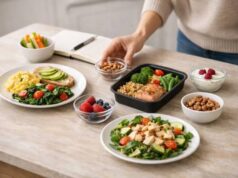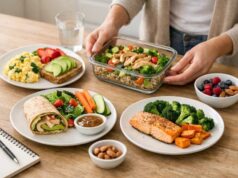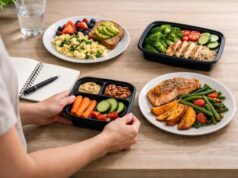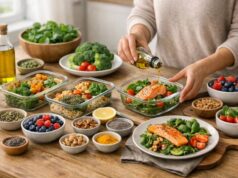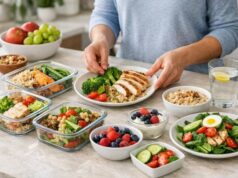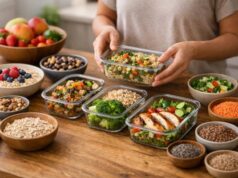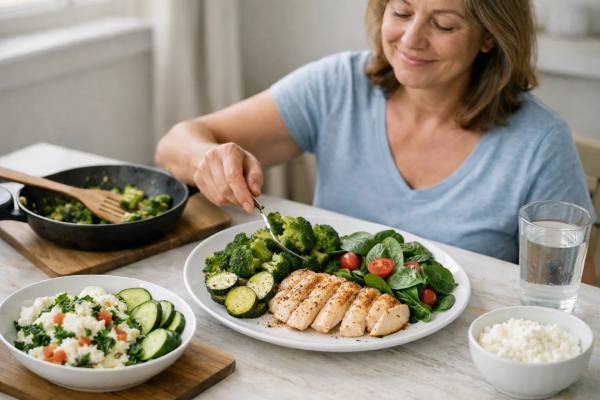
High-protein, low-calorie meals can make weight loss feel much more manageable because they tackle the two problems that derail most diets: hunger and inconsistency. When a meal gives you enough protein, plenty of volume, and reasonable calories, you are less likely to spend the next two hours thinking about snacks.
The goal is not to eat tiny portions or “diet food.” It is to build meals that deliver strong satiety for the calories you spend. Below, you will find a practical meal formula, the best ingredients to keep on hand, easy breakfast, lunch, and dinner recipes, a simple 3-day example, and the prep strategies that make this style of eating easier to stick with.
Table of Contents
- Why these meals work
- Build a filling meal
- Best ingredients to stock
- Easy recipes for every meal
- A simple 3-day example
- Meal prep that stays realistic
- Mistakes that reduce fullness
Why these meals work
A high-protein, low-calorie meal is not just a meal with chicken in it. It is a meal that gives you a meaningful amount of protein while keeping total calories moderate and food volume high enough to feel satisfying. For many adults trying to lose weight, that usually means meals in the rough range of 300 to 500 calories with about 25 to 40 grams of protein, though the right number depends on body size, activity, and total daily intake.
Protein matters because it is typically the most filling macronutrient. It also helps protect lean mass while you lose body fat, which matters for both strength and long-term metabolic health. That does not mean every meal has to be massive or centered on expensive meat. Greek yogurt, cottage cheese, eggs, tofu, edamame, tuna, shrimp, chicken breast, turkey, and high-protein legumes all work.
Low-calorie matters too, but this is where many people get the idea wrong. A useful “low-calorie” meal is not a sad plate of plain vegetables. It is a meal with lower energy density, meaning you get more food volume for fewer calories. Think broth-based soups, chopped salads with lean protein, stir-fries with lots of vegetables, burrito bowls built around cauliflower rice and beans, or yogurt bowls loaded with berries.
| Meal trait | Why it helps | What it looks like in practice |
|---|---|---|
| Higher protein | Supports satiety and helps preserve lean mass | Chicken, Greek yogurt, eggs, shrimp, tofu, cottage cheese, tuna |
| High volume | Lets you eat a bigger plate for fewer calories | Leafy greens, broccoli, zucchini, mushrooms, cauliflower, soups |
| Some fiber | Slows the meal down and improves staying power | Beans, berries, oats, vegetables, potatoes, whole grains |
| Controlled fats | Keeps calories reasonable without making food bland | Measure oils, cheese, dressings, nut butters, and sauces |
This combination is why certain meals work better than others. A pastry and sweet coffee may be similar in calories to a turkey egg wrap, but the wrap usually keeps you full much longer. A big salad can fail if it is all lettuce and almost no protein. A grain bowl can fail if it quietly becomes a 900-calorie lunch because of oil, avocado, cheese, and oversized portions.
The sweet spot is a meal that feels generous, tastes good, and still fits your calorie deficit without requiring constant willpower. That is the real advantage of high-protein, low-calorie meals: they make the easier choice the more satisfying one.
Build a filling meal
The simplest way to build a meal for weight loss is to stop thinking in terms of “good foods” and “bad foods” and start thinking in terms of structure. A filling meal usually has four parts: a protein anchor, a high-volume produce base, a smart carb portion, and a small amount of fat for flavor.
If you are unsure where to start, learning your usual protein target per meal can make planning much easier. A more detailed breakdown is covered in protein targets per meal for weight loss, but the practical takeaway is simple: build meals so protein is obvious, not accidental.
A useful formula looks like this:
- Start with protein first.
Pick one clear protein source and make sure it is the main event. Examples: 4 to 6 ounces of chicken or fish, 1 can of tuna, 200 grams of Greek yogurt, 1 cup of cottage cheese, 150 to 200 grams of tofu, or a mix like eggs plus egg whites. - Add a large volume of produce.
Use vegetables, fruit, or both to make the meal physically bigger. This is what keeps “low calorie” from feeling skimpy. Big chopped salads, sautéed vegetables, soups, slaws, roasted trays, and stir-fry mixes work especially well. - Include a carb that matches your appetite and activity.
Carbs are not the enemy of fat loss. A moderate portion of potatoes, oats, rice, fruit, beans, or whole-grain wraps often makes a meal more satisfying and easier to stick with. The key is choosing the portion on purpose instead of letting it take over the plate. - Use fats strategically.
Fat adds flavor and staying power, but it is calorie-dense. A teaspoon or two of oil, a measured sprinkle of cheese, a spoon of pesto, or a quarter avocado can make a meal taste complete without doubling the calories.
Here is a practical way to picture it: half the plate is vegetables or fruit, a quarter is lean protein, and the remaining quarter is a carb or mixed starch-and-fiber food such as beans or potatoes. That basic pattern is close to the same logic used in building a high-protein plate for weight loss.
A few simple rules make this even more effective:
- Keep at least one “default meal” for breakfast and one for lunch.
- Use frozen vegetables and pre-cooked proteins when time is tight.
- Measure calorie-dense extras until your eyeballing gets better.
- Do not fear repetition. Repeating a few dependable meals reduces decision fatigue.
- Make the meal tasty enough to want again tomorrow.
The biggest shift is this: build meals around fullness, not just calorie minimization. Very low-calorie meals often backfire because they look fine on paper but lead to cravings, grazing, and overeating later. A meal that lands 80 calories higher but prevents a 400-calorie snack attack is usually the better trade.
Best ingredients to stock
You do not need a complicated shopping list to make satisfying meals. A short list of versatile staples is enough. If you keep a few lean proteins, convenient vegetables, and simple flavor boosters on hand, you can build dozens of meals in minutes. A more complete version is covered in this high-protein grocery list for weight loss, but these are the highest-value basics.
Lean protein staples
These give you the most protein for the fewest calories:
- Chicken breast or chicken tenderloins
- Extra-lean ground turkey
- Shrimp
- White fish or salmon portions
- Tuna packets or canned tuna
- Eggs and liquid egg whites
- Nonfat Greek yogurt
- Low-fat cottage cheese
- Tofu, tempeh, and shelled edamame
- Protein pasta or higher-protein wraps, if you use packaged convenience foods
High-volume produce
This is the part that makes meals feel large and satisfying:
- Salad kits with dressing used lightly
- Spinach, romaine, slaw mix, spring mix
- Cucumbers, tomatoes, bell peppers, carrots
- Broccoli, cauliflower rice, green beans, zucchini
- Mushrooms, onions, cabbage
- Frozen stir-fry blends
- Berries, apples, oranges, grapes
- Soup vegetables such as celery, carrots, and onion
If you want to make low-calorie meals feel more substantial, vegetables do most of the heavy lifting. These vegetables that work well for weight loss are especially useful because they add bulk, texture, and fiber without using up many calories.
Smart carbs that improve staying power
Carbs are often what turn a meal from “healthy” into actually satisfying:
- Oats
- Potatoes or baby potatoes
- Rice or microwave rice cups
- Quinoa
- Beans, lentils, and chickpeas
- Fruit
- Whole-grain tortillas or wraps
Beans and potatoes deserve special mention. They are often more filling than people expect, and they pair especially well with lean protein in bowls, soups, and skillet meals.
Low-calorie flavor boosters
This category matters more than people think. Food that tastes good is easier to repeat.
- Salsa
- Mustard
- Hot sauce
- Soy sauce or reduced-sodium tamari
- Lemon juice and vinegars
- Greek yogurt-based dressings
- Fresh herbs
- Taco seasoning, garlic, smoked paprika, curry paste
- Marinara
- Pickled onions or jalapeños
A fridge full of low-effort flavor is often the difference between sticking to your plan and ordering takeout. Stock ingredients that let you change the taste profile quickly: one meal can become taco-style, Mediterranean, curry, buffalo, or teriyaki with almost no extra work.
Easy recipes for every meal
The best weight-loss meals are not necessarily the fanciest ones. They are the meals you can make on a tired Tuesday without negotiating with yourself. Many of the ideas below are fast enough to fit right alongside other 15-minute meals for weight loss, and several work just as well for meal prep.
Calories and protein are approximate and will vary by brand and portion size.
1. Greek yogurt berry crunch bowl
Approximate nutrition: 320 calories, 30 grams protein
Stir 1 cup nonfat Greek yogurt with cinnamon and a splash of vanilla. Top with 1 cup berries, 2 tablespoons chia seeds or hemp seeds, and a small handful of high-fiber cereal or crushed high-protein granola.
This works because it combines protein, fruit volume, and just enough crunch to feel like a real breakfast instead of a backup snack.
2. Turkey egg white breakfast wrap
Approximate nutrition: 340 calories, 33 grams protein
Scramble 1 whole egg with 150 grams egg whites, spinach, and diced peppers. Add 2 ounces lean turkey slices or cooked turkey sausage and wrap everything in a small high-fiber tortilla. Serve with salsa.
This is a strong option for people who need breakfast to hold them through a busy morning.
3. Cottage cheese oats with apple and cinnamon
Approximate nutrition: 360 calories, 28 grams protein
Cook oats with water, then stir in cottage cheese once the oats are warm but not boiling. Add diced apple, cinnamon, and a pinch of salt. For extra sweetness, use a little mashed banana or a calorie-free sweetener.
It sounds unusual if you have never tried it, but it turns plain oats into a much more filling meal.
4. Chicken chopped salad bowl
Approximate nutrition: 410 calories, 40 grams protein
Combine chopped romaine, cucumber, cherry tomatoes, shredded carrots, and red onion with 4 to 5 ounces cooked chicken breast. Add 1 to 2 tablespoons light dressing, a spoon of hummus, and a few crushed pita chips or chickpeas for texture.
The trick here is chopping everything finely so the meal eats more like a bowl than a pile of leaves.
5. Tuna and white bean lemon bowl
Approximate nutrition: 390 calories, 35 grams protein
Mix 1 can tuna with 1/2 cup white beans, chopped celery, cucumber, parsley, lemon juice, mustard, black pepper, and a spoon of Greek yogurt. Serve over greens or with sliced tomatoes.
This meal is cheap, portable, and surprisingly satisfying because it combines lean protein with fiber-rich beans.
6. Shrimp cauliflower fried rice
Approximate nutrition: 370 calories, 34 grams protein
Sauté shrimp with garlic, ginger, peas, carrots, and cauliflower rice. Push everything to one side, scramble in 1 egg or egg whites, then mix together with soy sauce and scallions.
This is one of the easiest ways to get the feel of takeout while keeping calories controlled.
7. Turkey taco skillet
Approximate nutrition: 430 calories, 38 grams protein
Brown extra-lean ground turkey with onion, taco seasoning, black beans, zucchini, and salsa. Serve in a bowl with shredded lettuce, chopped tomatoes, and a measured spoon of Greek yogurt instead of sour cream.
If you want more volume without many more calories, mix regular rice with cauliflower rice or skip the rice entirely.
8. Tofu and edamame stir-fry
Approximate nutrition: 400 calories, 30 grams protein
Pan-sear extra-firm tofu cubes until golden, then toss with shelled edamame, broccoli, mushrooms, and a light teriyaki-style sauce. Serve over cauliflower rice or a small portion of jasmine rice.
This is one of the better plant-based meals for fullness because both tofu and edamame contribute meaningful protein.
9. Salsa verde chicken soup
Approximate nutrition: 330 calories, 36 grams protein
Simmer shredded chicken breast with broth, salsa verde, white beans, onion, zucchini, and cumin. Finish with cilantro and lime. Add a few crushed tortilla strips if you want crunch.
Soup is underrated for weight loss because the volume is high, the calorie density stays low, and it slows down how fast you eat.
10. Sheet-pan salmon and green beans
Approximate nutrition: 450 calories, 32 grams protein
Roast a salmon fillet with green beans and baby potatoes. Use lemon, garlic, Dijon mustard, and herbs for flavor. Keep the oil measured rather than free-poured.
This is a slightly higher-calorie dinner than the others, but it is still very reasonable and often more satisfying than an ultra-lean meal.
For evenings when you want more variety, it helps to rotate a few dependable low-calorie dinners that still feel satisfying rather than trying to invent something new every night.
A simple 3-day example
Seeing the meals in a daily rhythm often makes the concept easier to use. Here is a simple 3-day example that keeps calories moderate and protein consistently strong without feeling extreme.
| Day | Breakfast | Lunch | Dinner | Snack |
|---|---|---|---|---|
| 1 | Greek yogurt berry crunch bowl | Chicken chopped salad bowl | Turkey taco skillet | Apple with 1/2 cup cottage cheese |
| 2 | Turkey egg white breakfast wrap | Tuna and white bean lemon bowl | Shrimp cauliflower fried rice | Protein pudding or Greek yogurt |
| 3 | Cottage cheese oats with apple and cinnamon | Salsa verde chicken soup | Sheet-pan salmon and green beans | Berries and a cheese stick or edamame |
This kind of structure works well because the meals are different enough to avoid boredom, but similar enough to prep efficiently. Breakfast repeats a familiar pattern, lunch stays portable, and dinner gives you a warm meal with substantial protein.
If you want a longer version, a more structured 7-day high-protein meal plan can help. If fullness is your main struggle, pairing protein with more fiber often works even better, which is why some people do well with a high-protein, high-fiber meal plan rather than protein alone.
Meal prep that stays realistic
Meal prep helps most when it reduces friction, not when it turns Sunday into a second job. You do not need 21 identical containers lined up in the fridge. Usually, the most sustainable version is “component prep”: cook a few proteins, wash and chop produce, make one starch, and keep a couple of sauces ready.
A simple prep session might include:
- roasting or grilling chicken breast
- browning extra-lean ground turkey
- cooking a pot of potatoes, rice, or quinoa
- washing salad greens and chopping crunchy vegetables
- mixing a yogurt-based dressing
- portioning Greek yogurt, berries, or cottage cheese for fast snacks
That gives you enough building blocks to make bowls, salads, wraps, soups, and skillets with very little effort. If you want a step-by-step system, this one-hour weekend meal prep plan is a good model for how to batch the basics without overcomplicating things.
A few meal-prep rules make a big difference:
- Prep proteins in neutral flavors so they fit multiple meals.
- Keep sauces separate so food stays fresh.
- Freeze part of what you make if you get bored easily.
- Use convenience items on purpose: rotisserie chicken, frozen vegetables, microwave grains, and salad kits can absolutely fit a fat-loss plan.
- Prep lunches first if your workday is where choices tend to go off track.
For many people, lunch is the meal most likely to become random, rushed, or restaurant-based. That is why packable ideas such as these high-protein lunch meal prep options are often more useful than elaborate dinner prep.
The best prep plan is the one that makes your default choice decent. You do not need perfect food in every container. You need enough ready-to-eat structure that “I have nothing healthy here” stops being true.
Mistakes that reduce fullness
Many meals look healthy but fail the satiety test. A few common mistakes explain why.
Too little protein
A salad with 11 grams of protein or a smoothie built mostly from fruit will often leave you hungry fast. Protein should be easy to identify in the meal. If you have to ask where it is, there is probably not enough.
Not enough food volume
A tiny meal can be technically low-calorie and still be a bad weight-loss meal because it does not keep you satisfied. This is where vegetables, broth-based soups, fruit, potatoes, and other high-volume, low-calorie foods become extremely useful.
Hidden calories in oils and extras
The olive oil “splash,” the handful of cheese, the nut butter spoon, and the heavy dressing can quietly turn a sensible meal into a calorie bomb. Measure calorie-dense extras when you can. You do not need to be obsessive, just accurate enough that your meal still matches your goal.
Overcorrecting by cutting carbs too hard
Some people try to make every meal almost pure protein and vegetables, then wonder why cravings show up later. A moderate serving of oats, beans, fruit, potatoes, or rice often improves satisfaction and adherence. The better question is not whether to eat carbs, but which carbs work best in a calorie deficit and how much you personally need.
Relying on snacks instead of meals
High-protein snacks are useful, but they should support meals rather than replace them all day long. Most people get better fullness from three structured meals and one planned snack than from constant grazing on “healthy” small items.
Making food too boring
Plain chicken and steamed broccoli may look disciplined, but boredom can be a real adherence problem. Use spice blends, crunchy toppings, acidity, herbs, salsa, and different cooking methods. The meal does not need to taste like punishment to work.
The best weight-loss meals are satisfying enough to repeat and flexible enough to live with. If you keep that standard, you will make much better choices than if you chase the lowest possible calorie number on every plate.
References
- Dietary Guidelines for Americans, 2020-2025 – Executive Summary in English 2020 (Guideline)
- Are Dietary Proteins the Key to Successful Body Weight Management? A Systematic Review and Meta-Analysis of Studies Assessing Body Weight Outcomes after Interventions with Increased Dietary Protein 2021 (Systematic Review and Meta-Analysis)
- Enhanced protein intake on maintaining muscle mass, strength, and physical function in adults with overweight/obesity: A systematic review and meta-analysis 2024 (Systematic Review and Meta-Analysis)
- A dairy-based, protein-rich breakfast enhances satiety and cognitive concentration before lunch in overweight to obese young females: A randomized controlled crossover study 2024 (RCT)
- Protein, fiber, and exercise: a narrative review of their roles in weight management and cardiometabolic health 2025 (Review)
Disclaimer
This article is for general educational purposes only. Nutrition needs, calorie targets, and protein needs vary by person, especially if you have kidney disease, diabetes, a history of disordered eating, are pregnant, or take weight-loss medications, so use a qualified clinician or dietitian for personal advice.
If this article helped, share it on Facebook, X (formerly Twitter), or your preferred platform so someone else can use it too.