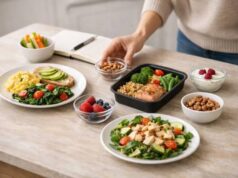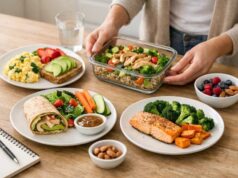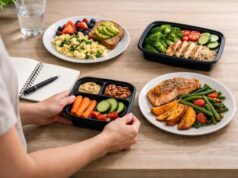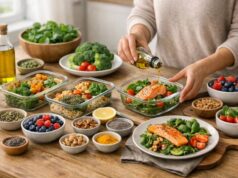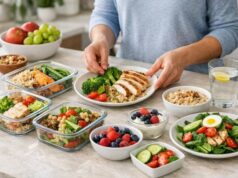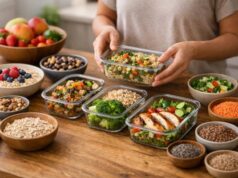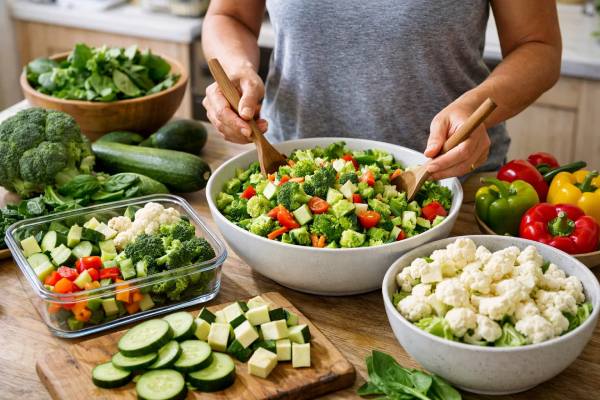
Vegetables are some of the most useful foods in a calorie deficit, but not because they are “free foods” or because eating salad magically causes fat loss. The best vegetables for weight loss help in a more practical way: they add volume, fiber, texture, and meal size without pushing calories up too quickly.
That matters when you are trying to lose weight without feeling like every portion is tiny. Some vegetables are especially good for fullness, some work better for meal prep, and some are underrated because they taste better cooked than raw. This article breaks down which vegetables are most helpful, how to use them in real meals, which mistakes make them less effective, and how to turn low-calorie produce into food that actually keeps you satisfied.
Table of Contents
- Why vegetables help with weight loss
- What makes a vegetable good for a calorie deficit
- Best vegetables for weight loss
- Raw, frozen, and cooked vegetables
- How to make vegetables more filling
- Mistakes that make vegetables less useful
- Easy ways to eat more vegetables
Why vegetables help with weight loss
Vegetables help with weight loss because they make it easier to eat a satisfying amount of food while keeping total calories under control. Most non-starchy vegetables are high in water and relatively low in energy density, which means they take up a lot of plate space and stomach space for comparatively few calories.
That does not mean vegetables alone are enough. A bowl of plain lettuce is not a fat-loss strategy. But vegetables become extremely useful when they replace more calorie-dense parts of a meal or when they increase meal volume without requiring much extra energy intake.
This is the real advantage. People usually do not struggle with weight loss because they do not know broccoli is healthy. They struggle because a calorie deficit can feel physically and mentally small. Vegetables help fix that by making meals look and feel bigger. A stir-fry with peppers, mushrooms, onions, and zucchini is more substantial than a small serving of rice and chicken alone. A taco bowl with shredded lettuce, tomatoes, salsa, and cauliflower rice feels more generous than one built mostly from chips, cheese, and sour cream.
Vegetables also improve diet quality in ways that matter indirectly. Meals that include more vegetables often crowd out refined snack foods, oversized starch portions, and high-calorie add-ons. They can improve fiber intake, reduce boredom through texture and color, and make your plate feel more balanced. That is why vegetables are often central to eating patterns like higher-volume eating and broader guides on what to eat in a calorie deficit.
Another practical reason vegetables help is flexibility. You can use them in breakfasts, lunches, dinners, soups, skillets, wraps, snack plates, bowls, and meal prep containers. Some work best raw, some roast well, some sauté well, and some disappear easily into mixed dishes. That makes them easier to repeat across the week, which matters far more than finding one “perfect” superfood.
The bigger point is simple: vegetables do not cause fat loss by themselves, but they are one of the best tools for making fat loss feel more manageable.
What makes a vegetable good for a calorie deficit
Not every vegetable is equally helpful in every situation, even though nearly all vegetables can fit into a weight-loss plan. The best vegetables for weight loss usually share a few practical traits: they are low in calories for their size, easy to eat in meaningful portions, and versatile enough to show up often without becoming miserable.
Four qualities matter most.
1. High volume for relatively few calories
Vegetables like lettuce, cucumbers, zucchini, mushrooms, cauliflower, broccoli, green beans, and bell peppers give you a lot of food volume for very modest calories. That makes them especially useful when you want bigger meals without constantly pushing your energy intake up.
2. Good fiber and water content
Fiber helps, but fiber is not the whole story. Water content matters too. Vegetables that are bulky and water-rich can make a meal feel larger and more satisfying. That is one reason soups, salads, and vegetable-heavy stir-fries often feel more filling than their calorie totals suggest.
3. Real meal usefulness
A vegetable is more helpful if you will actually use it. Spinach that rots in the fridge is less useful than frozen broccoli you reliably heat up three times a week. The best vegetable is often the one that fits your actual routine, not the one with the most impressive nutrition label.
4. Taste after cooking
Some vegetables become much easier to eat consistently when they are roasted, grilled, air-fried, sautéed, or added to soups and sauces. People who think they “hate vegetables” often hate under-seasoned or badly cooked vegetables.
Here is a practical way to judge a vegetable for fat-loss use:
| Helpful trait | Why it matters | Examples |
|---|---|---|
| High food volume | Makes meals feel larger without many calories | Lettuce, cucumber, zucchini, mushrooms |
| Good fiber and texture | Can improve fullness and slow eating | Broccoli, Brussels sprouts, carrots, green beans |
| Easy to meal prep | Improves consistency during busy weeks | Frozen mixed vegetables, cauliflower, peppers |
| Works in many meals | Reduces boredom and increases repeat use | Spinach, onions, peppers, tomatoes |
This is also why vegetables pair so well with protein-focused meals. A plate of lean protein plus vegetables is often much more satisfying than a smaller, denser meal that relies on fats and refined carbs for most of its calories. If that is your main goal, a guide on building a high-protein plate fits naturally with choosing vegetables well.
Best vegetables for weight loss
There is no single best vegetable, but some are especially useful because they combine low calories, high volume, good texture, and broad meal versatility.
Leafy greens
Spinach, romaine, spring mix, kale, arugula, and shredded cabbage are excellent because they add a lot of volume for very few calories. They work well in salads, wraps, omelets, soups, and stir-fries. Greens are especially helpful when you want to increase meal size fast.
Broccoli and cauliflower
These are two of the best all-purpose vegetables for weight loss. They roast well, steam well, work in stir-fries, and can replace part of a starch-heavy meal. Cauliflower rice is not identical to rice, but it can help increase volume in bowls and skillet meals. Broccoli is especially useful because it feels like a substantial side dish rather than just garnish.
Zucchini
Zucchini is underrated because it takes on flavors well and cooks quickly. It can be sautéed, roasted, grilled, air-fried, or mixed into pasta dishes, egg dishes, and grain bowls. It is one of the easiest vegetables to add without changing the identity of the meal too much.
Mushrooms
Mushrooms are excellent for weight loss meals because they add chewiness and umami. That makes lower-calorie meals feel more satisfying. They work particularly well in scrambles, burgers, tacos, stir-fries, and meat sauces.
Bell peppers and onions
These are not usually treated as “weight-loss vegetables,” but they should be. They make ordinary meals taste better, which is a major advantage in a calorie deficit. Peppers and onions add sweetness, aroma, and bulk to dishes like fajita bowls, omelets, soups, chili, and skillet meals.
Green beans and asparagus
These are strong side-dish vegetables because they feel like real dinner foods, not just salad material. That matters for adherence. Roasted green beans or asparagus alongside protein and potatoes make a plate feel complete.
Carrots
Carrots are slightly higher in carbs than some non-starchy vegetables, but they are still very helpful. They are crunchy, portable, and work as both a snack and a cooked side. They also pair well with lower-calorie dips and soups.
Cabbage and slaw mixes
Cabbage is one of the most useful vegetables for meal volume. It is affordable, lasts well in the fridge, and works raw or cooked. It can bulk up stir-fries, taco bowls, soups, and salads, and it brings more crunch than delicate greens.
Tomatoes and cucumbers
These are especially useful for freshness and meal expansion. They do not usually create deep satiety on their own, but they help make plates larger and more satisfying, especially in lunches and snack plates.
Brussels sprouts
These are more calorie-dense than leafy greens but still very helpful because they are fiber-rich, hearty, and genuinely satisfying when roasted well. They often work better for dinner than lighter salad vegetables.
| Vegetable | Main advantage | Best use |
|---|---|---|
| Leafy greens | Huge volume for few calories | Salads, wraps, bowls, omelets |
| Broccoli | Very filling side dish | Dinner plates, stir-fries, meal prep |
| Cauliflower | Works as a volume booster | Roasting, mash, rice swaps |
| Zucchini | Easy to add to many meals | Skillets, pasta dishes, roasting |
| Mushrooms | Adds chew and savory depth | Eggs, tacos, burgers, sauces |
| Cabbage | Cheap, crunchy, long-lasting | Slaws, stir-fries, bowls, soups |
| Green beans | Strong dinner side option | Roasted or steamed plates |
A useful complement here is fruit. Vegetables usually do more for meal volume, while fruit often helps with sweet cravings and snack satisfaction. That is one reason guides on fruit choices for weight loss and vegetables work well together.
Raw, frozen, and cooked vegetables
One of the most common mistakes people make is assuming that fresh raw vegetables are always the best option. For weight loss, that is often not true. The most useful form is the one you will actually eat consistently.
Raw vegetables
Raw vegetables can be excellent when you want crunch, freshness, and easy snack volume. Cucumbers, carrots, bell peppers, tomatoes, celery, and lettuce-based salads all work well here. Raw vegetables are especially useful for lunches, snack plates, and quick no-cook meals.
The limitation is that raw vegetables do not always feel satisfying enough for dinner, especially in colder weather or when cravings lean toward hot foods.
Frozen vegetables
Frozen vegetables are one of the best weight-loss tools people underuse. They are convenient, often cheaper than fresh, and reduce waste. Frozen broccoli, cauliflower, green beans, spinach, peppers, and mixed vegetables can make it much easier to add volume to weeknight meals.
They also help remove the “I had no produce ready” excuse. That makes them ideal for busy people and meal-prep routines. If convenience matters a lot in your routine, better frozen staples for weight loss can help build a more reliable kitchen setup.
Cooked vegetables
Cooked vegetables often win for satisfaction. Roasting, air-frying, grilling, steaming, or sautéing can improve texture and flavor enough that people eat more vegetables without feeling like they are forcing it.
This matters because the best vegetable strategy is not the most virtuous one. It is the most repeatable one. Roasted Brussels sprouts, sautéed mushrooms, and seasoned broccoli often beat plain raw vegetables simply because people enjoy them more.
Which is best?
The answer is usually a mix:
- raw for crunch and convenience
- frozen for speed and backup
- cooked for satisfaction and dinner volume
A practical weekly setup is to keep at least one of each:
- one salad or raw snack option
- one frozen vegetable for emergencies
- one vegetable you genuinely like cooked well
That combination reduces friction and increases the odds that vegetables actually show up across the week instead of just in theory.
How to make vegetables more filling
Vegetables are helpful, but vegetables alone do not guarantee satiety. A pile of lettuce with little protein and almost no structure may leave you hungry quickly. The trick is to use vegetables as part of a more complete meal.
Pair vegetables with protein
This is the most important step. Vegetables become much more effective when they support a protein-centered plate. Chicken with roasted broccoli, salmon with asparagus, tofu with stir-fried cabbage, eggs with spinach and mushrooms, or Greek yogurt dip with crunchy vegetables all work better than vegetables floating on their own.
That is why so many effective meals combine volume foods with protein rather than relying on “light eating” alone. A list of high-protein, low-calorie meals can make this easier to apply.
Use vegetables to expand meals, not just garnish them
A tablespoon of diced tomato does not meaningfully change fullness. A whole cup of roasted zucchini or broccoli does. Think in real portions. For many meals, 1 to 3 cups of vegetables is more useful than a decorative handful.
Add flavor without drowning them
Vegetables become far more satisfying when seasoned well. Use:
- garlic
- onion
- black pepper
- chili flakes
- lemon
- vinegar
- mustard
- salsa
- herbs
- lower-calorie sauces in measured amounts
Flavor helps adherence. The goal is not to make vegetables plain. The goal is to make them taste good without turning them into a vehicle for heavy cream, cheese, butter, or oil.
Choose the right texture for the meal
A crunchy slaw works better in tacos than steamed spinach. Roasted carrots work better next to chicken than watery cucumbers. Vegetables feel more filling when their texture fits the meal rather than fighting it.
Use vegetables with smart carbs, not instead of all carbs
Some people try to replace all starches with vegetables, then feel unsatisfied and rebound later. Often the better move is to combine vegetables with a moderate carb portion. Broccoli plus potatoes, fajita vegetables plus rice, or zucchini plus pasta in a controlled serving often works better than trying to make vegetables do everything.
This approach fits especially well with better carb choices in a calorie deficit and helps meals feel balanced instead of overly restrictive.
Mistakes that make vegetables less useful
Vegetables can support weight loss, but a few common mistakes make them much less effective.
Mistake 1: Treating vegetables as unlimited no matter what
Plain vegetables are low in calories. Vegetables cooked in large amounts of oil, butter, creamy sauces, breading, or cheese can become much more calorie-dense. That does not make them “bad,” but it changes the math.
Mistake 2: Relying on salads that are not satisfying
A weak salad is one of the fastest ways to feel deprived. A good salad needs structure: protein, volume, texture, and controlled toppings. Without that, many people end up snacking later because lunch never really landed.
Mistake 3: Choosing only vegetables you tolerate raw
If you only buy vegetables that seem virtuous but not enjoyable, you will eventually stop eating them. Roasted cauliflower, grilled asparagus, sautéed mushrooms, or air-fried green beans may work much better for you than another cold side salad.
Mistake 4: Forgetting convenience
People often buy ambitious produce and then throw it out. Weight loss improves when your vegetable plan matches your life. That may mean bagged slaw, frozen broccoli, pre-cut peppers, or microwave steam bags. Convenience is not cheating. It is often what keeps the habit alive.
Mistake 5: Adding vegetables instead of substituting with them
If you add vegetables on top of a meal without adjusting anything else, total calories can still climb. Often the better move is to replace part of the rice, pasta, cheese, chips, or fatty protein with vegetables so the meal stays satisfying but lighter overall.
Mistake 6: Expecting vegetables to fix poor meal structure
Vegetables help, but they cannot rescue a day built around low protein, random snacking, sugary drinks, and constant grazing. If progress is slow, it may be more useful to examine the full pattern. These common diet mistakes that stall fat loss are often more important than whether you chose green beans or zucchini.
Easy ways to eat more vegetables
The easiest way to eat more vegetables is not to rely on motivation. It is to build them into meals you already eat.
Use one vegetable upgrade per meal
Instead of trying to transform everything at once, add one practical move:
- spinach in eggs
- peppers and onions in tacos
- broccoli with dinner
- slaw in wraps
- cucumbers and tomatoes with lunch
- frozen vegetables in rice bowls
- mushrooms in pasta sauce
That approach is easier to repeat than chasing perfect “clean eating.”
Keep a few default vegetables on hand
A simple rotation works well:
- one raw crunch option, such as cucumbers or carrots
- one frozen backup, such as broccoli or mixed vegetables
- one dinner vegetable you actually enjoy cooked, such as green beans or zucchini
- one salad or slaw base
That setup makes healthy choices easier when you are tired, which matters much more than buying niche produce once in a while. It also pairs well with a beginner-friendly grocery list and simple meal planning.
Build bigger bowls and plates
Vegetables work especially well in:
- stir-fries
- soups
- sheet-pan dinners
- omelets
- taco bowls
- chopped salads
- pasta dishes with mixed vegetables
- wraps and sandwiches
- grain bowls
Let vegetables improve convenience, not just nutrition
Pre-chopped vegetables, microwave steam bags, frozen blends, bagged salads, and slaw mixes can all help. The point is to reduce decision fatigue and prep friction so vegetables are ready when you are hungry.
Start where satisfaction is easiest
For most people, the easiest wins are:
- a vegetable-heavy dinner side
- a lunch salad or bowl that actually contains protein
- a raw vegetable snack paired with dip or protein
- a vegetable addition to breakfast
Once vegetables become normal parts of familiar meals, eating more of them stops feeling like a project.
References
- Healthy Habits: Fruits and Vegetables to Manage Weight 2025 (Official Guidance)
- Tips for Healthy Eating for a Healthy Weight 2025 (Official Guidance)
- The role of dietary fibers in regulating appetite, an overview 2024 (Review)
- Effect of Fruit and Vegetable Consumption on Human Health 2024 (Review)
- Dietary Guidelines for Americans 2025 (Guideline)
Disclaimer
This article is for general educational purposes only and is not a substitute for professional medical advice, diagnosis, or treatment. If you have digestive disease, kidney disease, diabetes, food intolerances, or a medical condition that affects your diet, get personalized advice from your clinician or a registered dietitian before making major nutrition changes.
If this article helped, please share it on Facebook, X, or your preferred platform so others can use it to build more filling, sustainable meals.