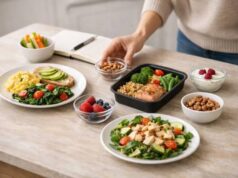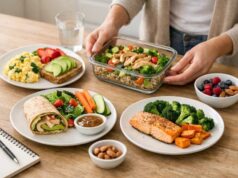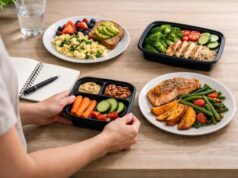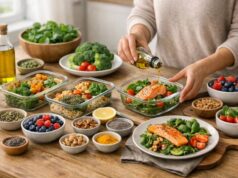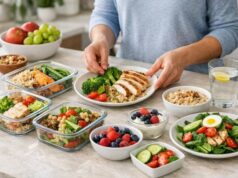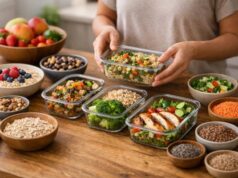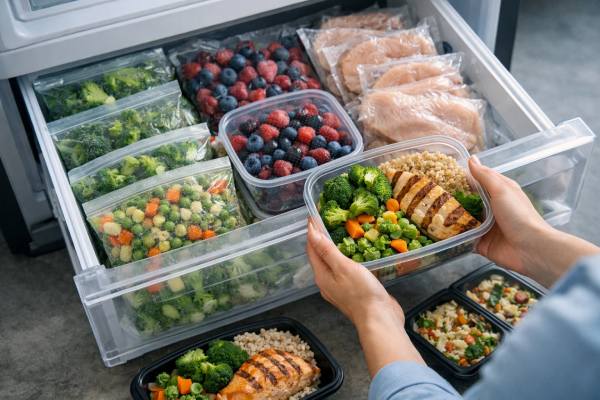
Frozen foods can make weight loss easier, not harder, when you choose the right ones. The best frozen staples save time, reduce food waste, help with portion control, and make it much easier to build meals that are high in protein, rich in fiber, and realistic for busy days. The problem is not that frozen food is “bad.” The real issue is that the freezer aisle mixes excellent basics with meals, snacks, and desserts that look healthy but are easy to overeat.
This guide breaks down which frozen foods are most useful for a calorie deficit, how to shop the freezer section more strategically, what to keep stocked for quick meals, and which frozen products deserve more caution. The goal is to help you build a freezer that supports consistency instead of convenience that backfires.
Table of Contents
- Why frozen foods can help with weight loss
- Best frozen foods to keep on hand
- How to choose better frozen meals
- Best freezer staples by goal
- Easy meals you can make from frozen foods
- Frozen food mistakes that slow progress
- How to build a weight-loss-friendly freezer
Why frozen foods can help with weight loss
Frozen foods solve several practical problems that often get in the way of fat loss. They last longer than fresh foods, require less prep, and make it easier to put together meals before hunger gets strong enough to push you toward takeout, delivery, or random snacking. For many people, that matters more than having an idealized fridge full of fresh produce they never actually cook.
A good freezer can support weight loss in four major ways:
- it reduces food waste, which lowers the pressure to “eat it before it goes bad”
- it cuts prep time, making balanced meals easier on busy days
- it helps with portion control, especially for proteins, grains, and produce
- it keeps backup meals available when motivation is low
Frozen foods also make consistency easier. That is important because the most effective weight loss diets are rarely the most extreme. They are the ones people can repeat for weeks and months. If frozen vegetables, berries, shrimp, edamame, and pre-portioned proteins help you get dinner on the table in 12 minutes instead of ordering something calorie-dense, they are doing real work.
Another benefit is predictability. Frozen staples often come in measured portions, which can make calorie awareness much easier. A microwaveable bag of green beans, a cup of frozen berries, or a frozen salmon fillet is usually simpler to manage than guessing portions from a large prepared dish or restaurant meal. That fits especially well with a structured calorie deficit approach.
There is also a common misconception that frozen automatically means less nutritious. In reality, plain frozen vegetables, fruit, fish, and minimally processed proteins can be excellent staples. What matters most is what has been added. Sauces, breading, butter, cream, cheese, sugar, and large amounts of oil can change the picture fast.
The real dividing line is not “frozen versus fresh.” It is “basic staple versus highly engineered convenience food.” If you fill your freezer with ingredients that help you build meals rather than products designed to be hyper-palatable, frozen food becomes a strong tool for appetite control, meal planning, and routine. That is why a freezer strategy pairs well with broader guidance on what to eat in a calorie deficit.
Best frozen foods to keep on hand
The best frozen foods for weight loss are the ones that make high-protein, high-fiber, moderate-calorie meals easier to build. In most freezers, that means a mix of vegetables, fruit, protein, and a few smart convenience carbs rather than a freezer full of boxed “diet” entrees.
Here are the most useful categories.
Frozen vegetables
These are usually the most valuable freezer staple for fat loss. Broccoli, cauliflower, green beans, spinach, mixed vegetables, peppers and onions, stir-fry blends, and cauliflower rice all add volume for very few calories. They help make meals larger and more filling without pushing calories up much.
Good picks include:
- broccoli florets
- green beans
- spinach
- mixed stir-fry vegetables
- cauliflower rice
- butternut squash
- peppers and onions
If you tend to under-eat vegetables during the week, the easiest fix is often keeping two or three kinds frozen at all times. This works especially well alongside vegetables that add volume without many calories.
Frozen fruit
Frozen berries, cherries, mango, peaches, and mixed fruit are excellent for smoothies, yogurt bowls, oatmeal, and quick desserts. Berries are especially useful because they are relatively high in fiber for fruit and make sweet meals more satisfying without relying on pastries, cereal bars, or oversized portions of granola.
Frozen protein staples
These are often the difference between “I have nothing to eat” and a solid dinner in 15 minutes. Good options include:
- plain shrimp
- salmon fillets
- cod or white fish
- chicken breast strips
- turkey meatballs
- shelled edamame
- veggie burgers with a short ingredient list
- plain grilled chicken products without heavy breading
Protein is one of the biggest weak points in rushed meals, so stocking more freezer protein usually pays off quickly. If that is an area you struggle with, a high-protein grocery list can help you combine frozen and non-frozen staples more effectively.
Frozen smart carbs
These are helpful when they save time without turning every meal into a refined-carb-heavy convenience food. Useful options include:
- plain brown rice or rice blends
- quinoa blends
- sweet potato cubes
- plain potatoes or hash browns with minimal added fat
- mixed beans or lentil blends
These foods make meals feel more complete and often improve adherence because they create a better balance between fullness and enjoyment.
The most useful freezer usually includes basics from all four categories. That gives you enough flexibility to build bowls, soups, scrambles, stir-fries, sheet-pan dinners, smoothies, and quick lunches without having to shop every other day.
How to choose better frozen meals
Not everyone wants to build every meal from separate ingredients. Frozen meals can still fit a weight loss plan, but you need a way to sort the better options from the ones that look healthy while quietly carrying too many calories, too little protein, or not enough food volume to satisfy.
A useful frozen meal should usually check most of these boxes:
| Feature | Better target | Why it matters |
|---|---|---|
| Calories | Often 300 to 500 per meal | Leaves room for the rest of the day without feeling tiny |
| Protein | At least 20 grams | Helps fullness and supports muscle retention |
| Fiber | Ideally 5 grams or more | Improves satiety and meal quality |
| Sodium | Moderate when possible | Useful for overall diet quality and appetite awareness |
| Ingredient profile | Recognizable foods, not mostly cream, cheese, or refined starch | Makes the meal more filling for the calories |
One common mistake is choosing meals purely by the calorie number. A 240-calorie frozen entrée may sound efficient, but if it has only 10 grams of protein and a small portion size, you may be hungry again in an hour. In that case, it is not really saving calories. It is just delaying them.
A better approach is to ask three questions:
- Will this keep me full for at least a few hours?
- Does it include enough protein to function like a real meal?
- Can I improve it easily with a side of vegetables, fruit, or yogurt?
For example, a frozen chicken bowl with 24 grams of protein and vegetables may work well as-is. A small pasta entrée with 11 grams of protein may need help from a side salad and cottage cheese. A frozen soup-and-sandwich combo may still be better than drive-thru food, but it might not be your strongest everyday option.
You also want to watch serving size tricks. Some frozen foods are sold as “healthy bowls” but are small enough that many people end up adding chips, dessert, or a second entrée. Others look small but are actually surprisingly satisfying because they center protein, beans, vegetables, and whole grains.
If you prefer a more formula-based approach than label-by-label guesswork, learning the basics of counting macros and portion sizing makes the freezer aisle much easier to navigate.
Best freezer staples by goal
Not every frozen food serves the same purpose. Some are best for fullness. Some are best for fast protein. Some are best for low-effort meal assembly. Thinking in categories helps you stock a freezer that solves different problems instead of buying random “healthy-looking” items.
Best frozen foods for high-volume eating
If your biggest issue is hunger, prioritize foods that add bulk for relatively few calories:
- broccoli
- cauliflower rice
- green beans
- spinach
- mixed vegetables
- zucchini blends
- berries
These foods work especially well in bowls, soups, stir-fries, and omelets. They are a strong fit for anyone who does best with high-volume eating or meals that feel physically large.
Best frozen foods for protein
If you often fall short on protein, focus on:
- shrimp
- salmon fillets
- cod
- grilled chicken strips
- turkey meatballs
- shelled edamame
- high-protein veggie burgers
- plain fish fillets
These foods are useful because they shorten the time between “I need food” and “I have a balanced meal.” For many people, that is where good decisions are won or lost.
Best frozen foods for quick meals
For the fastest possible meal assembly, stock combinations like:
- stir-fry vegetables plus shrimp
- cauliflower rice plus chicken
- mixed vegetables plus turkey meatballs
- frozen spinach plus egg whites
- frozen berries plus Greek yogurt and oats
These combinations reduce chopping, cooking time, and cleanup. If you like a faster style of eating overall, this freezer setup also pairs well with quick 15-minute meals.
Best frozen foods for sweet cravings
The freezer can help here too. Better picks include:
- frozen berries
- frozen cherries
- frozen banana slices in controlled portions
- fruit bars with simple ingredients and modest calories
- frozen yogurt bars used intentionally rather than mindlessly
This is not about banning desserts. It is about choosing options that make portion control easier and do not trigger the “I already blew it” mindset. For people who like something sweet at night, measured freezer treats can sometimes work better than keeping pastries or large tubs of ice cream around. That can fit nicely with broader sweet craving swaps.
Easy meals you can make from frozen foods
A freezer becomes much more useful when you know what meals it can create without much thought. The goal is not gourmet cooking. The goal is meals that are quick, filling, and easy enough to make when you are tired.
Here are practical frozen-food meal ideas that work well for weight loss.
Shrimp and vegetable stir-fry
Cook frozen shrimp with a frozen stir-fry blend, add soy sauce, garlic, and ginger, and serve over a small portion of frozen brown rice. This gives you protein, vegetables, and a measured carb source in one fast meal.
Turkey meatball bowl
Heat turkey meatballs, microwave broccoli, and add a serving of frozen sweet potato cubes or rice. Top with marinara or a light yogurt-based sauce. It is simple, filling, and easy to portion.
Berry yogurt breakfast bowl
Combine thawed frozen berries with Greek yogurt, chia seeds, and high-fiber cereal or oats. This works for breakfast, a snack, or a lighter lunch and usually provides much better fullness than pastries or cereal alone.
Egg scramble with spinach and potatoes
Cook eggs or egg whites with frozen spinach and a portion of frozen hash browns or potatoes. Add salsa for flavor. This is one of the fastest “real meals” you can make from freezer basics.
Salmon and green beans plate
Bake or air-fry a frozen salmon fillet while microwaving green beans and a potato. This feels like a composed dinner but uses almost no prep. It also pairs well with ideas from air fryer meals if you want more speed and texture.
Soup upgrade bowl
Use a lower-calorie frozen soup or boxed soup as the base, then bulk it up with frozen vegetables and edamame or chicken. This is a strong strategy when you want comfort food without a heavy calorie load.
Smoothie that actually fills you up
Blend frozen berries, spinach, milk, protein powder, and a small amount of oats or chia. Smoothies only work well for weight loss when they are built to function like a meal. That usually means enough protein and not too much juice, nut butter, or sweetener. If you want more options, these filling smoothie ideas are a useful next step.
The key with frozen meals is not complexity. It is combining categories. A meal that includes one frozen protein, one frozen vegetable, and one measured carb source already has the structure needed to support a balanced deficit.
Frozen food mistakes that slow progress
Frozen foods can be a huge help, but the freezer aisle also contains plenty of products that make weight loss harder while still looking convenient or even “healthy.” The most common problem is not using frozen foods. It is relying on the wrong kinds.
One mistake is assuming all frozen meals are portion-controlled just because they come in a single tray. Some are moderate in calories, but many are heavy on refined starch, creamy sauces, breading, or cheese and do not provide enough protein or volume for the calories. Others are small enough that people routinely eat two.
Another common issue is ignoring liquid fats and sauces. Frozen vegetables themselves are usually excellent. Vegetables in butter sauce, cheese sauce, or creamy seasoning blends are often much less useful if you are trying to keep calories in check. The same goes for breaded chicken, crispy shrimp, stuffed pasta, and skillet kits that rely heavily on oil.
Watch for these patterns:
- buying frozen “healthy” snacks that are easy to overeat
- relying on appetizer-style foods as meals
- choosing sweet frozen breakfast products that are mostly refined carbs
- keeping too many trigger foods in the freezer because they seem easier to justify than pantry snacks
- using the freezer for convenience foods but not for ingredients
There is also the “rescue meal” trap. A frozen pizza or rich pasta bake may still be better than a full takeout splurge, but if those become the main backup plan, calories can climb quickly without much fullness. Convenience should make the deficit easier, not more slippery.
A better freezer strategy is to keep mostly ingredients and a smaller number of genuinely helpful ready meals. That balance gives you flexibility while limiting automatic overeating. It also helps to know which foods commonly create trouble in a deficit. For a broader look at that pattern, this guide to foods that make a calorie deficit harder can be useful.
How to build a weight-loss-friendly freezer
The best freezer for weight loss is not the most restrictive. It is the one that makes your better choices easier than your impulsive ones. That usually means building your freezer around a repeatable system rather than buying items one at a time with no plan.
A practical setup looks like this:
- Keep two to four frozen vegetables at all times.
- Keep two frozen protein options ready to cook fast.
- Keep one or two smart carb staples.
- Keep one fruit option for breakfasts, smoothies, or desserts.
- Keep one or two emergency meals for chaotic days.
That structure covers most real-life situations. It gives you options for lunch, dinner, breakfast add-ins, and snacks without turning the freezer into a storage unit for random convenience foods.
Here is a simple example freezer list:
- broccoli
- green beans
- mixed stir-fry vegetables
- berries
- shrimp
- salmon fillets
- turkey meatballs
- shelled edamame
- brown rice cups or a plain rice blend
- sweet potato cubes
- one reliable frozen entrée for emergencies
This kind of system is especially helpful if you are busy, live alone, or get tired of throwing away produce. It can also reduce grocery stress because you do not need the perfect fresh-food shopping trip every week to keep eating well.
One underrated benefit is routine protection. When life gets hectic, people usually do not rise to their intentions. They fall to what is easiest. A good freezer lowers the effort required to eat in a way that still supports your goals. That makes it easier to stay consistent on low-motivation days, which is when a lot of progress is either protected or lost.
If you want to go one step further, pair your freezer system with a short weekly prep routine or a simple meal template. That is often more effective than chasing novelty. A repeatable freezer setup, a few high-protein staples, and some easy meal formulas can quietly do more for fat loss than a long list of “superfoods” ever will.
References
- Dietary Guidelines for Americans, 2020-2025 2020 (Guideline)
- Obesity Management in Adults: A Review 2023 (Review)
- Meal Timing and Anthropometric and Metabolic Outcomes 2024 (Systematic Review)
- Protein, fiber, and exercise: a narrative review of their roles in managing body composition and appetite among physically active women 2025 (Review)
Disclaimer
This article is for general educational purposes only and is not a substitute for personalized medical, nutrition, or dietetic advice. Weight loss needs vary by body size, activity level, medications, health conditions, and eating history, so speak with a qualified clinician or registered dietitian if you need individual guidance.
If this article helped you, please share it on Facebook, X, or your preferred platform so others can build a smarter freezer too.