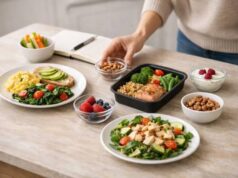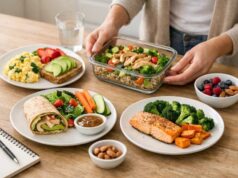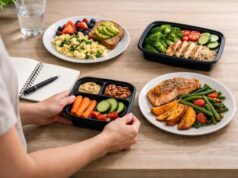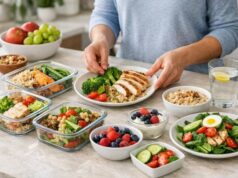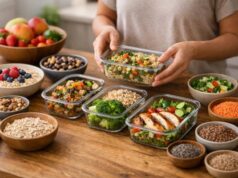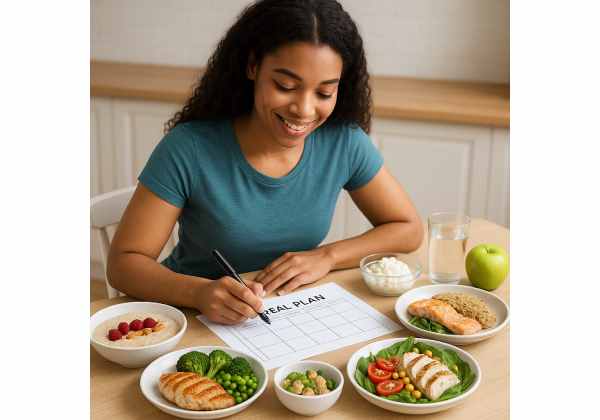
Losing weight gets much easier when your meals are structured before hunger, stress, and convenience start making decisions for you. A good high-protein plan does more than cut calories. It helps you stay full, makes it easier to keep muscle while losing fat, and gives each day enough structure to be practical without feeling rigid. The challenge is finding a plan that is realistic on a workweek, flexible enough for different appetites, and built from normal foods rather than expensive specialty products.
This 7-day high-protein meal plan is designed for that middle ground. You will get a full week of meals in the 1500 to 1800 calorie range, with protein spread across the day instead of packed into one dinner. You will also find a grocery list, meal-prep shortcuts, ways to scale calories up or down, and smart substitutions for busy days, tighter budgets, or different food preferences.
Table of Contents
- Why this high-protein plan works
- 7-day high-protein meal plan
- Grocery list for the week
- How to adjust 1500 to 1800 calories
- Easy swaps for real life
- Habits that help this plan work
Why this high-protein plan works
A weight-loss meal plan works best when it solves three problems at once: calorie control, appetite control, and consistency. This plan aims to do that by keeping daily intake in a moderate calorie range while giving each meal enough protein to feel substantial. For many adults, that means a structure of three meals and one snack, with most meals landing around 30 to 40 grams of protein.
Protein matters because it usually does two helpful things during a fat-loss phase. First, it tends to be more filling than a meal built mostly around refined carbs or fats. Second, it supports lean mass when you are eating fewer calories, especially if you are also doing some resistance training or regular walking. That is why many people find a higher-protein approach easier to stick with than a low-protein “eat less” plan.
This week is built around a few simple targets:
- Calories: about 1500 to 1800 per day
- Protein: roughly 110 to 150 grams per day
- Fiber: usually around 25 to 35 grams per day
- Meal pattern: breakfast, lunch, dinner, and one planned snack
- Food style: minimally processed staples, easy repeats, and flexible add-ons
The plan is also designed to avoid a common problem: eating “light” all day and then overeating at night. Breakfast and lunch both contain meaningful protein, not just token amounts. Dinner is filling but not oversized. That balance helps many people avoid the evening rebound that can erase a deficit.
You can think of this as a practical starting point rather than a rigid prescription. If you already know your ideal protein target, use that. If not, a good next step is learning how your needs shift with body size and activity level in protein targets for weight loss. And if you are not sure whether 1500, 1700, or 1800 calories is appropriate, it helps to understand the basics of a sustainable deficit in simple calorie-deficit steps.
7-day high-protein meal plan
The totals below are estimates, not lab values. Brands, cooking methods, and portion sizes can change numbers slightly, so use them as practical ranges. Each day is built to stand alone, but meals can also be mixed across the week.
Day 1: about 1,560 calories and 137 grams protein
- Breakfast: Greek yogurt bowl with 1 cup nonfat Greek yogurt, 1 scoop whey, mixed berries, and 1/3 cup oats
Approx: 390 calories, 43 grams protein - Lunch: Chicken quinoa salad with 5 ounces cooked chicken breast, 3/4 cup cooked quinoa, cucumber, tomatoes, greens, and light vinaigrette
Approx: 430 calories, 42 grams protein - Snack: 1 cup low-fat cottage cheese and a small apple
Approx: 240 calories, 28 grams protein - Dinner: Baked salmon, roasted baby potatoes, and broccoli
Approx: 500 calories, 24 grams protein
Day 2: about 1,620 calories and 133 grams protein
- Breakfast: Egg and egg-white wrap with spinach, salsa, and a small sprinkle of cheese
Approx: 360 calories, 33 grams protein - Lunch: Turkey chili made with lean turkey, beans, tomatoes, onions, and peppers
Approx: 430 calories, 38 grams protein - Snack: Shelled edamame and a clementine
Approx: 190 calories, 17 grams protein - Dinner: Lean beef stir-fry with vegetables and 3/4 cup cooked rice
Approx: 640 calories, 45 grams protein
Day 3: about 1,530 calories and 129 grams protein
- Breakfast: Protein oats made with oats, milk, whey, cinnamon, and banana slices
Approx: 410 calories, 35 grams protein - Lunch: Tuna and chickpea pita with Greek yogurt, celery, herbs, and lettuce
Approx: 390 calories, 34 grams protein - Snack: Skyr and kiwi
Approx: 170 calories, 16 grams protein - Dinner: Chicken fajita bowl with chicken breast, peppers, onions, black beans, cauliflower rice, and avocado
Approx: 560 calories, 44 grams protein
Day 4: about 1,690 calories and 142 grams protein
- Breakfast: Smoothie with Greek yogurt, whey, banana, spinach, frozen berries, and peanut butter
Approx: 430 calories, 40 grams protein - Lunch: Chicken and lentil soup with a slice of whole-grain toast
Approx: 400 calories, 34 grams protein - Snack: Two hard-boiled eggs and carrots with hummus
Approx: 220 calories, 14 grams protein - Dinner: Turkey meatballs, whole-wheat pasta, marinara, and a large side salad
Approx: 640 calories, 54 grams protein
Day 5: about 1,570 calories and 134 grams protein
- Breakfast: Cottage cheese bowl with pineapple, chia seeds, and a few walnuts
Approx: 360 calories, 32 grams protein - Lunch: Shrimp rice bowl with shrimp, brown rice, slaw mix, cucumber, and light sesame dressing
Approx: 430 calories, 36 grams protein - Snack: High-protein pudding or plain skyr with cocoa and berries
Approx: 180 calories, 20 grams protein - Dinner: Pork tenderloin, baked sweet potato, and green beans
Approx: 600 calories, 46 grams protein
Day 6: about 1,710 calories and 146 grams protein
- Breakfast: Omelet with 2 eggs, egg whites, mushrooms, peppers, toast, and fruit
Approx: 420 calories, 35 grams protein - Lunch: Chicken pasta salad with chopped chicken breast, whole-wheat pasta, vegetables, and a light yogurt-based dressing
Approx: 470 calories, 42 grams protein - Snack: Roasted chickpeas and beef or turkey jerky
Approx: 210 calories, 20 grams protein - Dinner: Baked cod, couscous, and roasted zucchini
Approx: 610 calories, 49 grams protein
Day 7: about 1,610 calories and 138 grams protein
- Breakfast: Overnight oats with Greek yogurt, chia, berries, and milk
Approx: 390 calories, 32 grams protein - Lunch: Turkey sandwich on whole-grain bread with a side salad and fruit
Approx: 430 calories, 35 grams protein - Snack: Cottage cheese and berries
Approx: 190 calories, 21 grams protein - Dinner: Sheet-pan chicken thighs with Brussels sprouts and farro
Approx: 600 calories, 50 grams protein
A few patterns matter more than the exact menu. Each day includes a clear protein anchor at every eating occasion, vegetables show up at least twice, and carbs are present in moderate portions instead of being eliminated. That usually leads to better adherence than trying to survive on salads and willpower. If you want a few extra meal ideas to rotate in after this week, high-protein, high-fiber dinner ideas can make the second week easier.
Grocery list for the week
A good meal plan fails fast when the grocery list is vague. The easiest way to make this week work is to shop by category and prep a few basics in batches. You do not need perfect meal prep, only enough friction reduction that weekday decisions become easy.
Protein foods
- Chicken breast or chicken thighs
- Lean ground turkey
- Salmon
- Cod or another white fish
- Lean beef strips
- Shrimp
- Pork tenderloin
- Eggs and liquid egg whites
- Greek yogurt or skyr
- Cottage cheese
- Whey or another protein powder
- Tuna
- Edamame
- Jerky
- Chickpeas, black beans, and lentils
Carbs and grains
- Oats
- Whole-grain wraps
- Whole-grain bread
- Brown rice or white rice
- Quinoa
- Whole-wheat pasta
- Couscous or farro
- Potatoes and sweet potatoes
- Fruit such as berries, bananas, apples, kiwi, clementines, and pineapple
Vegetables and extras
- Spinach or mixed greens
- Broccoli
- Green beans
- Bell peppers
- Onions
- Mushrooms
- Brussels sprouts
- Zucchini
- Tomatoes
- Cucumber
- Slaw mix
- Carrots
- Salsa
- Marinara
- Hummus
- Chia seeds
- Light vinaigrette or yogurt-based dressing
- Olive oil, garlic, herbs, chili powder, cumin, paprika, soy sauce, sesame dressing
The prep version of this plan can be very simple:
- Cook 2 large trays of protein, such as chicken breast and turkey meatballs.
- Prepare 2 to 3 carb bases, like rice, potatoes, and quinoa.
- Wash and chop raw vegetables for fast lunches.
- Portion yogurt, cottage cheese, and snack fruit ahead of time.
- Make one pot meal, such as chili or soup, for backup lunches.
That is enough to cover most of the week without needing seven fully separate cooking sessions. If you want a more detailed weekend system, a one-hour meal-prep routine can help. It also helps to keep a personal shortlist of staples from a broader high-protein foods list so you can swap brands and ingredients without rebuilding the whole plan each time.
How to adjust 1500 to 1800 calories
The biggest mistake people make with meal plans is treating the calorie number as if it should fit everyone equally. A 1500-calorie day may feel fine for one person and overly aggressive for another. That is why this plan works best as a range.
A simple way to use it is to think in tiers:
- Lower end, around 1500 to 1600 calories: follow the meals as written, especially if you are smaller, less active, or already eating close to this level comfortably.
- Middle, around 1650 to 1750 calories: add one extra item, such as a piece of fruit with nuts, another half cup of rice, or an extra yogurt.
- Upper end, around 1750 to 1800 calories: add one protein-focused snack plus a modest carb serving around your most active part of the day.
Good add-ons include:
- 1 extra Greek yogurt
- 1 protein shake in water or milk
- 1 tablespoon peanut butter with fruit
- 1 extra slice of toast with eggs
- 1/2 to 1 cup cooked rice or potatoes at dinner
- A second planned snack after training
If your main goal is fat loss while keeping muscle, try to raise calories with protein, produce, and useful carbs before adding “reward foods” that are easy to overeat. This keeps hunger steadier and usually supports better training performance.
Protein can also be adjusted without changing the entire menu. Add 3 to 4 ounces of cooked chicken at lunch, swap standard yogurt for Greek yogurt, or use cottage cheese where you would normally use crackers. These are small edits, but they can shift a day from 105 grams of protein to 135 grams without much extra effort.
If you want a more individualized starting point, calorie targets for weight loss can help you estimate a better range. And if you prefer to think in protein, carbs, and fats instead of calories alone, macro ratios for weight loss can make this meal plan easier to personalize.
Easy swaps for real life
No one follows a meal plan perfectly for seven straight days. That does not make the plan ineffective. It means the plan needs built-in substitutions.
The easiest way to swap meals without losing structure is to replace like with like:
- Chicken breast with turkey, shrimp, tuna, tofu, or extra-lean beef
- Rice or quinoa with potatoes, whole-wheat pasta, couscous, or beans
- Greek yogurt with skyr, cottage cheese, or a protein shake
- Salmon or cod with canned tuna, frozen fish, or extra chicken
- Fresh produce with frozen vegetables and fruit when cost or time is tight
For busy days, keep emergency combinations on hand:
- Rotisserie chicken, microwave rice, and bagged salad
- Greek yogurt, fruit, and high-fiber cereal
- Cottage cheese, baby carrots, and whole-grain toast
- Tuna packets with crackers and fruit
- Protein shake with a banana and a handful of nuts
For higher-volume eating, increase low-calorie foods before cutting calories harder. Add extra lettuce, cucumbers, broth-based soup, roasted zucchini, cauliflower rice, berries, or green beans. That strategy often improves adherence more than shaving another 100 calories off the plan. If hunger is a consistent issue, more ideas from high-volume, low-calorie foods can help.
Snacks deserve planning too. Random grazing usually drives calories up without adding much satisfaction. A better approach is to choose one snack with a clear job: bridge a long gap between meals, support a workout, or prevent night eating. Some reliable options include:
- Cottage cheese and fruit
- Skyr with berries
- Jerky and an apple
- Edamame
- Hard-boiled eggs
- Protein pudding
- Roasted chickpeas
If snack decisions are where your intake tends to drift, a shortlist of 100 to 250 calorie snack ideas can keep the week more predictable.
Habits that help this plan work
The meal plan matters, but the habits around it decide whether it feels sustainable. You do not need a perfect routine. You need a few repeatable behaviors that make it easier to eat according to plan on ordinary days.
The most useful habits are usually the least dramatic:
- Decide tomorrow’s meals tonight. Even a rough plan cuts down on impulse eating.
- Eat protein early in the day. Starting with a low-protein breakfast often makes hunger harder to manage later.
- Keep lunch predictable. A repeat lunch during the workweek removes one daily decision.
- Build dinner around protein and vegetables first. Then add the carb portion instead of letting starch become the whole meal.
- Use one consistent weigh-in routine. Daily fluctuations can be misleading, so focus on trends, not single days.
- Pair meals with movement. A short walk after lunch or dinner can support appetite control, blood sugar management, and routine strength.
Hydration and sleep also change how this plan feels. Many people mistake low energy, thirst, or poor sleep for hunger. A day that looks like “I lost control with food” can sometimes start with too little water, too little protein, and too little sleep. Fixing those basics often improves consistency more than chasing a stricter menu.
One underrated tactic is to keep movement small and automatic. You do not need a hard workout after every meal. Even a brief walk can make the day feel more structured and reduce the sluggishness that sometimes leads to extra snacking later. For an easy entry point, try 10-minute walks after meals a few times this week.
After seven days, do not ask whether the plan was perfect. Ask whether it was repeatable. That is the more useful test. The best high-protein meal plan is not the most impressive one on paper. It is the one you can run again next week with only a few small changes.
References
- Enhanced protein intake on maintaining muscle mass, strength, and physical function in adults with overweight/obesity: A systematic review and meta-analysis 2024 (Systematic Review and Meta-Analysis). ([PubMed][1])
- Meal Timing and Anthropometric and Metabolic Outcomes: A Systematic Review and Meta-Analysis 2024 (Systematic Review and Meta-Analysis). ([PubMed][2])
- Obesity Management in Adults: A Review 2023 (Review). ([PubMed][3])
- Physical Activity Guidelines for Americans 2025 (Guideline). ([Health.gov][4])
- Dietary Guidelines for Americans, 2020-2025 2020 (Guideline). ([Dietary Guidelines][5])
Disclaimer
This article is for general educational purposes and is not a substitute for medical advice, diagnosis, or treatment. Calorie and protein needs vary by body size, age, activity level, health status, and medications. If you have kidney disease, diabetes, a history of disordered eating, food allergies, are pregnant or breastfeeding, or take medications that affect appetite, blood sugar, or weight, talk with a qualified clinician or registered dietitian before starting a weight-loss meal plan.
If this article was helpful, please share it on Facebook, X, or any platform where it might help someone build a more realistic weight-loss routine.