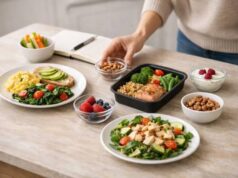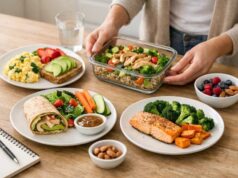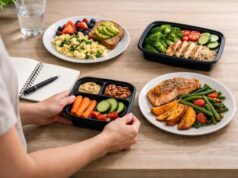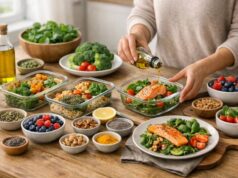
The hardest meal to keep on track is often dinner. Breakfast may be quick and routine, lunch may be planned, but dinner arrives when you are tired, hungry, and short on patience. That is exactly when takeout, oversized portions, and low-protein comfort food can push a reasonable day off course. The good news is that a weight-loss-friendly dinner does not need to be bland, expensive, or complicated. In most cases, the best dinners for fat loss are the ones you can cook in 15 to 30 minutes, repeat without boredom, and build around enough protein and fiber to keep you full through the evening. This article breaks down what makes a dinner work for weight loss and gives you 20 easy meal ideas that are satisfying, practical, and flexible. You will also learn how to portion them, swap ingredients, and use them more than once without feeling like you are eating the same thing every night.
Table of Contents
- What makes a weight loss dinner work
- Five skillet and stir-fry dinners
- Five sheet-pan and one-pan dinners
- Five bowls, soups, and salad dinners
- Five meatless and make-ahead dinners
- How to portion dinner for progress
What makes a weight loss dinner work
A good dinner for weight loss does more than come in at a reasonable calorie level. It also makes overeating later less likely. That usually means building the meal around three things: enough protein, enough fiber, and enough volume to feel like you actually ate dinner.
Protein matters because it helps with fullness and makes a lighter dinner feel more substantial. For many adults, a practical dinner target is often around 25 to 40 grams of protein, though the right total depends on body size, activity, and how the rest of the day looks. If you are unsure where to start, a broader guide to protein intake for weight loss can help you set a daily target that makes dinner planning easier.
Fiber matters because it slows the meal down. Beans, lentils, vegetables, potatoes with skin, whole grains, and high-fiber wraps all do useful work here. Many easy dinners fall short not because the protein is too low, but because the meal is too small, too refined, or too low in plant foods. A steady increase in vegetables, legumes, and whole grains can help you hit the kinds of daily fiber targets that improve fullness.
In practice, the best dinners for weight loss usually share a few traits:
- They are fast enough for weeknights.
- They use repeat ingredients in different ways.
- They keep sauces and oils under control without removing flavor.
- They include at least one high-volume food, usually vegetables, broth, beans, or potatoes.
- They leave you satisfied enough that dessert or late-night snacking feels optional instead of automatic.
A simple dinner formula works well:
- Pick one lean or reasonably lean protein source.
- Add one or two vegetables.
- Choose a smart starch or legume if you want one.
- Use strong flavor from herbs, spices, salsa, citrus, garlic, mustard, yogurt, or broth instead of relying on heavy sauces.
That means a dinner can be as simple as salmon, roasted broccoli, and potatoes, or as flexible as turkey chili, tofu stir-fry, or a taco bowl. You do not need to cook “diet food.” You need meals that match your real evenings: limited time, normal hunger, and a desire for food that tastes like dinner, not punishment.
The 20 meals below follow that logic. None require chef-level skill, and most can be adjusted for lower-carb, higher-carb, vegetarian, or family-style eating without losing the basic structure that makes them useful.
Five skillet and stir-fry dinners
Skillet meals are some of the best high-protein, high-fiber dinners for weight loss because they cook quickly, use one pan, and make it easy to control oil and portions. They also work well when you need dinner on the table in under 25 minutes.
- Ground turkey taco skillet
Brown lean ground turkey with onion, garlic, taco seasoning, black beans, and chopped peppers. Finish with salsa and serve over shredded lettuce or a small portion of rice. A typical serving can land around 30 to 35 grams of protein with strong fiber from beans and vegetables. - Chicken and broccoli stir-fry
Cook sliced chicken breast or thigh with broccoli, mushrooms, and snap peas in a light sauce made from soy sauce, ginger, garlic, and a small amount of sesame oil. Serve with cauliflower rice, brown rice, or both. This is one of the easiest dinners to repeat because you can swap the vegetables based on what is in the fridge. - Shrimp and edamame veggie stir-fry
Shrimp cooks in minutes, which makes this a strong choice for busy nights. Combine shrimp with shelled edamame, shredded cabbage, carrots, and zucchini. The shrimp brings lean protein while the edamame adds both protein and fiber, making the meal much more filling than shrimp alone. - Beef and cabbage skillet
Use lean ground beef with shredded cabbage, onion, garlic, and diced tomatoes. Season with paprika, black pepper, and a little Worcestershire sauce. Cabbage is inexpensive, bulky, and surprisingly good at making a skillet dinner feel generous without driving calories up. - Egg and white bean shakshuka
Simmer tomatoes, onion, garlic, cumin, and bell pepper, then add white beans and crack eggs into the pan to poach. This is a good reminder that easy dinners do not have to revolve around meat. The eggs and beans together create a satisfying dinner that feels lighter than it looks.
These meals work best when you keep a short list of staples around:
- frozen vegetables
- canned beans
- jarred salsa or crushed tomatoes
- garlic and onions
- soy sauce, taco seasoning, and dried spices
- quick-cooking proteins such as shrimp, ground turkey, eggs, or diced chicken
The real advantage of skillet dinners is that they reduce the temptation to order in. When dinner can be done before delivery would even arrive, consistency becomes much easier. They also make it simple to use reliable ingredients from a broader high-protein foods list without needing a detailed recipe every time.
Five sheet-pan and one-pan dinners
Sheet-pan dinners are useful for weight loss because they make portion control more visual. You can literally see the balance of protein, vegetables, and starch before the food hits the plate. They also create less cleanup, which matters more than people admit when motivation is low.
- Sheet-pan lemon chicken, potatoes, and green beans
Roast chicken thighs or breasts with baby potatoes and green beans tossed in lemon juice, garlic, oregano, and a measured amount of olive oil. This is one of the easiest “family dinner” formats to keep in a fat-loss phase because it feels normal and generous, not restrictive. - Salmon, asparagus, and baby potatoes
Put salmon fillets, asparagus, and halved potatoes on one tray. Season with mustard, dill, garlic, and black pepper. Salmon brings satiety partly because it combines protein with fat, so the meal feels rich without needing creamy sauces. - Turkey meatballs with roasted vegetables
Bake turkey meatballs on the same tray as zucchini, peppers, and red onion. Serve with marinara and a modest portion of whole-wheat pasta or chickpea pasta. This is especially helpful for people who want comfort food structure without the typical heavy calorie load. - Sausage, peppers, and cauliflower sheet pan
Use a leaner chicken or turkey sausage, then roast it with peppers, onions, and cauliflower. This dinner works well when you want strong flavor fast. It is also easy to scale up for leftovers. - Chicken fajita pan
Roast sliced chicken breast, peppers, and onions with chili powder, cumin, and lime. Serve in corn tortillas, lettuce cups, or over rice and beans. This kind of dinner can fit different macro ratios without changing the core recipe very much, which is useful if your household does not all eat the same way.
The main trick with sheet-pan meals is not the recipe. It is the oil. A quick pour from the bottle can add a surprising number of calories, so measure it. One or two tablespoons across the whole tray usually goes much farther than people think.
Another useful adjustment is to match the starch to your appetite and activity. On more active days, potatoes, rice, corn tortillas, or whole-grain pasta may fit easily. On less active days, you might simply reduce the starch portion and increase the vegetables. That is often a smarter move than cutting carbs entirely, especially if you are still figuring out how many carbs per day leaves you satisfied and consistent.
Five bowls, soups, and salad dinners
Bowl meals, hearty soups, and dinner salads often work well for weight loss because they combine volume and structure. They let you eat a large-looking meal without needing restaurant-size portions, and they are ideal for adding beans, grains, and vegetables without making the meal feel like a side dish.
- Chicken burrito bowl
Start with lettuce or shredded cabbage, then add chicken, black beans, pico de gallo, corn, and a spoon of Greek yogurt or avocado. A small rice portion can fit well too. Because each component is visible, it is easy to adjust the meal without losing control of the total. - Lentil and turkey chili
Combine lean ground turkey, lentils, beans, tomatoes, onion, and peppers. Chili is one of the best easy dinners for weight loss because it tastes even better the next day and naturally blends protein, fiber, and volume. A bowl with a side salad can be very filling for a moderate calorie cost. - Tuna and white bean salad bowl
Mix tuna with white beans, cucumber, tomatoes, red onion, parsley, and a lemon-mustard dressing. Add greens underneath if you want more volume. This is especially useful when you need dinner that requires almost no cooking. - Greek chicken salad dinner
Use chopped romaine, chicken, cucumber, tomato, red onion, chickpeas, olives, and a light yogurt-based dressing. A dinner salad needs enough substance to count as dinner, which is why the protein and chickpeas matter. Without them, many salads just lead to snacking later. - Tofu edamame grain bowl
Crisp tofu in a pan or oven, then combine it with edamame, shredded carrots, cucumber, and a modest portion of brown rice or quinoa. A soy-ginger dressing ties it together. With the right portions, this fits easily into a vegan high-protein meal plan or a more flexible mixed diet.
These dinners are especially helpful when your biggest challenge is evening appetite. A soup or bowl with plenty of beans, lentils, greens, or chopped vegetables often feels more satisfying than a small plated entrée because the meal takes longer to eat and has more volume.
A good rule for bowls is to think in layers:
- protein first
- vegetables second
- fiber-rich starch or legumes third
- calorie-dense extras last
That sequence keeps the meal anchored in fullness instead of just flavor. It also makes plant-forward meals much easier to enjoy. If you want more ideas built on legumes, tofu, dairy, and eggs, the same logic shows up in many patterns used for a vegetarian high-protein meal plan where fullness matters just as much as calories.
Five meatless and make-ahead dinners
The easiest dinner is often the one you already prepared, partially prepared, or planned well enough that you do not have to think about it at 6:30 p.m. Make-ahead dinners are especially useful for weight loss because they reduce decision fatigue, and meatless meals can lower cost while still delivering strong protein and fiber.
- Red lentil pasta with turkey or cottage cheese sauce
Use red lentil or chickpea pasta, then toss with marinara plus either lean turkey or blended cottage cheese for extra protein. Add spinach or mushrooms to build volume. This meal feels like comfort food, but the fiber and protein balance is much stronger than standard pasta night. - Black bean and sweet potato enchilada bake
Layer tortillas, black beans, roasted sweet potato, enchilada sauce, and a moderate amount of cheese. Portion it after baking and pair it with salad. It reheats well and works for families because it does not feel like “special diet food.” - Tofu and peanut slaw bowls
Bake tofu cubes ahead of time and keep a crunchy cabbage slaw ready in the fridge. At dinner, assemble with carrots, edamame, and a light peanut-lime dressing. The prep happens once, but the dinner comes together fast for several nights. - Minestrone with beans and chicken sausage
A big pot of broth-based soup with beans, vegetables, and a lean sausage stretches well across a few meals. This is one of the smartest options when cold weather or stress makes you want something warm and filling. - Baked oats and egg dinner scramble
Not every easy dinner needs to look traditional. A quick vegetable scramble with eggs, cottage cheese, and roasted potatoes or a side of fruit can work extremely well on tired nights. Breakfast-for-dinner is often faster than takeout and easier to portion than pasta or pizza.
Make-ahead dinners help most when you prepare components, not necessarily full recipes. Examples include:
- roasting a tray of vegetables
- cooking a batch of rice or potatoes
- washing and chopping salad ingredients
- baking tofu or chicken in advance
- making one pot of chili, soup, or casserole
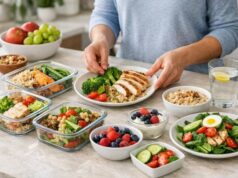
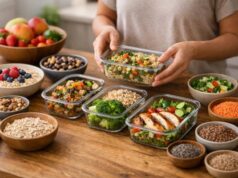
This kind of simple prep fits well into a weekend meal prep plan even if you only spend an hour on it. It also makes these dinners far more realistic on weekdays. And if food cost matters, meals based on beans, lentils, eggs, frozen vegetables, and strategic leftovers can support a budget-friendly meal plan without making dinner repetitive or sparse.
How to portion dinner for progress
Even healthy dinners can slow weight loss when portions drift upward. This is especially common with calorie-dense foods that still feel nutritious, such as olive oil, cheese, nuts, avocado, pasta, rice, and tortillas. The goal is not to fear those foods. It is to place them where they help, not where they quietly dominate the meal.
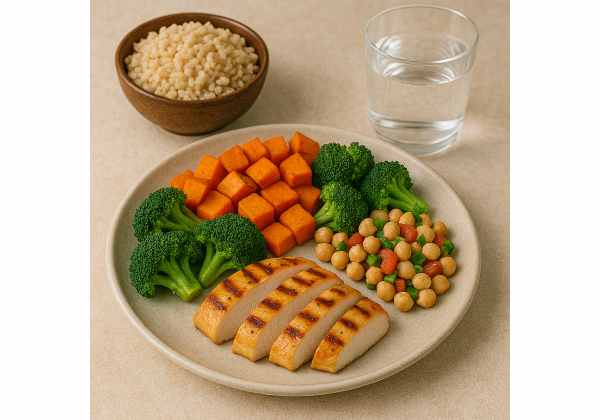
A practical dinner template is simple:
- half the plate from vegetables, salad, or broth-based volume
- one quarter from protein
- one quarter from starch, beans, or whole grains
That is not a rigid law, but it is a strong starting point. A more detailed visual guide to portion sizes and the plate method can make it easier to keep your dinner satisfying without defaulting to restaurant portions.
For most of the 20 meals above, portioning gets easier if you follow a few habits:
- Plate your food instead of eating from the pan
Family-style pans and bowls make seconds feel invisible. - Measure the calorie-dense extras at first
This includes oil, shredded cheese, pasta, rice, dressings, and nut-based sauces. You do not need to measure forever, but a short reset period is often revealing. - Keep vegetables generous
People tend to reduce rice and pasta but forget to increase the filling parts of the meal. That creates a dinner that is lighter on paper but worse for hunger. - Match dinner to the rest of the day
If lunch was light and protein was low, dinner may need to do more work. If lunch was large and activity was low, dinner may be more modest. Weight loss works better when meals connect instead of acting like isolated events. - Use repeat meals on purpose
You do not need 20 totally different dinners every month. Most people do better with five to eight reliable options on rotation. Repetition cuts stress, shopping confusion, and the urge to improvise with high-calorie convenience food.
Dinner should also fit your overall energy target. If you are still unsure what that looks like, it helps to estimate how many calories you should eat to lose weight before trying to judge whether a dinner is “good” or “bad.” A 500-calorie dinner may be perfect for one person and too small or too large for another.
In the end, the best dinner for weight loss is not the trendiest recipe. It is the one you can make on an ordinary Tuesday, enjoy without resentment, and repeat often enough that your routine becomes easier than the alternative.
References
- Current Dietary Guidelines 2026 (Guideline)
- Eating & Physical Activity to Lose or Maintain Weight 2023 (Official Resource)
- Food Portions: Choosing Just Enough for You 2021 (Official Resource)
- The Importance of Dietary Fiber for Metabolic Health 2023 (Review)
Disclaimer
This article is for general educational purposes only and is not a substitute for individualized medical, nutrition, or weight-management advice. If you have diabetes, kidney disease, digestive conditions, food allergies, or other medical concerns that affect what or how much you eat, speak with your doctor or a registered dietitian before making major changes to your dinner routine.
If this article was useful, please share it on Facebook, X, or your preferred platform so others can find practical dinner ideas that support weight loss.