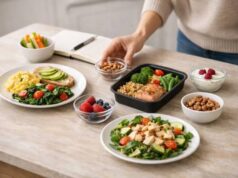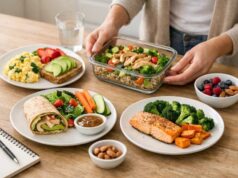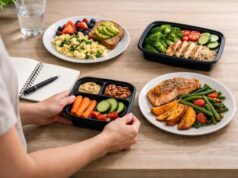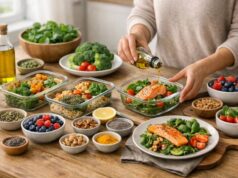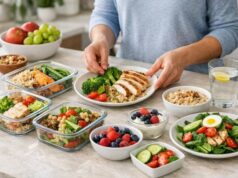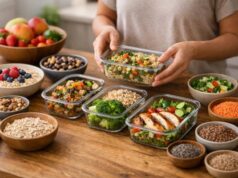
A vegetarian high-protein meal plan can make weight loss much easier when it is built around foods that actually keep you full. The problem is not finding vegetarian food. It is finding vegetarian meals that do not leave you hungry an hour later. This 7-day plan is designed to solve that by leaning on Greek yogurt, cottage cheese, eggs, tofu, tempeh, edamame, lentils, beans, and other protein-rich staples that work in a calorie deficit.
The plan below is practical, not extreme. It uses repeatable breakfasts, simple lunches, satisfying dinners, and one snack most days. You will also find a grocery list, prep strategy, and ways to adjust calories or protein without redoing the whole week. That makes it easier to use this as an actual weight-loss plan instead of just another healthy-eating idea.
Table of Contents
- How this 7-day plan is built
- 7-day vegetarian high-protein meal plan
- Grocery list for the week
- Meal prep that keeps it easy
- How to adjust calories and protein
- Mistakes that slow progress
How this 7-day plan is built
This vegetarian high-protein meal plan is written for lacto-ovo vegetarians, which means it includes dairy and eggs but no meat, poultry, or fish. That choice makes it easier to reach higher protein targets without turning every meal into a protein shake or a large serving of tofu. For people who do eat mostly plant-based but avoid dairy and eggs, the same structure can still work with substitutions, but the ingredient list and protein balance usually need a little more planning.
The sample week is designed to land roughly in the range many adults use for weight loss: about 1,500 to 1,700 calories per day and roughly 100 to 125 grams of protein per day, depending on the brands, portions, and swaps you choose. That is not the right intake for everyone, but it is a practical middle ground for a general plan. Larger, taller, more active, or highly hungry people may need more. Smaller or less active people may need a bit less. The goal is not to hit perfect numbers. The goal is to make high-protein vegetarian eating structured enough to support fat loss.
Each day follows a simple formula:
- A breakfast with a clear protein anchor
- A lunch that is easy to pack or assemble
- A dinner built around a heavier protein source plus fiber-rich carbs and vegetables
- One snack that adds either protein, produce, or both
That formula matters because most people do better when protein is spread across the day instead of being saved for dinner. Aiming for a meaningful amount of protein per meal for weight loss usually works better for fullness than eating a light breakfast, a random lunch, and then trying to “catch up” later.
This plan also pays attention to satiety, not just macros. That means meals include enough volume, fiber, and texture to feel like real food. Protein helps, but protein alone does not solve hunger if the rest of the meal is tiny. That is why the plan uses fruit, vegetables, oats, legumes, potatoes, whole grains, and higher-volume meals that fit the logic of what to eat in a calorie deficit.
A few other details are built in on purpose:
- Repeated ingredients to reduce waste
- More than one type of vegetarian protein so the week feels balanced
- Meals that can be packed for work or school
- Enough carbs to support energy instead of turning the plan into a low-carb diet by accident
- Moderate fat, rather than very low fat or very high fat, so meals stay satisfying without becoming calorie-dense
You do not need to follow every meal exactly to get good results. Think of the plan as a structure that shows what a workable high-protein vegetarian week looks like. Once you understand that structure, it becomes much easier to repeat, swap, and extend beyond seven days.
7-day vegetarian high-protein meal plan
The week below keeps breakfast and snack prep simple while rotating lunch and dinner enough to prevent boredom. Protein and calories are approximate, not exact. Brand choice, serving size, and cooking method can shift the totals a bit.
| Day | Main meals | Approx. protein | Approx. calories |
|---|---|---|---|
| Day 1 | Greek yogurt oats, lentil salad, tofu stir-fry | 110 g | 1,560 |
| Day 2 | Egg scramble, chickpea egg wrap, lentil pasta dinner | 112 g | 1,540 |
| Day 3 | Protein smoothie, cottage cheese bowl, taco-style tofu dinner | 118 g | 1,610 |
| Day 4 | Savory oats, tempeh salad, sesame tofu bowl | 114 g | 1,570 |
| Day 5 | Skyr parfait, bean and egg wrap, vegetarian chili | 111 g | 1,550 |
| Day 6 | Tofu breakfast tacos, lentil pasta salad, tempeh tray bake | 120 g | 1,640 |
| Day 7 | Cottage cheese toast, Mediterranean egg salad, red lentil curry | 108 g | 1,530 |
Day 1
- Breakfast: Greek yogurt overnight oats with berries and chia
Mix plain Greek yogurt, oats, chia seeds, cinnamon, and berries. This is a strong first meal because it gives you protein, fiber, and volume without much effort. - Lunch: Lentil and feta chopped salad
Use cooked lentils, cucumber, tomatoes, peppers, red onion, feta, parsley, and a lemony dressing. Add a piece of fruit on the side. - Dinner: Tofu and broccoli stir-fry with brown rice
Bake or pan-sear extra-firm tofu and serve it with broccoli, mushrooms, carrots, and a moderate portion of brown rice. - Snack: Cottage cheese with pineapple or berries
Day 1 works well because it keeps the meals familiar and filling. Nothing here depends on specialty products, but protein still stays high.
Day 2
- Breakfast: Veggie egg and egg-white scramble with whole-grain toast
Cook eggs and egg whites with spinach, mushrooms, and tomatoes. Add one slice of toast and fruit if needed. - Lunch: Chickpea and egg wrap
Mash chickpeas lightly with chopped hard-boiled eggs, plain Greek yogurt, mustard, celery, and herbs. Wrap in a whole-grain tortilla with lettuce. - Dinner: Red lentil pasta with marinara, spinach, and part-skim ricotta
This is one of the easiest vegetarian high-protein dinners because lentil pasta does a lot of the work for you. - Snack: Shelled edamame and an apple
Day 2 is a good reminder that vegetarian fat loss meals do not need to be “diet food.” Familiar meals often work better than overly creative ones because you are more likely to repeat them.
Day 3
- Breakfast: High-protein berry smoothie
Blend Greek yogurt or skyr, soy milk, frozen berries, spinach, and a spoonful of peanut butter. Keep the peanut butter measured so calories stay reasonable. - Lunch: Cottage cheese quinoa bowl
Add cottage cheese to a bowl with quinoa, roasted zucchini, tomatoes, cucumbers, and pumpkin seeds. This sounds unusual until you try it. It is easy, cool, and surprisingly filling. - Dinner: Black bean and tofu taco bowl
Use tofu crumbles or cubes with black beans, salsa, shredded lettuce, chopped tomatoes, corn, and a moderate scoop of rice. - Snack: Skyr with kiwi
Day 3 pushes protein through both dairy and soy, which helps the plan feel less repetitive than a week built around one protein source alone.
Day 4
- Breakfast: Savory oats with egg, egg whites, and spinach
If sweet breakfasts make you hungry too fast, savory oats can be a smart move. Cook oats, stir in spinach, and top with eggs or egg whites plus black pepper and a little parmesan. - Lunch: Tempeh crunch salad
Use baked tempeh, cabbage or romaine, carrots, cucumber, edamame, and a light peanut-lime dressing. - Dinner: Sesame tofu bowl with roasted vegetables and soba
Keep the soba portion moderate and let the tofu and vegetables carry more of the plate. - Snack: Roasted chickpeas and an orange
Day 4 is useful for anyone who wants meals that feel a little more restaurant-like without becoming takeout-level in calories.
Day 5
- Breakfast: Skyr parfait with berries and high-fiber cereal
Use plain skyr, berries, and a measured amount of crunchy high-fiber cereal or granola. - Lunch: White bean and egg wrap
Combine white beans, chopped egg, greens, cucumber, and a yogurt-herb spread in a wrap. - Dinner: Vegetarian chili with tofu or extra beans
Make a tomato-based chili with beans, peppers, onions, and either tofu crumbles or an extra bean variety. Add a spoon of Greek yogurt on top. - Snack: Cottage cheese with cucumber and a few whole-grain crackers
Day 5 is especially practical for workdays because the lunch and dinner hold up well in the fridge and reheat easily.
Day 6
- Breakfast: Tofu breakfast tacos
Scramble tofu with peppers, onions, turmeric, and salsa. Serve in small corn tortillas with avocado if calories allow. - Lunch: Lentil pasta salad
Toss cooked lentil pasta with chopped vegetables, mozzarella pearls or cottage cheese, spinach, and a light vinaigrette. - Dinner: Baked tempeh with sweet potato and Brussels sprouts
This tray-bake style dinner is easy to portion and works well for leftovers. - Snack: Edamame and a pear
Day 6 tends to feel satisfying because it includes more chew, more texture, and enough carbs to keep energy up without pushing calories too high.
Day 7
- Breakfast: Cottage cheese toast with berries
Spread cottage cheese on whole-grain toast and top with berries, cinnamon, or sliced banana. Add hemp seeds if you want a small protein boost. - Lunch: Mediterranean egg salad plate
Use eggs, chopped cucumbers, tomatoes, olives, romaine, and a side of chickpeas or a small pita. - Dinner: Red lentil curry with cauliflower and yogurt
Make a simple red lentil curry and serve it with roasted cauliflower and a modest portion of rice if desired. A spoonful of Greek yogurt adds extra protein and cools the spices. - Snack: Greek yogurt with cocoa and cherries
Day 7 closes the week with meals that feel comforting rather than overly “clean.” That matters because weight-loss plans fail less often when they still feel enjoyable on weekends.
Taken together, this week shows what a high-protein vegetarian plan looks like in real life: dairy and eggs used strategically, tofu and tempeh in rotation, legumes appearing often, and meals built to be filling enough that you do not spend the whole week chasing snacks.
Grocery list for the week
A good grocery list makes a high-protein vegetarian week much easier because it reduces the chance that you end up piecing meals together from random carbs and low-protein sides. The simplest approach is to buy a few protein anchors you know you will use repeatedly, then build around them with produce, grains, and flavor staples.
Protein staples
- Plain Greek yogurt or skyr
- Cottage cheese
- Eggs and liquid egg whites if you use them
- Extra-firm tofu
- Tempeh
- Shelled edamame
- Lentils, canned or dry
- Chickpeas, black beans, and white beans
- Red lentil pasta
Produce
- Berries
- Apples, pears, kiwi, oranges, or pineapple
- Spinach or mixed greens
- Broccoli
- Mushrooms
- Peppers
- Cucumbers
- Tomatoes
- Zucchini
- Carrots
- Cauliflower
- Brussels sprouts
- Onions
- Fresh herbs
- Lemons or limes
Smart carbs
- Oats
- Brown rice
- Quinoa
- Whole-grain wraps or bread
- Soba noodles or another noodle you portion carefully
- Sweet potatoes
- High-fiber cereal or crackers
Flavor and extras
- Salsa
- Marinara
- Mustard
- Soy sauce or tamari
- Peanut or tahini-based sauce ingredients
- Feta or part-skim ricotta
- Chia seeds or hemp seeds
- Pumpkin seeds
- Cinnamon, chili powder, cumin, garlic, and black pepper
If your budget is tight, focus first on the most cost-effective proteins: eggs, Greek yogurt, cottage cheese, lentils, beans, tofu, and edamame. Those foods do most of the heavy lifting in this kind of plan. More specialized items can wait. That is also why it helps to keep a list of high-protein foods for weight loss and pair it with a more general weight loss grocery list for beginners when you start building your own weeks.
Frozen and canned foods can make this much easier too. Frozen berries, frozen stir-fry vegetables, canned beans, and microwavable brown rice are all useful. They reduce prep time and help the plan survive real schedules, not ideal ones.
A good grocery list for weight loss is not the one with the most trendy ingredients. It is the one that makes the week easy enough to repeat.
Meal prep that keeps it easy
Most people do not need a full Sunday meal-prep marathon to stay consistent on a vegetarian high-protein plan. They need a short prep block that removes the most annoying parts of the week.
A simple strategy is to prep the building blocks instead of fully assembled meals:
- Cook a batch of lentils or buy them pre-cooked
- Bake two blocks of tofu or a pack of tempeh
- Hard-boil a few eggs
- Roast one large tray of vegetables
- Cook rice, quinoa, or potatoes
- Wash fruit and salad ingredients
- Portion Greek yogurt, cottage cheese, or skyr into grab-and-go containers
That approach gives you enough flexibility to mix meals without getting bored. It also makes high-protein eating faster on busy days, which matters more than recipe variety for most people.
A few shortcuts help even more:
- Make two or three jars of overnight oats at once
- Use frozen chopped vegetables for scrambles and stir-fries
- Keep canned beans on hand for wraps, bowls, and soups
- Make one sauce for the week, such as lemon-yogurt, salsa-yogurt, or peanut-lime
- Prep lunch ingredients separately so wraps and salads stay fresher
People who struggle most with weekday consistency usually benefit from some version of a one-hour weekend meal prep plan. If lunches are your main problem, it can also help to borrow ideas from high-protein lunch meal prep for weight loss and adapt them to a vegetarian setup.
The goal is not to turn your kitchen into a meal-prep factory. The goal is to make the best choice the easiest choice. When tofu is already baked, eggs are already boiled, lentils are already cooked, and vegetables are already chopped, the odds of staying on plan go up sharply.
That is especially important for vegetarian weight loss. It is much easier to hit protein when the protein foods are ready to use instead of buried in a plan that only works when you have an hour to cook.
How to adjust calories and protein
A fixed 7-day plan is helpful, but it only becomes truly useful when you know how to adjust it. Most people do not need a brand-new meal plan. They need a way to make the existing one a little lighter, heavier, or more protein-forward.
To lower calories without losing much fullness
- Use a slightly smaller portion of rice, quinoa, pasta, wraps, nuts, seeds, cheese, or avocado
- Add more nonstarchy vegetables to the plate
- Choose lower-fat Greek yogurt, skyr, or cottage cheese
- Keep oils, dressings, and nut butters measured
To raise protein without raising calories too much
- Add more egg whites to scrambles
- Use skyr instead of regular yogurt
- Increase tofu, tempeh, edamame, or lentils slightly
- Add cottage cheese or Greek yogurt to bowls, wraps, and sauces
- Swap some snack calories into a more protein-focused snack
To raise calories for higher needs
- Add another carb serving at lunch or dinner
- Use a larger breakfast portion
- Include an extra snack
- Add nuts, seeds, avocado, or olive-based foods in controlled but meaningful portions
This is where understanding a basic macro setup can help. You do not need to track forever, but learning how to calculate protein, carbs and fat for weight loss makes it much easier to personalize a plan like this. The same is true if you want better snack options. A short list of high-protein snacks for weight loss makes it easier to keep your protein up on days when meals do not go exactly as planned.
One more useful tip: do not slash carbs automatically just because the plan is for weight loss. Many vegetarian eaters already rely on beans, fruit, oats, lentils, and whole grains for structure. Those foods can absolutely fit fat loss. Usually the better adjustment is tightening portions of calorie-dense extras and making sure protein stays high enough.
A good meal plan is not fragile. You should be able to bend it to fit your appetite, schedule, and calorie needs without breaking the whole system.
Mistakes that slow progress
Vegetarian weight loss often goes wrong in predictable ways. The person is trying hard, eating lots of “healthy” foods, and still not losing as expected. Usually the issue is not that vegetarian eating does not work. It is that the meals are missing one or two key pieces.
The most common mistake is building meals around carbs and produce without a real protein anchor. Toast with avocado, oatmeal with fruit, pasta with vegetables, or a salad with chickpeas can all be healthy, but they are not automatically high-protein meals. A strong vegetarian fat-loss meal usually needs tofu, tempeh, eggs, Greek yogurt, cottage cheese, skyr, edamame, or a more substantial legume portion than people first assume.
The second common mistake is underestimating calorie-dense vegetarian foods. Nuts, nut butters, tahini, granola, cheese, oils, trail mix, avocado, and restaurant grain bowls can push calories up fast. These foods are not bad, but they are easier to overeat than many people realize. That is why it helps to center the plan on the best foods to eat in a calorie deficit instead of relying too heavily on foods that are healthy but very dense.
Another issue is not planning around convenience. If the only high-protein vegetarian meal available to you takes 45 minutes to make, you are going to end up defaulting to easier options. A little structure prevents that. Even something as simple as better planning habits can matter as much as the menu itself, which is why meal planning on a budget for weight loss often overlaps so much with successful fat-loss routines.
A few more traps to watch for:
- Too many liquid calories from smoothies, specialty coffee drinks, and juice
- Too little fiber from relying mostly on dairy and protein bars
- Not paying attention to B12 or iron if your diet becomes more restricted
- Weekend eating that looks nothing like the weekday plan
- Assuming “plant-based” automatically means low calorie
The fix is usually simple, even if it is not glamorous: more structure, more protein, more repetition, and fewer unplanned extras.
A vegetarian high-protein plan works best when it feels boring in the best possible way. You know what breakfast is. You know what lunch looks like. You know what protein foods are in the fridge. That kind of predictability is often what turns a good plan into steady results.
References
- Overweight and obesity management 2025 (Guideline)
- Vegetarian Dietary Patterns for Adults: A Position Paper of the Academy of Nutrition and Dietetics 2025 (Position Paper)
- Vitamin B12 – Health Professional Fact Sheet 2025 (Fact Sheet)
- Iron – Health Professional Fact Sheet 2025 (Fact Sheet)
Disclaimer
This article is for general educational purposes only and is not a substitute for medical advice, diagnosis, or treatment. If you are pregnant, have a history of anemia, take medication for diabetes, have kidney disease, or follow a more restrictive vegetarian pattern, get individualized advice from a qualified clinician or registered dietitian before making major diet changes.
If this 7-day plan made healthy eating feel more doable, please share it on Facebook, X, or any platform where it could help someone else start with a clearer plan.