A 10-minute walk after meals sounds almost too simple to matter, especially when weight loss advice often centers on hard workouts, perfect meal plans, and constant tracking. But this small habit can be more useful than it looks. A short walk after breakfast, lunch, or dinner helps you move more often, break up long sitting periods, and turn eating into a natural cue for activity. It can also support better blood sugar control after meals, which may help with energy, appetite, and consistency over time.
The key is to see these walks for what they are: not a shortcut, but a practical tool. They are easy to repeat, easier on the body than many workouts, and flexible enough to fit busy schedules. In this guide, you will learn why after-meal walks can help, when to do them, how to pace them, what results to expect, and how to turn them into a habit that lasts.
Table of Contents
- Why after-meal walks can help
- Best time, pace, and duration
- A simple two-week starter plan
- How to make the habit stick
- Common problems and safe adjustments
- What results to expect
Why after-meal walks can help
A 10-minute walk after meals can support weight loss for three practical reasons. First, it increases total daily movement. Second, it improves the odds that you will actually stay consistent. Third, it can soften the blood sugar rise that happens after eating, which may help with energy and appetite later in the day.
The calorie burn from one short walk is modest. That matters because many people expect dramatic results from a single habit and quit when the scale does not move fast enough. A better way to think about it is cumulative effect. Three 10-minute walks per day adds up to 30 minutes of movement. Over a week, that can help you get close to or beyond the amount of moderate activity most adults are advised to aim for. When those walks replace time spent sitting, the benefit is larger than it looks on paper.
Short walks after meals also solve a common behavior problem: “I’ll exercise later” often becomes “I never got to it.” Tying movement to something you already do three times a day removes a lot of decision-making. In behavior change, that is powerful. The meal becomes the trigger, the walk becomes the response, and repetition turns the whole routine more automatic. That is the same logic behind habit stacking, where one existing action makes the next one easier to remember.
There is also a metabolic reason this timing can be useful. After you eat, your blood glucose rises. Gentle walking activates the muscles in your legs, and working muscles can take up glucose more efficiently. Research on post-meal exercise shows that activity performed soon after eating can reduce post-meal glucose excursions better than waiting much longer. That does not mean a post-dinner walk is a fat-loss trick on its own. It means the timing may make a simple walk do a bit more for metabolic health than the same walk done at a random hour.
This habit works best when it supports, rather than replaces, the basics. Weight loss still depends on a sustainable energy deficit. A short walk is one tool that can help create that deficit without making your day feel harder. If your nutrition is already moving in the right direction, these walks can make the process smoother. If you are still building the food side, start with the walk anyway. Pairing this habit with a realistic calorie deficit approach often feels more doable than trying to overhaul everything at once.
Best time, pace, and duration
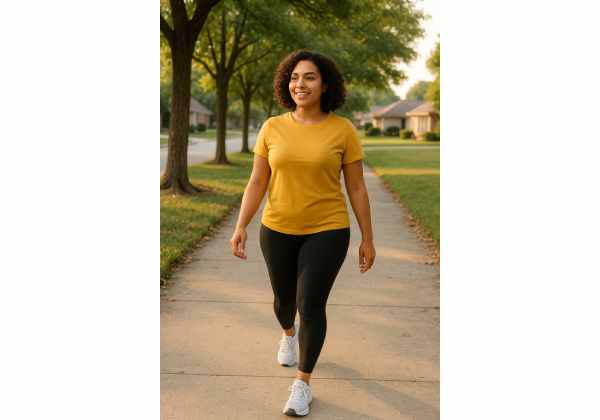
The simplest guideline is this: walk soon after you finish eating, at a pace that feels light to moderate, for about 10 minutes. That is enough to make the habit realistic and enough to create a useful signal to your body that the meal is over and movement has started.
For most people, “soon after” means within about 5 to 20 minutes of finishing the meal. You do not need to march out the door the second you put down your fork. A brief pause to clear the table, refill your water, or use the bathroom is fine. What matters more is that you do not let the walk drift into “maybe later tonight.” The closer it stays to the meal, the easier it is to remember and the more likely it is to help with the post-meal glucose rise.
Pace matters, but not in the way many people think. You do not need a power walk after every meal. Start with a comfortable pace where you can still talk in full sentences but feel that you are moving with purpose. For many people, that means:
- The first 1 to 2 minutes are easy and relaxed.
- The middle 6 to 8 minutes are a steady, natural walking pace.
- The last minute slows slightly before you stop.
A brisk walk can be useful, but very hard effort right after a large meal is often uncomfortable. If you feel sloshy, bloated, or crampy, the pace is probably too high or the meal was too big to follow immediately with faster movement. In that case, keep the walk easy or wait 10 to 15 minutes before heading out.
Meal size changes the feel of the walk. After a lighter breakfast or lunch, you may feel good walking right away. After a heavier dinner, especially one high in fat or very spicy, a short delay and gentler pace may feel better. This is also where meal timing habits can help. If your meals are extremely irregular or large because you go too long without eating, after-meal walks can feel harder to maintain.
Duration is the next question. Ten minutes is an excellent default because it is short enough to fit most days and long enough to count. Once the habit feels easy, you can keep it at 10 minutes, extend one meal walk to 15 or 20 minutes, or add extra steps elsewhere in the day. But do not make the early mistake of turning a reliable 10-minute routine into an idealized 30-minute one that you skip.
Aim for “easy to repeat” before “optimal.” The best pace and duration are the ones you can do again tomorrow.
A simple two-week starter plan
The best way to start is not to promise yourself a perfect three-walk day forever. It is to build a pattern that succeeds even when life is busy. A two-week plan works well because it gives your routine time to settle without feeling endless.
Here is a simple progression:
- Days 1 to 3: Walk for 10 minutes after one meal each day.
Pick the easiest meal to anchor first. For many people, dinner works best because it is more predictable. - Days 4 to 7: Keep that first walk and add a second 10-minute walk after another meal on at least 3 days.
This is where the habit starts to feel like part of your day rather than a random task. - Week 2: Aim for 10 minutes after two meals most days, and try three short post-meal walks on 2 to 4 days.
That gives you flexibility without the all-or-nothing trap.
If this feels too easy, resist the urge to jump ahead immediately. Early success matters more than early intensity. A habit that feels “almost too small” is often the one that survives bad weather, stress, travel, and low motivation.
To make the plan work, decide your specifics in advance:
- Which meal is your anchor meal?
- Where will you walk?
- What will you do if weather is bad?
- How will you know the walk is complete?
Your route can be simple: one loop around the block, laps in a hallway, walking the stairs and landing, a treadmill, or even pacing during a phone call. The more obvious the route, the lower the friction.
Tracking should stay light. You do not need a spreadsheet at first. A simple check mark on your phone, calendar, or notes app is enough. If you prefer a broader view of progress, use a method like tracking without calorie counting so the habit supports your weight-loss effort without turning into another source of stress.
You can also use a few practical rules to protect the streak:
- “Something counts”: even 5 minutes is better than skipping entirely.
- “Miss once, resume next meal”: never turn one missed walk into a missed day.
- “Shoes on before excuses”: change your state before you negotiate with yourself.
If you already walk for exercise, keep this separate in your mind. Your planned workout is fitness training. Your 10-minute post-meal walk is a daily anchor habit. That distinction helps because it keeps you from thinking, “I trained this morning, so the dinner walk does not matter.” It still matters, because it serves a different purpose: consistency, appetite rhythm, and more total movement across the day.
How to make the habit stick
Most people do not fail at after-meal walks because walking is hard. They fail because the environment does not support the habit. The solution is not more motivation. It is better setup.
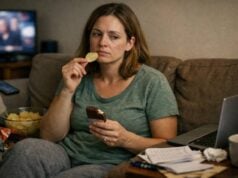
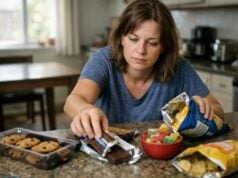
Start by removing the moments where the habit can disappear. If you finish eating and immediately sit down, open your laptop, or start scrolling, the walk is much less likely to happen. Create a visible bridge between the meal and the walk. Leave your shoes by the door. Put a light jacket on the chair before dinner. Set a recurring reminder for 10 minutes after your usual meal times. The goal is to make the next step obvious.
Identity matters too. Instead of thinking, “I am trying to remember to walk,” think, “I am someone who moves after meals.” That sounds small, but habits stick better when they become part of how you see yourself. It also lowers the emotional drama around the choice. You are not debating whether you feel like walking. You are simply doing the next thing your routine includes.
Use friction in your favor. If evening TV tends to erase your plans, make the walk come first. If family logistics are the issue, turn the walk into part of the family routine. If work is the problem, make lunch your most protected walking slot and use ideas from office-friendly weight-loss habits to fit movement into a more sedentary day.
A few strategies work especially well:
- Shrink the starting line. Tell yourself you only need 5 minutes. Once you start, 10 often happens naturally.
- Pair the walk with a reward. Listen to a favorite podcast, call a friend, or save a certain playlist for post-meal walks.
- Use backup versions. Rain, darkness, or a long meeting should not erase the habit. Have an indoor hallway route, stair option, or treadmill plan ready.
- Keep it visible. Count consecutive days or weekly totals somewhere you can see.
Busy schedules do not cancel the benefit. In fact, this is one reason short walks work so well. They fit into the edges of life better than long exercise sessions. If you spend much of the day sitting, a post-lunch or post-dinner walk can complement a broader desk-job movement plan and help keep your daily movement from collapsing.
Most of all, protect the habit from perfectionism. You do not need ideal weather, a fitness watch, or three flawless walks per day. You need a version you can still do when the day is ordinary. That is how simple actions become real weight-loss habits instead of good intentions.
Common problems and safe adjustments
After-meal walks are simple, but they are not one-size-fits-all. A few small adjustments can make them more comfortable and safer.
“I feel too full after dinner.”
This is common, especially after a heavy, high-fat, or restaurant-style meal. Slow the pace and shorten the route for that meal. You can also wait 10 to 20 minutes before starting. The walk does not need to be aggressive to be useful.
“I have reflux or stomach discomfort.”
Keep the walk easy, stay upright, and avoid steep hills right after eating. If symptoms flare often, dinner may not be the best anchor meal. Try breakfast or lunch instead.
“My knees or hips do not like it.”
Use a flatter route, better shoes, or a softer surface. Indoors, a treadmill on low incline can feel easier than uneven sidewalks. If joint pain is already an issue, consider joint-friendly low-impact options on days when outdoor walking feels rough.
“I have diabetes or take glucose-lowering medication.”
Because post-meal activity can lower blood glucose, be more careful if you use insulin or medicines that can cause hypoglycemia. You may need to monitor how your body responds and discuss timing with your clinician, especially if you are new to exercise.
“I get side stitches or cramps.”
Usually that means the pace is too fast, the meal was too large, or you started too soon. Ease up, breathe more steadily, and use a gentler first few minutes.
“I walk after meals, but I am still not losing weight.”
That does not mean the walks are useless. It usually means they are not enough on their own to overcome the rest of your intake and activity pattern. Keep the walks, but zoom out. Look at portions, liquid calories, weekend eating, sleep, stress, and total daily movement. Short walks are supportive, not magical.
There are also times when you should not push through. Stop and get medical guidance if you notice chest pain, severe shortness of breath, dizziness, faintness, sudden leg pain, or symptoms that are clearly out of proportion to the effort. Get advice before starting if you have significant balance problems, severe neuropathy, recent surgery, unstable heart symptoms, or another condition that makes walking unsafe without supervision.
The safest approach is to stay honest about your body’s response. The walk should leave you feeling a little more awake, not wiped out. It should feel repeatable, not punishing. When you make small adjustments early, you are much more likely to keep the habit long enough for it to matter.
What results to expect
The most useful expectation is this: 10-minute walks after meals can help weight loss, but they usually work through steady accumulation, not dramatic weekly changes. If you start this habit and expect a rapid drop on the scale from walking alone, you will probably be disappointed. If you expect better consistency, more daily movement, fewer long sedentary stretches, and a small but meaningful boost to your overall plan, you are thinking about it the right way.
In the first 1 to 2 weeks, the most noticeable changes are often not scale changes. Many people report feeling less sluggish after meals, more in control of evening snacking, and more aware of how often they would normally sit right after eating. That matters because behavior changes often show up before body-composition changes.
Over 4 to 8 weeks, the effect depends on what else is happening. If these walks help you move from mostly sedentary to regularly active, improve appetite control, and support a sustainable calorie deficit, they can contribute to measurable fat loss over time. If everything else stays the same and the walks are the only change, progress may be slower and more modest.
Track more than one outcome:
- Body weight, ideally under similar conditions each week
- Waist measurement every 2 to 4 weeks
- Step count or number of post-meal walks completed
- Energy after meals
- Evening hunger and snack frequency
This broader view keeps you from misreading short-term fluctuations. Water retention, sodium intake, hormonal changes, and meal timing can all blur scale results. A better trend usually appears when you look across several weeks, not several days. Tools like daily weigh-ins with trend tracking can help if you prefer more data, but a weekly check is enough for many people.
One important point: do not let these walks crowd out the rest of your plan. The habit works best when it sits inside a full routine that includes adequate protein, mostly nutritious meals, good sleep, and stress management. If poor sleep is pushing hunger up and recovery down, your walking habit may still help, but it will be working uphill. That is why basics like getting enough sleep for weight loss still matter.
The real win is not that a 10-minute walk is powerful on its own. It is that it is small enough to repeat, and repeated behaviors are what change body weight. When a habit survives busy weeks, travel, low motivation, and imperfect days, it becomes part of the system that keeps progress moving.
References
- WHO guidelines on physical activity and sedentary behaviour 2020 (Guideline)
- After Dinner Rest a While, After Supper Walk a Mile? A Systematic Review with Meta-analysis on the Acute Postprandial Glycemic Response to Exercise Before and After Meal Ingestion in Healthy Subjects and Patients with Impaired Glucose Tolerance 2023 (Systematic Review)
- Exercise Prescription for Postprandial Glycemic Management 2024 (Review)
- Aerobic Exercise and Weight Loss in Adults: A Systematic Review and Dose-Response Meta-Analysis 2024 (Systematic Review and Meta-Analysis)
Disclaimer
This article is for general educational purposes only and is not a substitute for medical advice, diagnosis, or treatment. If you have diabetes, heart symptoms, major joint pain, balance problems, recent surgery, or take medications that affect blood sugar, get personalized guidance before starting regular after-meal walks.
If you found this article useful, please share it on Facebook, X (formerly Twitter), or any other platform where it might help someone build a simple, realistic weight-loss habit.