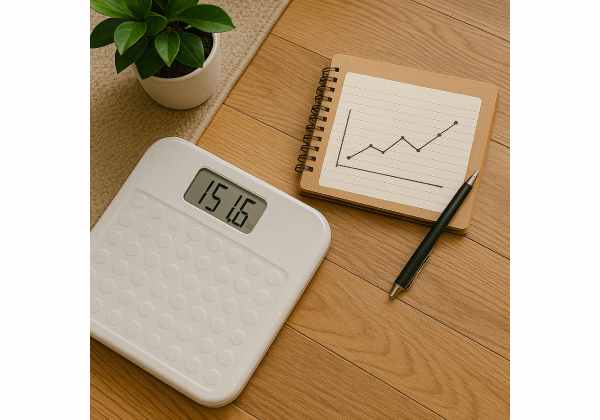
A scale can be useful, misleading, motivating, irritating, and oddly dramatic all before breakfast. That is why daily weigh-ins create so much confusion. One morning you are down a pound and feel encouraged. The next morning you are up two pounds and wonder whether your plan has stopped working. In reality, the number on the scale reflects much more than body fat. Water, sodium, muscle soreness, hormones, digestion, and sleep can all move it around from one day to the next. Used well, daily weighing can help you spot real trends earlier, stay connected to your habits, and make calmer adjustments. Used badly, it can turn into a referendum on your self-control. This article explains what daily weigh-ins actually show, how to read a trend instead of a single number, how to set up a consistent routine, and how to use the data without sliding into obsession.
Table of Contents
- What Daily Weigh-Ins Actually Measure
- Why Trends Beat Single-Day Readings
- How to Set Up a Reliable Weigh-In
- Normal Reasons Your Weight Jumps
- When Daily Weighing Helps and When It Hurts
- How to Use the Data Without Obsessing
What Daily Weigh-Ins Actually Measure
The scale does not measure fat loss directly. It measures total body mass at that moment. That includes body fat, muscle, glycogen, water, food in your digestive tract, waste, and even the clothes you are wearing if you step on at different times. Once you understand that, the emotional charge of a single weigh-in starts to fade.
This matters because weight loss is rarely a smooth line. Even when someone is doing almost everything right, the scale can rise for a day or two because they ate a salty dinner, had a hard workout, slept poorly, traveled, or are retaining fluid for hormonal reasons. None of that means fat gain appeared overnight. It means the scale is picking up short-term noise along with long-term change.
That is also why body weight and body progress are not identical. You can be losing fat while seeing slower scale change if you are strength training, retaining water after exercise, or entering a phase of your menstrual cycle that reliably pushes scale weight up. You can also see a quick drop that is mostly water, especially at the start of a diet change.
A useful way to think about the scale is this:
- It is a feedback tool, not a verdict
- It shows direction better than it shows meaning
- It becomes more useful when repeated under similar conditions
- It should sit alongside other markers of progress
Those other markers matter. Waist measurements, how your clothes fit, workout performance, hunger patterns, energy, and consistency with core habits often tell you as much as the scale does. If you want a fuller picture, it helps to pair weigh-ins with other forms of progress tracking beyond the scale.
Daily weigh-ins can work well because they give you more data, not because each data point is especially important. One reading is noisy. Twenty readings start to tell a story. That story becomes even more useful when you connect it to behavior. For example, you may notice that restaurant meals create a two-day bump, poor sleep shows up as a temporary increase, or a more regular eating schedule leads to calmer trends. Those patterns are valuable because they make weight change less mysterious.
The real shift is mental. A daily weigh-in should answer, “What does the trend suggest?” not “How should I feel about myself today?” When you use the scale to observe instead of judge, it becomes much easier to keep it in its proper place.
Why Trends Beat Single-Day Readings
If you only take one weight reading each week, you might accidentally catch your highest or lowest day and build a whole story around it. Daily weigh-ins reduce that problem because they let you smooth out the randomness. The best use of daily weighing is not staring at daily change. It is building a weekly trend.
A trend is simply the general direction of your weight over time. Many people use a 7-day rolling average, though some prefer two-week averages when their weight fluctuates a lot. The idea is simple: instead of reacting to this morning’s number alone, you compare recent averages with earlier averages. That gives you a calmer, more accurate view of what is happening.
Here is why this works so well:
- A one-day jump may be water, not fat
- A one-day drop may be dehydration, not real progress
- A weekly average is less affected by restaurant meals, sodium, and bowel habits
- Repeated data points show whether your plan is actually moving you down over time
Imagine two weeks of weigh-ins. In week one, your numbers bounce between 184.8 and 186.4. In week two, they bounce between 183.9 and 185.5. The ranges overlap, so single days feel confusing. But the average may still be down by nearly a pound. That is useful information. It tells you the plan is working, even if the day-to-day picture looks messy.
This approach also protects motivation. People often get discouraged because they expect weight loss to look clean and linear. It rarely does. Seeing the average fall, even slowly, can stop you from making panicked changes too early. That is especially helpful if you are following a simpler system like tracking without counting calories and need a practical way to check whether your habits are adding up.
A good review routine looks like this:
- Weigh daily under similar conditions.
- Record the number without interpreting it immediately.
- Review the 7-day average once or twice per week.
- Make changes only if the trend is flat or rising for at least two to three weeks.
- Compare the weight trend with your behavior trend, not just your hopes.
That last step matters more than many people realize. If the trend is flat but your habits were inconsistent, the answer is usually not a harsher plan. It is a steadier one. If the trend is flat and your habits were solid, then an adjustment may be appropriate.
Trend tracking also helps emotionally. Instead of chasing reassurance from every weigh-in, you start trusting the process. That is a big part of durable weight-loss motivation. Motivation tends to improve when the data feels understandable. Daily weigh-ins do that best when they are treated like a series, not a spotlight.
How to Set Up a Reliable Weigh-In
Daily weighing only helps if the conditions are reasonably consistent. If you weigh at 6 a.m. one day, 10 p.m. the next day, and after a large lunch on the third, you will create extra noise that makes the data harder to interpret. The goal is not perfection. It is repeatability.
For most adults, the most reliable time is first thing in the morning:
- After using the bathroom
- Before eating or drinking
- Before getting dressed, or in the same light clothing
- On the same scale
- In the same spot on the floor
A hard, flat surface is best. Carpet can make many scales read inconsistently. If your scale drifts or seems unreliable, replace the batteries or test it with a known object. Tiny measurement errors matter less over time, but obvious inconsistency will make the whole habit more frustrating.
It also helps to remove small sources of friction. Keep the scale somewhere accessible, not buried in a closet behind winter coats. Decide in advance where you will log the number: a notes app, spreadsheet, smart-scale app, or paper tracker. The easier the process feels, the more likely it becomes an automatic habit rather than a morning negotiation.
A simple routine might look like this:
- Wake up and use the bathroom.
- Step on the scale before checking your phone.
- Log the number in the same place every day.
- Move on without analysis.
- Review the trend later, not in the moment.
That “move on” step is underrated. Many people get into trouble because the weigh-in becomes the opening scene of an all-day emotional spiral. A better approach is to attach it to a steady morning routine and give it very little drama. Weigh. Record. Continue.
You may miss days sometimes. That is normal. Daily weighing is a helpful pattern, not a moral test. Missing one or two mornings does not ruin the usefulness of the trend. Just resume the next day. What matters is the overall rhythm.
You should also decide in advance what the number is for. Is it to keep an eye on maintenance? To monitor a fat-loss phase? To catch weekend regain early? To connect behavior with outcomes? People do better when the purpose is specific. “I weigh daily so I can review the weekly average and spot changes early” is far more useful than “I weigh daily because I am supposed to.”
Finally, do not expect the routine to feel emotionally neutral right away. For some people, it gets easier after a week or two because familiarity lowers the intensity. The number loses some of its power when it becomes ordinary. That is one reason daily weigh-ins can work surprisingly well: repetition can turn a loaded event into a simple measurement.
Normal Reasons Your Weight Jumps
A sudden increase on the scale is often not a sign that fat loss has stopped. It is usually a sign that the body is doing something normal. This is one of the most important lessons in successful trend tracking: temporary weight gain is common even during steady fat loss.
Some of the most common reasons include:
- Sodium: A salty restaurant meal can cause temporary fluid retention.
- Higher carbohydrate intake: Carbohydrates are stored with water as glycogen, so a higher-carb day can push the scale up briefly.
- Hard training: Sore muscles can hold extra water while recovering.
- Hormonal changes: Many women notice predictable weight increases before or during part of the menstrual cycle.
- Constipation or slower digestion: More material in the gut means more scale weight.
- Poor sleep: Sleep disruption can shift appetite, hydration, and routine.
- Travel: Long flights, schedule disruption, restaurant food, and dehydration can all change scale readings.
- Alcohol: It can disrupt sleep, change eating patterns, and affect hydration status.
This is why someone can “gain” two pounds after a disciplined weekend and still be making progress. To truly gain two pounds of body fat, you would generally need a very large calorie surplus, not one salty dinner and a late bedtime. The scale is reacting to short-term physiology, not just calorie balance.
Early weight loss can be misleading in the opposite direction too. In the first week or two of a new plan, especially if carbohydrate intake drops or food structure improves, weight may fall quickly because glycogen and water shift. That is real change, but it is not all fat loss. Later, progress often looks slower even when the plan is working exactly as it should. This is one reason articles on water, glycogen, and scale stalls resonate so much with people trying to lose weight.
Hormonal fluctuations deserve special mention because they can create discouraging but entirely predictable bumps. If you menstruate, it can help to compare this month’s cycle pattern with last month’s instead of comparing every day to the day before. In some cases, what feels like a stall is really a repeating fluid pattern, similar to what many people notice with water retention and phantom plateaus.
A useful question when the number jumps is not “What did I do wrong?” but “What else changed?” Think about meals out, sleep, travel, constipation, soreness, and timing. When you do that often enough, the scale becomes less mysterious. You start seeing cause and effect instead of assuming failure.
This perspective also keeps you from making bad decisions. Cutting calories sharply because of a two-day bump is one of the most common mistakes in weight loss. Often the best response is patience, hydration, normal meals, and a return to routine. In a few days, the trend usually tells the truth.
When Daily Weighing Helps and When It Hurts
Daily weigh-ins are not mandatory, and they are not right for everyone. They tend to help most when they create awareness, accountability, and quicker course correction. They tend to hurt when they amplify shame, compulsive checking, or body preoccupation.
Daily weighing often works well for people who:
- Prefer objective feedback
- Tend to avoid the scale until regain becomes obvious
- Want early warning after weekends, holidays, or travel
- Can separate a number from their self-worth
- Use the scale as one data point among several
For these people, frequent weighing can make weight management feel less mysterious. It shortens the gap between behavior and feedback. Instead of waiting a month to realize portion sizes drifted or weekends are wiping out the deficit, they can catch it within days and correct gently.
But there are clear cases where daily weighing may not be the best tool. Be cautious if you have:
- A history of eating disorders or disordered eating
- Strong body-image distress
- Compulsive checking habits
- Severe anxiety around numbers
- A pattern of punishing exercise or restriction after higher weigh-ins
In those situations, daily weigh-ins can turn from informative to destabilizing. A more structured weekly check, or a different form of monitoring altogether, may be safer and more effective. Weight loss is supposed to improve health, not make daily life narrower and more tense.
There is also a middle ground. Some people do not need to weigh daily forever. They may use it during a focused phase, then switch to three times per week or weekly in maintenance. Others prefer a rule such as “daily weigh-ins, weekly review.” That gives them the benefits of more data without the emotional trap of constant interpretation.
The larger point is that self-monitoring should support the rest of your plan. It should fit into a broader picture of diet, exercise, sleep, and stress, not crowd it out. If weigh-ins become the only thing you are paying attention to, they are probably taking up too much space.
Watch for warning signs that the habit is becoming unhelpful:
- You weigh multiple times a day for reassurance
- A higher number changes your mood for hours
- You skip meals to “fix” the number
- You cancel social plans because of scale anxiety
- You feel unable to take a rest day because the number is up
A good tool should increase clarity. If it is increasing fear, rigidity, or self-criticism, the problem is not your willpower. It may simply be the wrong tool, or the right tool used too intensely. In that case, stepping back is not failure. It is wise adjustment.
How to Use the Data Without Obsessing
The healthiest way to use daily weigh-ins is to create distance between the number and the decision. You do not need to respond to every bump. You need a review system that tells you when a response is actually warranted.
A practical rule is to make changes only after two to three weeks of trend data, not after one surprising morning. That window is long enough to absorb most normal fluctuations and short enough to catch a real stall before a month disappears. It also nudges you toward better questions:
- Have I been following the plan consistently?
- Is my average weight flat, rising, or falling?
- Have sleep, travel, alcohol, stress, or restaurant meals changed?
- Am I reacting to a true pattern or a single reading?
When an adjustment is needed, keep it small. That may mean slightly tighter portions, a more consistent meal structure, less weekend drift, or a modest increase in activity. It rarely means an extreme calorie cut. Overreacting to the scale is one of the fastest ways to create burnout.
You also need rules for self-talk. Useful weighing sounds like this:
- “Interesting. Let me see what the weekly average does.”
- “That is probably water from yesterday’s meal.”
- “The trend has been flat for three weeks, so I will tighten one habit.”
Unhelpful weighing sounds like this:
- “I ruined everything.”
- “Nothing works for me.”
- “I need to skip meals today.”
That difference matters because the real danger is not the scale itself. It is the meaning attached to it. When the meaning becomes harsh, the behavior around food often gets harsher too. A better mindset is to treat the weigh-in as a prompt for review, not punishment.
It also helps to plan your reset response ahead of time. If you see a jump after a social weekend, your script might be:
- Drink water normally.
- Eat regular meals with protein and fiber.
- Take a walk and return to routine.
- Review the 7-day average later in the week.
- Do not compensate with restriction.
This is the same principle that makes recovering from lapses without spiraling so important. The people who do well long term are rarely the ones who never see a frustrating number. They are the ones who keep the number from taking over the next 24 hours.
Finally, keep expectations realistic. Safe, sustainable weight loss is usually slower than impatient minds prefer. If your average is drifting down over months, even with occasional stalls, you are on track. If you need a grounding reference point, it helps to understand a safe rate of weight loss before deciding your progress is too slow.
Daily weigh-ins are most powerful when they become boring. That may sound strange, but it is the goal. Boring means neutral, routine, and stripped of drama. Once the number becomes ordinary, the trend can do its job.
References
- Self-Monitoring of Weight as a Weight Loss Strategy: A Systematic Review 2024 (Systematic Review)
- Daily self-weighing compared with an active control causes greater negative affective lability in emerging adult women: A randomized trial. 2023 (RCT)
- Choosing a Safe & Successful Weight-loss Program 2026 (Guidance)
- Eating & Physical Activity to Lose or Maintain Weight 2023 (Guidance)
- Obesity Management in Adults: A Review 2023 (Review)
Disclaimer
This article is for general educational purposes only. If weighing yourself triggers anxiety, compulsive behaviors, body-image distress, or disordered eating, speak with a qualified clinician, therapist, or registered dietitian for personalized guidance.
If you found this article helpful, please share it on Facebook, X, or your preferred platform.