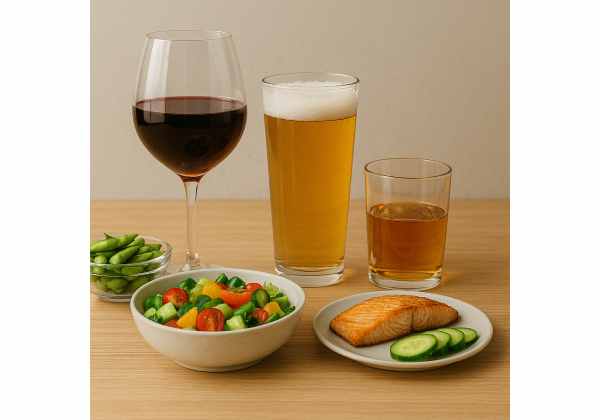
Alcohol can fit into a weight loss plan, but it is one of the easiest places for calories to pile up without much fullness in return. A couple of drinks can quietly erase the calorie deficit you created earlier in the day, especially when alcohol also lowers inhibitions and makes late-night food look even better.
That does not mean you have to give it up completely. It means you need to understand which drinks cost the fewest calories, which ones are deceptively heavy, and how to drink in a way that does not turn one social night into a weekend setback. This guide covers how alcohol affects fat loss, what to order, what to avoid, and how to limit calories while staying realistic.
Table of Contents
- How alcohol affects weight loss
- How many calories are in common drinks
- Best drinks if you want to limit calories
- Drinks that add up fast
- How to drink with fewer calories
- How to handle restaurants and social events
- When it makes sense to skip alcohol
- Common mistakes that stall progress
How alcohol affects weight loss
Alcohol affects weight loss in two main ways: it adds calories, and it often changes behavior around food. The calorie part is straightforward. Alcohol provides about 7 calories per gram, which puts it closer to fat than to protein or carbs in energy density. Those calories also tend to be easy to overlook because they come in liquid form and do not create much fullness.
The behavioral side is often the bigger problem. After a drink or two, people usually become less precise with portions, more likely to snack, and more willing to order foods they would normally skip. That is why alcohol can interfere with progress even when the drink itself does not seem extreme.
The effect is rarely just the drink. It is the full chain of events:
- drinks before dinner
- appetizers that suddenly sound necessary
- less awareness of portions
- late-night takeout or fast food on the way home
- worse sleep, which can increase cravings the next day
This is one reason alcohol fits the same pattern as many other diet mistakes that stall weight loss. The issue is not that one choice is catastrophic. It is that the extra calories show up in clusters.
Alcohol can also make it harder to stay consistent with the basics that support fat loss. People often skip meals to “save calories” for drinks, then get overly hungry and overeat later. Others underestimate how much they drank because restaurant pours, craft cocktails, wine glasses, and hard seltzers can contain more alcohol than they assume.
There is also an important difference between moderate drinking and heavier drinking. Light or occasional intake does not guarantee weight gain on its own, and the research on moderate alcohol and weight outcomes is mixed. But once alcohol regularly adds substantial calories or repeatedly leads to overeating, it becomes much harder to maintain a steady deficit.
The practical takeaway is simple: alcohol is not uniquely fattening in some magical way. It works like anything else that adds energy. The difference is that it is easy to underestimate, it rarely helps fullness, and it often leads to extra food intake on top of the drink calories themselves. If your goal is fat loss, the useful question is not “Can I ever drink?” It is “Can I drink in a way that still fits my overall calorie budget and behavior pattern?”
How many calories are in common drinks
Alcohol calories vary more than people expect. The number depends on both the alcohol itself and anything mixed into it. A spirit poured neat or with zero-calorie mixer can stay fairly modest. The same spirit in a sugary cocktail can end up two to four times higher in calories.
Portion size matters just as much. A standard drink is not the same thing as a typical restaurant pour or a generously filled home glass. Larger glasses, stronger beers, sweeter wines, and cocktail recipes with multiple shots can all make the real calorie count much higher than the number you had in mind.
| Drink | Typical serving | Approximate calories | Main calorie driver |
|---|---|---|---|
| Light beer | 12 oz | 90–110 | Alcohol plus small amount of carbs |
| Regular beer | 12 oz | 140–170 | Alcohol plus more carbs |
| Dry wine | 5 oz | 120–130 | Alcohol |
| Champagne or sparkling wine | 5 oz | 90–120 | Alcohol |
| 80-proof spirits | 1.5 oz | 95–105 | Alcohol |
| Hard seltzer | 12 oz | 90–110 | Alcohol plus small amount of carbs |
| Vodka soda with lime | 1 drink | 100–140 | Mostly alcohol |
| Gin and tonic | 1 drink | 170–230 | Tonic water sugar plus alcohol |
| Margarita | 1 drink | 250–400 | Multiple shots, syrup, liqueur, mix |
| Piña colada | 1 drink | 300–500 | Creamy mixers, sugar, alcohol |
These numbers are useful as rough guides, not guarantees. The biggest surprises usually come from:
- oversized pours at bars or restaurants
- craft beers with higher alcohol by volume
- wine glasses filled far past 5 ounces
- cocktails made with juice, syrup, cream, or more than one shot
- tonic water, which is often mistaken for calorie-free like club soda
That last point matters. Club soda, plain seltzer, and diet soda are usually very low or zero calorie. Tonic water is not. People often lump them together and accidentally order a much higher-calorie drink than they realized.
If you are trying to lose weight, this is where awareness helps more than perfection. You do not need to memorize every number, but you do need a realistic sense of how fast drink calories can accumulate. A glass of wine with dinner may fit comfortably. Two cocktails before dinner, wine with the meal, and a shared dessert often will not.
Best drinks if you want to limit calories
The best drinks for weight loss are usually the simplest ones. In general, that means drinks with a clear serving size, a moderate alcohol content, and little or no sugar added from mixers.
The most reliable lower-calorie options include:
- light beer
- hard seltzer
- dry wine
- sparkling wine
- spirits mixed with club soda, plain seltzer, or diet soda
- spirits served neat or on the rocks, if that suits you
Vodka soda with lime is popular for a reason. It is easy to order, relatively easy to estimate, and usually lower in calories than juice-based or creamy cocktails. The same basic idea works with tequila soda, gin with soda water, or whiskey on the rocks. Dry wine can also fit well because the serving is familiar and the calorie count is fairly predictable when the pour is controlled.
Hard seltzers are useful too, especially for people who want something lighter than beer or sweeter than plain spirits. The catch is that not all cans are equal. Higher-alcohol versions can contain more calories than the standard 90 to 110 range, so checking the can or brand details still matters.
Dry sparkling wine can be one of the more overlooked choices. A standard flute is often reasonable in calories, and the slower sipping pace can help people drink less overall than they would with cocktails.
This is where beverage swaps matter more than strict restriction. Replacing one sugary cocktail with a simpler mixed drink can cut a meaningful number of calories without making the night feel like punishment. That is the same logic behind choosing lower-calorie beverages and hydration strategies the rest of the week.
A few practical rules make drink choices better:
- choose one alcohol source per drink, not several
- choose zero-calorie or low-calorie mixers
- avoid drinks with cream, frozen bases, heavy syrups, or sweet liqueurs
- keep an eye on alcohol by volume, not just drink size
- measure home pours occasionally so your mental estimate stays honest
The “best” drink is not always the one with the absolute fewest calories. It is the one that you enjoy, can estimate reasonably well, and are least likely to turn into three more drinks. For some people that is wine. For others it is a simple spirit-and-soda drink. The more predictable the drink, the easier it is to fit into your plan.
Drinks that add up fast
Some drinks are calorie traps not because they are forbidden, but because they are easy to underestimate. Most of the trouble comes from three things: sugar, size, and multiple servings of alcohol in one glass.
Cocktails are the biggest category to watch. Margaritas, mojitos, daiquiris, espresso martinis, piña coladas, mudslides, and many frozen drinks can carry far more calories than a person expects. The alcohol contributes some of the total, but the mixers often do most of the damage. Juice, simple syrup, tonic, cream, coconut cream, sweet liqueurs, sour mix, soda, and flavored syrups can push the calorie count up very quickly.
Beer can also add up fast, especially when it is strong or served in a larger glass. A craft IPA or imperial stout may not look that different from a standard beer, but the alcohol content and calories can be much higher. The same goes for “just one pint” when the pint itself is not equivalent to a standard drink.
Wine causes a different problem: generous pours. At home, people often pour 7 to 9 ounces and mentally count it as one glass. In calorie terms, that can be much closer to one and a half or even two standard servings.
Drinks that most often create trouble include:
- frozen cocktails
- creamy cocktails
- sweet martinis
- margaritas made with syrupy mix
- sugary canned cocktails
- craft beers with high alcohol by volume
- tonic-based drinks when tonic is poured freely
- large wine pours
- shots followed by mixed drinks later in the night
None of these are “bad” in isolation. The problem is how easy they are to stack. Two restaurant margaritas can rival a full meal in calories before any chips, queso, tacos, or dessert show up. That is why alcohol often pairs so badly with eating out. When restaurant food is already energy-dense, high-calorie drinks multiply the problem. The same issues show up in many takeout decisions that derail progress and in restaurant meals that look lighter than they are.
A useful mindset is to treat rich drinks like dessert. They can fit occasionally, but they are rarely the smartest default if fat loss is your priority. Save them for when they are genuinely worth it, not just because they are the first thing that caught your eye on a menu.
How to drink with fewer calories
The goal is not only to pick a lower-calorie drink. It is to build a whole evening that does less damage. Most people already know that vodka soda is lighter than a frozen cocktail. The harder part is controlling the chain reaction that often follows drinking.
A few strategies work especially well:
- Decide your limit before the first drink.
Choosing in advance is easier than negotiating with yourself after alcohol starts affecting judgment. - Eat a real meal first.
Drinking on an empty stomach often leads to faster intoxication and worse food decisions later. A meal with protein and fiber helps. Even a simple plate built from filling calorie-deficit foods works better than trying to “save calories” by skipping dinner. - Alternate alcoholic drinks with water or a no-calorie beverage.
This slows the pace, reduces total intake, and helps with hydration. - Use zero-calorie mixers.
Club soda, plain sparkling water, and diet soda usually beat juice, tonic, regular soda, and creamy bases. - Track the real number of drinks, not the number of glasses.
A large pour or strong cocktail may count as more than one standard drink. - Choose either alcohol or dessert more often, not both.
This single rule prevents a lot of nights from getting out of hand. - Plan the late-night food decision ahead of time.
The easiest fix is not having to improvise when you get home hungry. Keeping a smarter snack option ready can prevent the classic pizza or fast-food finish to the night.
One detail that matters more than people think is pace. A modest-calorie drink consumed slowly is very different from the same drink taken quickly and followed by two more. Drinking more slowly gives your appetite and judgment less chance to spiral.
It also helps to think in weekly terms. If you know you usually drink on Friday and Saturday, you can plan around that without being extreme. The goal is not to starve yourself beforehand. It is to make the rest of the week reasonably consistent so a social evening does not spill into a full weekend of overeating.
How to handle restaurants and social events
Restaurants, parties, weddings, vacations, and nights out are where alcohol calories become hardest to manage. The environment makes more of everything feel normal: bigger pours, more rounds, snackier foods, and more social pressure to keep participating.
The easiest strategy is to decide your drink pattern before you arrive. That could mean one drink with dinner, two drinks total, or choosing wine instead of cocktails. Making the rule in advance removes the need to improvise once the night gets going.
At restaurants, a few specific habits help:
- order water immediately and keep it on the table
- choose one simple drink and repeat it rather than browsing the cocktail menu all night
- skip pre-dinner drinks if you know dinner itself will be large
- avoid bottomless brunch formats if weight loss is a current priority
- order food before the second drink, not after it
Food choices matter just as much as the alcohol. Drinking tends to pair with salty, crunchy, high-calorie foods, which is why nights out can feel disproportionately damaging. If you are going to drink, it helps to keep the meal more structured. Lean protein, vegetables, and a reasonable starch portion go much farther than treating the meal like an open-ended cheat event. That same logic applies when you are navigating takeout and restaurant choices more broadly.
Social pressure is another real factor. People often drink more because they are matching the pace of the table or because saying no feels awkward. Having a default order makes this easier. So does switching to sparkling water with lime after your planned drink limit instead of making a big announcement about not drinking more.
For events like weddings or parties, use a simple hierarchy:
- first choice: a predictable, lower-calorie drink
- second choice: water between drinks
- third choice: a clear stopping point
- fourth choice: a plan for food after the event
The best result is not looking perfectly disciplined. It is leaving the event without feeling like you turned one evening into a three-day setback.
When it makes sense to skip alcohol
There are situations where the smartest move for weight loss is not choosing a lower-calorie drink, but skipping alcohol entirely. That does not have to be forever. It may just be the better choice for a particular phase or situation.
It often makes sense to skip alcohol when:
- you are in a very tight calorie deficit
- you struggle with overeating after even one or two drinks
- you are trying to break a weight loss plateau
- weekends are where most of your progress disappears
- you are already hungry, tired, stressed, or under-slept
- alcohol tends to trigger binge eating or “all-or-nothing” behavior
- you are taking medications that interact poorly with alcohol
- you are pregnant, trying to conceive, or have a medical reason to avoid alcohol
- you simply do not feel better when you drink
For some people, alcohol is not the main issue. For others, it is the hinge that swings the whole weekend off course. If that sounds familiar, a temporary break can be genuinely useful. It gives you a clear view of how much alcohol was affecting appetite, sleep, food choices, and recovery.
This matters even more if you notice a pattern of drinking plus night eating. In that case, the problem is not the calories in the drink alone. It is the full cycle of lower restraint, worse sleep, higher cravings, and more eating the next day. Many people who feel stuck discover that the stall has less to do with their weekday meals and more to do with recurring weekend drinking. That is the same pattern seen in alcohol-related weight stalls and weekend overeating patterns.
Skipping alcohol can also be worth trying when you want faster feedback. Cutting out several hundred drink calories a week often produces a clearer effect than endlessly shaving tiny amounts off lunch or breakfast.
Common mistakes that stall progress
Most alcohol-related weight loss problems come from a few repeated mistakes rather than from alcohol itself.
Mistake 1: Counting drinks by memory instead of by standard servings
A big glass of wine or a strong cocktail may contain more alcohol and more calories than you realize.
Mistake 2: Saving calories all day and arriving ravenous
This often backfires. Skipping meals to “earn” drinks can set up worse overeating later.
Mistake 3: Assuming clear liquor means low calorie no matter what
Vodka itself is moderate in calories, but what surrounds it matters. Juice, syrups, tonic, and multiple pours change the picture fast.
Mistake 4: Ignoring the food that comes with drinking
For many people, the wings, fries, pizza, tacos, chips, or dessert are a bigger calorie hit than the alcohol.
Mistake 5: Underestimating frequency
Two or three drinks several nights a week can add up even if no single occasion looks extreme.
Mistake 6: Treating weekends like they do not count
A steady weekday routine can be completely offset by regular Friday and Saturday overeating.
Mistake 7: Forgetting sleep and recovery
Alcohol often worsens sleep quality, and poor sleep can increase next-day hunger, cravings, and lower-friction eating.
The good news is that these mistakes are usually fixable with simple rules. Choose predictable drinks, slow the pace, eat first, count honestly, and plan for the food side of the evening. Weight loss does not require perfect abstinence for everyone, but it does require being realistic about where calories are coming from and how drinking changes your decisions.
References
- Dietary Guidelines for Americans, 2020-2025 – Executive Summary in English 2020 (Guideline)
- Weight Change Related to Alcohol Intake – Review of Evidence on Alcohol and Health – NCBI Bookshelf 2025 (Systematic Review)
- What Is A Standard Drink? | National Institute on Alcohol Abuse and Alcoholism (NIAAA) 2025 (Official Guidance)
- The Basics: Defining How Much Alcohol is Too Much | National Institute on Alcohol Abuse and Alcoholism (NIAAA) 2025 (Official Guidance)
- About Water and Healthier Drinks | Healthy Weight and Growth | CDC 2026 (Official Guidance)
Disclaimer
This article is for general educational purposes only and is not a substitute for medical advice, diagnosis, or treatment. If you are pregnant, have liver disease, pancreatitis, a history of alcohol use disorder, have had bariatric surgery, or take medications that interact with alcohol, get individualized guidance from a qualified clinician.
If this article helped, share it on Facebook, X (formerly Twitter), or any platform you prefer so others can use it too.