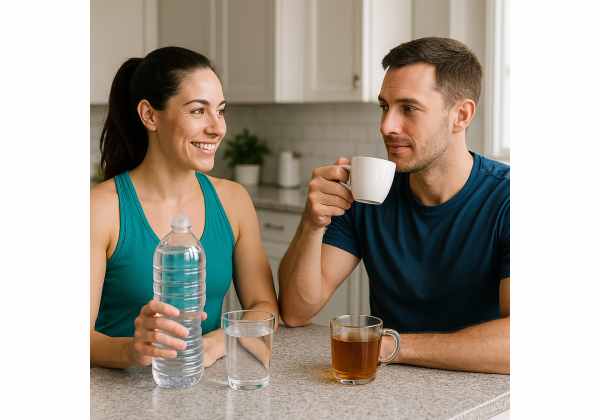
Hydration does not create fat loss by itself, but it can make weight loss noticeably easier. The right drinks can help reduce unnecessary calories, support training, improve appetite control, and keep you from confusing thirst with hunger. The wrong drinks can quietly erase a calorie deficit without making you feel especially full.
This guide explains how water, coffee, and tea fit into a weight-loss plan, what they can realistically do, where people get tripped up with liquid calories, and how to build simple hydration habits that support fat loss without turning every sip into a diet rule.
Table of Contents
- How Hydration Supports Weight Loss
- Why Water Is Still the Default Choice
- Coffee for Weight Loss: Benefits and Traps
- Tea for Weight Loss: What It Can and Cannot Do
- Beverage Calories That Quietly Slow Fat Loss
- A Simple Hydration Plan for Fat Loss
- When to Be More Careful With Caffeine and Fluids
How Hydration Supports Weight Loss
Hydration helps weight loss mostly by improving the conditions around fat loss, not by directly melting fat. That distinction matters because a lot of drink advice is framed like a shortcut. In reality, fluids support weight loss in more practical ways.
First, hydration can help with appetite control. People sometimes interpret thirst, dry mouth, or general sluggishness as hunger, especially when they are already dieting. A glass of water, sparkling water, plain tea, or plain coffee may not “kill appetite,” but it can reduce the urge to snack when the real issue is low fluid intake or habit.
Second, hydration supports training and daily movement. Even mild dehydration can make workouts feel harder, reduce focus, and make the day feel more tiring than it needs to. When that happens, step count drops, exercise quality falls off, and adherence to the bigger plan often gets worse.
Third, beverage choice affects calorie intake more than many people realize. Water, unsweetened coffee, and unsweetened tea contribute fluid with little or no energy. Sugary coffees, sweet teas, sodas, juices, and blended drinks can add a large amount of calories without creating the fullness you would usually get from solid food. That is one reason drink choices matter so much inside a calorie deficit.
A useful way to think about hydration for fat loss is this:
- hydration supports appetite awareness
- low-calorie drinks protect your calorie budget
- better fluid intake supports exercise, recovery, and routine
- liquid calories can either help or hurt, depending on what you choose
That also means hydration is not a replacement for good meals. Water will not compensate for meals that are too low in protein, too low in fiber, or too random to keep you full. Drinks work best when they support an overall eating pattern that already includes sensible meals and snacks, such as the kind of structure discussed in what to eat in a calorie deficit.
One of the most helpful mindset shifts is to stop asking whether water, coffee, or tea “burn fat” and start asking whether they make your fat-loss plan easier to follow. That is the more useful question. If a drink helps you stay hydrated, controls unnecessary calories, and fits naturally into your routine, it is doing its job.
| Drink | Typical calorie impact | Best use | Common problem |
|---|---|---|---|
| Water | Zero | Baseline hydration | Too easy to forget during busy days |
| Black coffee | Very low | Alertness and a low-calorie drink option | Add-ins can quickly raise calories |
| Unsweetened tea | Very low | Hydration with or without caffeine | Sweeteners, honey, and bottled versions add up |
| Specialty coffee drinks | Moderate to very high | Occasional treat | Easy to treat as “just a drink” instead of calories |
| Sweetened tea and soda | Often high | Rare use | Low fullness for the calories |
Why Water Is Still the Default Choice
Water is still the best default drink for weight loss because it solves the basic hydration problem without bringing extra calories, caffeine, sweet taste, or decision fatigue. It is not glamorous, and it is not a metabolism hack, but it is reliable.
That reliability is the real advantage.
Water helps most with weight loss when it replaces drinks that would otherwise add calories. Swapping water for soda, juice, sweet tea, sweet coffee drinks, energy drinks, or regular sports drinks can save a meaningful number of calories without reducing food volume. That is often a better trade than trying to remove more satisfying solid foods from meals.
Water can also help structure the day. Some simple habits that work well are:
- drinking a glass after waking
- having water with meals
- keeping a bottle visible at work or in the car
- drinking before automatically grabbing a snack
- increasing fluids around workouts, heat, or long walks
A lot of people ask for an exact daily number. There is no perfect target that fits everyone. Fluid needs change based on body size, food choices, activity, climate, caffeine intake, and individual sweat loss. A more practical approach is to use several signs together:
- urine is usually pale yellow rather than dark
- you are not going long stretches feeling dry, headachy, or foggy
- training and day-to-day energy do not feel worse because of low fluids
- thirst is not constantly showing up late in the day
Another reason water works so well is that it does not create “health halo” problems. People do not usually convince themselves that plain water deserves a pastry, or that a water bottle means they can ignore the rest of the day. But they sometimes do that with smoothies, wellness drinks, green juices, or heavily marketed functional beverages.
Water is also flexible. Still water, sparkling water, mineral water, chilled water, and water with lemon or cucumber slices can all work if they help you drink enough. You do not need to force plain room-temperature water if that makes you avoid drinking it.
It is also worth noting what water does not do. It does not erase overeating, make up for poor sleep, or replace meals. Some people try to use very high water intake as a way to suppress hunger instead of fixing meal quality. That usually backfires. If you are constantly trying to fill up on water because meals are not satisfying, the answer is usually better food structure, not more fluid.
Water works best as a support tool, not as a substitute for nutrition. It helps the overall system run better. It keeps drink calories low, makes daily routines easier, and creates a simple baseline you can trust.
Coffee for Weight Loss: Benefits and Traps
Coffee can absolutely fit into a weight-loss plan. In fact, plain coffee is often one of the easiest low-calorie drink options available. It may help with alertness, improve workout readiness for some people, and make mornings feel more manageable during a calorie deficit.
But coffee helps weight loss mostly because of how you use it, not because it is a miracle fat burner.
Black coffee is very low in calories. Coffee with a small amount of milk is still usually easy to fit into a deficit. Problems start when coffee turns into dessert. Flavored syrups, cream, whipped toppings, sweet cold foams, large servings of whole milk, sugary creamers, and blended drinks can push a “coffee” into the calorie range of a snack or even a meal.
That is why coffee works well for fat loss in some situations and poorly in others.
Coffee can help when:
- you drink it plain or lightly dressed
- it replaces a higher-calorie beverage
- it helps you stay alert for training or work
- it reduces the urge to graze just because you are tired or bored
Coffee becomes a problem when:
- it comes with hundreds of liquid calories
- it makes you skip meals and overeat later
- you keep adding “small extras” all day
- you use caffeine late enough to disrupt sleep
That last point matters more than many people expect. People often think of coffee as a motivation tool, but poor sleep can make hunger, cravings, and appetite regulation worse. So coffee can help weight loss in the morning and hurt it at night if the timing is poor. That is where a practical guide to caffeine timing for weight loss becomes more useful than generic “drink coffee to lose fat” advice.
If you buy coffee out regularly, the easiest win is usually not giving it up completely. It is learning what to order more intentionally. A plain cold brew, Americano, or a smaller milk-based drink usually fits far better than a large dessert-style option. That is also why some people benefit from a shortlist of lower-calorie coffee shop orders instead of trying to make perfect decisions in the moment.
The broader takeaway is simple: coffee can be an asset when it stays close to coffee. Once it becomes a sugary beverage habit, it can quietly work against fat loss. The difference is often not the caffeine. It is the calories attached to the caffeine.
Tea for Weight Loss: What It Can and Cannot Do
Tea is often marketed as a weight-loss solution, but its real value is usually much simpler than the marketing suggests. Unsweetened tea can support weight loss because it is a low-calorie drink, it can help with hydration, and some types contain caffeine that may slightly help alertness or appetite for some people. That is useful, but it is not magic.
For most people, tea helps most when it replaces higher-calorie drinks.
Black tea, green tea, oolong tea, white tea, peppermint tea, rooibos, ginger tea, and many herbal teas can all fit well into a fat-loss plan. The main practical differences are:
- some contain caffeine
- some are naturally more bitter or astringent
- some are more likely to be sweetened or flavored
- bottled versions often come with sugar
A big part of tea’s reputation comes from green tea and catechins. The evidence suggests that any direct effect on body weight is modest at best, not dramatic. So tea is better viewed as a supportive drink choice than as a serious fat-loss tool. If drinking tea helps you avoid soda, energy drinks, or sugary coffee, that is where the biggest real-world benefit often comes from.
Tea is also useful for people who want variety without calories. Plain water is still the default, but some people simply drink more overall when unsweetened hot or iced tea is part of the routine. That can help adherence because the plan feels less repetitive.
Tea tends to work especially well in these situations:
- as an afternoon alternative to snacking out of boredom
- as an evening drink when you want something comforting without calories
- as a cold drink in place of sweetened bottled beverages
- as a lower-calorie option with meals
The main trap is not tea itself. It is what gets added to it. Sweet tea, sweet bottled green tea, honey-heavy “wellness” tea, milk tea, and café tea drinks can turn a very low-calorie drink into a substantial calorie source. The same goes for the mindset that a “healthy tea” can justify extra snacking.
If you use sweeteners, the bigger issue is usually whether they help you stay consistent or keep your sweet preference unusually high. That balance looks different for different people, and it overlaps with the broader discussion around sugar and artificial sweeteners in weight loss.
The best way to use tea is to keep expectations grounded. Tea can help you hydrate, reduce beverage calories, and create a calming ritual that fits your day. That is already valuable. It does not need to be sold as a fat-burning shortcut to deserve a place in a good weight-loss routine.
Beverage Calories That Quietly Slow Fat Loss
One of the easiest ways to slow weight loss without realizing it is through drinks. Liquid calories are often less satisfying than solid food calories, easier to consume quickly, and easier to forget when mentally reviewing the day.
This is especially common with:
- regular soda
- sweet tea
- juice
- fancy coffee drinks
- blended café beverages
- energy drinks with sugar
- alcohol mixers
- smoothies
- milkshakes
- “healthy” bottled drinks with added sugars
The problem is not that every one of these drinks must be banned. The problem is that they often do very little for fullness relative to the calories they add. A drink that takes 250 to 500 calories out of your budget can make a calorie deficit much harder without making you feel as satisfied as a meal would.
A few drink categories deserve special attention.
Smoothies:
Smoothies can fit a weight-loss plan, but they are easy to oversize. Fruit, nut butter, milk, yogurt, honey, granola, seeds, and protein powder can create a drink that is nutritious but far more calorie-dense than expected. If you like them, use them intentionally and learn what a more controlled version looks like, especially with guidance on smoothies that fit a calorie deficit.
Alcohol:
Alcohol adds calories, lowers inhibition for some people, and often comes with extra snacking or late-night eating. Even when the drinks themselves are moderate, the surrounding eating pattern can make fat loss harder. That is why understanding how alcohol fits into weight loss matters more than just counting the calories in the glass.
Coffeehouse drinks:
These deserve repeating because they fool people so often. A drink can sound lighter than it is. “Oat milk,” “cold foam,” “light drizzle,” and “seasonal flavor” do not automatically mean low-calorie.
Juices and wellness drinks:
They often carry a healthy image while behaving more like fast calories than filling food.
A good rule is to ask one question before making a drink a daily habit: Does this drink help my plan, or is it just easy to ignore because it feels smaller than it is?
If a drink is worth it, enjoy it on purpose. But for day-to-day fat loss, most people do better when their regular fluids are built around water, plain coffee, unsweetened tea, and other low-calorie choices. That keeps more of the calorie budget available for food that is actually satisfying.
A Simple Hydration Plan for Fat Loss
The best hydration strategy for weight loss is the one you will actually follow. It should reduce beverage calories, make thirst less random, and fit naturally into your day without constant thought.
A simple plan might look like this:
- Start the day with water.
One glass on waking is often enough to create momentum. - Have a main drink plan for each part of the day.
For example:
- morning: water plus coffee
- afternoon: water or unsweetened tea
- evening: water or caffeine-free tea
- Pair fluids with meals.
This helps make hydration automatic rather than something you remember only after getting thirsty. - Use coffee and tea strategically, not constantly.
Keep them useful instead of turning them into all-day sipping habits that either crowd out food or disrupt sleep. - Keep higher-calorie drinks intentional.
Treat them like part of your intake, not invisible extras. - Increase fluids around workouts, heat, travel, or long active days.
- Do not rely on drinks to replace real meals.
Your beverage plan should support a solid eating structure, not cover for missing meals. That is especially true if you are trying to build more satisfying plates, as in a high-protein meal structure for weight loss.
A realistic example day could look like this:
- a glass of water after waking
- coffee with breakfast
- water through the morning
- water or sparkling water with lunch
- unsweetened iced tea in the afternoon
- water during and after training or walks
- herbal tea in the evening
This kind of plan works because it reduces decisions. You already know what your likely drinks are, which lowers the chance of defaulting to whatever is most available.
A few extra strategies help:
- carry a bottle you actually like using
- keep plain tea bags or coffee options where you work
- choose smaller café sizes by default
- pre-log higher-calorie drinks if you are tracking
- keep cold water visible in the fridge
- use caffeine-free tea as an evening ritual if snacking is habit-driven
The goal is not perfect hydration. The goal is a drink pattern that supports consistency. When fluids are set up well, they quietly make the rest of your fat-loss plan easier.
When to Be More Careful With Caffeine and Fluids
Water, coffee, and tea are generally easy to fit into a healthy weight-loss plan, but there are situations where extra care matters. Most of the caution points involve caffeine, sleep, medication interactions, or using drinks in ways that make the diet less sustainable.
Be more careful if:
- caffeine makes you anxious, shaky, or lightheaded
- you regularly get reflux or stomach irritation from coffee
- you rely on caffeine instead of sleep and recovery
- you are pregnant, trying to become pregnant, or breastfeeding
- you take medications that interact with caffeine
- you use high-caffeine pre-workouts, energy drinks, or multiple caffeine sources together
- you are drinking lots of fluids to avoid eating rather than improving your meals
One of the most common mistakes is using caffeine to override exhaustion. That can work for a few hours, but it often makes the bigger system worse if it pushes intake later in the day and damages sleep. Since sleep affects hunger, cravings, and energy regulation, this can quietly hurt fat loss over time. That is why drink strategy and sleep for weight loss are more connected than they seem.
Another issue is combining many caffeine sources without realizing it. Coffee, tea, energy drinks, pre-workouts, soda, and some supplements can stack quickly. What feels like moderate intake from one source can become excessive across the day.
It is also worth watching emotional patterns. Some people are not really using coffee or tea for hydration or enjoyment. They are using them to suppress hunger, skip meals, or distract from stress eating. That may look disciplined, but it often leads to a rebound later. If you repeatedly end up overly hungry at night, the problem may not be hydration. It may be under-eating, poor meal structure, or stress-driven habits.
Finally, weight loss should not become an excuse to ignore real symptoms. If you frequently feel dizzy, unusually thirsty, nauseated, weak, or unable to tolerate fluids, that is not something to push through with more discipline. It may need medical attention, especially if illness, medications, or a very low-calorie diet are involved.
Used well, water, coffee, and tea can support weight loss. Used carelessly, caffeine and drink habits can create sleep problems, extra calories, and appetite swings. The goal is not fear. It is awareness.
References
- Water Intake and Adiposity Outcomes among Overweight and Obese Individuals: A Systematic Review and Meta-Analysis of Randomized Controlled Trials 2024 (Systematic Review and Meta-Analysis)
- Outcomes in Randomized Clinical Trials Testing Changes in Daily Water Intake: A Systematic Review 2024 (Systematic Review)
- Beverages – a scoping review for Nordic Nutrition Recommendations 2023 2024 (Review)
- Sugar-sweetened beverage consumption and weight gain in children and adults: a systematic review and meta-analysis of prospective cohort studies and randomized controlled trials 2023 (Systematic Review and Meta-Analysis)
- Spilling the Beans: How Much Caffeine is Too Much? 2024 (Official Guidance)
Disclaimer
This article is for general educational purposes only. Hydration, caffeine tolerance, and beverage choices for weight loss can be affected by your health conditions, medications, pregnancy status, activity level, and overall diet, so this information is not a substitute for professional medical advice, diagnosis, or treatment.
If this article helped you, share it on Facebook, X, or any other platform where it could help someone build a smarter and more sustainable weight-loss routine.