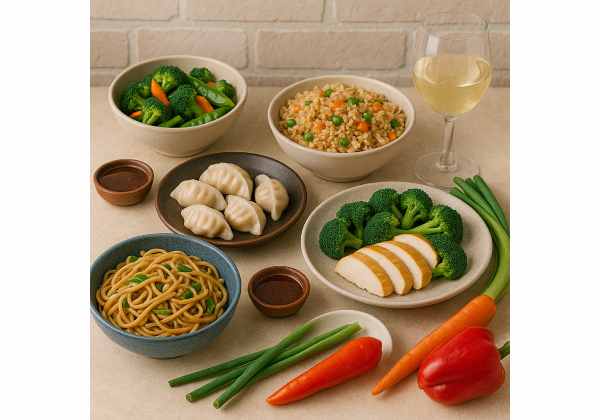
A Chinese restaurant can be one of the easiest places to lose track of calories without realizing it. Portions are often generous, sauces can add sugar and oil fast, and the meal usually arrives with more rice, noodles, or fried sides than most people need. At the same time, it is also one of the easier cuisines to navigate well once you know what to look for. Many menus include lean proteins, vegetable-heavy dishes, broth-based soups, tofu, and simple steamed options that fit a weight loss plan much better than people expect.
This guide shows you how to order at Chinese restaurants without turning the meal into a nutrition puzzle. You will learn which dishes usually work best, which ones can quietly drive calories up, how to build a more balanced plate, and how to handle takeout, family-style meals, and leftovers. The goal is not to make restaurant food “perfect.” It is to make it easier to enjoy the meal and still keep progress moving.
Table of Contents
- What makes Chinese restaurant meals tricky
- Best Chinese restaurant orders for weight loss
- How to build a better order
- Dishes and sides to limit
- Sample orders for different goals
- Takeout, family-style, and leftovers
What makes Chinese restaurant meals tricky
Chinese restaurants are not difficult for weight loss because the cuisine itself is inherently unhealthy. The challenge is the restaurant format. A meal can combine several calorie-dense elements at once: large portions, deep-fried coatings, sweet sauces, oil-heavy stir-fries, and starches served in restaurant-size amounts. When those stack together, a single order can land far above what most people expected.
A common example is the classic combination of:
- a breaded entrée
- a glossy sweet sauce
- a full container of rice or fried rice
- a fried appetizer
- a sugary drink or alcohol
None of those items is automatically “bad,” but together they can create a meal that is high in calories before fullness catches up. That is especially true with dishes such as General Tso’s chicken, orange chicken, sesame chicken, sweet and sour pork, lo mein, and combo plates that include an egg roll or crab rangoon.
Another issue is that nutrition varies widely by restaurant. One chicken and broccoli dish may be relatively light, while another is cooked with far more oil and sauce. A steamed entrée with sauce on the side may be one of the leanest choices on the menu. A similar-sounding dish in a thick brown sauce can be much heavier.
Sodium is also a major factor. Soy sauce, broth concentrates, salted seasonings, and restaurant cooking methods can push sodium up quickly. That matters for health, but it also matters for the scale. After a salty restaurant meal, people often retain extra water for a day or two and assume the meal “ruined” their progress. In many cases, it did not. It just caused a temporary bump in scale weight.
That is why it helps to think in terms of patterns rather than exact calorie numbers. A weight loss meal at a Chinese restaurant usually works best when it follows the same basics that support progress anywhere else: moderate calories, enough protein, controlled portions of starch, and plenty of vegetables. If you are still figuring out the foundation, understanding a calorie deficit and setting a sensible protein target make restaurant choices much easier.
The good news is that Chinese menus usually give you enough flexibility to build a much better meal than the fried combo plate sitting on the front page.
Best Chinese restaurant orders for weight loss
The best Chinese restaurant orders for weight loss usually share three features: a clear protein source, a generous amount of vegetables, and less reliance on breading or heavy sauce. When you use those filters, the menu becomes much easier to navigate.
Strong options often include:
- chicken with broccoli
- beef with broccoli
- shrimp with mixed vegetables
- moo goo gai pan
- Buddha’s delight
- steamed chicken, shrimp, or fish with vegetables
- tofu and vegetable dishes that are not heavily fried
- egg drop soup, wonton soup, or hot and sour soup as a starter
These choices are not automatically low calorie, but they are usually easier to manage because they are built around stir-fried or steamed ingredients instead of battered meat and sugary glaze. They also tend to be easier to portion. You can eat half the rice, finish the protein and vegetables, and leave the meal feeling satisfied instead of stuffed.
A few practical rules help:
- Look for visible protein.
If the dish name starts with chicken, beef, shrimp, tofu, or fish and ends with broccoli, mixed vegetables, mushrooms, snow peas, or garlic sauce, that is often a better starting point than anything described as crispy, orange, sweet, sticky, honey, or sesame. - Steamed is useful, but not mandatory.
Some people jump straight to steamed entrées and feel disappointed. A lightly sauced stir-fry can still fit well. The better test is whether the dish is mostly protein and vegetables or mostly coating and sauce. - Use soup strategically.
A broth-based soup can take the edge off hunger before the main meal, which makes it easier to eat a normal portion. It is not a magic trick, but it can stop the “I’m starving, give me all the fried appetizers” problem. - Vegetarian orders can work very well.
Vegetable-heavy tofu dishes, mixed vegetable entrées, and mushroom-based plates can be excellent choices, especially when the tofu is not deep-fried. If you want more ideas for identifying leaner proteins in any setting, a practical high-protein foods list helps you think faster at the menu.
Portion awareness matters too. Even a better entrée can become a very high-calorie meal when paired with a full serving of fried rice, several dumplings, and sweetened drinks. That is where the next step matters: building the order as a whole, not just choosing the least bad entrée name.
How to build a better order
A better Chinese restaurant order is usually less about finding one perfect dish and more about balancing the whole meal. Think of it as a simple formula: protein first, vegetables second, starch third, sauce fourth. That order of importance keeps the meal grounded even if the menu is broad or the nutrition information is missing.
A practical plate-building approach looks like this:
- one protein-centered entrée
- extra vegetables when possible
- one moderate starch serving
- a sauce choice you control rather than one that controls the whole meal
For example, chicken and broccoli with steamed rice is usually easier to manage than orange chicken with fried rice and an egg roll. The difference is not only calories. The first meal has more protein, more volume from vegetables, and less of the “eat fast, stay hungry later” effect that sweet fried foods can create.
Useful ways to improve the order include:
- asking for steamed rice instead of fried rice
- choosing half rice if the entrée already has a substantial sauce and starch feel
- asking for extra vegetables
- requesting sauce on the side when available
- skipping the automatic combo add-ons
- sharing one appetizer instead of ordering one per person
This is where portion control becomes practical instead of abstract. You do not need to count every spoonful in the restaurant. You need a reasonable visual structure. A meal that is centered on protein and vegetables with a moderate serving of rice is much easier to fit than one built around noodles, breading, and sides. That is the same principle behind the plate method, even when you are eating away from home.
Rice is worth a quick note because people often overcorrect. You do not need to fear rice to lose weight. A modest serving of steamed rice can make a meal more satisfying and prevent later snacking. What matters more is the amount and what it is paired with. If you want more context on how starch fits into fat loss, a guide to carbs for weight loss can help.
Sauces deserve the most attention. Brown sauce, garlic sauce, black bean sauce, and similar options may be fine in moderate amounts, but restaurant portions can be generous. Sweet sauces are even easier to underestimate because they are palatable and cling to breaded foods. Getting sauce on the side will not transform every meal, but it often gives you the one control point that matters most.
A good restaurant order does not have to look like diet food. It just needs a structure that gives you enough fullness for the calories.
Dishes and sides to limit
Some Chinese restaurant foods are harder to fit into a weight loss plan, not because they are off-limits, but because they combine several appetite-driving features at once. They are often fried, heavily sauced, easy to overeat, and less filling than their calorie content suggests.
The dishes most people need to watch most closely include:
- General Tso’s chicken
- orange chicken
- sesame chicken
- sweet and sour chicken or pork
- crispy beef
- lo mein
- chow mein when it is oil-heavy
- fried rice
- egg rolls
- crab rangoon
- large portions of fried dumplings
These are the menu items most likely to turn into a “Why am I still hungry after all that?” meal. The crunchy coating and sweet-salty sauce combo is engineered for continued eating. Noodle and fried rice dishes can also be deceptively dense because the portion looks soft and familiar rather than rich.
That does not mean you cannot order them. It means you should handle them on purpose. The easiest ways are:
- split the entrée with someone
- box half before you start
- skip the fried appetizer
- pair it with vegetables instead of another starch-heavy side
Soups deserve nuance. Egg drop, wonton, and hot and sour soup are often lighter in calories than fried starters, which can make them useful. But they can also be quite high in sodium. That matters if you are sensitive to salty foods or if you tend to panic over a next-day scale jump. A single restaurant meal can cause temporary water retention without causing meaningful fat gain. If that happens, it helps to remember that high-sodium meals often affect the scale the same way described in guides about high-volume low-calorie foods and appetite management: fullness and scale changes are not the same thing as body fat.
Beverages can quietly add a lot too. Soda, sweet tea, fruit drinks, and large cocktails can push the total up fast without helping fullness much. Water, unsweetened tea, and diet drinks are usually the easiest choices. If alcohol is part of the meal, the most useful move is not perfection but awareness. A practical guide to alcohol and weight loss can help if restaurant drinks are a regular issue.
The simplest rule is this: if the dish is fried, glossy, sweet, and served with another fried or starchy side, treat it as an occasional favorite rather than the default order.
Sample orders for different goals
Many people do better with concrete examples than with abstract rules. The sample orders below are not exact-calorie prescriptions because restaurant recipes vary, but they show what a smarter Chinese restaurant meal can look like in real life.
1. For a balanced fat-loss meal
Order chicken and broccoli, steamed rice, and water or unsweetened tea.
Why it works:
- reliable protein
- high vegetable volume
- controlled starch
- usually much less added sugar than crispy glazed dishes
2. For a higher-protein meal
Order shrimp with mixed vegetables or beef with broccoli, ask for extra protein if available, and keep rice to a half portion.
Why it works:
- helps fullness
- easier to fit if you are prioritizing protein
- usually more satisfying than noodle-based dishes
3. For a vegetarian order
Order Buddha’s delight or a mixed vegetable tofu dish, ask whether the tofu is fried, and add steamed rice if needed.
Why it works:
- high fiber
- good volume
- easy to make lighter by choosing non-fried tofu and keeping sauce moderate
4. For a lower-carb preference
Order steamed chicken or shrimp with vegetables and sauce on the side, then skip or reduce the rice.
Why it works:
- keeps the meal simple
- works well for people who feel better with fewer starches at restaurant meals
- reduces the chance that rice plus sauce plus appetizer becomes the whole meal
5. For a social meal where you want one indulgent item
Order one favorite appetizer for the table, then choose a leaner entrée such as moo goo gai pan or chicken with vegetables.
Why it works:
- leaves room for enjoyment
- prevents the “appetizer plus indulgent entrée plus dessert” stack that usually causes problems
These kinds of orders work best when they still fit your overall eating pattern. If you care about daily totals, understanding your protein, carb, and fat ratios can make restaurant tradeoffs clearer. If you do not want to count closely, simple strategies for tracking without calories can help you stay consistent without turning dinner out into homework.
The larger lesson is that one thoughtful adjustment is often enough. Steamed rice instead of fried rice. Sauce on the side. One appetizer shared. Half the entrée boxed. These are small changes, but they often separate a meal that fits your goals from one that quietly blows past them.
Takeout, family-style, and leftovers
Takeout and family-style Chinese meals can be harder than ordering a single plate because the food stays in front of you and the portions are less defined. That is when people tend to eat until the containers are empty rather than until they are comfortably full.
For takeout, the easiest strategy is to decide your portion before the first bite. Plate it, close the container, and put the rest away. That sounds obvious, but it works because visible food changes intake. Eating directly from a large takeout box makes it very easy to keep going past fullness.
For family-style meals:
- start with the protein and vegetable dishes first
- add rice second, not first
- sample fried favorites in smaller amounts
- do one round, then pause before going back
- keep beverages simple
This is also where pace matters. Chinese restaurant meals are often fast, hot, and highly palatable. If you arrive overly hungry, the first ten minutes can decide the whole meal. Having a structured breakfast, lunch, or a small protein snack earlier in the day often works better than “saving calories” and showing up ravenous.
Leftovers are one of the biggest advantages of Chinese takeout if you use them well. Many entrées are easily split into two meals. That instantly changes the calorie picture and often improves value. A container of chicken and broccoli, beef with vegetables, or shrimp and mixed vegetables paired with separate rice can become dinner and next-day lunch with almost no extra effort.
Do not overreact to the next morning’s weigh-in either. Restaurant meals are commonly salty, and higher-carb meals can temporarily increase water retention. That does not mean you gained body fat overnight. If the scale jumps after takeout, it may help to read about water, glycogen, and scale fluctuations instead of assuming you are off track.
Most important, do not let one heavier meal turn into a three-day spiral. The right response is usually normal eating at the next meal, not punishment. If you tend to think in all-or-nothing terms after eating out, a reset mindset like lapses versus relapses is far more useful than guilt.
A Chinese restaurant meal does not need to be flawless to support weight loss. It just needs to be managed well enough to fit your week.
References
- Obesity Management in Adults: A Review 2023 (Review)
- Food Away from Home Frequency, Diet Quality, and Health: Cross-Sectional Analysis of NHANES Data 2011–2018 2022 (Cross-Sectional Analysis)
- Sodium content of restaurant dishes in China: a cross-sectional survey 2022 (Open Access Study)
- About Sodium and Health | Salt 2026 (Government Guidance)
- Sodium Reduction in the Food Supply | FDA 2024 (Government Guidance)
Disclaimer
This article is for general educational purposes only and is not a substitute for personalized medical, nutrition, or weight-management advice. If you have high blood pressure, kidney disease, diabetes, a history of disordered eating, or another condition that affects what you should order when eating out, get advice from a qualified clinician or registered dietitian.
If this article helped you feel more confident about ordering at Chinese restaurants, share it on Facebook, X, or your preferred platform.