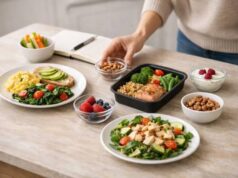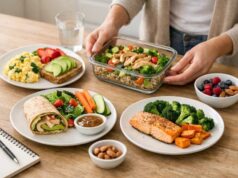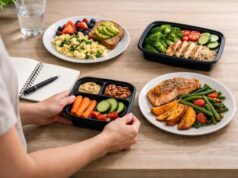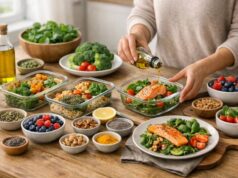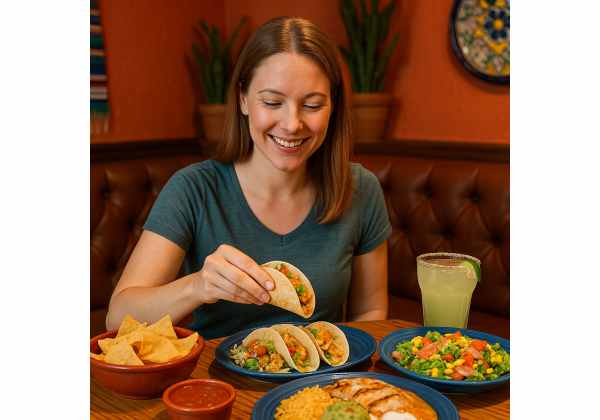
Mexican restaurants can feel tricky when you are trying to lose weight. The menu is full of foods that can fit a healthy diet, like beans, grilled meats, salsa, avocado, vegetables, and corn tortillas, but the portions are often large and the extras add up fast. A basket of chips before the meal, a sugary drink, a heavy sauce, and a side of rice can quietly turn a reasonable dinner into far more calories than you planned.
The good news is that you usually do not need to avoid Mexican food or order the saddest item on the menu. A better approach is to know which dishes give you the most protein, fiber, and satisfaction for the calories, and which common add-ons push meals into overeating territory. This guide breaks down what to order, what to limit, and how to customize your meal so it still feels like a restaurant meal, not a punishment.
Table of Contents
- Why Mexican restaurant meals add up
- Best entrées for a lighter order
- How to customize without missing out
- Smart sides, drinks, and appetizers
- Best choices for common diet styles
- A simple game plan before you go
Why Mexican restaurant meals add up
Mexican restaurant food is not automatically “bad” for weight loss. The real issue is that many meals combine several calorie-dense parts in one sitting: a basket of chips, tortillas, cheese, sour cream, oil, rice, beans, sauces, and a sweet drink or margarita. Each item can fit on its own, but the total often gets away from people before the entrée even arrives.
That matters because fat loss still comes back to staying in a calorie deficit over time. If you are not sure how that works in practice, a quick refresher on how a calorie deficit drives weight loss makes restaurant choices much easier to understand. The goal is not to eliminate every higher-calorie ingredient. It is to build a meal that is satisfying enough to enjoy and restrained enough to fit your day.
A few features make Mexican restaurant meals especially easy to overeat:
- Free chips and salsa start the meal before hunger is fully checked.
- Combo plates often stack two or three main items plus rice and beans.
- Large flour tortillas can add more calories than people expect.
- Cheese, queso, crema, and guacamole are flavorful but energy-dense.
- Fajitas and skillet dishes may sound lean but can be cooked with a generous amount of oil.
- Portions are often restaurant-sized, not hunger-sized.
Another problem is that meals often mix foods with very different effects on fullness. A grilled chicken taco on corn tortillas with beans and pico de gallo tends to be far more filling per calorie than a giant burrito with extra cheese, sour cream, and a side of chips. Both are “Mexican food,” but they are not nutritionally equivalent.
This is where basic portion awareness helps. If you tend to underestimate restaurant servings, a guide to portion sizes and visual cues can help you recognize when the plate in front of you is really closer to one and a half or two meals.
The practical takeaway is simple: Mexican restaurants become easier to navigate when you stop asking, “What is the healthiest thing here?” and start asking, “Where are the calories mostly coming from, and what will keep me full?” Usually, the best answers are protein, fiber, vegetables, and smaller portions of the richer extras.
Best entrées for a lighter order
The best orders at Mexican restaurants for weight loss usually have three things in common: a clear protein source, a controlled portion of starch, and toppings that add flavor without drowning the meal in fat. That does not mean dry grilled chicken and lettuce. It means choosing dishes where the structure works in your favor.
Some of the strongest options are:
- Grilled chicken, shrimp, or steak fajitas
- Street-style tacos on corn tortillas
- Burrito bowls
- Taco salads without the fried shell
- Grilled fish dishes
- Bean-based bowls or plates with vegetables
- Soup-based options like chicken soup or pozole, if the restaurant offers them
Fajitas are often one of the easiest wins. You get protein, peppers, onions, salsa, and built-in flexibility. The smart move is to control the extras. Use two or three tortillas, not every tortilla on the plate. Add salsa, pico de gallo, or a small amount of guacamole for flavor, and go lighter on cheese, sour cream, and oil-heavy add-ons. If the restaurant is willing, ask for less oil during cooking.
Street tacos can also work well because the portions are naturally smaller. Look for grilled chicken, grilled fish, shrimp, carne asada, or al pastor in a modest serving. Corn tortillas are usually smaller and often easier to fit than oversized flour tortillas. Toppings like onion, cilantro, salsa, cabbage, and lime add volume and flavor without pushing calories too high.
A burrito bowl is usually easier to control than a full burrito because you are not adding a giant tortilla on top of everything else. Start with lean protein, then choose one or two starches rather than all of them. For example:
- Pick grilled chicken, shrimp, fish, lean beef, tofu, or beans.
- Add fajita vegetables, lettuce, pico de gallo, and salsa.
- Choose either rice, beans, or a smaller amount of both.
- Use cheese, sour cream, and guacamole as accents, not the base of the meal.
Protein matters because meals with a stronger protein anchor are usually easier to stay satisfied with afterward. If you want a benchmark for what “enough” looks like across the day, a practical guide to daily protein intake for weight loss is useful. You can also use a broader high-protein foods list to spot stronger menu choices fast.
In most restaurants, the meals that tend to work best are the ones where you can still identify the main ingredients. Once the dish becomes a giant folded package of tortilla, cheese, sauce, and rice, portion control gets harder very quickly.
How to customize without missing out
The easiest way to make Mexican restaurant food fit a weight-loss plan is not to strip the meal down. It is to make a few smart substitutions that improve the protein-to-calorie ratio and keep the food satisfying. You are not trying to impress the server with discipline. You are trying to build a meal that still tastes good and does not leave you raiding the pantry later.
A good customization mindset is to keep the core pleasure of the dish and trim the parts that add lots of calories without much fullness. In practice, that often means you keep the tacos, fajitas, or bowl, but adjust the shell, sauces, fats, and sides.
Useful upgrades include:
- ask for grilled instead of fried
- choose corn tortillas instead of large flour tortillas when you like them
- request extra fajita vegetables, lettuce, pico de gallo, or salsa
- ask for sour cream, queso, and dressings on the side
- swap a fried taco shell for a soft taco or open plate
- skip the taco salad shell and keep the filling
- choose beans over extra rice if you want more fiber and staying power
- ask for half rice or no rice when the meal already includes tortillas or chips
- split a burrito in half and box the rest early
One underrated strategy is to reduce overlap. A lot of restaurant meals pile up several versions of the same thing: tortilla chips before the meal, then a flour tortilla burrito, then rice on the side. That is not wrong, but if weight loss is your goal, you usually do better picking the carb source you want most and enjoying that one fully. If you need help deciding what carb amount tends to work better for your appetite and progress, this guide to carbs for weight loss can help.
The same logic applies to fats. Cheese, sour cream, avocado, oil, and creamy sauces can all fit, but you rarely need all of them in one order. If you enjoy guacamole, maybe that is the fat source you keep and the sour cream you skip. If queso is the treat you really want, keep the portion modest and trim other extras. A practical overview of how much fat supports satiety can help you think about those tradeoffs.
The best restaurant customizations feel almost invisible. You still get a meal that tastes like restaurant food. You just stop stacking calories from every direction at once.
Smart sides, drinks, and appetizers
At Mexican restaurants, the biggest difference between a lighter meal and a much heavier one often comes from the parts people do not think of as the “main course.” Chips, queso, guacamole, sugary drinks, alcohol, and dessert can add more calories than the entrée choice itself.
Start with the chips. They are easy to eat quickly because they are salty, crunchy, and served before fullness signals have much chance to catch up. If you love them, you do not have to pretend otherwise. Just make the portion intentional. A few ways to handle them:
- decide on a small amount before you start
- move the basket farther away
- split one appetizer instead of chips plus an appetizer
- ask the server not to refill the basket
- start with water and conversation before grabbing handfuls automatically
Salsa is usually one of the better table starters because it adds flavor with relatively few calories. Queso is different. It can be worth it if you truly love it, but it is better treated as a planned indulgence, not a default side that disappears while you wait.
For sides, beans often give you more nutritional return than rice because they bring fiber and a little protein. Black beans, pinto beans, and charro beans are often stronger choices than extra rice or an extra tortilla, though preparation varies by restaurant. Refried beans can still fit, but some versions are made with added fat, cheese, or lard, so they may be richer than they look.
Drinks deserve special attention. A regular soda, sweet tea, agua fresca, horchata, or large margarita can make a meal much less weight-loss-friendly without improving fullness. Better options include:
- water or sparkling water
- unsweetened iced tea
- coffee if appropriate for the time of day
- diet soda if that helps you control total calories
- one smaller alcoholic drink instead of multiple cocktails
If alcohol is part of the occasion, keep it simple and moderate. A guide to alcohol choices that fit weight loss better can help you think through tradeoffs, and basic hydration strategies can make it easier to avoid confusing thirst, habit, and hunger.
Appetizers that can work better than a pile of chips and queso include ceviche, grilled shrimp, a broth-based soup, or one shareable dish with a clear stopping point. When the table wants to order several appetizers, it often helps to think of the entrée as smaller on purpose rather than acting surprised later that the whole meal ran long on calories.
Best choices for common diet styles
Not everyone walks into a Mexican restaurant with the same goal. Some people want the highest-protein meal they can get. Others want lower-carb choices, higher-fiber foods, or a satisfying vegetarian option. The good news is that Mexican menus are flexible enough to handle all of those, if you know what to look for.
For a high-protein meal, good choices include grilled chicken fajitas, shrimp tacos, steak and vegetable plates, grilled fish, and burrito bowls built around lean protein. Ask for double meat only if you actually need it and it fits your calorie budget. Many people do better by keeping one solid protein serving and trimming the cheese, chips, and creamy extras instead.
For a lower-carb meal, choose fajitas without a pile of tortillas, a taco salad without the fried shell, grilled meat or seafood plates, or a burrito bowl with lettuce, fajita vegetables, salsa, and a smaller portion of beans. This is often a better restaurant strategy than trying to create a perfectly carb-free meal, which can leave you unsatisfied and overeager later. If you are still deciding whether a lower-carb approach is a good fit overall, compare the tradeoffs in low-carb and low-fat approaches.
For a higher-fiber meal, beans, vegetables, salsa, pico de gallo, cabbage slaw, and corn tortillas can all help. A bowl with black beans, grilled vegetables, lettuce, pico, and chicken is often far more filling than a cheese-heavy quesadilla of similar calories. If fullness is one of your weak points, it helps to understand how fiber targets and food swaps support weight loss.
For vegetarian orders, the strongest choices are usually bean bowls, veggie fajitas, bean tacos on corn tortillas, tofu options if the restaurant offers them, and plates built around beans, vegetables, salsa, and avocado rather than mostly cheese. Quesadillas can fit, but many vegetarian restaurant meals turn into starch plus cheese with very little protein or fiber. When that happens, hunger tends to come back sooner. If you regularly eat this way, a vegetarian high-protein meal plan can help you balance the rest of the day.
For larger appetites, the answer is not always the biggest entrée. Many people do better with a protein-forward main dish, beans or vegetables for bulk, and one deliberate extra they genuinely enjoy. That usually satisfies better than trying to eat lightly all meal and then finishing half the chip basket on the way out.
The best order depends on what helps you stay full, consistent, and calm around food. Mexican restaurants can support all of that if you choose your structure before the craving part of your brain takes over.
A simple game plan before you go
The easiest way to do well at a Mexican restaurant is to make two or three decisions before you sit down. Once the chips arrive and everyone starts ordering, it becomes much harder to think clearly about what you actually want and what fits your goals.
A simple plan looks like this:
- Decide your main dish in advance.
Pick one likely order before you arrive: fajitas, street tacos, a burrito bowl, grilled fish, or another protein-forward option. - Choose your extras on purpose.
Decide whether your treat will be chips, queso, guacamole, dessert, or a drink. Not all of them. - Anchor the meal around protein and volume.
Protein, vegetables, salsa, and beans usually make the meal more filling and easier to control. - Use portion control early, not late.
Share, split, or box half before you are deep into the meal. - Return to normal afterward.
One restaurant meal does not need a punishment workout or a starvation breakfast the next morning.
That last point matters. Many people turn one heavier meal into a whole weekend spiral by thinking they already “blew it.” If eating out is a recurring challenge, a guide to a weight-loss routine for travel and eating out or a practical weekend survival plan can help you stay steady without becoming rigid.
It also helps to remember that restaurant success is not all-or-nothing. A meal can still be a good choice even if it includes some chips, a margarita, or extra guacamole. The win is that you make the tradeoffs consciously instead of ordering like every meal is a special event and then feeling frustrated later.
A useful mental script is: protein first, vegetables next, one starch I really want, rich toppings in smaller amounts, and one extra if it is worth it. That is flexible enough to use almost anywhere, but it works especially well at Mexican restaurants because the menus give you so many ways to mix and match.
The goal is not to leave feeling deprived. It is to leave satisfied, in control, and able to repeat the process next time.
References
- Carbohydrate intake for adults and children 2023 (Guideline)
- Portion Size and Energy Intake: A Systematic Review 2024 (Systematic Review)
- Can calorie (energy) labelling change people’s selection and consumption of food or alcohol? 2025 (Systematic Review)
- Pooled prevalence of food away from home (FAFH) and associated non-communicable disease (NCD) markers: a systematic review and meta-analysis 2022 (Systematic Review)
Disclaimer
This article is for general educational purposes only. Nutrition needs, calorie targets, and safe weight-loss strategies vary by health history, medications, and personal goals, so this information is not a substitute for medical advice, diagnosis, or treatment from a qualified professional.
If you found this article useful, please share it on Facebook, X, or your preferred platform so it can help someone else eat out with more confidence and less guesswork.