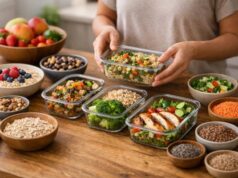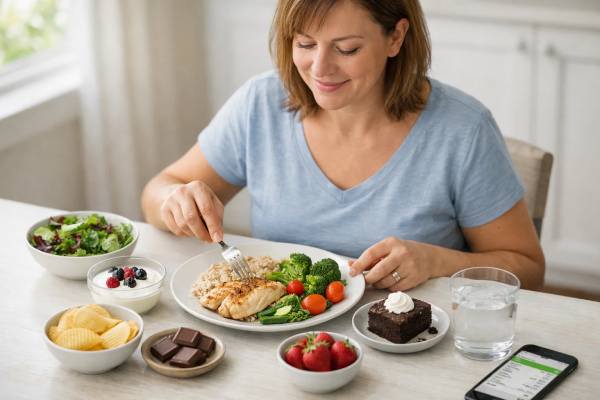
A flexible dieting meal plan can help you lose weight without turning food into a constant list of rules, cheats, and forbidden items. The core idea is simple: create a calorie deficit, hit sensible protein targets, and build most meals around filling foods, while still leaving room for foods you genuinely enjoy.
That makes this approach appealing for people who are tired of rigid meal plans that feel fine on Monday and impossible by Friday. Below, you will find how flexible dieting works, how to structure meals for fat loss, a full sample meal plan, smart ways to fit treats into your week, and the mistakes that make “flexible” quietly drift into overeating.
Table of Contents
- What flexible dieting actually means
- How to set up your calories and macros
- How to build flexible meals that still work
- 7-day flexible dieting meal plan
- How to fit in treat foods without losing control
- Common flexible dieting mistakes
What flexible dieting actually means
Flexible dieting for weight loss is often misunderstood. Some people hear “flexible” and think it means eating anything at any time as long as the scale eventually moves. Others think it is just macro tracking with a more relaxed personality. In practice, it sits somewhere in the middle.
A good flexible dieting meal plan still has structure. You are not ignoring calories, protein, or meal quality. You are simply avoiding the all-or-nothing mindset that says one cookie ruins the day or one restaurant meal means the week is blown.
The most useful way to think about flexible dieting is this: it is a system that prioritizes outcomes over food labels. Instead of sorting foods into clean and dirty, you focus on whether your total intake supports a calorie deficit, whether your meals are satisfying enough to stick with, and whether your routine is realistic enough to repeat.
That usually means:
- keeping total calories in a range that supports fat loss
- getting enough protein to help with fullness and muscle retention
- including plenty of fruit, vegetables, high-fiber carbs, and minimally processed foods
- leaving intentional room for less nutrient-dense foods in portions that still fit the plan
This is why flexible dieting is often easier to sustain than highly rigid approaches. You do not need to avoid birthdays, date nights, or your favorite snack forever. You need to learn how to fit them into a pattern that still works.
That said, flexible dieting is not a license to build your entire diet around processed snacks and then hope protein powder fixes it. A flexible plan still works best when the majority of your intake comes from foods that keep you fuller and make adherence easier. That is the same reason many people do well combining flexible dieting with calorie-deficit-friendly foods and a broader understanding of how a calorie deficit works in real life.
The real advantage of flexible dieting is not that it lets you eat everything. It is that it helps you stop overreacting to food choices and start building a pattern you can actually live with.
How to set up your calories and macros
A flexible dieting meal plan still needs targets. Without those, “I’m eating flexibly” can turn into vague guesswork very quickly.
The first target is calories. Weight loss still requires a calorie deficit, so your plan needs a daily intake range that is low enough to drive progress but not so low that hunger, fatigue, and rebound eating take over. That range does not need to be perfectly precise, but it does need to be grounded in reality. If you are unsure where to start, it helps to estimate how many calories to eat for weight loss and understand your likely maintenance level first.
The second target is protein. Protein is the anchor of flexible dieting because it helps with fullness, makes meals more satisfying, and supports muscle retention during fat loss. You do not need bodybuilder-level precision, but you do need enough that your meals do not become mostly carbs and snacks with protein as an afterthought.
The third consideration is carbs and fats. Flexible dieting does not require a single perfect ratio, but it does require balance. A useful setup usually gives you:
- enough carbs to support energy, training, and normal meal satisfaction
- enough fat to support satiety, flavor, and normal dietary balance
- enough protein that hunger and muscle loss are less likely to become problems
For most people, the smartest process is:
- Set a calorie range.
- Set protein first.
- Divide the remaining calories between carbs and fats based on preference, lifestyle, and training needs.
- Adjust based on actual hunger, performance, and results.
This is also why flexible dieting can look different from person to person. Someone who lifts several days per week may prefer more carbs. Someone who likes richer meals may feel better with slightly higher fat. The plan works as long as calories, protein, and adherence line up. That is the logic behind a macro-based meal plan and a more detailed understanding of how to count macros for weight loss.
One helpful mindset shift is to stop chasing perfect numbers and start aiming for useful consistency. Hitting your target exactly every day is less important than staying close enough that the pattern works over weeks. A flexible plan should reduce stress, not create a new kind of perfectionism.
How to build flexible meals that still work
The easiest way to make flexible dieting successful is to stop making every meal a decision from scratch. A plan works better when you use a repeatable meal formula and then flex around it.
A strong flexible meal usually starts with protein, then adds produce, then includes a portion of carbs or fats depending on the meal and your preference. This matters because flexibility works best on top of structure, not instead of it.
A practical meal formula looks like this:
| Meal part | Examples | Why it matters |
|---|---|---|
| Protein anchor | Chicken, Greek yogurt, eggs, tuna, turkey, tofu, cottage cheese | Supports fullness and protects lean mass |
| Produce | Fruit, salad, roasted vegetables, stir-fry vegetables, soup vegetables | Adds volume and fiber for relatively few calories |
| Smart carb | Rice, potatoes, oats, beans, whole-grain bread, pasta, fruit | Supports energy and makes meals feel satisfying |
| Fat or flavor add-on | Olive oil, avocado, cheese, nuts, dressing, sauce | Improves taste and satiety when kept intentional |
This is where many people get flexible dieting wrong. They assume flexibility means building every meal around whatever sounds good in the moment. That usually leads to meals that are tasty but weak on protein, low in volume, and too easy to overeat later.
A better approach is to keep “default meals” in rotation. For example:
- breakfast built around eggs or Greek yogurt
- lunch built around lean protein, vegetables, and a carb source
- dinner built around a protein plate plus one enjoyable extra
- snacks that help hunger rather than just providing entertainment
This kind of structure is especially helpful if you tend to get derailed by convenience eating. A strong set of make-ahead breakfasts and some packable high-protein lunches can do more for adherence than trying to “wing it” with macros every day.
The point of flexible dieting is not to remove planning. It is to make the planning more realistic. You still want meals that support fullness, but you also want enough flexibility that dinner out, dessert, or a favorite snack can fit without triggering guilt or chaos.
7-day flexible dieting meal plan
This sample 7-day flexible dieting meal plan is designed to show how structure and freedom can coexist. It is not built around forbidding foods. It is built around protein-forward meals, high-volume foods, and planned room for enjoyable extras.
Calories and portions will vary by person, so think of this as a framework rather than a prescription.
Day 1
- Breakfast: Greek yogurt bowl with berries, oats, and chia seeds
- Lunch: Chicken rice bowl with roasted vegetables and salsa
- Snack: Apple and string cheese
- Dinner: Turkey burger, roasted potatoes, and salad
- Flexible add-on: Small square of dark chocolate
This kind of day works well because the core meals are strong enough that the treat feels intentional rather than impulsive.
Day 2
- Breakfast: Eggs, toast, and fruit
- Lunch: Tuna wrap with chopped vegetables
- Snack: Protein yogurt or cottage cheese
- Dinner: Stir-fry with lean beef or tofu, vegetables, and rice
- Flexible add-on: Small latte or café drink that fits your calories
Day 3
- Breakfast: Protein smoothie with berries, yogurt, and oats
- Lunch: Leftover stir-fry bowl
- Snack: Baby carrots and hummus
- Dinner: Pasta with lean turkey meat sauce and a large side salad
- Flexible add-on: Measured dessert or ice cream serving
Day 4
- Breakfast: Overnight oats with protein powder and banana
- Lunch: Chicken salad sandwich and fruit
- Snack: Popcorn
- Dinner: Taco bowl with lean protein, rice, lettuce, salsa, and Greek yogurt
- Flexible add-on: A few tortilla chips or a small cookie
Day 5
- Breakfast: Cottage cheese, toast, and berries
- Lunch: Turkey chili with vegetables
- Snack: Protein bar or yogurt
- Dinner: Homemade pizza using a controlled portion, side salad, and extra protein on top
- Flexible add-on: None needed, because the pizza itself is part of the flexible plan
Day 6
- Breakfast: High-protein pancakes or eggs with fruit
- Lunch: Packable grain bowl with chicken and vegetables
- Snack: Banana and peanut butter in a measured portion
- Dinner: Restaurant meal with lean protein, vegetables, and one enjoyable starch
- Flexible add-on: Shared dessert or drink if planned
Day 7
- Breakfast: Yogurt parfait
- Lunch: Sandwich and fruit
- Snack: Cottage cheese or popcorn
- Dinner: Family meal built around protein, vegetables, and a moderate portion of carbs
- Flexible add-on: One planned treat to close the week without a binge mindset
The pattern here is simple: most meals are built to do the heavy lifting, while one smaller “fun” food fits into the day instead of taking over the day. That approach works much better than trying to eat perfectly for six days and then blowing through the deficit on the seventh.
It also shows why flexible dieting overlaps so well with macro-friendly meals and repeatable meal plan templates. Variety helps, but reliable meal structure matters more.
How to fit in treat foods without losing control
This is the part people care about most, because it is where flexible dieting either becomes sustainable or quietly turns into rationalized overeating.
Fitting in treat foods works best when the food is planned, portioned, and placed into the day on purpose. It works worst when “flexibility” becomes a way to keep negotiating with cravings all day long.
A few rules make a big difference.
Plan treats before hunger gets loud
A measured dessert after dinner is very different from wandering into the kitchen at 10 p.m. hoping to be reasonable with a bag of cookies.
Fit treats into a strong day, not a weak one
If breakfast and lunch were mostly snacks, your evening treat is much more likely to turn into a calorie blowout. Good structure early in the day gives you more control later.
Use a treat serving, not a treat event
There is a difference between “I’m having dessert” and “Tonight is my cheat night.” The first fits a plan. The second often creates permission to stop caring.
Choose treats you actually enjoy
If the food is worth including, it should be satisfying enough that a normal portion feels worthwhile.
Do not waste calories on random food noise
A few bites here, a handful there, and mindless extras often cause more damage than one intentional dessert.
This is also where personal trigger foods matter. Some people can keep chocolate in the house with no problem. Others do better not turning highly bingeable foods into daily staples. Flexible dieting should account for your real behavior, not your ideal behavior.
Helpful ways to include enjoyable foods include:
- a dessert portion after dinner
- a planned restaurant meal
- a favorite snack pre-portioned into the day
- a social meal balanced by normal eating before and after, not compensation
That approach pairs well with smarter alternatives like lighter dessert ideas and lower-calorie sweet swaps, but the core skill is not finding “diet treats.” It is learning how to enjoy regular foods in amounts that do not knock your week off course.
Flexible dieting works when treat foods stay part of the plan instead of becoming the reason the plan falls apart.
Common flexible dieting mistakes
Flexible dieting sounds forgiving, but it still has failure points. Most of them come from either too little structure or too much mental loopholing.
The biggest mistake is using macro flexibility to justify low-quality eating all day. Yes, a calorie deficit can still work if some processed foods fit your numbers. But if the overall diet is low in protein, low in fiber, and weak on meal satisfaction, hunger usually catches up.
The second mistake is underestimating calorie-dense extras. Sauces, oils, bites while cooking, coffee add-ins, peanut butter, cheese, nuts, and restaurant portions can quietly erase the deficit. A flexible approach still needs honesty.
The third mistake is thinking every day must be perfectly balanced. Some people overcomplicate flexible dieting by trying to engineer flawless macros meal by meal. In reality, close enough across the day and week usually matters more.
The fourth mistake is turning flexibility into constant food focus. If you spend all day mentally trading bites, saving calories for later, or trying to “earn” food, the plan may be flexible on paper but exhausting in practice.
The fifth mistake is ignoring hunger patterns. If you are repeatedly ending the day ravenous, you likely need stronger meals, more protein, more produce, or a slightly higher calorie target. Flexible dieting should reduce binge-restrict cycles, not hide them.
Common signs your version of flexible dieting is drifting off track include:
- protein keeps getting squeezed out by snack foods
- you hit calories but never feel satisfied
- weekends repeatedly wipe out weekday progress
- treats are no longer planned and feel automatic
- tracking becomes an excuse to keep overeating in smaller justified pieces
A better version of flexible dieting keeps the majority of food intake centered on filling options, then uses flexibility where it adds the most value. That is also why it helps to know which foods often sabotage a deficit by being too easy to overeat, as discussed in foods that make weight loss harder.
At its best, flexible dieting is balanced, sane, and repeatable. At its worst, it becomes highly organized chaos. The difference is whether you are using flexibility to support consistency or to keep dodging the basics that still matter.
References
- Obesity Management in Adults: A Review 2023 (Review)
- Behavioral Lifestyle Interventions for Weight Loss in Adults with Overweight or Obesity: A Systematic Review, Meta-Analysis and Meta-Regression 2024 (Systematic Review and Meta-Analysis)
- Enhanced protein intake on maintaining muscle mass, strength, and physical function in adults with overweight/obesity: A systematic review and meta-analysis 2024 (Systematic Review and Meta-Analysis)
- The role of dietary fibers in regulating appetite, an overview of mechanisms and weight consequences 2024 (Review)
- Rigid vs. flexible dieting: association with eating disorder symptoms in nonobese women 2002
Disclaimer
This article is for general educational purposes only and is not a substitute for medical, nutrition, or mental health advice. A flexible dieting plan may need adjustment based on your calorie needs, medical conditions, medications, exercise level, and history with dieting or disordered eating. For personal guidance, especially if weight loss feels obsessive or hard to manage, talk with a doctor or registered dietitian.
If this article helped you, please share it on Facebook, X, or any other platform where it may help someone else.