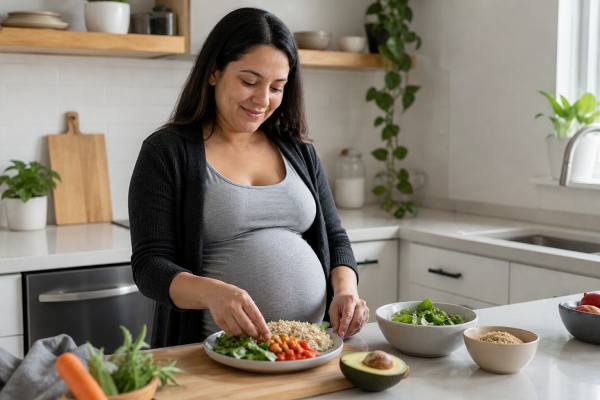
Pregnancy weight gain is not a single number that applies to everyone. A healthy range depends mainly on your BMI before pregnancy, whether you are carrying one baby or multiples, your medical history, and how your baby is growing. The goal is not to “gain as little as possible” or to follow a perfect chart week by week. It is to support fetal growth, protect your own health, and avoid patterns of gain that may raise the risk of complications.
BMI-based ranges are useful because they give you and your prenatal care team a starting point. They are not a judgment of your body, and they are not the only measure of a healthy pregnancy. Your clinician may adjust your target based on nausea, appetite, fluid retention, gestational diabetes, blood pressure, fetal growth, a history of bariatric surgery, or other individual factors.
Table of Contents
- Pregnancy Weight Gain Ranges by BMI
- How Weight Gain Usually Progresses
- Why Gain Outside the Range Matters
- How to Personalize Your Target
- Food and Movement for Healthy Gain
- What to Do if Gain Is Too Low or High
- Special Situations That Change the Plan
Pregnancy Weight Gain Ranges by BMI
The standard pregnancy weight gain ranges are based on your BMI before pregnancy, not your BMI later in pregnancy. For a single-baby pregnancy, the recommended total gain is highest for people who begin pregnancy underweight and lowest for people who begin pregnancy with obesity.
BMI is calculated from height and weight, and it is used as a screening tool. It does not measure body composition, fitness, nutrition quality, or pregnancy health by itself. Still, it helps clinicians estimate which total weight gain range is most likely to balance the risks of too little and too much gain.
| Pre-pregnancy BMI category | BMI range | Recommended total gain | Approximate gain in kg |
|---|---|---|---|
| Underweight | Less than 18.5 | 28–40 lb | 12.5–18 kg |
| Normal weight | 18.5–24.9 | 25–35 lb | 11.5–16 kg |
| Overweight | 25.0–29.9 | 15–25 lb | 7–11.5 kg |
| Obesity | 30.0 or higher | 11–20 lb | 5–9 kg |
These ranges are meant for the whole pregnancy. They are not a weekly pass-or-fail test. A person may gain very little during the first trimester because of nausea, then gain more steadily later. Another person may gain early because of appetite changes, constipation, or fluid shifts, then slow down.
For twins, recommended ranges are higher because two babies, two placentas or a larger shared placental system, more amniotic fluid, and greater blood volume all add weight. Twin pregnancies also need closer monitoring because fetal growth, preterm birth risk, and maternal health concerns are more complex.
| Pre-pregnancy BMI category | Recommended total gain | Approximate gain in kg |
|---|---|---|
| Underweight | 50–62 lb | 23–28 kg |
| Normal weight | 37–54 lb | 17–25 kg |
| Overweight | 31–50 lb | 14–23 kg |
| Obesity | 25–42 lb | 11–19 kg |
If you are carrying triplets or more, the usual BMI chart is not enough. Your obstetrician or maternal-fetal medicine specialist should set a more individualized goal.
If you are planning pregnancy rather than already pregnant, reaching a stable, well-nourished weight beforehand can make pregnancy weight targets easier to manage. A preconception plan should focus on nutrition, medical conditions, and sustainable habits, not crash dieting; this is especially important when working toward a healthy weight before pregnancy.
How Weight Gain Usually Progresses
Pregnancy weight gain usually starts slowly, then becomes more consistent in the second and third trimesters. A common pattern is only a few pounds in the first trimester, followed by steadier weekly gain as the baby, placenta, blood volume, uterus, breasts, and fluid stores increase.
In the first trimester, many people do not need extra calories beyond their usual intake. Appetite may be unpredictable. Nausea, vomiting, fatigue, food aversions, constipation, bloating, and early fluid changes can make the scale move in ways that do not reflect true tissue gain.
After the first trimester, weight gain often becomes easier to interpret. The body is building and supporting:
- the baby’s growth
- placenta and amniotic fluid
- increased blood and fluid volume
- breast and uterine tissue
- maternal fat and nutrient stores that help support pregnancy and breastfeeding
A general second- and third-trimester pattern is about 1 pound per week for people who began pregnancy underweight or at a normal BMI, and about 0.5 to 0.6 pounds per week for those who began pregnancy with overweight or obesity. These are averages, not strict rules. Your own pattern may vary from week to week.
Weight gain can also come in bursts. A salty meal, constipation, travel, hot weather, reduced sleep, or normal pregnancy fluid retention can cause a temporary increase. On the other side, a week of nausea or reduced appetite can flatten the trend. This is why your care team usually looks at the broader pattern, fetal growth, blood pressure, urine tests, glucose screening, symptoms, and overall nutrition rather than one weigh-in.
Tracking can be useful, but it should be simple. Weighing at every prenatal visit is often enough for many people. If your clinician asks you to monitor at home, use the same scale, weigh at a consistent time of day, and look at the trend rather than reacting to every fluctuation. If seeing the number increases anxiety, tell your care team. They may be able to do “blind weights,” where the measurement is recorded without being announced.
A healthy gain pattern also depends on food access, work schedule, cultural food preferences, nausea, medications, and support at home. If meal planning feels difficult, start with regular meals and snacks built around protein, fiber-rich carbohydrates, healthy fats, and fluids. During pregnancy, the goal is nourishment and steadiness, not aggressive restriction.
Why Gain Outside the Range Matters
Gaining far below or above the recommended range can raise health risks, although the meaning depends on your starting BMI and your pregnancy details. The range is meant to reduce risk, not to label every difference as dangerous.
Too little gain may mean the baby is not getting enough energy or nutrients, especially when low gain continues into the second and third trimesters. It can be linked with a higher chance of a baby being small for gestational age or born at a lower birth weight. For the pregnant person, inadequate intake may worsen fatigue, dizziness, nutrient deficiencies, and recovery after birth.
Low gain deserves attention when it is caused by ongoing vomiting, fear of weight gain, food insecurity, an eating disorder history, untreated digestive symptoms, or overly restrictive dieting. It is not always possible to “just eat more” when nausea, reflux, constipation, stress, or limited food access are part of the problem. Those barriers deserve practical care, not blame.
Excessive gain can also matter. It may raise the risk of a large-for-gestational-age baby, cesarean delivery, gestational diabetes, hypertensive disorders, more difficult postpartum weight retention, and complications during birth. This does not mean weight gain directly causes every complication, and it does not mean a higher-BMI pregnancy is automatically unhealthy. It means the combination of starting BMI, rate of gain, blood sugar, blood pressure, fetal growth, and other factors should be monitored thoughtfully.
The most useful response is not panic or self-punishment. It is earlier course correction. Small adjustments often help more than strict rules: more regular meals, more protein at breakfast, fewer calorie-dense drinks, extra fiber, shorter gaps between meals, gentle walking if approved, and help with nausea or reflux.
Pregnancy is not the time for rapid fat loss. If you are wondering whether weight loss is ever appropriate during pregnancy, the safest answer is to discuss it with your clinician rather than starting a deficit on your own. For a deeper look at that question, see losing weight while pregnant.
Weight stigma can make these conversations harder. A respectful prenatal visit should focus on health markers, fetal growth, nutrition, symptoms, and support. If weight discussions feel rushed or shaming, it is reasonable to ask for specific, behavior-based guidance: “What should I change this week?” is often more helpful than “How much should I weigh?”
How to Personalize Your Target
Your BMI category gives the starting range, but your prenatal care team may personalize the target based on your health and the pregnancy’s progress. The best target is specific enough to guide you, but flexible enough to respond to real clinical information.
A clinician may adjust the conversation around weight gain if you have:
- twins or higher-order multiples
- gestational diabetes or preexisting diabetes
- high blood pressure, preeclampsia risk, or kidney disease
- significant nausea and vomiting
- a history of eating disorder, bariatric surgery, or malabsorption
- a baby measuring small or large for gestational age
- teen pregnancy, because BMI interpretation differs during growth
- food insecurity or difficulty accessing balanced meals
- medication changes that affect appetite or fluid retention
The first step is clarifying your pre-pregnancy weight. If you do not know it, your first-trimester weight may be used as an estimate. That is not perfect, but it is often close enough to guide the discussion. If your weight changed quickly before pregnancy because of illness, medication, fertility treatment, or stopping a weight-loss drug, tell your clinician.
BMI also has limitations across individuals and populations. It does not distinguish between muscle and fat mass, and standard adult BMI categories may not fit every ethnic group equally. In pregnancy care, however, the usual BMI categories remain a common framework because they are tied to large population data and practical clinical guidance.
The target should also account for the baby’s growth. A person can gain within range while the baby needs extra monitoring, or gain outside range while fetal growth remains reassuring. Ultrasound growth checks, fundal height, blood pressure, glucose screening, and symptoms all add context.
A useful prenatal weight conversation may include these questions:
- “What total range are we using for me, and why?”
- “How much have I gained so far compared with the expected pattern?”
- “Is my baby’s growth on track?”
- “Are there signs that I need more nutrition support or less excess gain?”
- “Should I see a registered dietitian?”
- “Are my blood pressure and glucose results changing the plan?”
If you began pregnancy after medical weight treatment, ask for individualized guidance early. Some weight-loss medications are not recommended during pregnancy, and stopping them may change appetite and weight trajectory. A medication-specific conversation is important if you used GLP-1 drugs, appetite suppressants, or other therapies before conception; this is closely related to weight loss medications and pregnancy.
Food and Movement for Healthy Gain
Supporting healthy pregnancy weight gain usually means improving food quality, meal rhythm, and activity patterns rather than counting every calorie. The aim is to nourish pregnancy while keeping the rate of gain appropriate for your BMI range.
You do not need to “eat for two” in the sense of doubling intake. Energy needs usually rise modestly after the first trimester. Many people do well by adding a nutrient-dense snack or slightly larger portions rather than making dramatic changes.
A practical plate can include:
- a protein source, such as eggs, yogurt, fish low in mercury, poultry, beans, tofu, lentils, or lean meat
- a fiber-rich carbohydrate, such as oats, potatoes, whole grains, fruit, beans, or starchy vegetables
- colorful vegetables or fruit for vitamins, minerals, and fiber
- healthy fats, such as avocado, olive oil, nuts, seeds, or nut butter
- calcium-rich foods, such as milk, fortified soy milk, yogurt, kefir, or calcium-set tofu
- fluids, especially water, with attention to vomiting, constipation, heat, or activity level
If you are gaining too quickly, the first changes often involve liquid calories, grazing, large portions of calorie-dense snacks, and long gaps that lead to intense evening hunger. You may not need a formal diet. A more regular meal structure and higher-satiety foods can help. For example, a snack of Greek yogurt and fruit is usually more filling than juice and crackers alone.
If you are gaining too slowly, focus on adding nutrition without overwhelming your stomach. Try smaller, more frequent meals; smoothies with protein; nut butter on toast; olive oil added to cooked vegetables; trail mix; full-fat yogurt if tolerated; or an extra bedtime snack. If nausea is limiting intake, bland carbohydrates may help in the moment, but longer-term support often requires protein, fluids, and symptom management.
Food safety matters too. Pregnancy changes immune function, so avoid high-risk foods your clinician has told you to skip, follow local guidance on fish, avoid alcohol, and use safe food handling. Prenatal vitamins help fill some gaps, but they do not replace meals.
Movement can support healthy gain, glucose control, mood, sleep, constipation, and stamina for birth. For many uncomplicated pregnancies, moderate activity such as walking, swimming, stationary cycling, prenatal strength training, or prenatal yoga is appropriate. Avoid activities with a high risk of falling, abdominal trauma, overheating, or breath-holding strain unless your clinician has cleared them.
If you were active before pregnancy, you may be able to continue with modifications. If you are new to exercise, start gently. Ten-minute walks after meals can be more realistic than a formal workout, and they may help with blood sugar and digestion. The right plan should feel sustainable, not punishing.
What to Do if Gain Is Too Low or High
If your gain is outside the recommended range, the next step is to identify the reason before changing your food or activity. A pattern of low gain, fast gain, sudden gain, or weight loss can have very different causes.
For low gain, ask whether intake is limited by nausea, vomiting, reflux, constipation, anxiety, food aversions, cost, fatigue, or fear of gaining weight. Treatment might include anti-nausea strategies, reflux management, constipation relief, food access support, a dietitian referral, or closer fetal growth monitoring.
Practical ways to increase gain safely include:
- eating every 2 to 4 hours while awake
- adding a protein-rich snack before bed
- choosing calorie-dense nutritious foods, such as nuts, olive oil, avocado, hummus, cheese, or yogurt
- drinking smoothies or milk-based drinks if solid food is difficult
- keeping easy foods nearby for nausea, such as crackers, toast, fruit, or cereal
- asking about medication if vomiting is persistent
For high gain, the goal is usually to slow the rate of gain, not to lose weight. A clinician or dietitian may help you review portions, meal timing, beverages, takeout frequency, emotional eating, sleep, activity, and blood sugar. Sometimes rapid gain is partly fluid, especially later in pregnancy.
Practical ways to slow excessive gain include:
- replacing sugar-sweetened drinks with water, milk, or unsweetened options
- adding protein to breakfast to reduce later cravings
- building snacks around protein and fiber
- keeping treat foods portioned rather than eating from large packages
- walking after meals if approved
- treating poor sleep, stress eating, reflux, or constipation rather than relying on willpower
Some symptoms need prompt medical advice because they may signal dehydration, high blood pressure, or another pregnancy complication. Contact your care team urgently if you have persistent vomiting and cannot keep fluids down, signs of dehydration, fainting, severe abdominal pain, vaginal bleeding, severe headache, vision changes, sudden swelling of the face or hands, chest pain, shortness of breath, or a sudden large weight increase with swelling.
Also call if you are losing weight after the first trimester without trying, if you feel unable to eat enough, or if weight concerns are triggering restrictive eating, bingeing, purging, or intense anxiety. Pregnancy care should include mental health and nutrition support when needed.
Do not start a very-low-calorie diet, detox, fasting plan, weight-loss supplement, or appetite suppressant during pregnancy unless a qualified clinician specifically directs a medical plan. If you were using structured weight-loss habits before pregnancy, your plan usually needs to shift from fat loss to nutrition, steady gain, and prenatal monitoring.
Special Situations That Change the Plan
Some pregnancies need more individualized weight guidance than the standard BMI table can provide. This does not mean the chart is useless; it means the chart is only the starting point.
Twin pregnancies need higher total gain and closer monitoring. Weight gain may be discussed earlier and more actively because twins are more likely to arrive early, and adequate gain can be important for fetal growth. If nausea, reflux, or early fullness makes eating difficult, ask for help sooner rather than waiting until weight gain falls behind.
Pregnancy after bariatric surgery also needs specialized care. Depending on the surgery, there may be higher risk of nutrient deficiencies, dumping symptoms, reflux, food intolerance, or medication absorption changes. People who become pregnant after sleeve gastrectomy, gastric bypass, or other procedures often need lab monitoring and supplement adjustments. If this applies to you, review pregnancy after bariatric surgery and discuss your care with both your obstetric team and bariatric team.
Gestational diabetes can change the nutrition plan without changing the basic need for pregnancy weight gain. The focus often shifts to consistent carbohydrates, protein at meals and snacks, post-meal movement, and glucose monitoring. The goal is not to cut carbohydrates as low as possible; it is to choose the amount, type, and timing that keeps blood sugar in range while supporting fetal growth.
High blood pressure or preeclampsia risk can complicate scale interpretation because sudden fluid gain may occur. Rapid weight gain with swelling, headaches, visual symptoms, or upper abdominal pain should be treated as a medical issue, not a routine weight concern.
A history of eating disorder, body dysmorphia, or severe weight anxiety also changes the plan. You may need blind weights, fewer weight-focused conversations, more emphasis on behaviors and labs, and support from a therapist or dietitian with pregnancy experience. Healthy gain is still important, but the way it is discussed should protect both physical and mental health.
Teens need individualized guidance because adult BMI categories do not fully account for growth and development. A pregnant teenager may need pediatric-informed BMI assessment, extra nutrition support, and careful follow-up.
Postpartum plans should wait until after birth and early recovery. Some weight is lost with delivery, fluid shifts, and postpartum changes, but the timeline is different for everyone. If you plan to breastfeed, weight-loss efforts need to protect milk supply and recovery; guidance on losing weight while breastfeeding is different from weight guidance during pregnancy.
The main takeaway is simple: use the BMI range as a guide, then personalize it with your clinician. A healthy pregnancy weight plan is not just a number. It is a combination of steady prenatal care, adequate nutrition, appropriate activity, symptom management, and timely support when the trend is moving too far in either direction.
References
- Weight Gain During Pregnancy 2024 (Government Guidance)
- Behavioral Counseling Interventions for Healthy Weight and Weight Gain in Pregnancy: US Preventive Services Task Force Recommendation Statement 2021 (Guideline)
- Counseling and Behavioral Interventions for Healthy Weight and Weight Gain in Pregnancy: Evidence Report and Systematic Review for the US Preventive Services Task Force 2021 (Systematic Review)
- Maternal and child nutrition: nutrition and weight management in pregnancy, and nutrition in children up to 5 years 2025 (Guideline)
- Nutrition counselling during pregnancy 2023 (Guidance)
- Weight Gain During Pregnancy: Reexamining the Guidelines 2009 (Report)
Disclaimer
This article is for general educational purposes only and is not a substitute for personalized prenatal medical advice, diagnosis, or treatment. Pregnancy weight gain targets should be discussed with your obstetrician, midwife, or qualified healthcare professional, especially if you have twins, diabetes, high blood pressure, significant nausea or vomiting, a history of bariatric surgery, or concerns about fetal growth.
If this article was helpful, consider sharing it on Facebook, X, or your preferred platform so others can find clear pregnancy weight gain guidance.