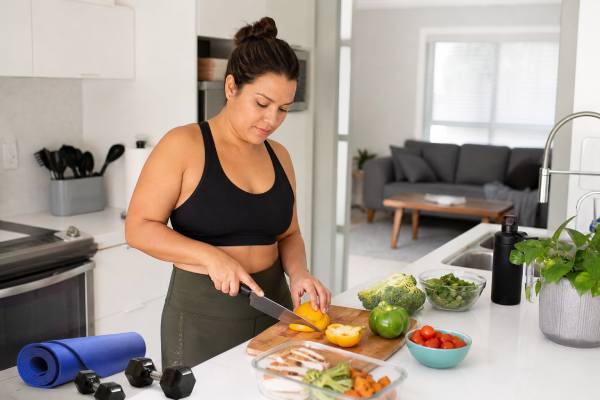
Weight loss works best when it is realistic, well-fueled, and flexible enough to fit real life. For women, that often means planning around appetite, stress, menstrual cycle changes, pregnancy history, menopause, medications, caregiving demands, and the need to protect muscle and bone health—not just trying to eat less.
The strongest plan is not a single diet or workout trend. It is a repeatable system: a moderate calorie deficit, enough protein and fiber, regular strength training, daily movement, sleep and stress habits, and a way to adjust when progress slows. The goal is fat loss without unnecessary restriction, burnout, or a plan that only works during a “perfect” week.
Table of Contents
- What the Best Plan Includes
- Set a Realistic Calorie Target
- Build Meals That Control Hunger
- Exercise for Fat Loss and Muscle
- Adjust for Hormones and Life Stage
- Make the Plan Easier to Follow
- Track Progress Without Obsessing
- When to Get Medical Support
What the Best Plan Includes
The best weight loss plan for women is a personalized plan that creates a sustainable calorie deficit while protecting health, muscle, energy, and quality of life. It should be structured enough to guide daily choices but flexible enough to handle work, family, social meals, travel, menstrual symptoms, and changing schedules.
A strong plan has five parts: nutrition, movement, strength training, recovery, and monitoring. Leaving out any one of these can make weight loss harder than it needs to be. For example, eating fewer calories without protein can increase hunger and muscle loss. Exercising hard without enough recovery can raise fatigue and cravings. Tracking only scale weight can make normal water shifts feel like failure.
| Plan component | What it should do | What to avoid |
|---|---|---|
| Calorie target | Create a moderate deficit that supports steady fat loss | Very low calories without medical supervision |
| Protein and fiber | Improve fullness, preserve lean mass, and support nutrition quality | Low-protein dieting, skipping meals, or relying mostly on snacks |
| Strength training | Maintain or build muscle while losing fat | Only doing cardio while ignoring muscle and bone health |
| Daily movement | Increase energy expenditure without needing intense workouts every day | Trying to “earn food” with exhausting exercise |
| Sleep and stress routines | Support appetite regulation, energy, mood, and consistency | Treating cravings as a willpower problem only |
| Progress review | Show trends and guide adjustments | Reacting to one weigh-in or one difficult day |
A good plan also respects individual context. A woman with PCOS may need a different emphasis than a woman recovering postpartum. A woman in perimenopause may need more attention to strength training, sleep, and waist measurement than she did in her 20s. Someone with a history of disordered eating may do better with portions, meal structure, and professional support rather than calorie counting.
The plan should not require perfection. It should help you make the next reasonable choice after a busy morning, restaurant meal, poor night of sleep, or stressful day. If a plan collapses whenever life gets messy, the plan is too fragile.
Set a Realistic Calorie Target
Weight loss requires an energy deficit, but the deficit should be moderate enough that you can maintain it. For many women, the mistake is not a lack of discipline; it is starting with a target that is too aggressive for their body size, activity level, hunger, schedule, or recovery needs.
A practical starting point is to estimate maintenance calories, then reduce intake by a modest amount. Many women do well with a deficit of about 300 to 500 calories per day, though the right number depends on current weight, height, age, activity, dieting history, and medical factors. Smaller women, older women, and less active women may have less room to reduce calories without feeling overly restricted.
A safe and realistic rate of weight loss is often around 0.5% to 1% of body weight per week, with slower loss being common near a healthy weight. Faster loss may happen early because of water and glycogen changes, but that pace usually does not continue. If you want a deeper explanation of setting intake, daily calorie needs for weight loss can help you understand the basic calculation.
Good calorie targets should pass a real-life test. You should be able to:
- Eat at least three satisfying meals or meals plus planned snacks.
- Include protein at most meals.
- Maintain normal daily responsibilities without feeling constantly drained.
- Exercise without dizziness, excessive fatigue, or poor recovery.
- Sleep reasonably well.
- Keep the plan going most days without feeling trapped by it.
Very low-calorie diets, detoxes, fasting extremes, and long lists of banned foods often create quick scale changes but poor long-term adherence. They can also worsen rebound overeating, menstrual irregularity, fatigue, constipation, gallstone risk during rapid weight loss, and nutrient gaps. A medically supervised low-calorie plan may be appropriate for some people, but it should not be treated as a casual DIY strategy.
Many women also need to adjust expectations around the menstrual cycle. It is common for scale weight to rise or stall before menstruation because of water retention, constipation, appetite changes, and sodium sensitivity. This does not mean fat loss has stopped. Comparing the same phase of one cycle to the same phase of the next cycle is often more useful than comparing random days.
If counting calories feels stressful or has triggered unhealthy patterns in the past, use a structured plate method instead: half the plate non-starchy vegetables or fruit, one quarter protein, one quarter high-fiber carbohydrate, plus a small portion of fat. Portion-based plans can still create a deficit when meals are consistent and snacks are planned.
Build Meals That Control Hunger
The most effective eating pattern is one that keeps you full enough to repeat. For women, that usually means prioritizing protein, fiber-rich carbohydrates, high-volume foods, and enough dietary fat—not trying to survive on tiny portions.
Protein is especially important during weight loss because it supports fullness and helps preserve lean mass. A useful target for many women is to include a clear protein source at each meal, such as Greek yogurt, eggs, fish, chicken, turkey, lean meat, tofu, tempeh, beans, lentils, cottage cheese, edamame, or protein-fortified options. For a more precise setup, macros for women trying to lose weight can help translate protein, carbs, and fat into daily targets.
Fiber helps with fullness, blood sugar stability, gut health, and meal volume. Good sources include vegetables, fruit, beans, lentils, oats, barley, whole-grain bread, quinoa, chia seeds, flaxseed, and potatoes with the skin. Many women undereat fiber when they cut carbs too aggressively, which can make hunger and constipation worse.
A simple meal formula works well for most plans:
- Protein: one palm-sized portion or more, depending on needs.
- High-volume produce: vegetables, salad, fruit, or broth-based soup.
- Smart carbohydrate: oats, potatoes, brown rice, beans, lentils, whole-grain pasta, fruit, or whole-grain bread.
- Healthy fat: avocado, olive oil, nuts, seeds, tahini, oily fish, or full-fat dairy in measured portions.
- Flavor: herbs, spices, salsa, vinegar, mustard, citrus, pickles, or lower-calorie sauces.
Carbs do not need to be eliminated. Many women feel and train better with carbohydrates, especially if they lift weights, walk often, run, cycle, have an active job, or experience strong premenstrual cravings. The better question is not “Should I eat carbs?” but “Which carbs help me feel satisfied and perform well?” Higher-fiber carbs are usually more filling than sweets, refined snacks, or sugary drinks.
Fat also matters. Very low-fat dieting can make meals less satisfying and may crowd out foods that support health, such as nuts, seeds, olive oil, and fatty fish. The key is portion awareness because fats are calorie-dense. A tablespoon of oil, a small handful of nuts, or a quarter to half an avocado can fit well; pouring, grazing, or eating directly from containers can quietly erase a deficit.
Meal timing should support consistency. Some women do well with breakfast; others prefer a later first meal. What matters most is whether your pattern prevents intense hunger, night snacking, and impulsive food choices. If skipping breakfast leads to overeating later, build a protein-rich morning meal. If late-night cravings are the issue, plan a higher-protein dinner and a defined evening snack rather than relying on willpower.
For busy weeks, repeatable meals beat elaborate plans. Examples include yogurt bowls, egg wraps, tuna or tofu grain bowls, sheet-pan chicken and vegetables, chili, lentil soup, rotisserie chicken salads, cottage cheese plates, protein smoothies, and freezer meals with added vegetables. A planned approach such as a high-protein, high-fiber meal plan can make the first few weeks easier.
Exercise for Fat Loss and Muscle
Exercise should make weight loss healthier, not punish you into eating less. The best plan combines strength training, cardiovascular exercise, and daily movement so you lose fat while keeping muscle, fitness, mobility, and confidence.
Strength training is the foundation. Women lose muscle with age, inactivity, aggressive dieting, and sometimes rapid weight loss. Lifting weights or using resistance bands helps signal the body to keep muscle while calories are lower. It also supports bone health, joint function, insulin sensitivity, posture, and long-term weight maintenance.
A realistic starting target is two to three full-body strength sessions per week. Each session can include:
- A squat or leg press pattern.
- A hip hinge, such as a deadlift variation or glute bridge.
- A push, such as push-ups, chest press, or overhead press.
- A pull, such as rows or pulldowns.
- A core or carry exercise.
- Optional glute, hamstring, shoulder, or arm accessories.
You do not need advanced programming at first. The priority is learning good technique, training consistently, and gradually increasing reps, weight, or control over time. A beginner-friendly three-day strength training plan can be enough to make meaningful progress.
Cardio is still useful, especially for heart health, mood, endurance, and calorie expenditure. Walking, cycling, swimming, rowing, incline treadmill, dancing, hiking, and elliptical training all count. The best cardio is the kind you can do regularly without joint pain or dread. High-intensity intervals can be effective, but they are not required and should not replace basic movement and strength work.
Daily movement is often underestimated. Steps, errands, stairs, housework, walking meetings, standing breaks, and short walks after meals can make a major difference in total energy expenditure. Many women reduce unconscious movement when dieting because the body tries to conserve energy. This is one reason a plan can stall even when workouts are happening.
A balanced weekly plan might look like this:
| Goal | Beginner option | Progression |
|---|---|---|
| Strength | 2 full-body sessions per week | 3 sessions with progressive overload |
| Cardio | 2 short moderate sessions | 150 to 300 minutes weekly, as tolerated |
| Steps | Add 1,000 to 2,000 steps above baseline | Build toward a consistent personal target |
| Recovery | 1 to 2 easier days weekly | Use rest days before fatigue affects consistency |
If you are starting from low activity, have joint pain, are postpartum, are over 50, or have a chronic condition, begin conservatively. Low-impact movement is not a lesser option; it is often the smartest way to build consistency. Walking is especially accessible, and walking for weight loss can be scaled from short beginner walks to structured step goals.
Adjust for Hormones and Life Stage
Women do not need a completely different biology-based diet, but life stage and hormonal context can change what makes a plan realistic. The basics remain the same—calorie deficit, protein, fiber, movement, strength training, sleep—but the emphasis may shift.
During the menstrual cycle, appetite, cravings, energy, constipation, and water retention can change. Some women benefit from planning slightly more food around the late luteal phase, especially more protein, high-fiber carbs, and planned snacks. This can prevent the “white-knuckle restriction, then overeating” cycle. Training can also be adjusted: push harder on high-energy days, use lower-intensity work when cramps, poor sleep, or heavy bleeding interfere.
Perimenopause and menopause often bring changes in body composition, sleep, mood, hot flashes, and fat distribution. Weight loss is still possible, but the plan may need more attention to strength training, protein, alcohol intake, sleep quality, and waist measurement. If midlife weight gain is the main concern, menopause weight loss strategies can help separate useful steps from myths.
PCOS, insulin resistance, thyroid disease, depression, binge eating disorder, sleep apnea, and medication-related weight gain can all change the difficulty level. These conditions do not make weight loss impossible, but they may require more personalized care. For example, women with PCOS often benefit from strength training, adequate protein, high-fiber carbohydrates, regular meals, and medical support when cycles, acne, hair growth, fertility concerns, or blood sugar markers are affected. A focused guide to losing weight with PCOS may be useful if those symptoms fit your situation.
Pregnancy is different. Weight loss is generally not the goal during pregnancy unless a clinician gives specific medical guidance. The focus should be healthy eating, appropriate pregnancy weight gain, safe physical activity, prenatal vitamins, and regular prenatal care. Women trying to conceive should avoid crash diets and should discuss medications, supplements, and weight loss drugs with a clinician before pregnancy.
Breastfeeding also needs care. Some women lose weight while breastfeeding, while others hold onto weight because of appetite, sleep loss, stress, and hormonal changes. A large calorie deficit can affect energy and may affect milk supply in some women. Slow loss, protein-rich meals, hydration, and enough total food are usually safer than aggressive dieting.
| Situation | Helpful emphasis | Use caution with |
|---|---|---|
| Premenstrual hunger | Planned protein snacks, fiber-rich carbs, sleep support | Over-restricting early in the day |
| Perimenopause or menopause | Strength training, protein, sleep, alcohol awareness | Assuming weight gain is unavoidable |
| PCOS or insulin resistance | Regular meals, high-fiber carbs, resistance training, medical follow-up | Extreme carb elimination if it worsens adherence |
| Postpartum | Recovery, pelvic floor care, protein, gentle progression | Rushing intense exercise or severe calorie cuts |
| Pregnancy | Prenatal care, healthy eating, safe activity | Intentional weight loss without clinical guidance |
Make the Plan Easier to Follow
The plan that works is the one you can repeat on ordinary days, not just highly motivated days. Women often carry competing demands from work, caregiving, household labor, social expectations, and emotional stress, so the environment matters as much as willpower.
Start by reducing daily decision load. Decide on two or three default breakfasts, lunches, dinners, and snacks. This does not mean eating the same thing forever; it means having reliable options when the day gets busy. A default lunch might be a grain bowl with chicken or tofu, vegetables, and sauce. A default snack might be Greek yogurt and fruit, cottage cheese and crackers, edamame, a protein smoothie, or boiled eggs with vegetables.
Your food environment should make the easier choice visible. Keep protein options ready, wash fruit, pre-chop vegetables, move trigger foods out of sight if they are hard to portion, and keep convenient meals in the freezer. You do not need a perfect pantry. You need enough structure that hunger plus stress does not automatically become takeout, grazing, or skipping meals followed by overeating.
Sleep deserves more attention than most plans give it. Short sleep can raise hunger, reduce energy for exercise, increase cravings, and make planning harder. A realistic goal is not perfect sleep; it is a consistent wind-down routine, caffeine timing that does not sabotage bedtime, and a wake time that is steady most days. If sleep is a major barrier, sleep needs for weight loss can help you understand why recovery affects appetite and consistency.
Stress management should be practical, not performative. A five-minute decompression routine after work may help more than an elaborate wellness plan you never use. Try a short walk, breathing drill, shower, journaling prompt, stretching, or a no-phone transition before entering the kitchen. For many women, evening overeating is not about hunger alone; it is the first quiet moment after a demanding day. Tools for stress-related cravings and overeating can help make that pattern easier to interrupt.
Social meals should be included in the plan. Use a simple strategy: protein first, vegetables or fruit where possible, choose the starch or dessert you actually want, and avoid turning one higher-calorie meal into an all-weekend spiral. A plan that includes restaurants, celebrations, and family meals is more durable than one that requires isolation.
Track Progress Without Obsessing
Progress should be measured by trends, not single days. Women often experience scale changes from menstrual cycle shifts, sodium, soreness, constipation, travel, sleep loss, alcohol, new workouts, and carbohydrate changes, so one weigh-in can be misleading.
Use at least two or three measures of progress:
- Body weight trend over two to four weeks.
- Waist measurement or clothing fit.
- Progress photos, if they feel emotionally neutral.
- Strength, step count, or workout consistency.
- Energy, hunger, sleep, and mood.
- Blood pressure, glucose, cholesterol, or other markers when relevant.
If you weigh yourself, choose a method that supports your mental health. Some women like daily weigh-ins because they reveal normal fluctuations. Others do better with one to three weigh-ins per week. If the scale triggers anxiety, restriction, or shame, use non-scale measures and consider professional support.
A plateau is usually not a true plateau unless the trend has not changed for at least two to four weeks. Before cutting calories, review the basics. Has tracking become less accurate? Have weekends changed? Has step count dropped? Are restaurant meals, alcohol, bites while cooking, or “healthy” extras adding more than expected? Has strength training caused water retention? Is constipation affecting the scale?
Common fixes include:
- Return to consistent meal structure for one week.
- Increase protein at breakfast and lunch.
- Add vegetables or fruit to two meals per day.
- Raise steps modestly rather than adding punishing workouts.
- Check portions of oils, nuts, nut butters, cheese, sauces, and drinks.
- Keep strength training steady.
- Improve sleep before lowering calories again.
- Compare weight to the same menstrual cycle phase.
If fat loss is happening but slowly, you may not need to change anything. Slow progress is still progress if it is sustainable. If there is no change after several weeks and adherence is solid, a small adjustment may help: reduce intake slightly, increase daily movement, tighten weekend portions, or take a planned maintenance break if diet fatigue is high.
Maintenance breaks are underrated. Spending one to four weeks at maintenance calories can help with hunger, training performance, social flexibility, and mental relief. This is not quitting; it is part of long-term planning, especially for women with more weight to lose or a history of repeated crash diets.
When to Get Medical Support
Medical support is appropriate when weight loss is unusually difficult, symptoms suggest an underlying condition, or a more intensive treatment may be needed. Asking for help is not a failure; it can prevent months of guessing.
Talk with a clinician before starting a weight loss plan if you are pregnant, trying to conceive, breastfeeding, under 18, recovering from an eating disorder, managing diabetes, taking medications that affect appetite or weight, or living with heart, kidney, liver, thyroid, or gastrointestinal disease. It is also wise to check in if you are planning a major calorie deficit or intense exercise after a long inactive period.
Seek medical evaluation if you have:
- Rapid unexplained weight gain.
- Missed or very irregular periods not explained by pregnancy, contraception, or known conditions.
- New facial hair growth, severe acne, or symptoms of PCOS.
- Severe fatigue, cold intolerance, constipation, or other thyroid-like symptoms.
- Excessive thirst, frequent urination, or signs of high blood sugar.
- Loud snoring, choking during sleep, or daytime sleepiness.
- Binge eating episodes, purging, laxative misuse, or fear of eating.
- Chest pain, fainting, severe shortness of breath, or swelling that appears suddenly.
A clinician may review medications, screen for conditions such as hypothyroidism, diabetes, PCOS, sleep apnea, depression, or Cushing syndrome when symptoms fit, and help decide whether nutrition counseling, therapy, physical therapy, anti-obesity medication, or bariatric surgery evaluation is appropriate. A guide on talking to a doctor before weight loss can help you prepare for that conversation.
Anti-obesity medications and bariatric procedures can be evidence-based options for some women, especially when obesity-related conditions are present. They still work best with nutrition, movement, behavior support, and long-term follow-up. Weight loss medications are not appropriate during pregnancy, and some require contraception planning or stopping before conception. Supplements marketed for “fat burning” deserve caution because many have weak evidence, stimulant effects, contamination risks, or drug interactions.
A strong plan does not depend on doing everything alone. The right support might be a registered dietitian, physician, therapist, certified trainer, pelvic floor physical therapist, obesity medicine specialist, endocrinologist, or supportive group. The more complex your health history is, the more individualized the plan should be.
References
- Overweight and obesity management 2026 (Guideline)
- Behavioral Approaches to Obesity Management 2026 (Review)
- Physical Activity and Weight Loss Maintenance 2025 (Review)
- Maternal and child nutrition: nutrition and weight management in pregnancy, and nutrition in children up to 5 years 2025 (Guideline)
- Recommendations from the 2023 International Evidence-based Guideline for the Assessment and Management of Polycystic Ovary Syndrome 2023 (Guideline)
Disclaimer
This article is for general educational purposes only and is not a substitute for professional medical advice, diagnosis, or treatment. Women who are pregnant, breastfeeding, managing a medical condition, taking weight-affecting medication, or experiencing unexplained weight changes should consult a qualified healthcare professional before changing diet, exercise, supplements, or medications.
Share this article on Facebook, X (formerly Twitter), or your preferred platform to help others build a safer, more realistic weight loss plan.