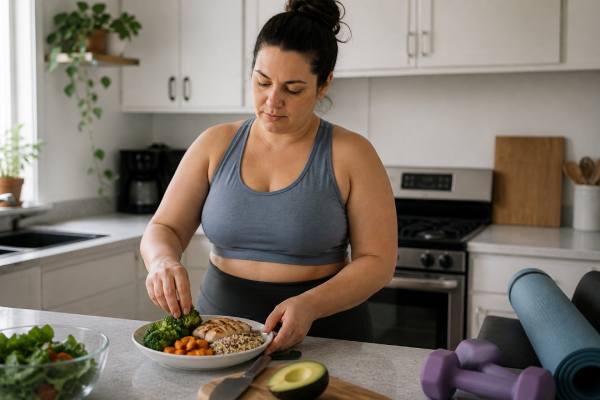
PCOS can make weight loss feel unusually frustrating. Many people with polycystic ovary syndrome are told to “just eat less and move more,” yet the condition can affect insulin, hunger, cravings, menstrual cycles, sleep, mood, and where body fat tends to accumulate. That does not mean weight loss is impossible, and it does not mean every struggle is a matter of willpower.
The most effective approach is usually steady, structured, and medically aware: a realistic calorie deficit, meals that support insulin sensitivity and fullness, regular exercise, enough sleep, stress support, and the right clinical care when medication, fertility planning, or other health risks are involved.
Table of Contents
- Why PCOS Makes Weight Loss Harder
- Set Realistic Goals With PCOS
- Create a Sustainable Calorie Deficit
- Build Meals for Insulin Resistance
- Exercise for PCOS Weight Loss
- Manage Sleep, Stress, and Cravings
- Medications and Supplements to Discuss
- Fertility, Pregnancy, and Safety
- When to Get Medical Help
Why PCOS Makes Weight Loss Harder
PCOS can make weight loss harder because it often involves insulin resistance, higher androgen levels, irregular ovulation, and a greater tendency toward abdominal fat storage. These factors can affect appetite, energy, cravings, and metabolic health, but they do not make fat loss biologically impossible.
Insulin resistance is one of the biggest reasons weight loss with PCOS can feel different. Insulin helps move glucose from the bloodstream into cells. When cells become less responsive to insulin, the body may produce more of it. Higher insulin levels can make blood sugar swings, cravings, and abdominal weight gain more likely for some people. A deeper explanation of this connection is covered in PCOS and insulin resistance.
PCOS is also linked with higher levels of androgens, such as testosterone. These hormones can contribute to acne, excess facial or body hair, scalp hair thinning, and changes in fat distribution. Weight gain can worsen insulin resistance, and insulin resistance can worsen androgen-related symptoms, creating a cycle that feels discouraging.
Still, it is important not to overstate the problem. PCOS does not mean your body ignores calories. Fat loss still requires using more energy than you take in over time. What PCOS can do is make that deficit harder to create and sustain because hunger, fatigue, cravings, sleep problems, mood symptoms, and irregular cycles may all be part of the picture.
A useful mindset is to treat PCOS weight loss as metabolic management, not punishment. The goal is not to force your body into submission with very low calories or extreme workouts. The goal is to improve the conditions that make consistency easier: steadier blood sugar, better satiety, more muscle, improved sleep, lower stress load, and appropriate medical support.
PCOS also varies widely. Some people with PCOS have overweight or obesity; others do not. Some have high blood sugar, sleep apnea, fatty liver, or high cholesterol; others mainly struggle with irregular periods or androgen symptoms. A plan should match your body, labs, symptoms, preferences, and reproductive goals.
Set Realistic Goals With PCOS
A realistic first goal is often losing 5% to 10% of starting body weight if weight loss is medically appropriate. Even modest weight loss can improve insulin sensitivity, menstrual regularity, androgen-related symptoms, blood pressure, cholesterol, and fertility markers for some people with PCOS.
That does not mean every symptom disappears at 5% weight loss. PCOS is not simply a weight condition, and people respond differently. Some notice better cycles or fewer cravings with small changes. Others lose weight but still need medication for irregular periods, acne, excess hair growth, fertility, blood sugar, or cholesterol.
A safe and practical pace is usually gradual. Many adults do well aiming for about 0.5% to 1% of body weight per week, though some weeks will be slower because of water retention, menstrual-cycle changes, sodium intake, constipation, stress, or strength training. PCOS can make scale trends noisy, so judging progress by a single weigh-in can be misleading.
Track more than weight if the scale affects your motivation or mood. Useful markers include:
- Waist measurement every 2 to 4 weeks
- Average weight trend rather than one daily number
- Energy and hunger patterns
- Menstrual-cycle regularity
- Strength, walking stamina, and resting heart rate
- Blood pressure, A1c, fasting glucose, lipids, or liver enzymes when relevant
- Clothing fit and progress photos, if emotionally safe for you
Avoid setting a goal based only on getting to a specific clothing size or “fixing” PCOS. Better goals are behavior-based and health-based: cooking more protein-rich meals, walking after dinner, strength training twice weekly, reducing late-night grazing, improving sleep timing, or bringing A1c into a healthier range.
It also helps to decide what you will not do. For many people with PCOS, overly aggressive dieting backfires by increasing cravings, fatigue, and all-or-nothing thinking. A plan that you can repeat for months usually beats a strict plan you can only tolerate for 10 days.
Create a Sustainable Calorie Deficit
To lose body fat with PCOS, you still need a calorie deficit, but the deficit should be moderate enough to support energy, menstrual health, protein intake, and long-term adherence. Severe restriction is rarely the best first step.
A practical starting point is to reduce intake by about 10% to 20% from maintenance or create a smaller daily deficit through a mix of food choices and activity. Some people prefer tracking calories for a few weeks to learn portions. Others do better with a plate method, structured meals, or a repeated meal template. If you need help estimating intake, a guide to how many calories to eat for weight loss can give you a starting framework.
The biggest mistake is cutting calories before building meals that keep you full. PCOS can already come with intense hunger, cravings, or energy dips. A low-calorie plan built mostly on coffee, salad, rice cakes, and willpower often fails by evening.
Start with a simple structure:
- Eat 3 satisfying meals, or 2 to 3 meals plus 1 planned snack if that suits your appetite.
- Include protein at each meal.
- Add high-fiber carbohydrates instead of relying mainly on refined starches or sweets.
- Use vegetables, fruit, beans, lentils, potatoes, oats, whole grains, and yogurt to increase volume and nutrients.
- Include some fat for satisfaction, but measure calorie-dense fats such as oils, nut butter, cheese, nuts, and creamy sauces.
- Plan meals around your hardest time of day, not your most motivated time of day.
Protein is especially useful during weight loss because it supports fullness and helps protect lean mass. Many people do well with a protein target spread across the day rather than saving most protein for dinner. For more detailed targets, see protein intake for weight loss.
Do not assume that eating “healthy” automatically creates a deficit. Olive oil, granola, nuts, smoothies, protein bars, gluten-free snacks, and restaurant salads can all be nutritious or convenient, but portions still matter. At the same time, do not assume you need to eat perfectly. Flexible plans tend to work better because they leave room for normal life.
A sustainable deficit should feel structured, not desperate. If you are constantly cold, irritable, exhausted, preoccupied with food, bingeing at night, losing strength quickly, or your plan feels impossible to maintain, the deficit may be too aggressive or poorly designed.
Build Meals for Insulin Resistance
The best PCOS diet is usually the one that helps you stay in a calorie deficit while improving fullness, blood sugar stability, and nutrient quality. No single diet pattern is required for everyone with PCOS.
Low-glycemic, Mediterranean-style, DASH-style, higher-protein, higher-fiber, and moderate-carbohydrate approaches can all work. The common thread is not a magic food list. It is a repeatable pattern of minimally processed foods, enough protein, fiber-rich carbohydrates, healthy fats, and portions that match your goals. A more detailed food approach is covered in diet strategies for PCOS weight loss.
Carbohydrates deserve nuance. Many people with PCOS are told to cut carbs as low as possible. Some feel better with fewer refined carbohydrates, fewer sugary drinks, and more protein at breakfast. But very low-carb dieting is not mandatory, and it can be hard to sustain. The quality, portion, and pairing of carbohydrates often matter more than eliminating them.
A PCOS-friendly plate can look like this:
- One-quarter to one-third protein: eggs, Greek yogurt, chicken, fish, tofu, tempeh, turkey, lean beef, cottage cheese, lentils, or beans
- One-quarter high-fiber carbohydrate: oats, quinoa, brown rice, potatoes, beans, fruit, whole-grain bread, or whole-grain pasta
- One-third to one-half vegetables or fruit: leafy greens, peppers, tomatoes, zucchini, broccoli, berries, apples, citrus, or mixed salads
- A measured fat source: avocado, olive oil, nuts, seeds, tahini, olives, or cheese
Meal timing can also help. Some people with PCOS notice fewer cravings when they eat a higher-protein breakfast, avoid long gaps between meals, and stop “saving calories” all day for a large dinner. Others prefer a later first meal and do fine as long as total intake, protein, fiber, and evening appetite are managed.
For cravings, build a planned response instead of relying on restriction. If sweet cravings hit after dinner, try Greek yogurt with berries, a protein smoothie, fruit with peanut butter, or a portioned dessert after a balanced meal. If cravings happen midafternoon, your lunch may need more protein, fiber, or total calories.
The most useful nutrition question is not “Which diet is perfect for PCOS?” It is “Which eating pattern keeps my hunger, blood sugar, schedule, budget, and preferences stable enough that I can repeat it?”
Exercise for PCOS Weight Loss
Exercise helps PCOS weight loss most when it improves insulin sensitivity, preserves muscle, increases daily energy use, and supports consistency. It does not need to be punishing to be effective.
A strong weekly target is a mix of aerobic activity and strength training. Many adults benefit from building toward 250 minutes per week of moderate activity, 150 minutes of vigorous activity, or a blend of both, plus muscle-strengthening work on at least two non-consecutive days. Beginners do not need to start there. The best starting point is the amount you can do without flaring pain, exhaustion, or burnout.
Walking is underrated. A 10- to 20-minute walk after meals can help with glucose control and digestion while adding movement without requiring a gym. If your current activity is low, walking more consistently may be the highest-return change you can make.
Strength training is also important because it helps protect lean mass while you lose weight. More muscle can improve function, strength, shape, and long-term weight maintenance. You do not need complicated routines. A beginner plan can include squats or sit-to-stands, hip hinges, rows, presses, step-ups, dead bugs, and carries. If you want a structured starting point, a 3-day strength training plan can be adapted to your fitness level.
Cardio can include brisk walking, cycling, swimming, elliptical training, jogging, hiking, dance workouts, rowing, or classes. Moderate-intensity aerobic exercise is a strong option for many people with PCOS because it is effective and often easier to recover from than very intense workouts.
A balanced week might look like:
- 3 days of brisk walking, cycling, or other cardio for 30 to 45 minutes
- 2 days of full-body strength training
- Short walks after meals when possible
- 1 to 2 easier recovery days with light movement or mobility
High-intensity interval training can work for some people, but it is not required. If HIIT leaves you ravenous, sore for days, anxious, or inconsistent, use it sparingly or choose moderate cardio. The “best” exercise is the one that improves your health while making your week more stable, not more chaotic.
For PCOS-specific programming, see exercise options for PCOS weight loss.
Manage Sleep, Stress, and Cravings
Sleep and stress can strongly affect PCOS weight loss because they influence hunger, cravings, insulin sensitivity, energy, and decision-making. They are not side issues; they often determine whether the nutrition and exercise plan is realistic.
Poor sleep can increase appetite, reduce impulse control, worsen fatigue, and make workouts harder. PCOS is also associated with a higher risk of obstructive sleep apnea, especially when weight is higher or snoring, morning headaches, daytime sleepiness, or waking gasping are present. If those symptoms apply, learn more about sleep apnea and weight loss and consider medical evaluation.
A useful sleep target is not perfection. Start with consistency:
- Keep wake time within a similar range most days.
- Get morning light when possible.
- Stop caffeine early enough that it does not affect sleep.
- Create a 20- to 30-minute wind-down routine.
- Keep late-night snacking from becoming the main way you decompress.
- Treat snoring, reflux, pain, anxiety, or restless sleep as health issues, not personal failures.
Stress can also drive eating patterns. With PCOS, this may show up as afternoon sugar cravings, eating past fullness at night, or feeling unable to start unless conditions are perfect. Stress management does not have to mean meditation, although meditation can help. It can mean a walk after work, a realistic meal plan, fewer food decisions, therapy, social support, breathing exercises, or setting boundaries around sleep.
Cravings are easier to manage when you treat them as signals. A craving may mean you are tired, underfed, bored, stressed, avoiding something, or exposed to highly tempting foods after a restrictive day. The response depends on the cause.
Try this quick check:
- Did I eat enough protein and fiber today?
- Did I go too long without eating?
- Am I tired, stressed, or emotionally overloaded?
- Is this a food I can portion and enjoy, rather than avoid until I overeat it?
- What would make tomorrow easier?
For some people, overeating is occasional and habit-based. For others, it may involve binge eating, shame, secrecy, feeling out of control, or compensatory restriction. In that case, weight loss should not be the only goal. Getting support for disordered eating can make health changes safer and more effective.
Medications and Supplements to Discuss
Medication can be helpful for some people with PCOS, especially when insulin resistance, high blood sugar, higher weight, irregular cycles, androgen symptoms, or fertility goals are part of the picture. Medication should support lifestyle changes, not replace medical monitoring or a sustainable routine.
The right choice depends on symptoms, labs, BMI, pregnancy plans, medical history, side effects, cost, and access. Do not start, stop, or combine medications without a clinician who understands your full health picture.
| Option | Why it may be considered | Key cautions |
|---|---|---|
| Metformin | May help insulin resistance, glucose markers, metabolic risk, and sometimes menstrual regularity; weight loss is usually modest. | Can cause gastrointestinal side effects and may affect vitamin B12 levels with long-term use. |
| GLP-1 medications | May be considered for higher weight according to general obesity-treatment criteria and can reduce appetite and body weight. | Require medical supervision, gradual dose escalation, pregnancy planning, and discussion of side effects and regain risk after stopping. |
| Orlistat | May reduce fat absorption and support weight loss for some people. | Can cause oily stools, urgency, and reduced absorption of fat-soluble vitamins if not managed properly. |
| Hormonal contraceptives | Often used for irregular cycles, acne, and excess hair growth. | Not primarily a weight-loss medication; choice depends on risk factors, preferences, and contraindications. |
| Bariatric or metabolic surgery | May be considered for eligible people with severe obesity or metabolic disease when other approaches are insufficient. | Requires long-term nutrition monitoring, pregnancy timing guidance, and specialist follow-up. |
Metformin is one of the most commonly discussed medications in PCOS. It is not a dramatic weight-loss drug for most people, but it may help metabolic health and insulin resistance. A fuller discussion is available in metformin and weight loss.
GLP-1 receptor agonists and related medications may be appropriate for some adults with PCOS who meet criteria for anti-obesity treatment. They can be powerful appetite and weight-management tools, but they are not casual wellness products. Side effects, cost, shortages, long-term planning, contraindications, and pregnancy safety all matter. For a broader overview, see GLP-1 medications for weight loss.
Supplements need careful expectations. Inositol is commonly used in PCOS and may modestly help some metabolic or ovulatory markers, but evidence for meaningful weight loss is limited. Vitamin D should be corrected if deficient, but taking extra vitamin D without deficiency is not a weight-loss strategy. Berberine, “hormone balancing” blends, detox teas, stimulant fat burners, and unregulated appetite suppressants can cause side effects or interact with medications.
The safest supplement rule is simple: use supplements to correct a specific gap or support a clear goal, not to replace food structure, exercise, sleep, or medical care.
Fertility, Pregnancy, and Safety
Weight loss with PCOS can improve ovulation for some people, which means pregnancy may become more likely even before cycles seem fully predictable. If pregnancy is possible, contraception and medication safety need to be part of the plan from the beginning.
This is especially important with anti-obesity medications. GLP-1 medications and several other weight-loss drugs are not intended for use during pregnancy, and pregnancy safety data are limited for some newer treatments. If you are trying to conceive, planning to try soon, or not using reliable contraception, discuss this before starting medication. A more detailed safety overview is available in weight loss medications and pregnancy.
Preconception care matters with PCOS because risks can be higher for gestational diabetes, hypertensive disorders of pregnancy, excess gestational weight gain, and pregnancy complications. This does not mean pregnancy will be unsafe or unsuccessful. It means planning is valuable.
Before trying to conceive, ask your clinician about:
- Blood pressure
- A1c, fasting glucose, or oral glucose tolerance testing when appropriate
- Lipids and liver health if risk factors are present
- Prenatal vitamins and folate dose
- Medication review
- Sleep apnea symptoms
- Timing of weight-loss medications, if used
- Ovulation support if cycles remain irregular
If you are not trying to conceive, irregular or absent periods still deserve care. Going long stretches without a period can expose the uterine lining to unopposed estrogen in some cases, which may raise the risk of endometrial overgrowth. A clinician may recommend hormonal contraception, cyclic progesterone, or other treatment to protect the uterine lining and regulate bleeding patterns.
If fertility is a goal and lifestyle changes alone are not enough, effective ovulation-induction medications exist. Letrozole is often used as a first-line ovulation-induction option in PCOS, depending on country, clinician judgment, and individual circumstances. Weight loss can support fertility for some people, but it should not be framed as the only path to pregnancy.
When to Get Medical Help
Get medical support if weight loss is unusually difficult, symptoms are changing quickly, periods are very irregular, or you have signs of metabolic disease. PCOS is manageable, but it should not be self-treated as only a diet problem.
A good PCOS evaluation may include menstrual history, androgen symptoms, blood pressure, weight and waist trends if you are comfortable sharing them, glucose testing, cholesterol testing, and evaluation for conditions that can mimic or worsen PCOS. Depending on symptoms, clinicians may consider thyroid disease, high prolactin, adrenal conditions, Cushing syndrome, medication-related weight gain, sleep apnea, binge eating disorder, depression, or perimenopause.
Make an appointment if you notice:
- Fewer than 8 periods per year, or no period for 90 days or more
- Very heavy, prolonged, or unpredictable bleeding
- Rapid weight gain that does not match changes in food, activity, or medication
- New or rapidly worsening facial hair, deepening voice, or severe acne
- Symptoms of high blood sugar, such as excessive thirst, frequent urination, blurry vision, or recurrent infections
- Snoring, gasping during sleep, or severe daytime sleepiness
- Persistent pelvic pain, especially if sudden or severe
- Binge eating, purging, extreme restriction, or intense fear around food
- Depression, anxiety, or body image distress that interferes with daily life
Seek urgent care for severe sudden pelvic pain, fainting, chest pain, severe shortness of breath, symptoms of stroke, or thoughts of self-harm.
The most effective PCOS weight-loss plan is rarely extreme. It is usually a coordinated plan: realistic fat loss, insulin-aware meals, regular movement, strength training, sleep support, stress care, and medical treatment when needed. When those pieces work together, progress tends to become less about forcing discipline and more about building a body and routine that are easier to live in.
References
- Recommendations from the 2023 International Evidence-based Guideline for the Assessment and Management of Polycystic Ovary Syndrome 2023 (Guideline)
- Lifestyle management in polycystic ovary syndrome – beyond diet and physical activity 2023 (Review)
- Comparison of selected exercise training modalities in the management of PCOS: A systematic review and meta-analysis to inform evidence-based guidelines 2023 (Systematic Review)
- The effects of different exercises on weight loss and hormonal changes in women with polycystic ovarian syndrome: a network meta-analysis study 2024 (Systematic Review)
- Anti-obesity pharmacological agents for polycystic ovary syndrome: a systematic review and meta-analysis to inform the 2023 international evidence-based guideline 2024 (Systematic Review)
- Polycystic ovary syndrome 2026 (Fact Sheet)
Disclaimer
This article is for general educational purposes only and is not a substitute for professional medical advice, diagnosis, or treatment. PCOS, insulin resistance, fertility planning, weight-loss medications, supplements, and irregular bleeding should be discussed with a qualified healthcare professional who can consider your medical history, labs, medications, and pregnancy goals.
Please share this article on Facebook, X (formerly Twitter), or your preferred platform to help others find practical, medically grounded guidance on PCOS and weight loss.