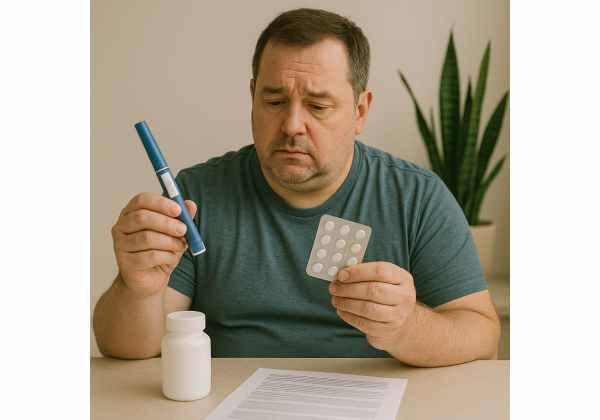
Semaglutide changed the conversation around medical weight loss because it does not rely on willpower alone. It lowers appetite, can make food feel less urgent, and often helps people eat less without feeling as deprived as they did on older diet plans. At the same time, it is not a quick fix, and the early weeks can feel very different from the later months.
A lot of confusion comes from the brand names. Wegovy and Ozempic contain the same active ingredient, semaglutide, but they are not identical in purpose, dosing, or what people are usually prescribed them for. Knowing that difference helps set better expectations. Below is what semaglutide does, how results usually unfold, the side effects people notice most often, the rare but important safety issues, and how to make the medication more manageable and more effective over time.
Table of Contents
- What Semaglutide Is and How These Brands Differ
- Who These Medications Are for and What Results Are Realistic
- What to Expect in the First Weeks and Months
- Common Side Effects and How to Manage Them
- Serious Risks and When to Get Help
- How to Eat and Train While Taking GLP-1 Medications
- What to Do if Weight Loss Slows
- What Happens if You Stop Semaglutide
What Semaglutide Is and How These Brands Differ
Semaglutide is a GLP-1 receptor agonist. In simple terms, it mimics a hormone involved in appetite, fullness, blood sugar regulation, and stomach emptying. That combination helps explain why people often say they feel less hungry, think about food less often, and get full sooner after starting it.
The part many people miss is that the same active ingredient can sit inside products with different approved uses and different dose ranges. That matters.
| Brand | Main approved use | Typical dosing path | Usual maintenance range | What this means in practice |
|---|---|---|---|---|
| Wegovy | Chronic weight management and, for some adults, cardiovascular risk reduction related to obesity or overweight | Starts low and climbs gradually over several months | Usually 1.7 mg or 2.4 mg once weekly | Built specifically around long-term weight management |
| Ozempic | Type 2 diabetes management and certain cardiovascular and kidney risk reduction indications in that setting | Also starts low and titrates upward | Usually 0.5 mg, 1 mg, or 2 mg once weekly | Weight loss is common, but the product is not the same as Wegovy in indication or target dose |
That distinction matters because people often compare their results without realizing they are not comparing the same treatment setup. Someone on Wegovy 2.4 mg for obesity is not on the same plan as someone on Ozempic 0.5 mg for type 2 diabetes, even though both are taking semaglutide.
Another useful expectation-setting point: the starting dose is not the “real” dose for most people. It is mainly there to help the body adapt and reduce stomach-related side effects. That is why the first month may feel subtle. Many people assume the drug is not working when, in reality, they are still in the adjustment phase.
Because semaglutide slows stomach emptying and reduces appetite, people often eat less before they have fully learned how to structure meals around it. That can be helpful for fat loss, but it can also create a new set of problems if protein, fluids, and basic nutrition drop too low. For that reason, semaglutide works best when it is treated as a medical tool inside a broader plan, not as a replacement for one.
Who These Medications Are for and What Results Are Realistic
Semaglutide is usually considered for people who need more than lifestyle changes alone, especially when excess weight is affecting health, function, or long-term risk. The strongest candidates are often people with obesity, or people with overweight plus related conditions such as type 2 diabetes, high blood pressure, sleep apnea, fatty liver disease, or established cardiovascular disease. The exact decision belongs to a clinician, because medical history and medication interactions matter.
The most useful mindset is to think in percentages, not magical pound totals. In major Wegovy trials, average weight loss in adults without diabetes was around 15% of body weight over about 68 weeks. In a study that included type 2 diabetes, average loss was smaller, closer to 10%. That difference is important because people with diabetes sometimes assume they are failing if their results do not match the biggest headlines.
Individual response varies a lot. Some people lose much more than average. Some lose modestly. Some feel a clear appetite shift within days, while others need multiple dose increases before they notice a major change. A realistic pattern usually looks like this:
- Early changes in appetite or fullness, sometimes before major scale changes.
- More visible weight loss after several weeks to a few months.
- Slower progress later, even when the medication is still helping.
Semaglutide is also not meant to erase every difficulty. It can lower hunger and reduce food noise, but it does not automatically fix grazing, emotional eating, alcohol calories, low movement, or inconsistent meal structure. People often do best when they combine medication with a plan that is simple enough to repeat. That is why a meal plan for GLP-1 medications can be more useful than trying to improvise meals when appetite is low and side effects are fluctuating.
One more point worth keeping in view: faster is not always better. Rapid weight loss can increase the chance of fatigue, constipation, muscle loss, and gallbladder issues. Strong early appetite suppression may feel exciting, but the best long-term outcomes usually come from steady progress with tolerable side effects, not from barely being able to eat.
So, what counts as “working”? In the real world, semaglutide is helping if it does one or more of these things consistently: lowers hunger, reduces portion sizes without a fight, improves blood sugar or health markers, and moves weight in the right direction over time. The scale matters, but it is not the only sign that the medication is doing its job.
What to Expect in the First Weeks and Months
The first few weeks are usually about adaptation, not dramatic transformation. Many people expect a sudden drop in appetite and a fast scale change after the first injection. Sometimes that happens, but often it does not. The usual experience is more gradual.
A helpful way to think about the timeline is by phases.
Weeks 1 to 4
This is the starter-dose phase. Appetite may fall a little, meals may feel “heavier,” and some people notice nausea, reflux, or fullness that lasts longer than usual. Others feel almost nothing at first. Neither response proves the medication will or will not work later.
Weight in this phase can move for several reasons at once: eating less, mild dehydration, lower carb intake, constipation, sodium changes, or the natural day-to-day swing of the scale. That is why single weigh-ins are less useful than weekly trends.
Weeks 5 to 12
This is often when semaglutide starts to feel more obvious. Portion sizes may drop more naturally. Cravings can soften. It may become easier to stop eating when satisfied rather than when “the plate is empty.” This is also when dose increases may trigger the most noticeable stomach symptoms.
A common mistake here is to eat far too little because hunger is low. That can look like success at first, but it often backfires with fatigue, dizziness, constipation, and rebound overeating later in the day or later in the week.
Months 3 to 6
By this point, the pattern usually becomes clearer. Responders often notice that food decisions require less effort than before. However, progress is rarely linear. Some weeks are flat. Some weeks jump down. Some weeks go up from constipation, menstrual cycle changes, higher sodium, travel, or a recent dose increase.
This is also the stage where expectations should widen beyond the scale. Many people start sleeping better, snacking less, eating out with less loss of control, or finding it easier to stay consistent during stress. Those changes matter because they are often what make the weight loss sustainable.
What you should not expect is perfection. Semaglutide can make healthy choices easier, but it does not remove the need to build meals, stay hydrated, and keep basic routines in place. For people using injections, getting the practical basics right also matters, including technique, timing, storage, and site rotation; a guide on how to inject weight loss medications correctly can help if that part still feels uncertain.
Common Side Effects and How to Manage Them
The side effects most people notice are digestive. In Wegovy trials, the common list included nausea, diarrhea, vomiting, constipation, abdominal pain, headache, fatigue, indigestion, dizziness, bloating, burping, reflux, and gas. Most of these were mild to moderate, and they were especially common during dose escalation.
The key practical point is that side effects often reflect how you are eating, not just whether you are taking the medication. A meal that felt normal before semaglutide can feel too large, too fatty, too fast, or too late once stomach emptying slows.
Here is what usually helps most:
- Eat smaller meals than you think you need.
- Slow down and stop before you feel stuffed.
- Choose simpler foods on rough-stomach days.
- Keep fluids up between meals, not only during them.
- Go easier on very greasy, fried, rich, or heavy restaurant meals.
- Be careful with alcohol, which can worsen nausea, reflux, and dehydration.
- Treat constipation early rather than waiting for it to become severe.
Nausea
Nausea is the side effect people ask about most. It is often worse after dose increases, large meals, fatty meals, or long gaps without eating followed by overeating. Some people feel better with bland, lower-fat foods and smaller, more frequent meals. Others do better with a more structured pattern of three modest meals and one protein-based snack. A dedicated guide on how to manage nausea on GLP-1 medications can be useful when this becomes the main barrier.
Constipation
Constipation can quietly make everything else worse. It can increase bloating, worsen nausea, distort the scale, and make people think the medication has stopped working. Low food volume, low fiber, low fluid intake, and reduced overall intake can all contribute. Building a routine early is smarter than trying to fix severe constipation after several uncomfortable weeks. If this becomes a pattern, a practical article on GLP-1 constipation and relief strategies is worth reviewing.
Burping, reflux, bloating, and fullness
These symptoms usually improve when meal size comes down. Many people discover that “healthy” foods can still be hard to tolerate if the portion is too large. Protein is still important, but a huge protein-heavy meal can feel worse than a smaller, more balanced one.
One underappreciated insight is that side-effect management is not just about comfort. It also protects adherence. In Wegovy trials, a noticeable minority stopped treatment because of adverse effects, most commonly nausea, vomiting, and diarrhea. That means learning how to eat with the medication is part of getting results from it.
Serious Risks and When to Get Help
Most side effects are uncomfortable rather than dangerous, but semaglutide does come with important warnings that should not be brushed aside.
The boxed warning relates to thyroid C-cell tumors seen in rodents. Because of that, semaglutide products are generally avoided in people with a personal or family history of medullary thyroid carcinoma or with Multiple Endocrine Neoplasia syndrome type 2. This does not mean semaglutide is proven to cause that cancer in humans, but it does mean those histories matter before treatment starts.
Other risks worth taking seriously include:
- Pancreatitis: severe or persistent abdominal pain, especially if it radiates to the back, with or without vomiting.
- Gallbladder problems: new upper abdominal pain, nausea after meals, fever, or pain that may suggest gallstones or gallbladder inflammation.
- Dehydration and kidney strain: especially if vomiting or diarrhea are ongoing.
- Hypoglycemia: more likely when semaglutide is used with insulin or a sulfonylurea.
- Diabetic eye issues: people with type 2 diabetes and existing retinopathy may need closer monitoring.
- Allergic reactions: swelling, rash, trouble breathing, or severe dizziness.
- Mood changes: Wegovy labeling advises monitoring for depression or suicidal thoughts.
- Surgery and anesthesia concerns: delayed stomach emptying can matter before procedures involving general anesthesia or deep sedation.
You should contact a clinician promptly if you have severe or persistent vomiting, cannot keep fluids down, develop significant abdominal pain, notice vision changes, or feel unusually weak or dizzy. Emergency care is appropriate for severe allergic symptoms, signs of dehydration with fainting, or symptoms of severe pancreatitis.
Pregnancy planning also matters. Because semaglutide stays in the body for a long time, product labeling advises stopping it well before a planned pregnancy. This is not a medication to “just keep taking until the test is positive” without a plan.
Another practical insight: side effects can be more dangerous in people who normalize them for too long. Feeling mildly nauseated for a day after a dose increase is one thing. Persistent vomiting, very low fluid intake, dark urine, rapid heart rate, or inability to eat enough for days is something else. The safer rule is not “push through everything,” but “push through only what is clearly mild and improving.”
How to Eat and Train While Taking GLP-1 Medications
Semaglutide can make eating less easier. It does not automatically make eating well easier. That difference matters, because people can lose weight on these drugs while still feeling tired, undernourished, or weaker than they expected.
The big priorities are protein, hydration, and preserving muscle.
Protein first
When appetite is reduced, people often fill up on whatever sounds easiest, not whatever supports body composition. That can lead to a pattern of very low protein intake. Over time, that increases the risk of losing lean mass along with body fat. A simple rule is to build meals around one reliable protein source first, then add produce, fiber, and whatever carbohydrate portion fits tolerance and energy needs. A more detailed GLP-1 medication meal plan can make this much easier to execute consistently.
Hydration is not optional
People frequently drink less when appetite drops. That is one reason headaches, constipation, fatigue, and dizziness can show up early. Sipping steadily across the day usually works better than trying to “catch up” all at once.
Strength training matters more than many people think
When body weight is falling quickly, some loss of lean mass can happen. The goal is not just to lose weight, but to lose as much fat and as little muscle as possible. Strength training, even at a basic level, helps protect that. So does getting enough protein and not letting intake collapse. If that topic is a concern, this guide on protecting lean mass on GLP-1 medications is especially relevant.
Keep meals simple when side effects flare
On rough days, complicated “diet perfection” is usually the wrong goal. Smaller, plainer meals often work better. Think easier-to-digest proteins, softer foods, modest portions, and fewer rich add-ons. Once symptoms settle, meal variety can expand again.
Do not confuse low appetite with no nutrition needs
This is one of the biggest real-world mistakes. The medication may reduce your drive to eat, but your body still needs enough protein, fluids, micronutrients, and movement to function well. Good semaglutide use often looks less like “I barely eat” and more like “I eat smaller, smarter, calmer meals than before.”
What to Do if Weight Loss Slows
Slower weight loss does not automatically mean the medication stopped working. Plateaus are common, including on semaglutide. As body weight drops, calorie needs fall too. Movement often decreases without people noticing. Portions can slowly creep up. Constipation and water retention can mask progress. Appetite suppression may also feel less dramatic than it did at the beginning, even though the drug is still helping.
Before assuming failure, check the basics:
- Are you at your intended maintenance dose yet, or still titrating?
- Has protein slipped because appetite is low?
- Have restaurant meals, snacks, or liquid calories started creeping back in?
- Are constipation, menstrual cycle shifts, sodium, or poor sleep affecting the scale?
- Has daily movement dropped because you feel more tired or simply smaller and less active?
This is where people often benefit from a more systematic review of a weight loss plateau on GLP-1 medications rather than reacting by slashing calories further. In many cases, the better fix is not harsher restriction. It is tighter structure, better protein intake, more steps, better hydration, or cleaning up the parts of the week where adherence quietly slips.
It is also worth asking whether the plateau is real. Two frustrating weigh-ins do not prove anything. Looking at 2 to 4 weeks of trend data is far more useful, especially when semaglutide can change digestion and bowel patterns enough to make the scale noisier.
For some people, the issue is not the medication itself but the expectation that weight loss should keep happening at the same speed forever. It usually does not. Slower loss later in the process is normal. The more useful question is not “Why is this not as fast as month one?” but “Am I still moving in the right direction over a realistic time frame?”
What Happens if You Stop Semaglutide
Stopping semaglutide is not neutral. For many people, appetite increases again, fullness fades, and food noise comes back at least partly. That does not mean weight regain is guaranteed, but it does mean the environment inside your body becomes harder again, often quickly.
This is why people who did well on semaglutide sometimes feel confused after stopping. They assume they “lost discipline,” when the more accurate explanation is that the medication was helping manage hunger and intake in ways that are no longer there. The challenge is not just behavioral. It is biological.
The best way to think about stopping is as a transition phase, not a finish line. Before discontinuation, it helps to have a maintenance strategy for:
- protein targets
- meal timing
- grocery routines
- exercise and steps
- weigh-in frequency
- what to do if appetite rises sharply
That is especially important if your success depended heavily on very low hunger rather than on repeatable eating habits. A focused plan for weight regain after stopping GLP-1 medications can make the transition far smoother.
Some people stay on semaglutide long term. Others stop because of cost, side effects, supply, pregnancy planning, or a shared decision with their clinician. There is no single right path. The key is to match the exit plan to the reason for stopping, rather than assuming weight maintenance will take care of itself.
One of the most useful expectations to carry forward is this: semaglutide can be an effective long-term treatment, but the skills you build while on it still matter. The more your routines improve during treatment, the better your odds of keeping progress if the medication changes later.
References
- WEGOVY (semaglutide) injection, for subcutaneous use 2025 (Prescribing Information)
- OZEMPIC (semaglutide) injection, for subcutaneous use 2025 (Prescribing Information)
- Once-Weekly Semaglutide in Adults with Overweight or Obesity 2021 (RCT)
- Semaglutide and Cardiovascular Outcomes in Obesity without Diabetes 2023 (RCT)
- Semaglutide for the treatment of overweight and obesity 2022 (Review)
Disclaimer
This article is for general educational purposes only and is not a substitute for personal medical advice, diagnosis, or treatment. Semaglutide medications can have important risks, interactions, and product-specific warnings, so decisions about starting, stopping, or changing them should be made with a qualified clinician.
Share this article on Facebook, X, or your preferred platform if you found it helpful.